As you navigate through the myriad of health and wellness information available today, you may have come across the term “anti-aging foods.” These are not just trendy buzzwords; they represent a growing body of research that suggests certain foods can help slow down the aging process and promote overall health. The concept of anti-aging foods revolves around the idea that what you consume can significantly impact your body’s ability to combat oxidative stress, inflammation, and cellular damage—all of which contribute to the aging process. By incorporating specific nutrient-rich foods into your diet, you can enhance your vitality and maintain a youthful appearance.
Understanding the science behind these foods can empower you to make informed dietary choices. Anti-aging foods are typically rich in antioxidants, vitamins, minerals, and healthy fats, all of which play crucial roles in maintaining your health as you age. By focusing on a diet that includes these beneficial foods, you can not only improve your physical appearance but also boost your overall well-being.
In this article, we will explore various categories of anti-aging foods, highlighting their unique benefits and how you can easily incorporate them into your daily meals.
Key Takeaways
- Anti-aging foods can help promote overall health and slow down the aging process.
- Berries are rich in antioxidants, which can help protect the body from oxidative stress and inflammation.
- Omega-3 fatty acids from fish can support brain health and reduce the risk of chronic diseases associated with aging.
- Leafy greens are high in vitamin C, which is essential for collagen production and skin health.
- Nuts and seeds are packed with healthy fats that can help maintain skin elasticity and hydration.
Berries and Antioxidants
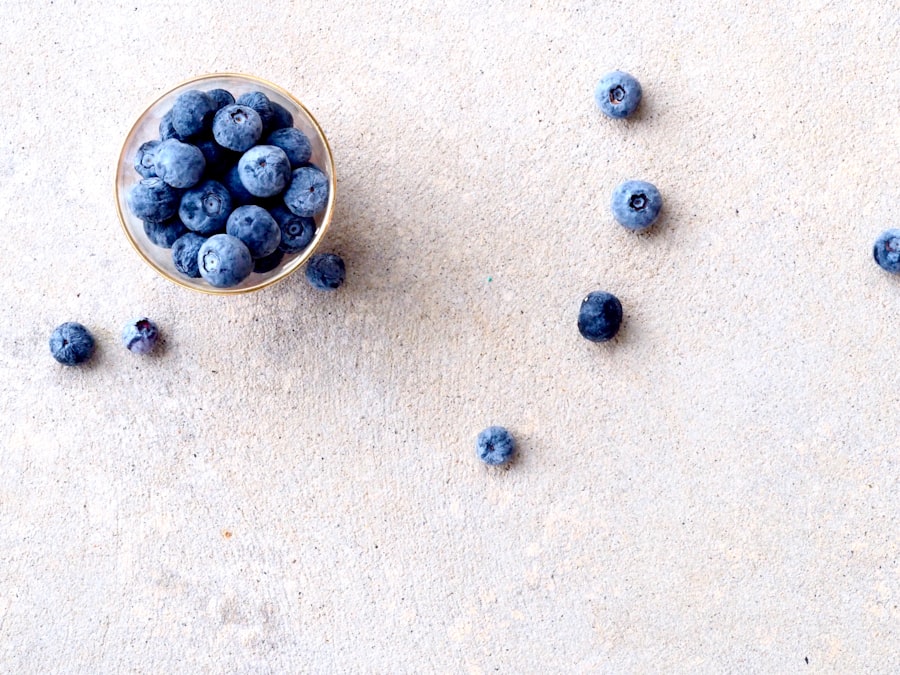
Berries are often hailed as superfoods, and for good reason. They are packed with antioxidants, which are compounds that help neutralize free radicals in your body. Free radicals are unstable molecules that can cause oxidative stress, leading to cellular damage and accelerating the aging process.
By consuming a variety of berries—such as blueberries, strawberries, raspberries, and blackberries—you can significantly increase your antioxidant intake. Blueberries, in particular, are known for their high levels of anthocyanins, which have been linked to improved brain function and reduced risk of heart disease. In addition to their antioxidant properties, berries are also low in calories and high in fiber, making them an excellent choice for maintaining a healthy weight.
You can easily incorporate berries into your diet by adding them to smoothies, yogurt, or oatmeal. Alternatively, enjoy them as a snack on their own or mix them into salads for a burst of flavor and color. The versatility of berries makes them a delightful addition to any meal while providing essential nutrients that support your body’s fight against aging.
Omega-3 Fatty Acids from Fish

When it comes to anti-aging foods, omega-3 fatty acids are often at the forefront of discussions about heart health and cognitive function. These essential fats are primarily found in fatty fish such as salmon, mackerel, sardines, and trout. Omega-3s are known for their anti-inflammatory properties, which can help reduce the risk of chronic diseases associated with aging, such as arthritis and heart disease.
Additionally, these fatty acids play a vital role in brain health, potentially lowering the risk of cognitive decline as you age. Incorporating omega-3-rich fish into your diet is relatively simple. Aim to include fatty fish in your meals at least twice a week.
You can grill or bake fish fillets for a delicious main course or add canned sardines to salads or pasta dishes for an easy boost of nutrients. If you’re not a fan of fish, consider plant-based sources of omega-3s like flaxseeds, chia seeds, and walnuts. These alternatives can also provide the essential fatty acids your body needs while contributing to your overall anti-aging strategy.
Leafy Greens and Vitamin C
Leafy greens are another cornerstone of an anti-aging diet. Vegetables such as spinach, kale, collard greens, and Swiss chard are rich in vitamins A, C, and K, as well as essential minerals like calcium and iron. Vitamin C is particularly noteworthy for its role in collagen production—a protein that helps maintain skin elasticity and firmness.
As you age, collagen production naturally declines, leading to wrinkles and sagging skin. By consuming ample amounts of vitamin C through leafy greens, you can support your skin’s structure and combat signs of aging. Incorporating leafy greens into your meals is both easy and versatile.
You can enjoy them raw in salads or smoothies or cook them lightly to retain their nutrients. Adding greens to soups, stews, or stir-fries is another excellent way to boost your intake without sacrificing flavor. The vibrant colors and textures of leafy greens not only enhance the visual appeal of your dishes but also provide a wealth of nutrients that contribute to your overall health and longevity.
Nuts and Seeds for Healthy Fats
Nuts and seeds are often overlooked in discussions about anti-aging foods, yet they are packed with healthy fats, protein, fiber, vitamins, and minerals. Almonds, walnuts, chia seeds, flaxseeds, and pumpkin seeds are particularly beneficial due to their high content of omega-3 fatty acids and antioxidants. These nutrients work together to reduce inflammation in the body and support heart health—two critical factors in maintaining vitality as you age.
Incorporating nuts and seeds into your diet is simple and satisfying. You can sprinkle them on top of salads or yogurt for added crunch or blend them into smoothies for a creamy texture. Nuts make for an excellent on-the-go snack that keeps you feeling full while providing essential nutrients.
Just be mindful of portion sizes; while they are healthy, nuts and seeds are calorie-dense. A small handful can go a long way in delivering the benefits you seek without overindulging.
Brightly-Colored Vegetables for Skin Health
Brightly-colored vegetables such as carrots, bell peppers, sweet potatoes, and beets are not only visually appealing but also incredibly nutritious. These vegetables are rich in carotenoids—plant pigments that have antioxidant properties and contribute to skin health. Carotenoids help protect your skin from sun damage and may improve skin tone by promoting a healthy glow.
Additionally, many brightly-colored vegetables are high in vitamins A and C, both essential for maintaining skin elasticity and reducing the appearance of fine lines. To reap the benefits of these vibrant vegetables, consider incorporating them into your meals in creative ways. Roasting carrots or sweet potatoes brings out their natural sweetness while enhancing their nutrient profile.
You can also add bell peppers to stir-fries or salads for a crunchy texture and burst of color. The key is to eat a variety of colors on your plate; this not only ensures a diverse range of nutrients but also makes your meals more enjoyable.
Probiotics for Gut Health and Skin
While many people associate probiotics primarily with digestive health, their benefits extend far beyond the gut. Probiotics—beneficial bacteria found in fermented foods like yogurt, kefir, sauerkraut, kimchi, and kombucha—can also have a positive impact on your skin’s appearance. A healthy gut microbiome is linked to reduced inflammation throughout the body, which can help alleviate skin conditions such as acne or eczema.
Furthermore, some studies suggest that probiotics may enhance skin hydration and elasticity. Incorporating probiotics into your diet is both delicious and easy. Start your day with a serving of yogurt topped with fresh fruit or granola for a nutritious breakfast.
Alternatively, enjoy fermented vegetables as a side dish or snack throughout the day. If you’re adventurous, try making your own fermented foods at home; it’s a fun way to explore new flavors while boosting your gut health. By prioritizing probiotics in your diet, you can support not only your digestive system but also achieve healthier-looking skin.
Incorporating Anti-aging Foods into Your Diet
As you consider the various anti-aging foods discussed throughout this article, it’s essential to remember that incorporating these nutrient-rich options into your diet doesn’t have to be overwhelming. Start by making small changes—perhaps adding a serving of berries to your breakfast or swapping out red meat for fatty fish a couple of times a week. Gradually build upon these changes by exploring new recipes that highlight leafy greens or brightly-colored vegetables.
Ultimately, the goal is to create a balanced diet that emphasizes whole foods rich in antioxidants, healthy fats, vitamins, and minerals. By doing so, you not only enhance your physical appearance but also promote overall well-being as you age gracefully. Embrace the journey toward healthier eating habits; with each bite of nourishing food you take, you’re investing in a vibrant future filled with vitality and longevity.
If you’re interested in exploring how diet can impact your appearance and help you maintain a youthful look, you might find the article “Youth-Boosting Foods: Nourishing Your Way to a Younger You” particularly enlightening. This piece delves into specific foods known for their anti-aging benefits, offering practical advice on how to incorporate them into your daily diet to enhance your skin’s health and overall vitality. For more detailed insights, you can read the full article here.
FAQs
What are some foods that can help make you look younger?
Some foods that can help make you look younger include berries, fatty fish, avocados, nuts, and green tea. These foods are rich in antioxidants, healthy fats, and vitamins that can help improve skin health and reduce signs of aging.
How do berries help in making you look younger?
Berries are rich in antioxidants, such as vitamin C and anthocyanins, which can help protect the skin from damage caused by free radicals. They also contain fiber and water, which can help keep the skin hydrated and promote a youthful appearance.
What role do fatty fish play in maintaining a youthful appearance?
Fatty fish, such as salmon and mackerel, are high in omega-3 fatty acids, which can help reduce inflammation and keep the skin moisturized. These healthy fats can also help protect the skin from sun damage and maintain its elasticity.
How can avocados contribute to a more youthful look?
Avocados are a good source of healthy fats, vitamins E and C, and antioxidants, which can help protect the skin from damage and improve its overall health. The monounsaturated fats in avocados can also help keep the skin hydrated and supple.
What benefits do nuts offer for maintaining a youthful appearance?
Nuts are rich in vitamins, minerals, and healthy fats, such as omega-3 fatty acids and antioxidants, which can help protect the skin from aging and improve its elasticity. They also contain compounds that can help reduce inflammation and promote skin health.
How does green tea help in making you look younger?
Green tea is rich in antioxidants, such as catechins, which can help protect the skin from damage and reduce the signs of aging. It also has anti-inflammatory properties that can help improve skin health and promote a more youthful appearance.


