In a world where first impressions often matter, the quest for youthful skin is a common pursuit. You may find yourself exploring various skincare products, treatments, and routines, but have you ever considered the profound impact that nutrition has on your skin’s appearance? The truth is, what you put into your body plays a crucial role in how your skin looks and feels.
A well-balanced diet rich in essential nutrients can help you achieve that coveted youthful glow, while poor dietary choices can lead to premature aging and skin issues. Understanding the connection between nutrition and skin health is vital. Your skin is the largest organ of your body, and it reflects your overall health.
When you nourish your body with the right foods, you not only support your internal systems but also enhance your skin’s vitality. By focusing on a diet that prioritizes nutrient-dense foods, you can promote a radiant complexion and maintain a youthful appearance for years to come. Let’s delve into the specific foods and nutrients that can help you achieve this goal.
Key Takeaways
- Proper nutrition is essential for maintaining a youthful appearance and healthy skin.
- Antioxidant-rich foods play a key role in promoting radiant and glowing skin.
- Omega-3 fatty acids help nourish the skin from the inside out, promoting a healthy complexion.
- Collagen-boosting foods can enhance skin elasticity and firmness, reducing the appearance of aging.
- Hydration and water-rich foods are crucial for keeping the skin plump, supple, and youthful-looking.
Antioxidant-Rich Foods: A Key to Radiant Skin
Antioxidants are your skin’s best friends when it comes to fighting the signs of aging. These powerful compounds help neutralize free radicals—unstable molecules that can damage skin cells and accelerate aging. By incorporating antioxidant-rich foods into your diet, you can protect your skin from oxidative stress and promote a more youthful appearance.
Berries, such as blueberries, strawberries, and raspberries, are excellent sources of antioxidants. They are not only delicious but also packed with vitamins that can help rejuvenate your skin. In addition to berries, consider adding dark leafy greens like spinach and kale to your meals.
These vegetables are rich in vitamins A, C, and E, all of which play a significant role in maintaining skin health. Vitamin C, in particular, is essential for collagen production, which helps keep your skin firm and elastic. By making a conscious effort to include a variety of antioxidant-rich foods in your diet, you can create a protective barrier against environmental damage and promote a radiant complexion.
Omega-3 Fatty Acids: Nourishing Your Skin from the Inside Out
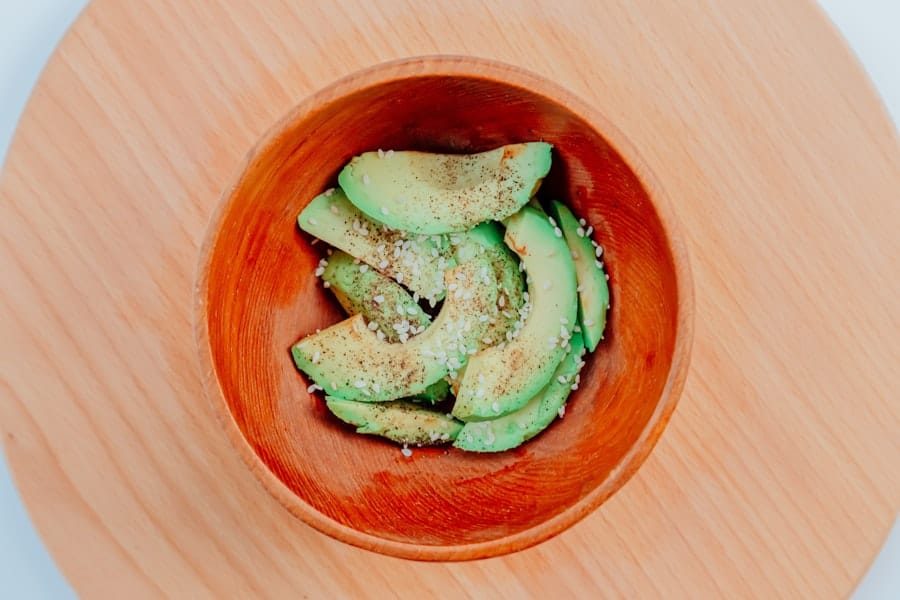
Omega-3 fatty acids are another crucial component of a diet aimed at achieving youthful skin. These healthy fats are known for their anti-inflammatory properties, which can help reduce redness and irritation in the skin. By incorporating sources of omega-3s into your meals, such as fatty fish like salmon and mackerel, walnuts, and flaxseeds, you can nourish your skin from the inside out.
These foods not only support skin health but also contribute to overall well-being. Moreover, omega-3 fatty acids help maintain the skin’s lipid barrier, which is essential for retaining moisture. When your skin is adequately hydrated, it appears plump and youthful.
If you struggle with dry or flaky skin, increasing your intake of omega-3s may be particularly beneficial. You might also consider adding chia seeds to smoothies or oatmeal for an easy boost of these essential fats. By prioritizing omega-3-rich foods in your diet, you can enhance your skin’s texture and promote a more youthful appearance.
Collagen-Boosting Foods: Enhancing Skin Elasticity and Firmness
Collagen is a vital protein that provides structure and elasticity to your skin. As you age, collagen production naturally declines, leading to sagging skin and wrinkles. To combat this process, it’s essential to include collagen-boosting foods in your diet.
Bone broth is an excellent source of collagen; it’s rich in amino acids that support the body’s natural collagen production. Incorporating bone broth into soups or stews can be an easy way to reap its benefits. In addition to bone broth, consider foods high in vitamin C, such as citrus fruits, bell peppers, and strawberries.
Vitamin C is crucial for collagen synthesis and helps protect existing collagen from damage. You might also want to explore plant-based sources of collagen boosters like soy products and leafy greens. By focusing on these foods, you can enhance your skin’s elasticity and firmness while promoting a more youthful appearance.
Hydration and Water-Rich Foods: Keeping Your Skin Plump and Supple
Staying hydrated is fundamental for maintaining healthy skin. Dehydration can lead to dryness, flakiness, and an overall dull complexion. While drinking plenty of water is essential, incorporating water-rich foods into your diet can also significantly contribute to hydration levels.
Fruits like watermelon, cucumbers, and oranges are not only refreshing but also packed with water content that helps keep your skin plump and supple. In addition to fruits, consider adding vegetables like celery and lettuce to your meals. These water-rich options not only provide hydration but also deliver essential vitamins and minerals that support skin health.
You might find that snacking on these hydrating foods throughout the day helps you maintain optimal hydration levels while satisfying your cravings for something fresh and crunchy. By prioritizing hydration through both water intake and water-rich foods, you can achieve a more youthful glow.
Vitamins and Minerals for Skin Health: Essential Nutrients for a Youthful Glow
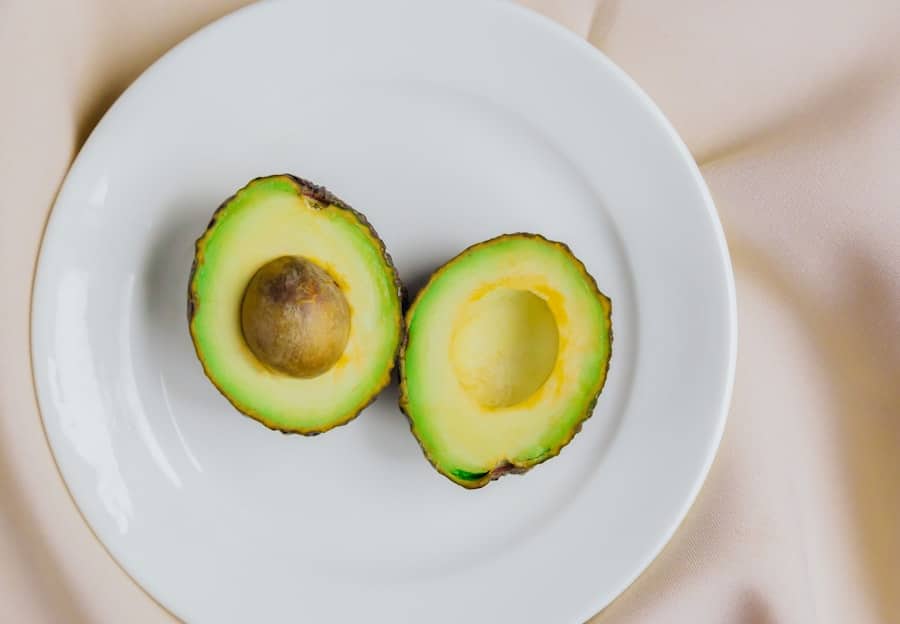
Vitamins and minerals play a pivotal role in maintaining healthy skin. Nutrients such as vitamin A, vitamin E, zinc, and selenium are essential for promoting a youthful appearance. Vitamin A is known for its ability to support cell turnover and repair damaged skin cells.
Foods rich in vitamin A include sweet potatoes, carrots, and dark leafy greens. By incorporating these foods into your diet, you can help your skin regenerate more effectively. Vitamin E acts as an antioxidant that protects the skin from oxidative stress while also promoting moisture retention.
Nuts and seeds are excellent sources of vitamin E; consider snacking on almonds or sunflower seeds for a delicious way to boost your intake. Zinc is another mineral that supports skin health by aiding in wound healing and reducing inflammation. Foods like legumes, whole grains, and shellfish are rich in zinc.
By ensuring you consume a variety of vitamins and minerals through whole foods, you can create a solid foundation for healthy, radiant skin.
Anti-Inflammatory Foods: Reducing Skin Irritation and Redness
Inflammation can lead to various skin issues such as redness, irritation, and even acne breakouts. To combat these problems, incorporating anti-inflammatory foods into your diet is essential. Foods rich in omega-3 fatty acids, as previously mentioned, are excellent for reducing inflammation.
Additionally, spices like turmeric and ginger have powerful anti-inflammatory properties that can benefit your skin. You might also want to explore the benefits of green tea, which is packed with antioxidants known as catechins that help reduce inflammation in the body. Drinking green tea regularly or incorporating it into smoothies can be an enjoyable way to reap its benefits.
By focusing on anti-inflammatory foods in your diet, you can help soothe irritated skin while promoting an overall healthier complexion.
Creating a Youthful Diet for Healthy, Radiant Skin
In conclusion, achieving a youthful appearance goes beyond topical treatments; it starts with what you put on your plate. By prioritizing nutrient-dense foods rich in antioxidants, omega-3 fatty acids, collagen boosters, hydration sources, vitamins, minerals, and anti-inflammatory properties, you can create a diet that supports healthy, radiant skin from the inside out. As you embark on this journey toward better nutrition for your skin health, remember that consistency is key.
Making small changes to your daily meals can lead to significant improvements over time. Embrace the power of food as a tool for enhancing your beauty regimen; after all, true radiance comes from within. With dedication to nourishing your body with the right nutrients, you can enjoy the benefits of youthful-looking skin for years to come.
If you’re exploring ways to maintain a youthful appearance through your diet, you might also be interested in other holistic approaches to enhance your overall well-being and look younger. A great complement to a healthy diet is the practice of yoga and meditation, which not only helps in reducing stress but also improves your skin’s health by enhancing circulation and promoting relaxation. To learn more about how yoga and meditation can contribute to a youthful glow and inner peace, check out this related article: Yoga and Meditation for Inner Peace.
FAQs
What are some foods that can help you look younger?
Some foods that can help you look younger include berries, fatty fish, avocados, nuts, and green tea. These foods are rich in antioxidants, healthy fats, and vitamins that can promote skin health and reduce the signs of aging.
How do antioxidants in food help with anti-aging?
Antioxidants in food help with anti-aging by neutralizing free radicals in the body, which can cause damage to cells and contribute to aging. By consuming foods rich in antioxidants, you can help protect your skin and body from oxidative stress and maintain a more youthful appearance.
What role do healthy fats play in maintaining a youthful appearance?
Healthy fats, such as those found in fatty fish, avocados, and nuts, can help maintain a youthful appearance by providing essential fatty acids that support skin health. These fats can help keep the skin hydrated, improve elasticity, and reduce inflammation, all of which can contribute to a more youthful look.
How does green tea contribute to a more youthful appearance?
Green tea contains compounds called catechins, which have been shown to have anti-aging effects. These compounds can help protect the skin from sun damage, improve skin elasticity, and reduce the appearance of wrinkles, making green tea a beneficial addition to a youthful diet.
Can certain foods help improve skin elasticity and reduce wrinkles?
Yes, certain foods, such as berries, fatty fish, and avocados, contain nutrients that can help improve skin elasticity and reduce the appearance of wrinkles. For example, the vitamin C in berries can support collagen production, while the omega-3 fatty acids in fatty fish can help maintain skin elasticity.


