Collagen is a vital protein that serves as a building block for your skin, bones, muscles, and connective tissues. It acts like a scaffold, providing structure and strength to your body. As you age, the natural production of collagen diminishes, leading to visible signs of aging such as wrinkles, sagging skin, and a loss of elasticity.
Understanding the role of collagen in your body is crucial for maintaining a youthful appearance and overall health. It is often referred to as the “glue” that holds everything together, making it essential for not just aesthetics but also for your physical well-being. The importance of collagen in anti-aging cannot be overstated.
As you navigate through life, your skin undergoes various changes due to environmental factors, lifestyle choices, and the natural aging process. Collagen helps combat these changes by promoting skin elasticity and hydration. When collagen levels are optimal, your skin appears plump and youthful.
Conversely, a decline in collagen can lead to a more aged appearance, making it imperative to find ways to support and replenish this essential protein.
Key Takeaways
- Collagen is a protein that provides structure to the skin, hair, and nails, and is important for maintaining youthful skin.
- As we age, collagen production decreases, leading to wrinkles, sagging skin, and loss of elasticity.
- Using collagen supplements can help improve skin elasticity, hydration, and overall appearance.
- There are different types of collagen products such as powders, creams, and serums, each with varying effectiveness for anti-aging.
- To incorporate collagen into your anti-aging skincare routine, consider using products with ingredients like retinol, vitamin C, and hyaluronic acid for maximum benefits.
The Role of Collagen in Maintaining Youthful Skin
Collagen plays a pivotal role in maintaining the youthful appearance of your skin. It provides the necessary support that keeps your skin firm and resilient. When you look in the mirror and see smooth, supple skin, much of that is due to the presence of collagen.
This protein helps to maintain the skin’s structure, ensuring that it remains taut and free from sagging. Additionally, collagen aids in the skin’s ability to retain moisture, which is crucial for a healthy complexion. As you age, the depletion of collagen can lead to various skin issues.
Fine lines and wrinkles become more pronounced, and your skin may lose its natural glow. The reduction in collagen also affects your skin’s ability to heal and regenerate, making it more susceptible to damage from external factors like UV rays and pollution. By understanding the role of collagen in your skin’s health, you can take proactive steps to preserve its youthful appearance.
How Collagen Production Decreases with Age

As you enter your 20s and 30s, your body begins to produce less collagen each year. This gradual decline can be subtle at first, but over time, it becomes more noticeable. By the time you reach your 40s and 50s, the effects of decreased collagen production can manifest as sagging skin, deeper wrinkles, and a loss of volume in areas like the cheeks and under the eyes.
This natural aging process is exacerbated by factors such as sun exposure, smoking, and poor diet, all of which can further accelerate collagen loss. The decrease in collagen production is not just a cosmetic issue; it also affects your overall health. Collagen is essential for joint health and mobility, so as its levels decline, you may experience stiffness or discomfort in your joints.
Understanding how collagen production decreases with age can motivate you to take action early on. By incorporating strategies to boost collagen levels into your routine, you can help mitigate some of the effects of aging on both your skin and body.
The Benefits of Using Collagen Supplements for Anti-Aging
Incorporating collagen supplements into your daily routine can offer numerous benefits for anti-aging. These supplements come in various forms, including powders, capsules, and drinks, making them easy to integrate into your lifestyle. One of the primary advantages of collagen supplements is their ability to stimulate your body’s own collagen production.
By providing your body with the necessary amino acids found in collagen, you can support the regeneration of this vital protein. Research has shown that regular use of collagen supplements can lead to improved skin elasticity, hydration, and overall appearance. Many users report a noticeable reduction in fine lines and wrinkles after consistent use over several weeks or months.
Additionally, collagen supplements may also benefit other areas of your health, such as joint function and bone density. By choosing to incorporate these supplements into your routine, you are taking a proactive step toward maintaining a youthful appearance while also supporting your overall well-being.
Different Types of Collagen Products and Their Effectiveness
When it comes to collagen products, you have a variety of options to choose from. The most common types include hydrolyzed collagen (collagen peptides), gelatin, and undenatured collagen. Hydrolyzed collagen is broken down into smaller peptides for easier absorption by your body.
This form is often found in powders and drinks and is known for its effectiveness in promoting skin health. Gelatin is another form of collagen that is derived from animal sources but is less processed than hydrolyzed collagen. While it can still provide benefits for skin health, it may not be as easily absorbed as its hydrolyzed counterpart.
Undenatured collagen is typically used for joint health rather than skin benefits but can still play a role in overall wellness. Understanding the different types of collagen products available will help you make informed choices about which ones may be most effective for your anti-aging goals.
How to Incorporate Collagen into Your Anti-Aging Skincare Routine
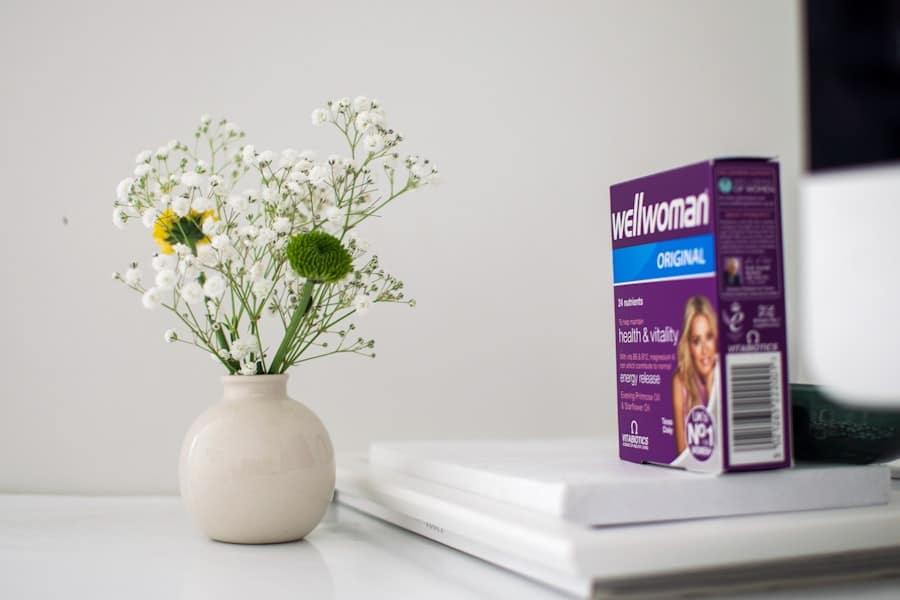
Incorporating collagen into your anti-aging skincare routine can be both simple and effective. Start by selecting high-quality collagen supplements that align with your lifestyle preferences—whether that’s a powder you can mix into smoothies or capsules that are easy to take on-the-go. Consistency is key; aim to incorporate these supplements daily for optimal results.
In addition to supplements, consider using topical products that contain collagen or ingredients that promote collagen production. Look for serums or creams enriched with peptides or hyaluronic acid, as these ingredients work synergistically with collagen to enhance skin hydration and elasticity. By combining both internal and external sources of collagen support, you can create a comprehensive approach to maintaining youthful skin.
Tips for Choosing the Right Collagen Products for Anti-Aging
When selecting collagen products for anti-aging purposes, there are several factors to consider. First and foremost, look for products that contain high-quality ingredients sourced from reputable manufacturers. Check for third-party testing or certifications that ensure the product’s purity and effectiveness.
Additionally, consider the type of collagen used; hydrolyzed collagen is often recommended for its superior absorption properties. Another important aspect is the presence of complementary ingredients that enhance collagen’s effectiveness. Products containing vitamins C and E are particularly beneficial since they play a crucial role in collagen synthesis and protection against oxidative stress.
Reading reviews and seeking recommendations from trusted sources can also guide you toward effective products that align with your anti-aging goals.
Potential Risks and Side Effects of Using Collagen for Anti-Aging
While collagen supplements are generally considered safe for most people, it’s essential to be aware of potential risks and side effects. Some individuals may experience digestive discomfort or allergic reactions if they have sensitivities to specific sources of collagen (such as fish or bovine). It’s always wise to consult with a healthcare professional before starting any new supplement regimen.
Additionally, while topical products containing collagen can provide hydration and improve skin texture temporarily, they may not penetrate deeply enough to stimulate significant changes in collagen production within the skin itself. Therefore, it’s crucial to manage expectations regarding results from topical applications alone. By being informed about potential risks and setting realistic goals for your anti-aging journey, you can make empowered choices that support both your skin health and overall well-being.
In conclusion, understanding the role of collagen in anti-aging is essential for anyone looking to maintain a youthful appearance as they age. By exploring various methods to boost collagen levels—whether through supplements or topical products—you can take proactive steps toward preserving your skin’s vitality while also supporting overall health. Remember that consistency is key; integrating these practices into your daily routine will yield the best results over time.
If you’re exploring options to maintain a youthful appearance and considering the benefits of anti-aging collagen, it’s also crucial to be aware of the potential side effects and risks associated with various cosmetic procedures. An informative article that delves into these concerns, offering insights on how to achieve and maintain a youthful glow safely as you age, can be found here: Potential Side Effects and Risks of Cosmetic Procedures. This resource is essential for anyone considering cosmetic enhancements to better understand what to expect and how to approach anti-aging treatments responsibly.
FAQs
What is collagen?
Collagen is the most abundant protein in the human body and is found in the skin, bones, muscles, tendons, and ligaments. It provides structure and strength to the body’s tissues.
How does collagen contribute to anti-aging?
Collagen plays a crucial role in maintaining the skin’s elasticity, firmness, and hydration. As we age, the body’s natural collagen production decreases, leading to wrinkles, sagging skin, and loss of firmness.
What are the benefits of using collagen for anti-aging?
Using collagen for anti-aging can help improve skin elasticity, reduce the appearance of wrinkles, and promote a more youthful complexion. It can also support joint health and promote strong, healthy hair and nails.
How can collagen be consumed for anti-aging benefits?
Collagen can be consumed through dietary sources such as bone broth, collagen supplements, or collagen-rich foods like fish, chicken, and egg whites. It can also be applied topically in skincare products.
Are there any side effects of using collagen for anti-aging?
Collagen is generally considered safe for most people when used in appropriate amounts. However, some individuals may experience mild digestive symptoms or allergic reactions. It’s important to consult a healthcare professional before starting any new supplement regimen.


