As you navigate through life, the aging process becomes an inevitable part of your journey. Understanding how your skin ages is crucial for developing an effective skincare routine. Aging is a complex biological process influenced by both intrinsic factors, such as genetics, and extrinsic factors, including environmental influences and lifestyle choices.
As you age, your skin undergoes various changes: it becomes thinner, loses elasticity, and may develop fine lines and wrinkles. These changes can be attributed to a decrease in collagen production and a slowdown in cell turnover, which are natural occurrences as you grow older. Moreover, the aging process is not uniform; it varies from person to person.
Factors such as sun exposure, smoking, and diet can significantly impact how your skin ages. For instance, prolonged sun exposure can lead to photoaging, characterized by dark spots and a leathery texture. Understanding these nuances allows you to tailor your skincare regimen to address your specific concerns.
By recognizing the signs of aging and their underlying causes, you can take proactive steps to maintain your skin’s health and vitality.
Key Takeaways
- Aging is a natural process that involves changes in the skin’s structure and function, including decreased collagen production and slower cell turnover.
- When choosing an anti-aging cream, look for products with ingredients like retinoids, peptides, hyaluronic acid, and antioxidants to target specific signs of aging.
- Key ingredients to look for in anti-aging creams include retinoids for stimulating collagen production, peptides for firming and smoothing the skin, and hyaluronic acid for hydration and plumping.
- To apply anti-aging cream effectively, cleanse the skin, apply a pea-sized amount of product, and gently massage it into the skin in upward and outward motions.
- Lifestyle changes such as staying hydrated, eating a balanced diet, getting enough sleep, and protecting the skin from sun exposure can complement the effects of anti-aging cream.
Choosing the Right Anti-Aging Cream
When it comes to selecting an anti-aging cream, the options can be overwhelming. With countless products on the market, it’s essential to choose one that aligns with your skin type and specific concerns. Start by assessing your skin’s needs: is it dry, oily, or combination?
Do you struggle with fine lines, sagging skin, or uneven tone? Identifying these factors will help narrow down your choices. Look for creams that are specifically formulated for your skin type; for example, if you have oily skin, opt for lightweight, non-comedogenic formulas that won’t clog your pores.
Additionally, consider the texture and consistency of the cream. Some individuals prefer a rich, creamy texture that provides deep hydration, while others may opt for a gel-based formula that feels lighter on the skin. It’s also wise to read reviews and seek recommendations from trusted sources.
A product that works wonders for someone else may not yield the same results for you. Ultimately, choosing the right anti-aging cream is about finding a product that feels good on your skin and addresses your unique concerns effectively.
Key Ingredients to Look for in Anti-Aging Creams

As you delve deeper into the world of anti-aging creams, familiarizing yourself with key ingredients can empower you to make informed choices. Certain components have been scientifically proven to combat the signs of aging effectively. For instance, retinoids are renowned for their ability to promote cell turnover and stimulate collagen production.
Incorporating a retinoid-based cream into your routine can significantly reduce the appearance of fine lines and improve skin texture over time. Another powerful ingredient to look for is hyaluronic acid. This naturally occurring substance helps retain moisture in the skin, giving it a plump and youthful appearance.
As you age, your skin’s ability to retain moisture diminishes, making hyaluronic acid an essential addition to your anti-aging arsenal. Additionally, antioxidants like vitamin C can protect your skin from environmental damage while brightening your complexion. By understanding these key ingredients and their benefits, you can select an anti-aging cream that aligns with your skincare goals.
Tips for Applying Anti-Aging Cream Effectively
Applying anti-aging cream correctly is just as important as choosing the right product. To maximize its effectiveness, start with clean skin; cleanse your face thoroughly to remove any impurities or makeup. After cleansing, consider using a toner to prepare your skin for better absorption of the cream.
When applying the cream, use gentle upward strokes to promote circulation and encourage lifting effects. Avoid tugging or pulling at your skin, as this can lead to further sagging over time. It’s also beneficial to apply anti-aging cream at night when your skin is in repair mode.
Nighttime application allows the active ingredients to work more effectively without interference from environmental factors. Additionally, don’t forget about other areas that may show signs of aging, such as your neck and décolletage. These areas often receive less attention but are equally susceptible to aging.
By incorporating these tips into your routine, you can enhance the efficacy of your anti-aging cream and achieve more noticeable results.
Lifestyle Changes to Complement Anti-Aging Cream
While anti-aging creams play a significant role in maintaining youthful skin, lifestyle changes are equally important in achieving long-lasting results. One of the most impactful changes you can make is adopting a balanced diet rich in antioxidants, vitamins, and healthy fats. Foods like berries, leafy greens, nuts, and fatty fish provide essential nutrients that support skin health from within.
Staying hydrated is also crucial; drinking plenty of water helps maintain skin elasticity and prevents dryness. In addition to dietary changes, incorporating regular exercise into your routine can have profound effects on your skin’s appearance. Physical activity increases blood circulation, delivering oxygen and nutrients to your skin cells while promoting detoxification through sweating.
Furthermore, managing stress through practices like yoga or meditation can help prevent stress-related skin issues such as breakouts or dullness. By embracing these lifestyle changes alongside your anti-aging cream regimen, you create a holistic approach to skincare that promotes overall well-being.
Common Mistakes to Avoid When Using Anti-Aging Cream
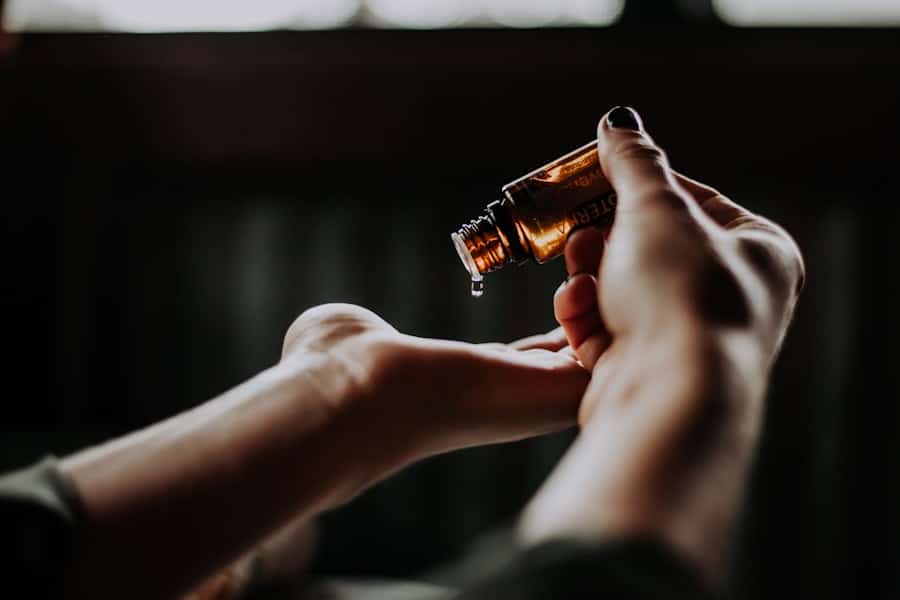
Even with the best intentions, it’s easy to make mistakes when using anti-aging creams that can hinder their effectiveness. One common error is applying too much product at once. More isn’t always better; using excessive amounts can lead to clogged pores or irritation.
Instead, use a pea-sized amount and gently massage it into your skin until fully absorbed. This ensures that the active ingredients penetrate effectively without overwhelming your skin. Another mistake is neglecting sunscreen during the day.
Many people assume that their anti-aging cream alone will protect them from sun damage; however, UV rays are one of the leading causes of premature aging. Always apply a broad-spectrum sunscreen with at least SPF 30 as the final step in your morning skincare routine. Additionally, be cautious about mixing products with potent active ingredients without consulting a dermatologist first; combining certain ingredients can lead to irritation or reduced efficacy.
By avoiding these common pitfalls, you can enhance the benefits of your anti-aging cream and achieve healthier-looking skin.
The Importance of Sunscreen in Anti-Aging Skincare
Sunscreen is often hailed as one of the most crucial components of any anti-aging skincare routine—and for good reason. UV radiation from the sun accelerates the aging process by breaking down collagen and elastin fibers in the skin, leading to wrinkles and sagging over time. By diligently applying sunscreen every day, even on cloudy days or when indoors, you create a protective barrier against harmful rays that contribute to premature aging.
Moreover, modern sunscreens come in various formulations that cater to different skin types and concerns. Whether you prefer a lightweight gel or a moisturizing cream, there’s a sunscreen out there for everyone. Look for broad-spectrum options that protect against both UVA and UVB rays for comprehensive coverage.
Incorporating sunscreen into your daily routine not only helps prevent sun damage but also enhances the effectiveness of your anti-aging cream by allowing it to work optimally without interference from environmental stressors.
Professional Treatments for Anti-Aging
While at-home skincare routines are essential for maintaining youthful skin, professional treatments can provide an extra boost in combating signs of aging. Options such as chemical peels and microdermabrasion help exfoliate dead skin cells and promote cell turnover, revealing fresher skin underneath. These treatments can improve texture and tone while minimizing fine lines.
For more significant results, consider consulting with a dermatologist about injectable treatments like Botox or dermal fillers. Botox temporarily relaxes facial muscles to reduce the appearance of wrinkles, while fillers restore volume to areas that may have lost elasticity over time. Laser treatments are another option worth exploring; they target specific concerns such as pigmentation or uneven texture by stimulating collagen production deep within the skin.
In conclusion, understanding the aging process and taking proactive steps through proper skincare can significantly impact how you age gracefully. By choosing the right anti-aging cream with effective ingredients and incorporating lifestyle changes alongside professional treatments when necessary, you empower yourself to maintain youthful-looking skin for years to come. Remember that consistency is key; with dedication and care, you can embrace each stage of life while feeling confident in your skin’s appearance.
If you’re exploring options for the best anti-aging creams, you might also be interested in other ways to enhance your youthful appearance. A great resource to consider is an article that offers insights on makeup techniques specifically designed to help you look younger. You can learn about various makeup makeover tricks, such as choosing the right products and applying them to highlight your features effectively. For more detailed tips and tricks on using makeup to achieve a youthful glow, check out this helpful guide Makeup Makeover Tricks to Turn Back the Clock. This article is a fantastic complement to finding the best anti-aging creams, as it provides practical advice on enhancing your overall appearance with the right makeup techniques.
FAQs
What is the best anti-aging cream?
The best anti-aging cream is subjective and can vary depending on individual skin types and concerns. It’s important to look for a cream that contains ingredients like retinol, hyaluronic acid, vitamin C, and peptides, which are known for their anti-aging properties.
How do anti-aging creams work?
Anti-aging creams work by hydrating the skin, stimulating collagen production, reducing the appearance of fine lines and wrinkles, and protecting the skin from environmental damage. They may also contain antioxidants to help fight free radicals.
When should I start using anti-aging cream?
It’s recommended to start using anti-aging cream in your late 20s or early 30s as a preventive measure. However, it’s never too late to start using anti-aging cream to help improve the appearance of aging skin.
Are there any side effects of using anti-aging cream?
Some people may experience mild irritation, redness, or dryness when first using anti-aging creams, especially those containing retinol. It’s important to patch test the product before applying it to the entire face and to use sunscreen during the day when using certain anti-aging ingredients.
How often should I use anti-aging cream?
It’s typically recommended to use anti-aging cream twice a day, in the morning and evening, after cleansing and toning the skin. However, it’s important to follow the specific instructions provided by the product and to gradually introduce new products to your skincare routine.


