You’re interested in skin rejuvenation, specifically in the Lyons Gate, Arizona area. This is a common pursuit, driven by a desire to address the visible signs of aging and environmental damage. The Arizona climate, with its intense sun and dry air, can significantly impact your skin, leading to concerns that rejuvenation treatments aim to mitigate. This article will guide you through what skin rejuvenation entails in Lyons Gate, the common concerns it addresses, and the types of services you might find.
The Arizona Environment and Your Skin
The unique environmental conditions of Arizona, and Lyons Gate in particular, play a crucial role in how your skin ages and what rejuvenation treatments are most effective. Understanding these factors is the first step in developing a targeted approach.
The Impact of Sun Exposure
You’re likely well aware of the strong Arizona sun. Prolonged and unprotected exposure to ultraviolet (UV) radiation is a primary driver of premature skin aging. This damage manifests in several ways, including:
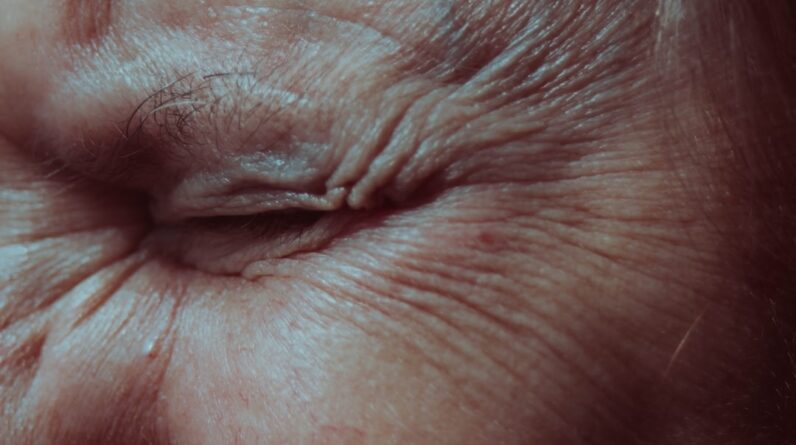
- Photoaging: This refers to the skin changes caused by UV light, distinct from the natural aging process. You’ll notice fine lines, wrinkles, and a loss of skin elasticity. The sun’s rays break down collagen and elastin, the proteins responsible for keeping your skin firm and smooth.
- Hyperpigmentation: Sun exposure often leads to uneven skin tone, commonly known as sunspots or age spots. These are areas where melanin (the pigment that gives skin its color) becomes overproduced in response to UV damage. You might see them as brown or tan patches on your face, hands, and other exposed areas.
- Vascular Changes: The sun can also contribute to the development of visible blood vessels, such as telangiectasias (small, dilated blood vessels) or redness, particularly on the cheeks and nose.
- Increased Risk of Skin Cancer: While not strictly a cosmetic concern, it’s impossible to discuss sun exposure and skin health without acknowledging the increased risk of skin cancer in sunny climates. Rejuvenation treatments can sometimes address the precancerous lesions or early signs of skin cancer.
The Role of Dry Air
Arizona’s arid climate is another significant factor affecting your skin. Low humidity can lead to:
- Dehydration: Your skin loses moisture more rapidly in dry air, which can make fine lines and wrinkles appear more pronounced. You might experience a feeling of tightness or flakiness.
- Compromised Skin Barrier: A dehydrated skin barrier is less effective at protecting itself from environmental aggressors, making it more susceptible to irritation and inflammation.
- Exacerbated Existing Conditions: Conditions like eczema or psoriasis can be worsened by dry air, making the pursuit of comfortable and healthy-looking skin even more important.
The Combined Effect
The combination of intense sun and dry air creates a challenging environment for maintaining youthful and healthy skin. This is precisely why skin rejuvenation services are in demand in areas like Lyons Gate. Treatments are often designed to counteract the effects of both these factors, aiming to restore moisture, improve tone and texture, and address the visible signs of damage.
Common Skin Concerns Addressed by Rejuvenation
When you consider skin rejuvenation, you likely have specific concerns in mind. These are the typical issues that professionals in Lyons Gate address with their clients.
Addressing the Signs of Aging
The natural aging process, accelerated by environmental factors, leads to a range of visible changes that rejuvenation treatments aim to improve.
- Fine Lines and Wrinkles: These are the most common complaints. They develop as collagen and elastin production decreases and due to repetitive facial muscle movements. Rejuvenation aims to stimulate collagen production and smooth the skin’s surface.
- Loss of Elasticity and Firmness: As your skin loses its structural proteins, it can begin to sag, particularly in areas like the jawline and cheeks. Treatments can work to tighten and firm the skin.
- Volume Loss: With age, fat pads in the face can diminish, leading to hollowness in the cheeks or under the eyes. While some rejuvenation treatments can indirectly address this, more advanced procedures might be necessary for significant volume restoration.
Improving Skin Tone and Texture
Beyond wrinkles, changes in skin tone and texture are significant indicators of aging and environmental damage.
- Hyperpigmentation (Sunspots, Age Spots, Melasma): As mentioned, sun damage is a major contributor. Rejuvenation treatments can target and break down excess pigment, leading to a more even complexion. Melasma, a hormonal form of hyperpigmentation, can be more complex to treat but is also addressed.
- Redness and Broken Capillaries: Persistent redness and visible blood vessels can be caused by sun damage, rosacea, or other inflammatory conditions. Treatments can help to reduce redness and target these visible vessels.
- Dullness: Over time, the skin’s natural exfoliation process can slow, leading to a buildup of dead skin cells that make the complexion appear dull. Rejuvenation often involves methods to improve cell turnover and reveal brighter skin.
- Enlarged Pores: While pore size is largely genetic, certain treatments can improve the overall texture and appearance of the skin, making enlarged pores less noticeable.
Addressing Specific Skin Conditions
Certain skin conditions can benefit from rejuvenation approaches, especially when they affect the skin’s appearance.
- Acne Scarring: The textural irregularities left behind by acne can be addressed through various rejuvenation techniques that aim to stimulate collagen remodeling and smooth the skin’s surface.
- Uneven Skin Texture: Beyond specific conditions, general unevenness in skin texture, whether from dryness, sun damage, or past inflammation, can be improved upon.
Types of Skin Rejuvenation Treatments Available
Lyons Gate, like many developed areas, offers a range of skin rejuvenation treatments. These vary in invasiveness, downtime, and the specific concerns they address. You’ll find a spectrum from minimally invasive to more intensive procedures.
Non-Invasive Treatments
These treatments generally require little to no downtime and are suitable for those seeking subtle improvements or preventative care.
- Chemical Peels: You apply a chemical solution to the skin, which exfoliates the outer layers. This can help to improve skin tone, texture, reduce fine lines, and fade hyperpigmentation. Different strengths of peels are available, from superficial to medium depth, with varying levels of downtime.
- Microdermabrasion: This mechanical exfoliation technique uses a device to gently sand away the top layer of dead skin cells. It can improve skin texture, dullness, and superficial discoloration. It’s generally well-tolerated with minimal downtime.
- Facial Treatments (Hydrating, Brightening, Anti-Aging): Professional facials often incorporate a combination of cleansing, exfoliation, extraction (if needed), targeted serums, and masks. These are designed to improve hydration, boost radiance, and provide a relaxing yet effective boost to the skin.
- Light-Based Therapies (IPL, Laser Genesis): Intense Pulsed Light (IPL) treatments use broad-spectrum light to target pigment and redness, improving overall skin tone. Laser Genesis is a non-ablative laser treatment that heats the upper dermis to stimulate collagen production, reduce redness, and improve skin texture. These are typically effective for milder concerns and have little to no downtime.
Minimally Invasive Treatments
These treatments involve a bit more intervention and may require a short recovery period, but often provide more significant results.
- Microneedling: This procedure involves using a device with fine needles to create tiny punctures in the skin. This controlled injury stimulates the body’s natural healing process, promoting collagen and elastin production. It can improve fine lines, wrinkles, acne scars, and overall skin texture.
- Radiofrequency (RF) Treatments (e.g., RF Microneedling): These combine microneedling with radiofrequency energy. The RF energy heats the deeper layers of the skin, further enhancing collagen stimulation and promoting skin tightening.
- Dermal Fillers: These injectable substances (often hyaluronic acid-based) are used to restore lost facial volume, plump up wrinkles and fine lines, and enhance facial contours. They are effective for addressing hollowness and drooping.
- Neurotoxins (e.g., Botox, Dysport): These injectables temporarily paralyze or relax specific muscles that cause dynamic wrinkles (those that appear with facial expressions), such as crow’s feet and frown lines.
More Invasive (but still largely non-surgical) Treatments
These treatments offer more dramatic results but come with more significant downtime and are usually performed by dermatologists or highly trained aestheticians.
- Fractional Laser Resurfacing (Non-Ablative and Ablative): These lasers create microscopic treatment zones in the skin, leaving surrounding tissue intact to promote faster healing. Non-ablative lasers target the deeper layers to stimulate collagen, while ablative lasers remove thin layers of skin. They are highly effective for treating wrinkles, scars, and pigmentation. Downtime varies significantly depending on the type of fractional laser used.
- Platelet-Rich Plasma (PRP) Therapy: Often used in conjunction with microneedling or injectables, PRP involves drawing your blood, processing it to concentrate platelets, and then applying it to the treatment area. Platelets contain growth factors that can aid in skin regeneration and healing.
Choosing a Provider in Lyons Gate
Selecting the right professional for your skin rejuvenation journey in Lyons Gate is a critical step. You’re investing in your appearance and well-being, so due diligence is essential.
Assessing Qualifications and Experience
When you’re looking at clinics or individual practitioners in Lyons Gate, pay attention to their credentials.
- Medical Professionals: For treatments involving injectables, lasers, or more invasive procedures, you generally want to see a licensed physician (dermatologist, plastic surgeon) or a physician’s assistant or nurse practitioner working under their supervision. They possess a deep understanding of facial anatomy, skin physiology, and potential complications.
- Aesthetician Certifications and Training: For non-invasive treatments like facials, microdermabrasion, or basic chemical peels, a certified and experienced aesthetician can be a good choice. Inquire about their specific training in the treatments you’re interested in.
- Experience in Skin Rejuvenation: Look for practitioners who specifically highlight skin rejuvenation as part of their expertise. Ask how long they’ve been performing the treatments you’re considering and if they have before-and-after photos of clients with similar concerns.
The Importance of Consultation
A thorough consultation with any potential provider is non-negotiable. This is your opportunity to assess their approach and for them to understand your needs.
- Understanding Your Concerns: A good provider will listen attentively to your goals, concerns, and expectations. They should ask you detailed questions about your medical history, current skincare routine, and lifestyle.
- Physical Examination: They should perform a comprehensive examination of your skin to assess its current condition, including texture, tone, elasticity, and any existing concerns like pigmentation or fine lines.
- Personalized Treatment Plan: Based on your consultation and examination, they should propose a tailored treatment plan. This plan should clearly outline the recommended procedures, the expected outcomes, potential risks and side effects, the number of sessions required, and the associated costs.
- Answering Your Questions: You should feel comfortable asking any question, no matter how small. A reputable provider will patiently and thoroughly answer all your queries, ensuring you feel informed and confident. Don’t hesitate to ask about their experience with specific devices or techniques.
Evaluating the Clinic Environment
The setting where treatments are performed also matters.
- Cleanliness and Professionalism: The clinic should be clean, well-maintained, and professional in appearance. This reflects their commitment to hygiene and patient safety.
- Technology and Equipment: If you’re considering laser or other device-based treatments, inquire about the types of technology they use. Newer, reputable equipment often leads to better and safer outcomes.
- Customer Service: While not the primary factor, a welcoming and professional reception staff can contribute to your overall experience.
Your Personal Skin Rejuvenation Journey
Embarking on skin rejuvenation is a process that requires careful consideration and realistic expectations. It’s not about achieving an overnight transformation but rather about gradual improvement and maintaining healthier-looking skin.
Setting Realistic Expectations
It’s important to understand what skin rejuvenation can and cannot achieve.
- Subtle vs. Dramatic Results: Non-invasive and minimally invasive treatments typically yield gradual and subtle improvements. For more dramatic results, more advanced procedures might be necessary, and these will come with longer downtime and potentially higher risks.
- Aging is Ongoing: Skin rejuvenation treatments can effectively address existing concerns and slow down the visible signs of aging, but they cannot stop the natural aging process. Continued maintenance and a good skincare routine are essential for long-term results.
- Individual Variability: Every individual’s skin is unique. Your results may differ from those of other people, even with the same treatments. Factors like genetics, lifestyle, and adherence to post-treatment care all play a role.
The Importance of a Consistent Skincare Routine
The treatments you receive in a clinic are only part of the equation. A diligent at-home skincare routine is crucial for supporting and maintaining your rejuvenation efforts.
- Sun Protection: This is arguably the most critical component of any skincare routine, especially in Arizona. Daily use of a broad-spectrum SPF 30 or higher sunscreen is essential to prevent further sun damage and protect your investment in professional treatments.
- Hydration: Using hydrating cleansers, serums, and moisturizers is vital, particularly in Arizona’s dry climate. This will help to plump the skin and reduce the appearance of fine lines.
- Active Ingredients: Depending on your skin concerns, your provider might recommend products containing active ingredients like retinoids, vitamin C, or hydroxy acids. These can help to improve cell turnover, boost collagen, and brighten the complexion.
- Following Post-Treatment Instructions: After any procedure, carefully follow the post-treatment care instructions provided by your practitioner. This typically involves using specific products, avoiding certain activities, and protecting your skin from the sun.
Longevity of Results and Maintenance
The duration of results from skin rejuvenation treatments varies depending on the procedure, your individual response, and ongoing lifestyle factors.
- Maintenance Treatments: Many rejuvenation treatments, particularly those that stimulate collagen, require a series of initial sessions followed by periodic maintenance treatments to sustain the benefits.
- Lifestyle Factors: Factors like smoking, poor diet, excessive alcohol consumption, and stress can negatively impact your skin and accelerate the aging process, potentially diminishing the longevity of your treatment results.
- Ongoing Consultation: Regular check-ins with your chosen provider are beneficial. They can assess your skin’s progress, recommend adjustments to your at-home routine, and suggest further treatments as needed to maintain your desired outcomes.
Your pursuit of skin rejuvenation in Lyons Gate, Arizona, is a proactive step towards addressing the visible effects of your environment and time. By understanding the factors at play, the available treatments, and the importance of choosing qualified professionals and maintaining your skin diligently, you can embark on a journey towards achieving healthier, more refreshed-looking skin.
FAQs
What is skin rejuvenation?
Skin rejuvenation refers to the process of improving the appearance and health of the skin through various treatments and procedures. This can include techniques such as chemical peels, laser therapy, microneedling, and other non-invasive or minimally invasive methods.
What are the benefits of skin rejuvenation?
Skin rejuvenation can help improve skin texture, reduce the appearance of wrinkles and fine lines, minimize sun damage, and even out skin tone. It can also stimulate collagen production, leading to firmer, more youthful-looking skin.
What are the different types of skin rejuvenation treatments available in Lyons Gate, Arizona?
In Lyons Gate, Arizona, individuals can access a variety of skin rejuvenation treatments, including chemical peels, microdermabrasion, laser therapy, microneedling, and injectable treatments such as Botox and dermal fillers. Each treatment targets specific skin concerns and can be tailored to individual needs.
Are skin rejuvenation treatments safe?
When performed by qualified and experienced professionals, skin rejuvenation treatments are generally safe. However, it’s important to consult with a licensed skincare specialist or dermatologist to determine the most suitable treatment for your skin type and concerns.
What should I consider before undergoing skin rejuvenation treatments?
Before undergoing skin rejuvenation treatments, it’s important to discuss your medical history, skin concerns, and expectations with a qualified skincare professional. Additionally, it’s crucial to follow pre and post-treatment care instructions to ensure optimal results and minimize any potential risks.