Regenerative Anti-Aging Therapy in Westridge, Texas
You are likely here because you are exploring options to slow or even reverse the effects of aging. Perhaps you’ve noticed a subtle shift in your energy levels, a few more lines etched into your skin, or a desire to reclaim a vitality that feels just out of reach. Regenerative anti-aging therapy, available in Westridge, Texas, represents a frontier in this pursuit, moving beyond superficial fixes to address the very biological processes that underpin aging. This article will delve into what regenerative anti-aging therapy entails, its potential applications, the science behind it, and what you can expect should you consider exploring these treatments.
At its heart, regenerative anti-aging therapy is about harnessing your body’s own innate ability to repair and regenerate. Think of your body not as a machine that inevitably wears down, but as a remarkably sophisticated ecosystem, capable of renewal. Aging, from this perspective, isn’t a terminal diagnosis but a complex biological process involving cellular damage, reduced regenerative capacity, and a gradual decline in function. Regenerative medicine aims to intervene in this process, using biological materials and techniques to encourage tissue repair, restore function, and ultimately, promote a more youthful and resilient state.
Cellular Senescence: The Aging Clock Within
A key player in the aging process is cellular senescence. Imagine certain cells in your body as ticking time bombs. When cells become damaged or worn out, they can enter a state of senescence, ceasing to divide and releasing inflammatory signals that can disrupt surrounding tissues. These senescent cells accumulate over time, like debris in a well-trodden path, hindering optimal function and contributing to age-related diseases and the visible signs of aging. Regenerative therapies often aim to address senescent cells, either by clearing them out or by promoting the health and function of younger, more vibrant cells.
The Role of Inflammation in Aging
Chronic, low-grade inflammation, often termed “inflammaging,” is another significant factor in aging. As we age, our immune system can become dysregulated, leading to a persistent inflammatory state. This persistent “fire” within the body can damage tissues, accelerate cellular aging, and contribute to a wide range of age-related conditions. Regenerative approaches can work to modulate this inflammatory response, creating a more supportive internal environment for cellular health and repair.
The Body’s Own Repair Kit: Stem Cells and Growth Factors
Your body possesses a remarkable repair kit, primarily composed of stem cells and growth factors. Stem cells are like blank slates, capable of differentiating into various cell types and playing a crucial role in tissue repair and regeneration. Growth factors are signaling molecules that guide and stimulate cellular processes, including cell growth, proliferation, and differentiation. Regenerative therapies often involve introducing or stimulating the activity of these natural repair mechanisms to counteract the effects of aging.
Mesenchymal Stem Cells: Architects of Repair
Mesenchymal stem cells (MSCs) are particularly relevant in regenerative anti-aging. These versatile cells, found in various tissues including bone marrow, adipose tissue, and umbilical cord blood, have the capacity to differentiate into bone, cartilage, and fat cells. More importantly, they possess potent immunomodulatory and anti-inflammatory properties, and they secrete exosomes and growth factors that can stimulate the repair and rejuvenation of damaged tissues.
Growth Factors: The Body’s Messaging System
Growth factors are the messengers that tell your cells what to do. They are proteins that bind to specific receptors on cell surfaces, initiating a cascade of signals that can promote cell division, tissue repair, and the production of essential molecules like collagen and elastin. In the context of anti-aging, understanding and utilizing these growth factors can help reactivate dormant cellular functions and encourage the restoration of youthful tissue characteristics.
Exploring the Applications of Regenerative Anti-Aging Therapies
Regenerative anti-aging therapies are not solely focused on cosmetic improvements. While aesthetic enhancements are a common outcome, the underlying goal is to restore function, improve healthspan, and enhance overall quality of life as you age. The applications span a wide range, from rejuvenating the skin to addressing joint health and even potentially influencing internal organ function.
Aesthetics: Reversing the Visible Signs of Time
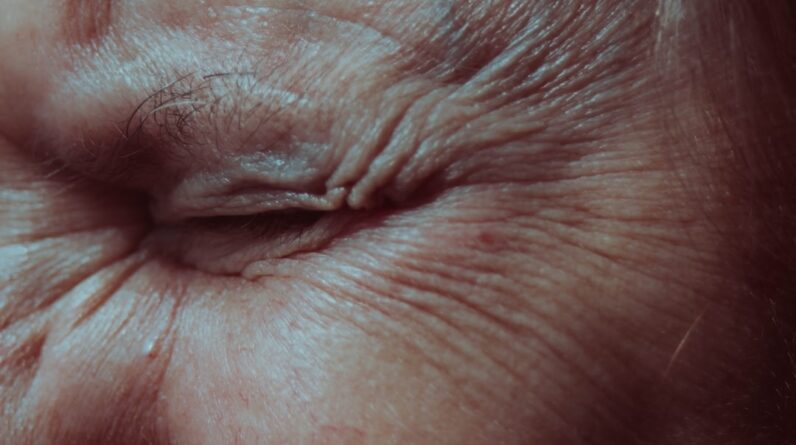
The most visible signs of aging often manifest on the skin. Fine lines, wrinkles, loss of elasticity, and age spots can all be targeted by regenerative therapies. By stimulating collagen and elastin production, promoting cellular turnover, and improving skin hydration, these treatments can help to achieve a more youthful and radiant complexion. Think of your skin as a canvas; regenerative therapies aim to replenish the pigments and smooth the brushstrokes, restoring the vibrancy of the original artwork.
Skin Rejuvenation and Wrinkle Reduction
Treatments utilizing growth factors, platelet-rich plasma (PRP), or other regenerative components can significantly improve the appearance of wrinkles and fine lines. They work by kickstarting the skin’s natural repair processes, encouraging the production of new collagen and elastin, the very proteins that give skin its firmness and elasticity. This is not about filling in lines temporarily, but about fostering a deeper, more fundamental restoration of skin structure.
Scar Revision and Texture Improvement
Beyond wrinkles, regenerative therapies can also be effective in improving the appearance of scars and uneven skin texture. The regenerative capacity of these treatments can help to remodel scar tissue, making it less noticeable, and promote a smoother, more even skin surface.
Joint Health and Mobility: Restoring Fluid Movement
As we age, our joints can become a source of discomfort and reduced mobility. Osteoarthritis, a degenerative joint disease, is characterized by the breakdown of cartilage, leading to pain, stiffness, and reduced range of motion. Regenerative therapies offer a promising avenue for addressing these issues by promoting the repair of damaged cartilage and reducing inflammation within the joint.
Osteoarthritis Management
Injections of therapies like PRP or stem cells into affected joints can help to alleviate pain and improve function in individuals with osteoarthritis. These treatments can stimulate the body’s healing mechanisms, potentially reducing inflammation and encouraging the repair of damaged joint tissues. The goal is to try and regenerate the cushioning and lubrication that time may have eroded.
Tendon and Ligament Repair
Regenerative medicine also holds promise for accelerating the healing of tendon and ligament injuries. These tissues have a limited capacity for self-repair, and regenerative therapies can provide the necessary biological signals to enhance their healing process, potentially reducing recovery time and improving long-term outcomes.
Overall Vitality and Well-being: A Holistic Approach
Beyond specific aesthetic or physical concerns, regenerative anti-aging therapy can contribute to a general sense of increased vitality and well-being. By optimizing cellular function and reducing systemic inflammation, these therapies can potentially influence energy levels, cognitive function, and overall resilience to stress.
Enhancing Energy Levels and Reducing Fatigue
Many individuals seeking regenerative anti-aging treatments report improvements in energy levels and a reduction in the pervasive fatigue that can accompany aging. This may be attributed to improved cellular function, better nutrient utilization, and a reduction in the inflammatory burden on the body.
Cognitive Health and Mental Clarity
Emerging research suggests a potential link between regenerative approaches and improved cognitive function. By supporting neural health and reducing inflammation, these therapies may play a role in maintaining mental clarity and sharpness as you age.
The Science Underpinning Regenerative Therapies
The field of regenerative medicine is built upon a foundation of rigorous scientific research. Understanding the biological mechanisms at play is crucial to appreciating the potential and limitations of these therapies. The science is constantly evolving, but key principles guide the development and application of regenerative treatments.
Cellular Signaling Pathways: The Body’s Communication Network
Cellular signaling pathways are akin to the intricate communication network within your body. They are the complex series of molecular interactions that cells use to receive, process, and transmit information. Regenerative therapies often work by modulating these pathways to promote healing, reduce inflammation, and encourage cellular regeneration.
The JAK-STAT Pathway and Inflammation Control
The Janus kinase-signal transducer and activator of transcription (JAK-STAT) pathway is a critical signaling cascade involved in immune responses and inflammation. Many regenerative therapies aim to modulate this pathway to dampen excessive inflammation and promote a more balanced immune response, which is essential for healthy aging.
Exosomes: Tiny Messengers of Regeneration
Exosomes are small, membrane-bound vesicles released by cells that carry a variety of bioactive molecules, including proteins, lipids, and nucleic acids. They act as intercellular communicators, delivering signals to neighboring cells. Regenerative therapies often leverage the power of exosomes, particularly those derived from stem cells, for their potent regenerative and anti-inflammatory properties. Think of exosomes as microscopic delivery trucks, carrying vital cargo to repair and rejuvenate tissues.
Exosome Therapy: A New Frontier
Exosome therapy is a rapidly developing area of regenerative medicine. By isolating and administering exosomes from healthy sources, clinicians aim to convey specific therapeutic signals to target tissues, promoting repair and regeneration without the complexities associated with whole cell transplantation.
Gene Expression and Epigenetics: Modifying the Blueprint
While regenerative therapies do not typically alter your fundamental DNA sequence, they can influence gene expression. Epigenetics refers to changes in gene activity that do not involve alterations to the underlying DNA sequence. These changes can be influenced by lifestyle, environment, and external stimuli, including regenerative treatments. By influencing gene expression, these therapies can awaken dormant regenerative potential within your cells.
The Role of MicroRNAs
MicroRNAs (miRNAs) are small non-coding RNA molecules that play a crucial role in regulating gene expression. They can bind to messenger RNA (mRNA) molecules, either degrading them or preventing them from being translated into proteins. Exosomes are rich in miRNAs, and their cargo can profoundly influence the gene expression profiles of recipient cells, supporting regenerative processes.
What to Expect from Regenerative Anti-Aging Therapy in Westridge, Texas
Considering regenerative anti-aging therapy is a significant decision. It’s important to approach it with informed expectations and a clear understanding of the process. Westridge, Texas, offers access to clinics and practitioners specializing in these advanced treatments.
The Consultation Process: Your Personalized Roadmap
Your journey will likely begin with a comprehensive consultation. This is where you’ll have the opportunity to discuss your health goals, concerns, and medical history with a qualified practitioner. They will assess your suitability for specific regenerative therapies and develop a personalized treatment plan tailored to your unique needs. This consultation is your chance to ask questions and ensure you feel comfortable and well-informed.
Medical History Review and Lifestyle Assessment
A thorough review of your medical history is paramount to ensure safety and efficacy. Additionally, a discussion about your lifestyle, including diet, exercise, and sleep patterns, will provide a holistic understanding of your overall health and help in tailoring the treatment approach.
Goal Setting and Treatment Planning
Clearly defining your desired outcomes is essential. Whether your focus is on skin rejuvenation, joint pain relief, or improved vitality, setting realistic goals will guide the development of your treatment plan. The practitioner will explain the proposed therapies, their expected benefits, potential risks, and the anticipated timeline.
Treatment Modalities: A Spectrum of Options
Regenerative anti-aging encompasses a variety of treatment modalities. The specific therapies recommended will depend on your individual needs and goals. These can range from in-office procedures to more complex cellular therapies.
Platelet-Rich Plasma (PRP) Therapy
PRP therapy involves drawing a small amount of your blood, processing it to concentrate the platelets, and then injecting the PRP into the target area. Platelets are rich in growth factors that stimulate healing and regeneration. This is a widely used and accessible regenerative treatment.
Stem Cell Therapies
Stem cell therapies can involve the use of mesenchymal stem cells derived from your own body (autologous) or from a donor source (allogeneic). These cells have the potential to differentiate into various cell types and secrete factors that promote tissue repair and reduce inflammation.
Exosome Therapy Procedures
Exosome therapy utilizes exosomes isolated from sources like stem cells. These potent signaling molecules are administered to stimulate cellular repair and regeneration in targeted areas.
Post-Treatment Care and Expected Outcomes
Following your regenerative therapy, proper post-treatment care is essential to optimize results and ensure a smooth recovery. Your practitioner will provide detailed instructions. The expected outcomes can vary depending on the individual and the specific treatments received.
Recovery and Downtime Expectations
The recovery period and any potential downtime will depend on the specific procedures performed. Some treatments may require minimal recovery, while others might involve a short period of rest and limited activity.
Long-Term Benefits and Maintenance
The benefits of regenerative anti-aging therapies are often cumulative and can continue to develop over time. Many individuals find that a series of treatments or periodic maintenance sessions yield the best long-term results. The goal is not a quick fix, but a sustainable improvement in your body’s ability to regenerate and maintain its youthful function.
Regenerative anti-aging therapy in Westridge, Texas, offers a sophisticated and science-backed approach to addressing the aging process. By understanding the underlying principles and exploring the diverse applications, you can make informed decisions about investing in your health and well-being for years to come.
FAQs
What is regenerative anti-aging therapy?
Regenerative anti-aging therapy involves treatments designed to restore and rejuvenate the body’s cells and tissues to slow down or reverse the effects of aging. These therapies often use stem cells, growth factors, or platelet-rich plasma (PRP) to promote healing and regeneration.
What types of treatments are offered in Westridge, TX for regenerative anti-aging?
In Westridge, TX, regenerative anti-aging treatments may include stem cell therapy, PRP injections, hormone replacement therapy, and other advanced procedures aimed at improving skin elasticity, reducing wrinkles, and enhancing overall vitality.
Who is a good candidate for regenerative anti-aging therapy?
Good candidates are typically adults experiencing signs of aging such as wrinkles, joint pain, or decreased energy levels. Candidates should be in generally good health and have realistic expectations about the outcomes of the therapy.
Are regenerative anti-aging therapies safe?
When performed by qualified medical professionals, regenerative anti-aging therapies are generally considered safe. However, as with any medical procedure, there may be risks or side effects, so it is important to consult with a healthcare provider to determine suitability.
How long does it take to see results from regenerative anti-aging therapy?
Results can vary depending on the type of treatment and individual factors. Some patients may notice improvements within a few weeks, while others may require several months to see the full benefits of the therapy. Regular follow-up treatments may be recommended for optimal results.