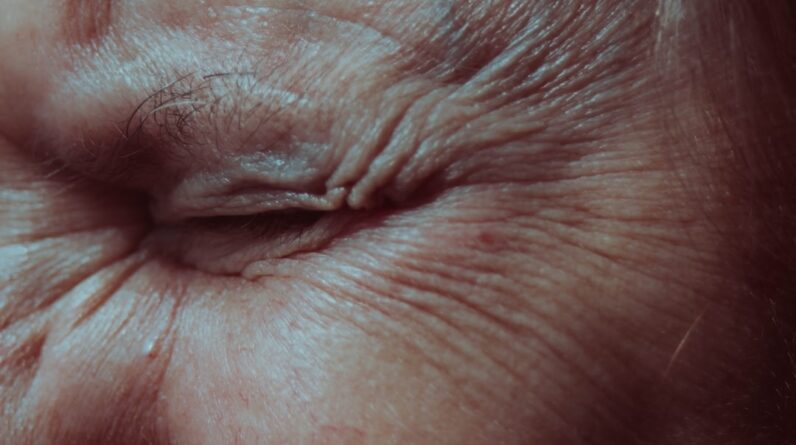
You’re likely here because you’ve noticed them: those subtle etchings that appear on your skin as time marches on, the fine lines and wrinkles that tell a story of laughter, sun exposure, and the simple passage of years. You’re seeking solutions, and the term “marine collagen” has surfaced. This article aims to provide a factual, in-depth look at marine collagen’s role in addressing these common signs of aging, serving as your guide through the science and potential benefits.
Your skin is a dynamic organ, a complex tapestry woven with cells, proteins, and lipids. Its youthful resilience and smooth appearance are largely due to the structural integrity provided by collagen. Collagen is the most abundant protein in your body, acting as the scaffolding that holds your skin together, giving it firmness and elasticity. Think of it as the concrete and rebar within a building; without it, the structure begins to sag and bow.
The Natural Decline of Collagen
As you age, a natural biological process occurs: your body’s ability to produce new collagen diminishes. This decline typically begins in your mid-twenties and accelerates over time. Several factors contribute to this reduction, acting like tireless agents chipping away at your skin’s internal support system.
Intrinsic Aging: The Hand of Time
This is the genetic blueprint that dictates the aging process. It’s an internal clock that slows down collagen synthesis and increases its breakdown. You cannot outrun your genes, but understanding this intrinsic factor provides context for why skin changes occur universally.
Extrinsic Aging: Environmental Assaults
Beyond your internal clock, external factors play a significant role in accelerating skin aging. These are the environmental stressors that you can, to some extent, control or mitigate.
Ultraviolet (UV) Radiation: The Sun’s Harsh Rays
Exposure to the sun’s ultraviolet radiation is a primary culprit in premature skin aging. UV rays penetrate the skin and damage collagen fibers, breaking them down and leading to loss of elasticity. This damage can manifest as wrinkles, age spots, and a leathery texture. Imagine the sun as a relentless sculptor, constantly eroding the smooth surface of your skin.
Smoking: A Toxic Habit
Smoking introduces a cocktail of harmful chemicals into your body, significantly impacting collagen production and health. Nicotine constricts blood vessels, reducing oxygen and nutrient supply to the skin, while free radicals generated by smoking further degrade collagen. It’s akin to introducing an aggressive corrosive agent to your skin’s support structure.
Poor Nutrition: Fueling the Decline
A diet lacking in essential nutrients can hinder your body’s ability to produce and maintain collagen. Vitamins C and E, zinc, and copper, for example, are vital cofactors in collagen synthesis. Without adequate “building materials,” the construction of new collagen proceeds at a snail’s pace.
The Visible Manifestations: Fine Lines and Wrinkles
The cumulative effect of collagen loss and degradation is the emergence of fine lines and wrinkles. These are not merely superficial blemishes; they are an indication of diminished structural support beneath the skin’s surface.
Differentiating Fine Lines and Wrinkles
Fine lines
FAQs
What is marine collagen and how does it differ from other types of collagen?
Marine collagen is a type of collagen derived from the skin, scales, and bones of fish and other marine life. It is primarily composed of Type I collagen, which is the most abundant collagen in human skin. Compared to bovine or porcine collagen, marine collagen is known for its smaller peptide size, which may enhance absorption and bioavailability.
How does marine collagen help reduce fine lines and wrinkles?
Marine collagen supports skin elasticity and hydration by stimulating the body’s natural collagen production. This can help improve skin texture, reduce the appearance of fine lines and wrinkles, and promote a more youthful complexion over time.
Is marine collagen safe to use for all skin types?
Yes, marine collagen is generally considered safe for most skin types. However, individuals with fish allergies should avoid marine collagen products to prevent allergic reactions. It is always recommended to perform a patch test or consult a healthcare professional before starting any new supplement or skincare regimen.
How should marine collagen be used for best results against fine lines and wrinkles?
Marine collagen can be taken as a dietary supplement in powder, capsule, or liquid form, or applied topically in skincare products. Consistent use over several weeks or months is typically necessary to see visible improvements. Combining marine collagen with a healthy diet, adequate hydration, and sun protection can enhance its effectiveness.
Are there any scientific studies supporting the effectiveness of marine collagen for skin aging?
Yes, several clinical studies have demonstrated that marine collagen supplementation can improve skin elasticity, hydration, and reduce wrinkles. These studies suggest that marine collagen peptides stimulate fibroblast activity, leading to increased collagen synthesis in the skin, which helps counteract signs of aging.