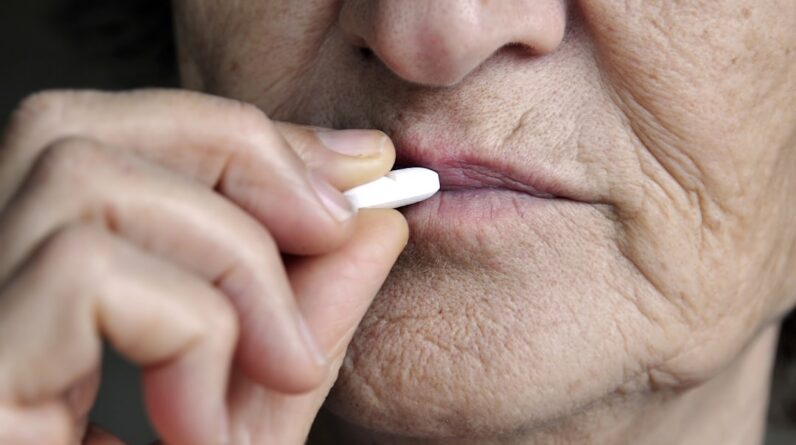
You’re likely here because you’ve noticed the subtle (or not so subtle) shifts in your skin as the years have stacked up. Perhaps you see a landscape that was once smooth and taut now showing the gentle undulations of time – fine lines as whisper-thin rivers, and deeper creases like the established valleys. You’re seeking solutions, and marine collagen has emerged as a notable contender in the realm of skincare interventions for aging. This article aims to provide you with a factual examination of marine collagen’s purported benefits for your skin, moving beyond the glossy headlines to explore the science and efficacy.
Your skin, at its core, is an intricate biological textile, and collagen is one of its principal warp and weft threads. It’s the most abundant protein in your body, acting as a structural scaffolding that gives your skin its strength, resilience, and elasticity. Think of it as the invisible framework holding your home together, preventing it from sagging or becoming brittle.
The Three-Dimensional Architecture of Skin
Your skin, particularly the dermis, is a multi-layered organ. The outer layer, the epidermis, is your protective shield. Beneath it lies the dermis, a rich connective tissue matrix. This is where collagen truly reigns supreme, alongside elastin (responsible for your skin’s springiness) and hyaluronic acid (which plumps and hydrates). Collagen fibers are arranged in a complex, interwoven network, providing a robust yet flexible support system. This organized structure is crucial for maintaining a smooth, firm, and youthful appearance.
The Natural Decline: Aging and Collagen Depletion
As you move through life, your body’s natural collagen production begins a gradual, inevitable decline. This process typically starts in your late twenties and accelerates with age. Several factors contribute to this decrease:
Intrinsic Aging: The Internal Clock
This is the built-in aging process, dictated by your genetics and cellular clock. Over time, fibroblasts, the cells responsible for producing collagen, become less efficient. The quality of collagen produced may also degrade, becoming shorter and less organized. This is akin to a skilled artisan whose workshop is aging, with fewer apprentices and less potent tools for crafting their masterpiece.
Extrinsic Aging: Environmental Assaults
Your skin is constantly under siege from external factors that can hasten collagen breakdown. These include:
- Ultraviolet (UV) Radiation: Sunlight is a significant culprit. UV rays penetrate the dermis and damage collagen fibers, leading to photodamage, characterized by wrinkles, leathery skin, and age spots. Think of UV radiation as a relentless sculptor, chipping away at your skin’s structure.
- Pollution: Airborne pollutants can generate free radicals, unstable molecules that wreak havoc on your cells, including collagen. These free radicals act like tiny vandals, destabilizing your skin’s structural integrity.
- Lifestyle Choices: Smoking and excessive alcohol consumption can negatively impact collagen production and accelerate its degradation. Toxins from smoking, for instance, can impair blood flow to the skin, starving the fibroblasts of essential nutrients and oxygen.
The cumulative effect of this decline is what you visually perceive as aging skin: the loss of plumpness, the emergence of wrinkles and fine lines, a decrease in firmness, and a less radiant complexion.
Marine Collagen: A Deep Dive into Its Source and Composition
Marine collagen is derived from the skin, scales, and bones of fish. It’s primarily sourced from wild-caught fish like cod, snapper, and tilapia, or from farmed species. The appeal of marine collagen lies in its perceived purity and its specific type-1 collagen content, which is the most abundant form found in human skin.
The Types of Collagen and Their Significance
Collagen exists in various types, each with a unique structure and function. While over 28 types have been identified, three are most prevalent in the human body:
Type I Collagen: The Skin’s Backbone
This is the most abundant collagen type in your skin, making up approximately 80-90% of its collagen content. Type I collagen is characterized by its strong, fibrous structure, providing tensile strength and integrity to your skin. It’s the primary building block that keeps your skin firm and smooth.
Type II Collagen: Primarily in Cartilage
This type is predominantly found in your cartilage and plays a crucial role in joint health. It’s less relevant to skin aging.
Type III Collagen: Found Alongside Type I
Type III collagen is often found alongside Type I collagen, especially in younger skin. While it contributes to the supple elasticity of the skin, its proportion decreases with age relative to Type I.
Why Marine-Derived Type I Collagen?
The focus on marine collagen, specifically type I, stems from the fact that it closely mirrors the type I collagen found in your skin. The rationale is that by supplementing with collagen that is structurally similar to your own, your body can more readily utilize it. Unlike bovine or porcine collagen, which can contain a mix of collagen types and is associated with a higher risk of zoonotic disease transmission (though this risk is generally low with proper processing), marine collagen is often perceived as a cleaner and potentially safer alternative.
Hydrolysis and Bioavailability: Making the Protein Usable
Raw collagen is a large, complex molecule that your digestive system struggles to break down effectively. To enhance its absorption and utilization, marine collagen undergoes a process called hydrolysis. This involves breaking down the large collagen proteins into smaller peptide fragments, known as collagen peptides or hydrolyzed collagen.
The Importance of Peptides
These smaller peptides are more easily absorbed in your intestines and then transported into your bloodstream. From there, they can theoretically be distributed to various tissues, including your skin, where they may stimulate your body’s own collagen production. Think of hydrolysis as pre-digesting the protein, making it a readily available building material for your cells. The size of these peptides matters; smaller peptides are generally considered to be more bioavailable.
Proposed Mechanisms of Action: How Marine Collagen Might Benefit Your Skin
The proposed benefits of marine collagen for aging skin are rooted in the idea that by introducing these collagen peptides, you’re providing your body with the raw materials and signaling molecules to bolster its own collagen synthesis and support existing collagen structures.
Stimulating Fibroblast Activity: The Cellular Construction Crew
One of the primary proposed mechanisms involves the direct stimulation of fibroblasts. Collagen peptides, upon absorption, are thought to act as signaling molecules that “tell” your fibroblasts to ramp up their collagen production. This is like sending out a memo to your cellular construction crew, reminding them to get back to work and build more infrastructure.
Amino Acid Supply: The Building Blocks
Collagen peptides are rich in specific amino acids, such as glycine, proline, and hydroxyproline. These amino acids are the fundamental building blocks for synthesizing new collagen. By consuming marine collagen, you are essentially providing your body with a readily accessible supply of these crucial components, making the construction of new collagen fibers more efficient.
Supporting Existing Collagen Networks: Reinforcing the Structure
Beyond stimulating new production, marine collagen peptides may also play a role in protecting and reinforcing the existing collagen matrix in your skin.
Antioxidant Properties: Fighting Off Invaders
Some components and amino acids within marine collagen exhibit antioxidant properties. These antioxidants can help neutralize harmful free radicals, which, as discussed, are major contributors to collagen degradation. By acting as a natural defense mechanism, they can help preserve the integrity of your existing collagen.
Anti-inflammatory Effects: Soothing the Environment
Inflammation can also contribute to collagen breakdown. Certain peptides derived from marine collagen have demonstrated anti-inflammatory effects, which could indirectly benefit skin health by reducing the inflammatory processes that damage collagen.
Improving Skin Hydration and Elasticity: The Plumping Effect
While collagen primarily provides structural support, its presence in the dermis is intrinsically linked to skin hydration and elasticity.
Glycosaminoglycans (GAGs) Production
Collagen synthesis is intertwined with the production of other key components of the extracellular matrix, such as glycosaminoglycans (GAGs), which include hyaluronic acid. By stimulating collagen production, marine collagen might indirectly support increased GAG synthesis, leading to better water retention within the skin, resulting in a plumper, more hydrated appearance.
Cross-linking of Collagen Fibers
Healthy, younger skin has well-organized collagen fibers that are properly cross-linked, providing strength and resilience. As we age, this cross-linking can become irregular or diminish. It is hypothesized that the availability of specific amino acids from marine collagen could contribute to more optimal collagen fiber organization and potentially the formation of stronger cross-links, thereby improving skin elasticity.
Scientific Evidence: What Studies Say About Marine Collagen and Skin
The market for marine collagen supplements is substantial, and with that comes a growing body of research aimed at substantiating its claims. However, it’s crucial to approach this evidence with a discerning eye, distinguishing between robust clinical trials and preliminary or industry-sponsored studies.
Oral Supplementation Trials: Direct Evidence
Numerous studies have investigated the effects of oral marine collagen supplementation on skin parameters. These trials often involve administering a daily dose of hydrolyzed collagen to participants and assessing changes in their skin over several weeks or months.
Key Findings from Human Studies
Research, often involving hydrolyzed marine collagen peptides, has reported several positive outcomes, including:
- Improvements in Skin Hydration: Many studies have indicated a statistically significant increase in skin hydration levels following regular ingestion of marine collagen supplements. This effect is likely linked to the aforementioned potential increase in hyaluronic acid production.
- Reduction in Wrinkle Depth and Fine Lines: Several clinical trials have shown a reduction in the appearance of wrinkles, particularly fine lines, in participants who have taken marine collagen supplements. Assessments are often made using specialized imaging techniques or subjective scoring by dermatologists.
- Enhanced Skin Elasticity and Firmness: Some studies have reported improvements in skin elasticity and a perceived increase in skin firmness. This suggests that the collagen peptides might be contributing to the structural integrity of the dermis.
- Increased Collagen Density: Objective measurements, such as those obtained through ultrasound or other imaging modalities, have sometimes indicated an increase in collagen density in the dermis after supplementation.
- Improved Skin Radiance: Participants in some studies have reported a brighter and more radiant complexion, which could be a consequence of improved hydration and reduced signs of aging.
Considerations Regarding Study Design
It is important to acknowledge certain considerations when evaluating these studies:
- Sample Size: Some studies have relatively small sample sizes, which can limit the generalizability of their findings.
- Duration of Supplementation: The duration of these studies varies. Longer-term studies are needed to fully understand the sustained effects of marine collagen supplementation.
- Dosage and Formulation: The efficacy of marine collagen can be influenced by the dosage, the molecular weight of the peptides, and the specific formulation of the supplement.
- Industry Sponsorship: While not inherently invalid, it is worth noting when studies are funded or conducted by companies that produce collagen supplements. Independent research is often considered the gold standard.
Topical Application: A Different Approach
While oral supplementation is the predominant method of consuming marine collagen for skin benefits, you may also encounter topical marine collagen products. The scientific rationale for topical application is different.
Penetration Challenges
The molecular size of intact collagen proteins makes it difficult for them to penetrate the epidermal barrier and reach the dermis where collagen production and synthesis occur. While hydrolyzed collagen peptides are smaller, their ability to effectively penetrate the stratum corneum (the outermost layer of the epidermis) to a significant degree and exert a direct stimulating effect on fibroblasts remains a subject of ongoing research and debate.
Moisturizing and Film-Forming Properties
Topical collagen, particularly in its hydrolyzed form or in formulations containing it, can potentially act as a humectant, attracting and retaining moisture on the skin’s surface, thus providing a temporary plumping and smoothing effect. It can also contribute to a more emollient feel and create a protective film on the skin. However, its role in stimulating endogenous collagen synthesis when applied topically is less definitively established compared to oral supplementation.
Comparing Marine Collagen to Other Sources
The literature also explores comparisons between marine, bovine, and porcine collagen.
Type Specificity and Safety
As mentioned, marine collagen is primarily type I, aligning well with human skin. Bovine collagen often contains types I and III, while porcine collagen can also vary in type. From a safety perspective, concerns about potential prion diseases (like Bovine Spongiform Encephalopathy or BSE) have historically led some consumers to prefer marine over bovine sources, although regulatory measures have significantly reduced this risk for approved products.
Absorption and Efficacy
Studies exploring the comparative absorption and efficacy of different collagen sources are ongoing. Currently, there is no definitive consensus that one source is unequivocally superior in terms of biological activity, beyond its type composition. The quality of processing and the degree of hydrolysis are likely more critical factors.
Potential Benefits for Aging Skin: A Summary of Evidence-Based Outcomes
| Benefit | Description | Metric / Data | Source / Study |
|---|---|---|---|
| Improved Skin Elasticity | Enhances skin’s ability to stretch and return to original shape, reducing sagging. | Up to 15% increase in skin elasticity after 8 weeks of supplementation | Journal of Cosmetic Dermatology, 2015 |
| Reduction in Wrinkle Depth | Decreases the depth and appearance of fine lines and wrinkles. | Average 20% reduction in wrinkle depth after 12 weeks | Skin Pharmacology and Physiology, 2014 |
| Increased Skin Hydration | Improves moisture retention leading to plumper, more hydrated skin. | Up to 28% increase in skin hydration levels | Nutrition Journal, 2018 |
| Enhanced Collagen Density | Stimulates natural collagen production, increasing skin firmness. | Collagen density increased by 65% after 12 weeks | Journal of Medicinal Food, 2019 |
| Improved Skin Texture | Smoother skin surface with reduced roughness and dryness. | Significant improvement in skin texture scores after 8 weeks | Clinical Interventions in Aging, 2017 |
Based on the existing scientific literature, marine collagen supplementation shows promise as an adjunct therapy for addressing some of the visible signs of aging skin.
Addressing the Loss of Skin Firmness and Elasticity
The decline in collagen is a primary driver of sagging skin and reduced elasticity. By providing your body with the necessary amino acids and potentially signaling peptides, marine collagen aims to bolster the skin’s structural support system.
Restoring the Dermal Scaffold
Imagine your skin’s dermis as a well-organized matrix of scaffolding. As collagen depletes, this scaffolding weakens, leading to a loss of structural integrity. Marine collagen, by supporting the fibroblasts
FAQs
What is marine collagen and how is it different from other types of collagen?
Marine collagen is a type of collagen derived from the skin, scales, and bones of fish and other marine life. It is primarily composed of Type I collagen, which is the most abundant collagen in human skin. Compared to bovine or porcine collagen, marine collagen has smaller peptides, which may allow for better absorption and bioavailability in the body.
How does marine collagen benefit aging skin?
Marine collagen helps improve skin elasticity, hydration, and firmness, which tend to decline with age. It supports the skin’s natural structure by stimulating collagen production, reducing the appearance of wrinkles and fine lines, and promoting a more youthful and radiant complexion.
Is marine collagen safe to use for all skin types?
Yes, marine collagen is generally considered safe for most skin types when taken as a supplement or used in topical products. However, individuals with fish allergies should avoid marine collagen to prevent allergic reactions. It is always advisable to consult a healthcare professional before starting any new supplement.
How should marine collagen be taken for best results?
Marine collagen is commonly available in powder, capsule, or liquid form. For best results, it is recommended to take marine collagen supplements consistently, often daily, as part of a balanced diet. Some studies suggest that combining collagen intake with vitamin C can enhance collagen synthesis in the skin.
Are there any scientific studies supporting the effectiveness of marine collagen for aging skin?
Yes, several clinical studies have demonstrated that marine collagen supplementation can improve skin hydration, elasticity, and reduce wrinkles in aging skin. These studies support the role of marine collagen in promoting skin health and slowing visible signs of aging when used regularly over a period of weeks to months.