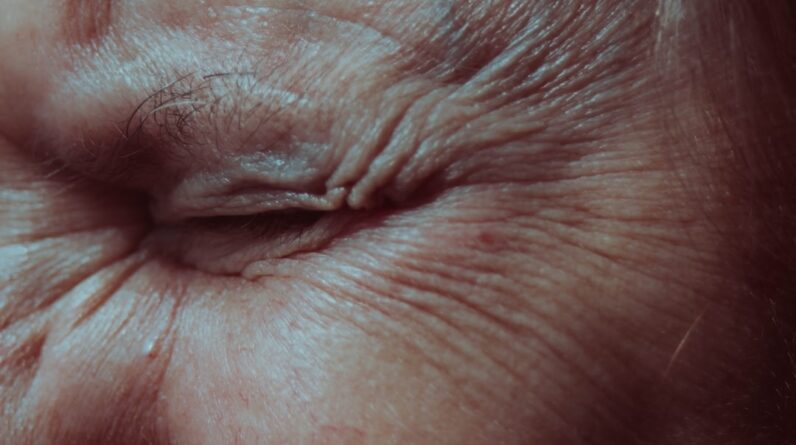
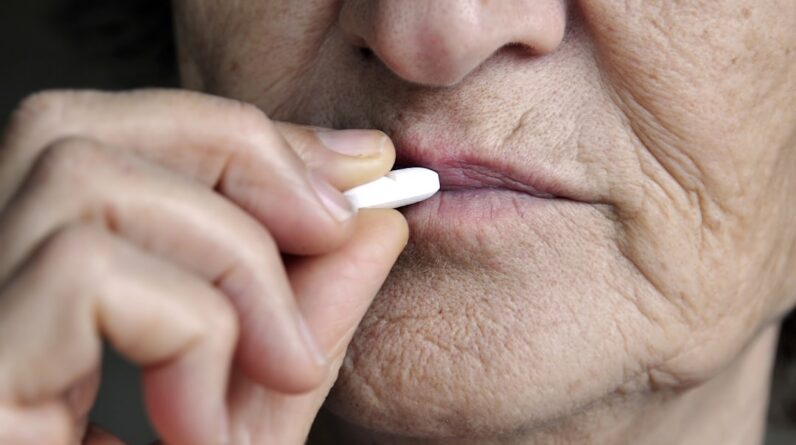
You are likely here because you’ve noticed changes in your skin. Perhaps you see the fine lines that now etch themselves into your reflection, or the subtle loss of firmness that once defined your facial contours. These are common experiences as you navigate maturity, and it’s natural to seek out solutions that can help your skin regain some of its lost vitality. One ingredient that has gained considerable attention in this realm is hydrolyzed collagen. This article aims to provide you with a factual, in-depth understanding of what hydrolyzed collagen is, how it might benefit your mature skin, and what you should consider before incorporating it into your skincare routine.
Collagen is not just another buzzword in the world of skincare; it is a fundamental structural protein that forms the building blocks of your skin, as well as other connective tissues in your body. Think of it as the scaffolding that supports your skin’s architecture, providing its strength, elasticity, and plumpness. The three-dimensional network of collagen fibers is crucial for maintaining a youthful appearance.
The Collagen Matrix: A Three-Dimensional Support System
Your skin is composed of three primary layers: the epidermis (the outermost layer), the dermis (the middle layer), and the hypodermis (the deepest layer). The dermis is where the majority of your collagen resides. Here, collagen fibers are intricately woven together to create a robust and resilient matrix. This matrix acts as a natural reservoir, holding moisture and providing the structural integrity that prevents your skin from sagging. The arrangement and quality of these fibers directly influence how smooth, firm, and supple your skin feels and appears.
Types of Collagen and Their Significance
There are numerous types of collagen within the human body, but for skin health, types I and III are particularly important. Type I collagen is the most abundant, making up approximately 75-80% of your skin’s collagen. It is the primary structural component of the dermis, contributing significantly to tensile strength and firmness. Type III collagen is also prevalent in young skin and is often found alongside type I. It plays a role in elasticity and the texture of the skin. As you age, the production of both types I and III collagen naturally declines, leading to the visible signs of aging.
The Natural Decline of Collagen Production
The process of collagen synthesis, while continuous, begins to slow down as you enter your 20s and 30s. This gradual depletion is exacerbated by intrinsic and extrinsic factors. Intrinsic aging, the natural aging process dictated by your genes, leads to a reduced synthesis rate and a breakdown of existing collagen. Extrinsic factors, such as exposure to ultraviolet (UV) radiation from the sun, pollution, smoking, and poor nutrition, can accelerate this degradation process. UV radiation, in particular, is a potent enemy of collagen, damaging its fibers and hindering new production. This decline is akin to a building’s scaffolding gradually weakening over time, leading to visible structural compromises.
What is Hydrolyzed Collagen?
Hydrolyzed collagen, also known as collagen peptides or collagen hydrolysate, is essentially collagen that has been broken down into smaller, more easily digestible and absorbable components. This breakdown process typically involves using enzymes or acids to cleave the long protein chains of collagen into shorter peptides. The goal of this hydrolysis is to make the collagen more bioavailable, meaning your body can utilize it more effectively.
The Hydrolysis Process: Breaking Down the Protein Chains
The native collagen molecule
FAQs
What is hydrolyzed collagen?
Hydrolyzed collagen is collagen that has been broken down into smaller peptides and amino acids, making it easier for the body to absorb and utilize. It is commonly used in supplements and skincare products to support skin health.
How does hydrolyzed collagen benefit mature skin?
Hydrolyzed collagen can help improve skin elasticity, hydration, and reduce the appearance of wrinkles in mature skin by providing the necessary building blocks for collagen synthesis and skin repair.
Is hydrolyzed collagen safe to use for all skin types?
Yes, hydrolyzed collagen is generally safe for all skin types. However, individuals with allergies or sensitivities should check product ingredients and consult a healthcare professional if unsure.
How long does it take to see results from using hydrolyzed collagen?
Results can vary, but many people notice improvements in skin texture and hydration after 4 to 8 weeks of consistent use, whether through oral supplements or topical products.
Can hydrolyzed collagen be combined with other skincare ingredients?
Yes, hydrolyzed collagen can be combined with other skincare ingredients such as hyaluronic acid, vitamin C, and peptides to enhance skin hydration, collagen production, and overall skin health.