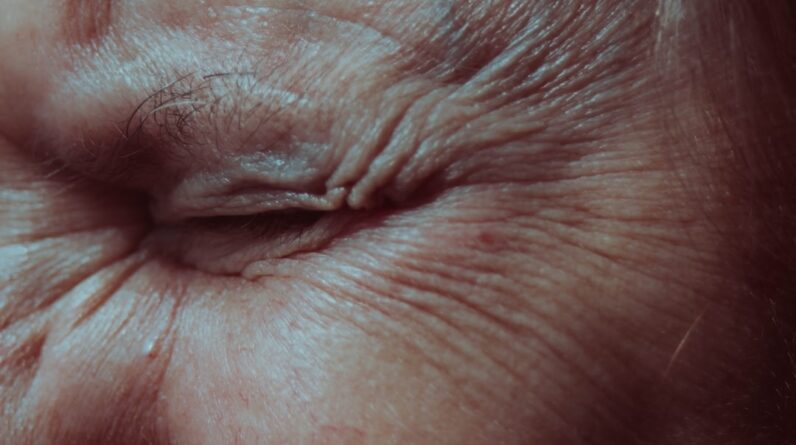
You’re noticing them. Those fine lines, like tiny etchings around your eyes or mouth, that seem to appear with each passing year. They are a natural part of the aging process, akin to the rings within a tree, each one telling a story of time. But if you’re seeking ways to soften these markers and restore a more youthful appearance, you’ve likely encountered the term “hydrolyzed collagen.” This article will serve as your guide, breaking down what hydrolyzed collagen is, how it might work to reduce fine lines, and what scientific evidence supports these claims, all presented in a factual, informative manner. Think of this as your personal roadmap through the landscape of collagen supplementation.
Before delving into its hydrolyzed form, it’s crucial to understand native collagen itself. Imagine your body as a magnificent building. Collagen is the mortar and the steel beams that provide its structure and elasticity, the very foundation upon which everything else is built. It’s the most abundant protein in your body, making up a significant percentage of your skin, bones, tendons, ligaments, and even your organs.
The Three-Dimensional Marvel
- Primary Structure: At its most basic, collagen is composed of amino acids. These amino acids link together in specific sequences to form long, helical chains. Think of these chains as individual threads.
- Secondary and Tertiary Structure: These individual chains then twist and coil into a triple helix, a robust, rope-like structure. This triple helix is the fundamental unit of collagen, providing immense tensile strength.
- Quaternary Structure: Multiple triple helices then assemble into larger fibrils, and these fibrils further aggregate to form even larger fibers. This hierarchical organization allows collagen to withstand significant pulling forces – essential for keeping your skin taut and preventing it from sagging.
The Diverse Family of Collagen
It’s not just one type of collagen; your body houses at least 28 distinct types, each with specialized roles. However, for skin health and its role in fine line reduction, types I and III are particularly relevant.
- Type I Collagen: This is the workhorse of your skin, constituting approximately 80-90% of its collagen content. It’s the primary structural protein, responsible for the skin’s firmness and tensile strength. Imagine it as the thickest, strongest cables in your structural scaffold.
- Type III Collagen: Often found alongside type I, type III collagen contributes to the skin’s elasticity and suppleness. It’s like the more flexible, resilient cables that allow for movement and recoil.
The Natural Decline: Time’s Unwelcome Impact
As you age, a natural and unavoidable process occurs: collagen production slows down, and existing collagen begins to degrade. This decline is influenced by several factors, acting like a relentless wind gradually eroding your building’s façade.
- Intrinsic Aging: This is the genetic clock ticking, dictating a gradual decrease in collagen synthesis and an increase in collagen breakdown over time.
- Extrinsic Aging: This refers to environmental factors that accelerate collagen damage. Ultraviolet (UV) radiation from the sun is a major culprit, breaking down collagen fibers and interfering with their renewal. Smoking, pollution, and poor nutrition also contribute to this external assault.
- Glycation: This is a process where sugar molecules attach to collagen fibers, making them stiff and brittle. Think of it like sugar crystallizing and hardening your mortar, making it less flexible.
This decline in collagen quality and quantity directly impacts your skin’s structure, leading to a loss of firmness, elasticity, and ultimately, the formation of fine lines and wrinkles.
Hydrolyzed Collagen: The Broken-Down Solution
Hydrolyzed collagen, also known as collagen peptides or collagen hydrolysate, is essentially collagen that has undergone a process called hydrolysis. This process breaks down the large, complex collagen molecules into smaller, more easily digestible peptides. Imagine taking your building’s sturdy beams and breaking them down into smaller, more manageable pieces.
The Hydrolysis Process Explained
- Enzymatic or Acidic Treatment: Hydrolysis typically involves using enzymes or acids to cleave the peptide bonds that hold the amino acids together in the collagen chains. This is akin to a controlled demolition, carefully disassembling the structure.
- Smaller Molecular Size: The resulting peptides are significantly smaller than native collagen molecules. This smaller size is crucial for their potential absorption and utilization by the body.
- Source Materials: Hydrolyzed collagen is commonly derived from animal sources such as bovine (cow), porcine (pig), marine (fish), and avian (chicken) collagen. The specific source can influence the amino acid profile of the resulting peptides.
Why “Hydrolyzed”? The Significance of Size
The key difference between native collagen and hydrolyzed collagen lies in their molecular weight and structure. Large protein molecules, like intact collagen, are difficult for your digestive system to absorb directly into your bloodstream.
- Digestive Barrier: Your gut is designed to break down complex proteins into their constituent amino acids and smaller peptides for absorption. Large, intact collagen molecules may not effectively pass this barrier.
- Peptide Absorption: Hydrolyzed collagen, with its broken-down peptide chains, is more readily absorbed. These smaller fragments are believed to bypass some of the more intensive digestion required for whole proteins, allowing them to enter the bloodstream more efficiently. Think of it as offering smaller bait that the absorption mechanisms in your gut can more easily swallow.
The Bioavailability Advantage
The term “bioavailability” refers to the proportion of a substance that enters the circulation when introduced into the body and is able to have an active effect. This is where hydrolyzed collagen potentially shines.
- Enhanced Absorption: Due to their smaller size, hydrolyzed collagen peptides are thought to have a higher bioavailability compared to intact collagen. This means a greater proportion of the ingested collagen may reach your target tissues, such as your skin.
- Circulating Peptides: Once absorbed into the bloodstream, these collagen peptides circulate throughout the body. Research suggests they may act as signaling molecules, influencing cellular processes.
The Proposed Mechanisms of Action for Fine Line Reduction
The allure of hydrolyzed collagen for fine line reduction stems from several proposed biological mechanisms. While research is ongoing and the exact pathways are still being elucidated, the current understanding suggests a multi-pronged approach.
Stimulating Collagen Synthesis: The “Building Blocks” Hypothesis
One of the most prominent theories is that hydrolyzed collagen peptides act as the “building blocks” for new collagen production.
- Amino Acid Supply: Collagen is primarily composed of specific amino acids, including glycine, proline, hydroxyproline, and glutamine. Hydrolyzed collagen provides an abundant source of these essential amino acids.
- Signaling Pathways: Beyond just providing raw materials, circulating collagen peptides are believed to interact with fibroblasts, the cells responsible for producing collagen. These peptides may signal to fibroblasts to increase their production of new collagen, particularly type I and III, effectively replenishing the depleted stores. It’s like sending a team of construction workers to your skin with a fresh supply of materials and instructions to rebuild.
Activating Fibroblasts: The Cellular Command Center
Fibroblasts are like the dedicated construction crews within your skin’s matrix. Hydrolyzed collagen peptides may have a direct influence on their activity.
- Proliferation and Migration: Studies suggest that collagen peptides can stimulate fibroblast proliferation (increase in numbers) and migration to areas where collagen needs to be synthesized and repaired.
- Extracellular Matrix Remodeling: Beyond just collagen, fibroblasts also produce other components of the extracellular matrix, such as elastin and hyaluronic acid, which contribute to skin’s firmness and hydration. Collagen peptides may indirectly promote the production of these vital components, leading to a more robust and resilient skin structure.
Mimicking Breakdown Products: The “Repair Signal” Theory
Another intriguing hypothesis suggests that hydrolyzed collagen peptides may mimic the breakdown products of collagen.
- Natural Degradation: When your body naturally breaks down old or damaged collagen, it releases smaller peptides. These peptides are thought to play a role in regulating collagen turnover – signaling to the body when and where new collagen is needed.
- “Trick” the System: Ingesting hydrolyzed collagen could, therefore, essentially “trick” your body into believing that collagen breakdown is occurring, prompting an increased synthesis response. It’s like sending a false alarm that triggers a robust defensive and repair operation.
Enhancing Elastin and Hyaluronic Acid Production
While the focus is often on collagen, hydrolyzed collagen may also indirectly influence other key components of healthy skin.
- Elastin Synthesis: Elastin is the protein responsible for your skin’s ability to snap back into place after being stretched. A loss of elastin contributes to sagging and wrinkles. Hydrolyzed collagen peptides may indirectly stimulate elastin production by fibroblasts.
- Hyaluronic Acid Production: Hyaluronic acid is a humectant that attracts and retains moisture, contributing to plumpness and hydration. Adequate hydration can make fine lines less noticeable. Some research suggests a link between collagen peptide intake and increased hyaluronic acid synthesis, which would further support skin hydration and volume.
Scientific Evidence: What the Studies Say
The scientific literature on hydrolyzed collagen for fine line reduction is growing, with a mix of in vitro (laboratory studies), animal studies, and clinical trials on human subjects. It’s important to approach this evidence with a discerning eye, understanding that not all studies are created equal.
Clinical Trials on Skin Health and Aging
Several clinical trials have investigated the effects of hydrolyzed collagen supplementation on skin properties, including hydration, elasticity, and the appearance of wrinkles.
- Improvements in Elasticity and Hydration: Some studies have reported statistically significant improvements in skin elasticity and hydration in participants taking hydrolyzed collagen supplements compared to placebo groups. These improvements can contribute to a plumper, more supple appearance, which can visually soften fine lines.
- Reduction in Wrinkle Depth and Volume: A notable number of clinical trials have observed a reduction in wrinkle depth and volume, particularly around the eyes and mouth, in individuals who have consistently supplemented with hydrolyzed collagen. These results suggest a tangible impact on the structural integrity of the skin.
- Duration of Supplementation: The duration of supplementation appears to be a key factor. Many studies report noticeable effects after several weeks to months of daily intake. Consistent, long-term use is often emphasized as crucial for observing significant benefits.
Examining Specific Biomarkers
Beyond subjective improvements, some research has also focused on objective biomarkers of skin aging.
- Increased Procollagen and Elastin: Studies using skin biopsies or non-invasive imaging techniques have shown an increase in the presence of procollagen (a precursor to collagen) and elastin in the skin of individuals who have taken hydrolyzed collagen. This provides biological evidence that the supplementation is influencing the skin’s internal processes.
- Improved Dermal Density: Some research indicates that hydrolyzed collagen supplementation may lead to an increase in dermal density, meaning the skin’s inner layer becomes thicker and more robust. This can contribute to better underlying support for the epidermis, the outer layer of skin.
Limitations and Considerations in Research
While promising, it’s essential to acknowledge the limitations and nuances within the existing research.
- Study Design Variability: Studies vary in their design, including the dosage of hydrolyzed collagen used, the duration of supplementation, the specific population studied (age, gender, skin type), and the methodologies employed for measuring skin improvements. This variability can make direct comparisons between studies challenging.
- Placebo Effect: As with any supplement, the placebo effect is a factor to consider. Participants who believe a supplement will work may perceive improvements even if the biological effect is minimal. Rigorous placebo-controlled trials help to mitigate this.
- Source and Quality of Collagen: The source of collagen (bovine, marine, etc.) and the specific hydrolysis process can influence the peptide profile and, consequently, its effectiveness. Not all hydrolyzed collagen supplements are created equal.
- Individual Variation: Responses to supplements can vary significantly among individuals. Factors such as genetics, diet, lifestyle, and existing skin condition can all play a role in how effectively someone responds to hydrolyzed collagen.
Practical Considerations for Supplementation
| Metric | Value | Unit | Source/Study | Notes |
|---|---|---|---|---|
| Daily Dosage | 2.5 | grams | Proksch et al., 2014 | Hydrolyzed collagen peptides taken orally |
| Duration of Study | 8 | weeks | Proksch et al., 2014 | Period over which fine line reduction was measured |
| Fine Line Reduction | 20 | percent | Proksch et al., 2014 | Measured improvement in skin elasticity and wrinkle depth |
| Collagen Synthesis Increase | 65 | percent | Schunck et al., 2015 | Increase in collagen production in dermal fibroblasts |
| Skin Hydration Improvement | 28 | percent | Asserin et al., 2015 | Measured by corneometry after supplementation |
| Bioavailability | 90 | percent | Shigemura et al., 2009 | Absorption rate of hydrolyzed collagen peptides |
| Adverse Effects | Minimal | N/A | Multiple clinical trials | Generally well tolerated with no serious side effects |
If you’re considering hydrolyzed collagen as part of your regimen for fine line reduction, there are practical aspects to keep in mind.
Dosage and Formulations
The optimal dosage of hydrolyzed collagen for fine line reduction is not universally established and can vary depending on the product and individual factors.
- Recommended Ranges: Many studies use dosages ranging from 2.5 grams to 10 grams per day. Some products may suggest higher doses. It’s advisable to start with a lower dose and gradually increase it if needed, while also considering the manufacturer’s recommendations.
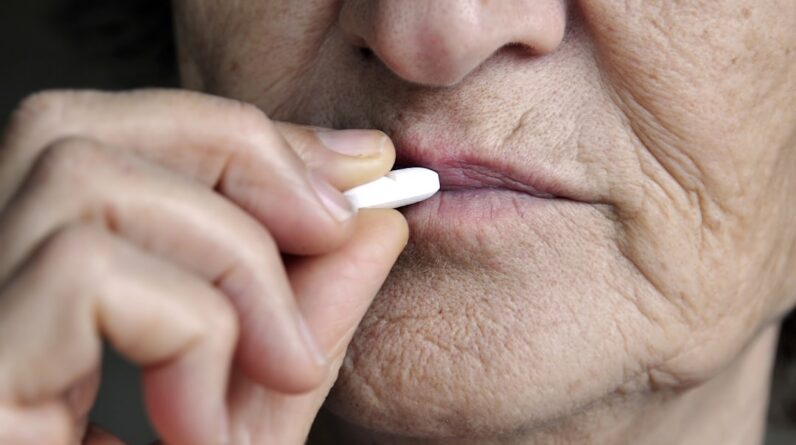
- Available Forms: Hydrolyzed collagen is commonly available in powder form, which can be mixed into drinks, smoothies, or food. It can also be found in capsules, tablets, and even some cosmetic products, though oral supplementation is generally considered more effective for systemic benefits.
Consistency is Key: The Marathon, Not the Sprint
Achieving noticeable results with hydrolyzed collagen, like many supplements, requires patience and consistency.
- Long-Term Commitment: Expect to see sustained benefits after several weeks to months of consistent daily use. Think of it as a long-term investment in your skin’s health, rather than a quick fix.
- Daily Intake: Regular, daily intake is generally recommended to maintain a consistent level of collagen peptides in your system, allowing your body to continuously utilize them for synthesis and repair.
Lifestyle Factors: The Supporting Cast
While hydrolyzed collagen can be a valuable tool, it’s not a standalone solution for aging skin. A holistic approach is most effective.
- Sun Protection: Consistent use of broad-spectrum sunscreen is paramount. UV radiation is a primary driver of collagen degradation, and no supplement can fully counteract its damaging effects.
- Balanced Diet: A diet rich in antioxidants, vitamins (especially C and E), and minerals supports overall skin health and collagen synthesis. Vitamin C, in particular, is a crucial cofactor in collagen production.
- Hydration: Adequate water intake is essential for maintaining skin plumpness and elasticity, which can indirectly help to minimize the appearance of fine lines.
- Sleep and Stress Management: Chronic stress and lack of sleep can negatively impact skin health and accelerate aging. Prioritizing these aspects of your well-being can complement any supplementation efforts.
Potential Side Effects and Precautions
Hydrolyzed collagen is generally considered safe for most individuals when consumed in recommended doses. However, as with any supplement, there are a few considerations.
Generally Well-Tolerated
- Mild Digestive Upset: Some individuals may experience mild digestive discomfort, such as bloating or gas, particularly when first starting supplementation or at higher doses. Starting with a lower dose and gradually increasing can help mitigate this.
- Allergies and Sensitivities: Individuals with allergies to the source material (e.g., fish, shellfish if using marine collagen) should exercise caution and choose a product derived from an alternative source. Always check the ingredient list carefully.
Precautions and When to Consult a Professional
While serious side effects are rare, it’s always prudent to consult with a healthcare professional before starting any new supplement regimen, especially if you have underlying health conditions or are taking medications.
- Pregnancy and Breastfeeding: There is limited research on the safety of hydrolyzed collagen supplementation during pregnancy and breastfeeding. It is advisable to err on the side of caution and consult your doctor before use.
- Kidney Conditions: Individuals with pre-existing kidney conditions should consult their doctor before taking collagen supplements, as they are a source of protein.
- Medication Interactions: While direct interactions are uncommon, it’s always best practice to inform your doctor about all supplements you are taking to ensure there are no potential conflicts with your prescribed medications.
In essence, hydrolyzed collagen offers a promising avenue for individuals seeking to mitigate the appearance of fine lines by supporting the body’s natural collagen production and skin’s structural integrity. By understanding its mechanisms, the scientific backing, and practical considerations, you can make an informed decision about whether this supplement is a suitable addition to your personal journey towards healthier, more youthful-looking skin.
FAQs
What is hydrolyzed collagen?
Hydrolyzed collagen is a form of collagen that has been broken down into smaller peptides, making it easier for the body to absorb and utilize. It is commonly used in supplements and skincare products to support skin health.
How does hydrolyzed collagen help reduce fine lines?
Hydrolyzed collagen provides the body with amino acids necessary for collagen synthesis, which can improve skin elasticity and hydration. This may help reduce the appearance of fine lines and wrinkles over time.
Is hydrolyzed collagen safe to use for skin improvement?
Yes, hydrolyzed collagen is generally considered safe for most people when taken as directed in supplements or applied topically in skincare products. However, individuals with allergies or specific health conditions should consult a healthcare professional before use.
How long does it take to see results from hydrolyzed collagen?
Results can vary, but many studies suggest that consistent use of hydrolyzed collagen supplements or topical products for at least 4 to 12 weeks is needed to notice improvements in skin texture and fine line reduction.
Can hydrolyzed collagen be combined with other skincare treatments?
Yes, hydrolyzed collagen can be used alongside other skincare treatments such as moisturizers, retinoids, and antioxidants to enhance overall skin health and appearance. It is important to follow product instructions and consult with a dermatologist if unsure.