You’ve reached a point where you’re considering ways to enhance your facial appearance, addressing signs of aging or simply seeking a more refreshed look. Val Vista Lakes offers a dedicated resource for this purpose: a facial rejuvenation clinic. This guide aims to provide you with a comprehensive overview of what such a clinic typically offers, the considerations involved in choosing treatments, and what you can expect during your journey towards a rejuvenated appearance.
Exploring Non-Surgical Treatments
Non-surgical facial rejuvenation encompasses a range of procedures designed to address concerns without the need for invasive surgery. These treatments often require minimal downtime and can offer noticeable improvements in skin texture, tone, and volume.
Injectable Fillers: Restoring Volume and Smoothing Lines
- What are Injectable Fillers? Injectable fillers, often made from hyaluronic acid, are gel-like substances that are injected beneath the skin to restore lost volume, smooth wrinkles, and enhance facial contours. They are a popular choice for addressing concerns such as nasolabial folds (smile lines), marionette lines, lip augmentation, and cheek enhancement.
- How do they work? Hyaluronic acid is a naturally occurring substance in the body that attracts and retains water, thereby plumping the skin and creating a smoother, more youthful appearance. As we age, our natural hyaluronic acid levels decline, leading to a loss of facial volume and the formation of wrinkles.
- Common Areas Treated: Fillers are frequently used to treat:
- Cheekbones: To restore lost volume and provide a more lifted appearance.
- Lips: To enhance volume, definition, and correct asymmetry.
- Nasolabial folds and marionette lines: To soften and reduce the appearance of these deep lines.
- Tear troughs: To reduce the appearance of under-eye hollows and dark circles.
- Chin and jawline: To improve definition and balance facial features.
- What to Expect During Treatment: The procedure typically involves a consultation with a trained practitioner who will assess your facial anatomy and discuss your goals. The injections themselves are usually quick, with minor discomfort managed through topical numbing creams. Bruising and swelling are possible but generally subside within a few days.
- Longevity and Maintenance: The effects of injectable fillers are temporary, typically lasting from six months to two years, depending on the type of filler used and the area treated. Follow-up appointments may be necessary to maintain desired results.
Botox and Other Neuromodulators: Relaxing Dynamic Wrinkles
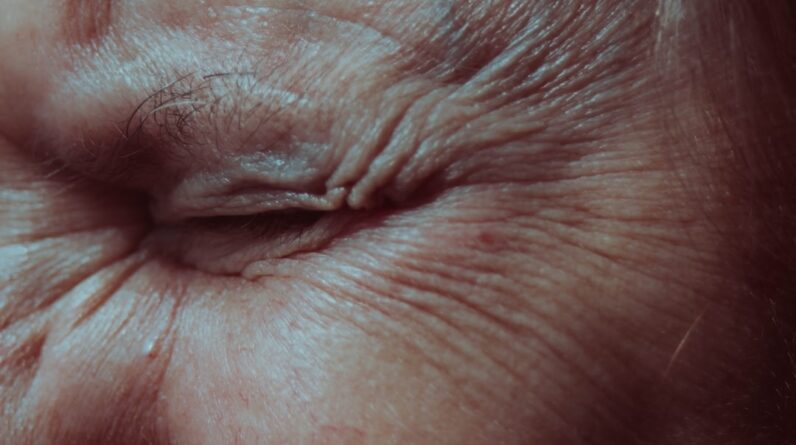
- Understanding Neuromodulators: Neuromodulators, commonly known by brand names such as Botox, Dysport, and Xeomin, are purified proteins that temporarily relax the muscles responsible for dynamic wrinkles. These are the wrinkles that appear when you make facial expressions, such as frowning, squinting, or raising your eyebrows.
- Mechanism of Action: Neuromodulators work by blocking the signals from nerves to muscles. This prevents the muscles from contracting, thus smoothing out the overlying skin and reducing the appearance of wrinkles.
- Primary Treatment Areas: The most common areas treated with neuromodulators include:
- Forehead lines: To smooth horizontal lines caused by raising your eyebrows.
- Glabellar lines (between the eyebrows): To reduce the appearance of frown lines or “eleven” lines.
- Crow’s feet: To soften the wrinkles that form around the outer corners of the eyes when smiling or squinting.
- Bunny lines: To treat wrinkles on the sides of the nose.
- Lip flip: A subtle enhancement to the upper lip.
- The Procedure: A skilled injector will administer small injections directly into the target muscles. The process is generally quick and well-tolerated. You can typically resume your normal activities immediately after the treatment.
- Onset of Results and Duration: You will likely begin to see the effects of neuromodulators within a few days, with full results typically visible within one to two weeks. The effects are temporary, usually lasting for three to six months. Regular treatments are needed to maintain the results.
Chemical Peels: Improving Skin Texture and Tone
- What are Chemical Peels? Chemical peels involve applying a chemical solution to the skin to remove damaged outer layers. This process reveals newer, healthier skin underneath, leading to improvements in texture, tone, and the appearance of fine lines and blemishes.
- Types of Chemical Peels: Peels are categorized by their depth of penetration:
- Superficial Peels: These use mild acids like alpha-hydroxy acids (AHAs) to gently exfoliate the outermost layer of skin. They are effective for treating mild acne, uneven skin tone, and dryness. Downtime is minimal.
- Medium Peels: These penetrate deeper into the epidermis and can address moderate wrinkles, acne scars, and more significant sun damage. They may require a few days of recovery.
- Deep Peels: These penetrate to the deeper layers of the dermis and are used for significant wrinkles, sun damage, and precancerous growths. They require a longer recovery period and are typically performed by a physician.
- Benefits of Chemical Peels: Chemical peels can help to:
- Reduce fine lines and wrinkles.
- Improve skin texture and clarity.
- Fade hyperpigmentation, sun spots, and melasma.
- Treat acne and reduce the appearance of acne scars.
- Promote collagen production.
- The Treatment Process: The procedure involves cleansing the skin, applying the chemical solution, and then neutralizing it. You may experience a warming or tingling sensation during the application. Post-treatment care instructions will be provided, which may include avoiding sun exposure and using specific skincare products.
- Expected Outcomes and Recovery: After a superficial peel, your skin may appear slightly red or flaky for a day or two. Medium peels can cause redness, peeling, and some swelling for up to a week. Deep peels require more extensive recovery. Consistent results are often achieved with a series of treatments.
Laser and Light Therapies: Addressing Pigmentation and Texture Issues
- Introduction to Laser and Light Treatments: Laser and light-based therapies utilize focused beams of light energy to target specific skin concerns. These technologies can offer precise and effective treatments for a variety of cosmetic issues.
- Types of Laser Treatments:
- Fractional Lasers: These lasers create microscopic treatment zones, leaving surrounding skin intact. This promotes faster healing and reduced downtime while still effectively treating wrinkles, scars, and uneven texture.
- IPL (Intense Pulsed Light): While not a true laser, IPL uses broad-spectrum light to target pigment in the skin. It is effective for treating age spots, sun damage, redness, and rosacea.
- Ablative Lasers: These lasers remove the outer layers of skin to stimulate significant collagen remodeling and address deeper wrinkles and scars. They have a longer recovery period.
- Non-Ablative Lasers: These heat the underlying tissues without removing the surface layer, promoting collagen production and improving skin tightness and texture with less downtime.
- Conditions Treated: Laser and light therapies are commonly used for:
- Reducing fine lines and wrinkles.
- Improving skin texture and firmness.
- Treating hyperpigmentation, sun spots, and age spots.
- Reducing redness and visible blood vessels (e.g., rosacea).
- Minimizing the appearance of acne scars and surgical scars.
- The Procedure and Recovery: The treatment involves cleansing the skin and applying a cooling gel or anesthetic cream. You will wear protective eyewear. You may feel a snapping sensation or warmth during the procedure, which is often managed with cooling devices. Post-treatment, you might experience redness, mild swelling, or a sensation similar to a sunburn. Healing times vary depending on the type of laser used.
- Achieving Optimal Results: A series of treatments is often recommended for optimal results, particularly for conditions like sun damage or rosacea. Your practitioner will advise on a suitable treatment plan.
Considering Surgical and Minimally Invasive Surgical Options
While non-surgical treatments are highly effective for many concerns, there are instances where surgical or minimally invasive surgical procedures offer more comprehensive or dramatic rejuvenation.
Facelift Procedures: Addressing Significant Sagging and Laxity
- What is a Facelift? A facelift, medically termed rhytidectomy, is a surgical procedure designed to address moderate to severe facial aging, including sagging skin, deep wrinkles, and loss of facial definition.
- How it Works: The procedure typically involves repositioning the underlying facial tissues, tightening the muscles of the face and neck, and removing excess skin. This creates a more lifted and youthful contour.
- Types of Facelifts:
- Traditional Facelift: This procedure addresses the midface, lower face, and neck, involving incisions around the ears and hairline.
- Mini Facelift: This is a less invasive option involving shorter incisions, typically addressing early signs of aging in the midface.
- Neck Lift: This procedure focuses specifically on tightening the skin and muscles of the neck to reduce sagging and define the jawline.
- Who is a Good Candidate? Ideal candidates for a facelift are individuals who have significant facial sagging and loss of elasticity but maintain good skin quality. They should also have realistic expectations about the outcome.
- The Surgical Journey: The process begins with a thorough consultation, followed by the surgery itself, which is performed under anesthesia. Post-operative care involves managing pain, swelling, and bruising, with a recovery period that can range from a few weeks to several months.
- Expected Outcomes and Longevity: Facelifts can provide dramatic and long-lasting results, effectively turning back the clock on facial aging. While aging will continue, the results of a well-performed facelift can last for many years.
Eyelid Surgery (Blepharoplasty): Rejuvenating the Eye Area
- Understanding Eyelid Surgery: Also known as blepharoplasty, this surgical procedure addresses concerns around the eyes, such as drooping upper eyelids, puffy lower eyelids, and fine wrinkles.
- Primary Objectives: Eyelid surgery aims to:
- Remove excess skin and fat from the upper eyelids, which can cause a heavy or tired appearance and even impair vision.
- Reduce puffiness and bags under the eyes that can contribute to a weary look.
- Smooth out wrinkles and fine lines around the eyes.
- Eligibility for the Procedure: Candidates for blepharoplasty are typically individuals experiencing signs of aging around their eyes that affect their appearance or function. Good overall health and realistic expectations are essential.
- The Surgical Process: Incisions are carefully placed within the natural creases of the eyelids to minimize visible scarring. Excess skin, fat, or muscle is removed or repositioned as needed. The procedure is usually performed under local anesthesia with sedation or general anesthesia.
- Recovery and Results: Recovery involves managing swelling and bruising, with most patients able to resume normal activities within one to two weeks. The results of eyelid surgery are significant, creating a more refreshed, alert, and youthful appearance around the eyes.
Brow Lift (Forehead Lift): Elevating the Brow and Smoothing the Forehead
- Purpose of a Brow Lift: A brow lift, or forehead lift, is a surgical procedure designed to elevate a drooping brow, smooth horizontal forehead wrinkles, and soften vertical lines between the eyebrows.
- Techniques Employed: There are several techniques for performing a brow lift, including:
- Endoscopic Brow Lift: This minimally invasive approach uses small incisions hidden in the hairline and a small camera (endoscope) to lift and reposition the brow tissue.
- Coronal Brow Lift: This traditional method involves an incision from ear to ear across the top of the head, allowing for direct visualization and manipulation of the forehead tissues.
- Pretrichial/Hairline Brow Lift: This technique places the incision at the hairline, which can be beneficial for individuals with a high forehead as it can help shorten its appearance.
- Addressing Forehead Concerns: A brow lift can effectively:
- Correct a low or drooping brow that can make you look tired or angry.
- Smooth out horizontal lines and furrows on the forehead.
- Reduce frown lines between the eyebrows.
- The Surgical Procedure and Recovery: The choice of technique depends on your individual anatomy and desired outcome. The surgery is performed under anesthesia, and recovery involves managing swelling and discomfort. Most patients can return to work and social activities within one to two weeks.
- Achieving a Refreshed Appearance: A successful brow lift can create a more balanced and youthful facial appearance by opening up the eye area and softening the expression.
The Importance of Consultation and Personalized Treatment Plans
The journey to facial rejuvenation at a clinic like Val Vista Lakes is not one-size-fits-all. Your individual needs, concerns, and anatomy will dictate the most appropriate course of action.
Your Initial Assessment: Understanding Your Goals and Anatomy
- The Consultation Process: The initial consultation is a critical step. You will meet with a qualified practitioner who will take the time to discuss your specific aesthetic goals. Be prepared to articulate what you hope to achieve, whether it’s addressing fine lines, restoring lost volume, improving skin texture, or correcting a particular concern.
- Medical History and Lifestyle Factors: The practitioner will also inquire about your medical history, including any existing conditions, allergies, and medications you are taking. Lifestyle factors such as sun exposure, smoking habits, and your daily skincare routine are also important considerations, as they can influence treatment outcomes and candidacy.
- Facial Analysis: A thorough facial analysis is conducted. This involves examining your skin’s elasticity, texture, wrinkles, volume distribution, and underlying bone structure. The practitioner will assess how various treatments can address your unique concerns.
- Open Communication is Key: This is your opportunity to ask questions. Don’t hesitate to inquire about the practitioner’s qualifications, the safety of the procedures, potential risks and side effects, and the expected recovery time.
Developing Your Tailored Treatment Strategy
- Personalized Recommendations: Based on your consultation and facial analysis, the practitioner will propose a personalized treatment plan. This plan will be specifically designed to meet your individual goals and may involve a single procedure or a combination of treatments.
- Explaining the Options: You will receive a detailed explanation of the recommended treatments, including how they work, what to expect during and after the procedure, and the anticipated results. The practitioner will discuss the pros and cons of each option, helping you make an informed decision.
- Understanding Risks and Benefits: A transparent discussion of potential risks and benefits is essential. No medical procedure is entirely without risk, and it’s important to understand these fully. The practitioner will explain common side effects, such as bruising, swelling, or temporary discoloration, as well as rarer but more serious complications.
- Realistic Expectations: A crucial aspect of the consultation is setting realistic expectations. Facial rejuvenation aims to enhance your natural appearance and address signs of aging, but it often does not guarantee perfection or a completely different look. Understanding what is achievable will contribute to your satisfaction with the results.
The Role of Qualified Professionals
- Expertise and Training: Facial rejuvenation treatments, whether surgical or non-surgical, require specialized knowledge and skill. It is essential to seek treatment from qualified medical professionals, such as board-certified plastic surgeons, dermatologists, or physician assistants with extensive experience in aesthetic procedures.
- Credentials and Experience: Verify the credentials and experience of the practitioners. Look for those who have undergone advanced training in the specific procedures you are interested in. Inquire about their affiliations with reputable medical organizations.
- Safety Standards: A reputable clinic will adhere to strict safety protocols and maintain a sterile environment. Understand the facility’s policies regarding patient safety, emergency preparedness, and post-operative care.
Preparing for Your Rejuvenation Journey
Once you have undergone your consultation and decided on a treatment plan, there are steps you can take to prepare for your rejuvenation journey and optimize your results.
Pre-Treatment Instructions: Optimizing Your Skin and Body
- Medication Adjustments: Your practitioner may advise you to temporarily discontinue certain medications or supplements that can increase the risk of bleeding or bruising, such as aspirin, ibuprofen, or certain herbal remedies. It is crucial to follow these instructions precisely.
- Skincare Regimen: You might be advised to adjust your at-home skincare routine in the days or weeks leading up to your treatment. This could involve using specific products to improve skin health or avoiding certain ingredients that could cause irritation.
- Sun Protection: Minimizing sun exposure before your treatment is often recommended. Sunburned or tanned skin can be more sensitive and may affect treatment outcomes. Using broad-spectrum sunscreen diligently is paramount.
- Hydration and Nutrition: Maintaining good hydration and a balanced diet can support overall skin health and the body’s healing processes. Consider increasing your intake of water and nutrient-rich foods.
- Avoiding Alcohol and Smoking: While not always a strict requirement for all non-surgical treatments, limiting alcohol consumption and avoiding smoking, especially before and after surgical procedures, is highly beneficial. Smoking can impair healing and increase the risk of complications.
Post-Treatment Care: Ensuring Optimal Healing and Results
- Following Specific Protocols: After your procedure, you will receive detailed post-treatment instructions. These are vital for ensuring proper healing, minimizing the risk of complications, and maximizing your results. Adhere to these instructions diligently.
- Managing Discomfort and Swelling: You may experience some discomfort, swelling, bruising, or redness depending on the treatment received. Your practitioner will advise on appropriate pain management options and methods to reduce swelling, such as applying cool compresses or sleeping with your head elevated.
- Skincare and Wound Care: Specific skincare products may be recommended for cleansing, moisturizing, and protecting your skin during the healing process. For surgical procedures, wound care instructions will be provided to promote healing and prevent infection.
- Activity Restrictions: Some treatments, particularly surgical ones, will require a period of rest and limited physical activity. Your practitioner will advise on when it is safe to resume normal daily routines, exercise, and strenuous activities.
- Sun Exposure Vigilance: Protecting your newly rejuvenated skin from the sun is crucial to maintain your results and prevent further sun damage. Continue to use broad-spectrum sunscreen daily and consider wearing hats for added protection.
- Attending Follow-Up Appointments: Follow-up appointments are scheduled to monitor your healing progress, assess your results, and address any concerns you may have. These appointments are an integral part of the rejuvenation process.
Maintaining Long-Term Results and a Radiant Appearance
Facial rejuvenation is often an ongoing process, and maintaining the results requires continued care and a proactive approach.
Lifestyle Choices for Sustained Youthfulness
- Consistent Sun Protection: This cannot be overstated. Daily application of broad-spectrum sunscreen (SPF 30 or higher) is your most effective defense against premature aging caused by UV radiation. Reapply frequently, especially if you are outdoors for extended periods. Wearing protective clothing, such as wide-brimmed hats and sunglasses, is also beneficial.
- Healthy Diet and Hydration: A diet rich in antioxidants, vitamins, and minerals supports overall skin health and can contribute to a more radiant complexion. Consuming plenty of fruits, vegetables, and lean proteins, while limiting processed foods and excessive sugar, can make a difference. Staying well-hydrated by drinking adequate water throughout the day is also essential for maintaining skin elasticity and plumpness.
- Adequate Sleep: Quality sleep is vital for cellular repair and regeneration. Aim for 7-9 hours of uninterrupted sleep per night. During sleep, your body works to repair tissues and produce collagen, which are crucial for maintaining youthful skin.
- Stress Management: Chronic stress can negatively impact your skin by increasing inflammation and cortisol levels, which can accelerate aging. Incorporating stress-reducing activities into your routine, such as yoga, meditation, deep breathing exercises, or spending time in nature, can be beneficial.
- Avoiding Smoking: Smoking significantly accelerates the aging process by damaging collagen and elastin, leading to wrinkles, dullness, and a loss of skin elasticity. Quitting smoking will have a profound positive impact on your skin’s health and appearance.
Consider Maintenance Treatments and Ongoing Skincare
- Scheduled Touch-Ups: For treatments like neuromodulators and some fillers, scheduled maintenance sessions are necessary to preserve the desired results. Your practitioner will recommend an appropriate schedule based on the longevity of the product and your individual metabolism.
- At-Home Skincare Regimen: Continue with a consistent and effective at-home skincare routine. This may include using medical-grade skincare products recommended by your practitioner, such as cleansers, serums with active ingredients (like retinoids or vitamin C), moisturizers, and potentially targeted treatments for specific concerns.
- Periodic Professional Treatments: Depending on your ongoing concerns and goals, periodic professional treatments like superficial chemical peels or microdermabrasion can help maintain skin texture and tone. These can be incorporated into your long-term rejuvenation plan.
- Regular Consultations: Maintaining an open dialogue with your aesthetic practitioner is important. Scheduling periodic follow-up consultations, even if you’re not planning an immediate treatment, allows for ongoing assessment of your skin’s condition and discussion of any evolving concerns or new treatment options that might be beneficial. This proactive approach ensures that your facial rejuvenation journey remains aligned with your long-term goals.
FAQs
What services does the Facial Rejuvenation Clinic Val Vista Lakes offer?
The clinic offers a range of services including facials, chemical peels, microdermabrasion, dermaplaning, and various laser treatments for skin rejuvenation.
What are the qualifications of the staff at the clinic?
The clinic’s staff consists of licensed and experienced estheticians and medical professionals who are trained in the latest techniques and technologies for facial rejuvenation.
What types of skin concerns can be addressed at the clinic?
The clinic can address a variety of skin concerns including fine lines, wrinkles, sun damage, acne scars, uneven skin tone, and texture irregularities.
What is the typical duration of a facial rejuvenation treatment at the clinic?
The duration of a treatment can vary depending on the specific service being provided, but most treatments typically range from 30 minutes to an hour.
Are the treatments at the clinic safe and effective?
Yes, the treatments offered at the clinic are safe and effective when performed by qualified professionals. The clinic uses FDA-approved technologies and follows strict safety protocols to ensure the best possible outcomes for their clients.