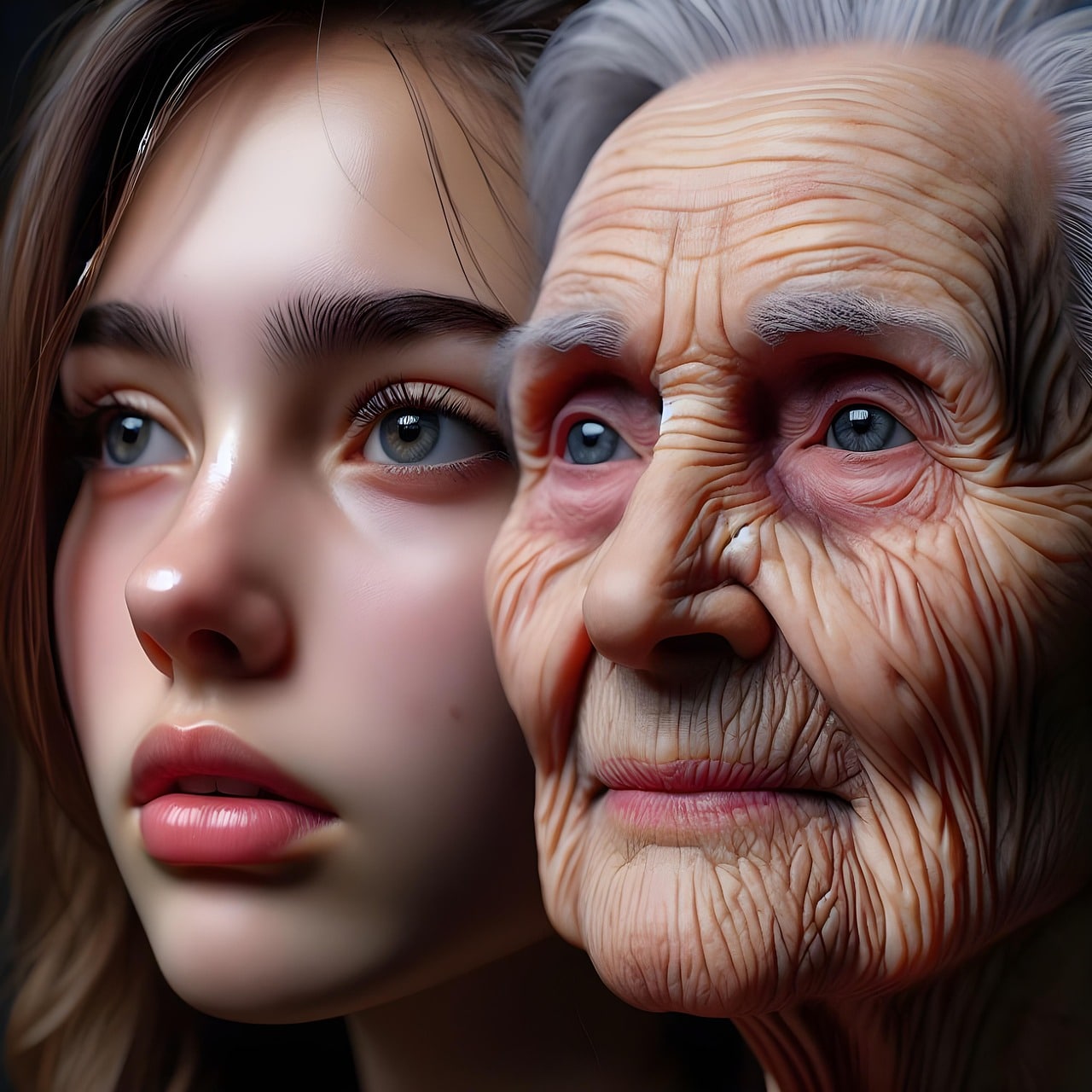
Have you ever stopped to wonder if what you eat can impact how young you look? It’s an intriguing thought, isn’t it? Many people are curious about whether a vegetarian lifestyle can help enhance youthfulness and vitality. Let’s take a closer look at the potential benefits of a plant-based diet and whether it truly has an impact on your appearance.
Understanding the Basics of a Vegetarian Diet
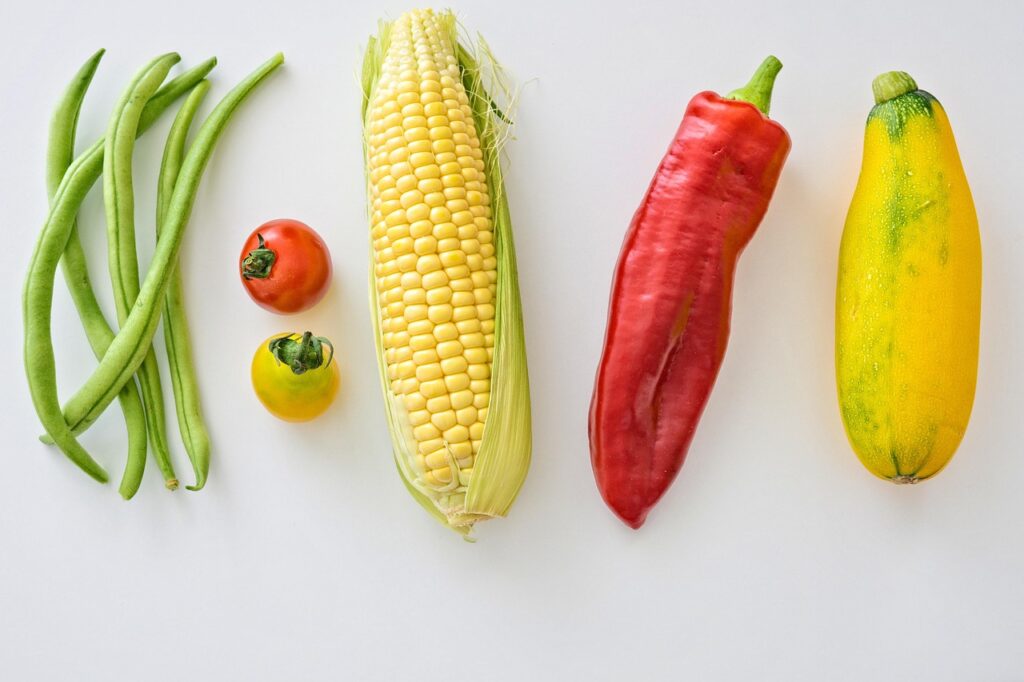
Before we jump into the youthful benefits, it helps to clarify what being a vegetarian entails. A vegetarian diet generally consists of fruits, vegetables, grains, legumes, nuts, and seeds, while excluding meat, poultry, and fish. There are various types of vegetarian diets, including:
Types of Vegetarian Diets
- Lacto-vegetarian: Includes dairy products but excludes eggs.
- Ovo-vegetarian: Includes eggs but excludes dairy products.
- Lacto-ovo vegetarian: Includes both dairy and eggs, making it one of the most common forms of vegetarianism.
- Vegan: Excludes all animal products, including dairy and eggs.
Understanding these variations can be helpful as you consider the benefits of vegetarianism not just for your health, but for your skin and overall appearance as well.
Nutrients That Support Youthful Skin
A well-rounded vegetarian diet is often rich in essential nutrients that can contribute to maintaining youthful-looking skin. Let’s break down some key nutrients and their benefits.
Antioxidants
Fruits and vegetables are abundant in antioxidants, which help combat free radicals in the body. Free radicals are unstable molecules that can damage your cells, leading to signs of aging. Some important antioxidants include:
| Antioxidant | Source | Benefits |
|---|---|---|
| Vitamin C | Citrus fruits, berries | Promotes collagen production |
| Vitamin E | Nuts, seeds, spinach | Protects skin from oxidative stress |
| Beta-carotene | Carrots, sweet potatoes | Supports skin health |
Integrating a variety of colorful fruits and vegetables into your diet can significantly boost your antioxidant intake, aiding in your quest for youthful skin.
Healthy Fats
Healthy fats are essential for maintaining skin hydration and elasticity. Plant-based sources of healthy fats include:
- Avocados: Rich in monounsaturated fats and vitamins E and C.
- Olive oil: Known for its anti-inflammatory properties.
- Nuts and seeds: Packed with omega-3 fatty acids that support skin integrity.
Eating these fats can support a glowing complexion and help minimize the appearance of fine lines.
Vitamins and Minerals
Key vitamins and minerals are crucial for overall skin health. Here are a few worth mentioning:
| Vitamin/Mineral | Source | Benefits |
|---|---|---|
| Zinc | Beans, lentils | Supports skin healing and repair |
| Selenium | Whole grains, nuts | Protects against skin damage |
| B vitamins | Leafy greens, whole grains | Enhance energy levels and skin vitality |
Ensuring you get enough of these nutrients can contribute to healthier-looking skin.
The Role of Hydration
Hydration plays a critical role in maintaining youthful skin. While not directly linked to a vegetarian diet, a focus on plant-based eating often encourages higher water intake due to the consumption of water-rich foods like fruits and vegetables. Staying hydrated helps:
- Maintain skin elasticity
- Reduce the appearance of wrinkles
- Promote a dewy, youthful complexion
While it’s essential to drink adequate water, incorporating hydrating foods like cucumbers, watermelon, and oranges into your diet can help you stay radiant from the inside out.
The Impact of a Plant-Based Diet on Aging
Shifting to a vegetarian diet might not only change how you feel but could also positively affect your aging process. Let’s unpack some of the differences a plant-based diet can make.
Reducing Inflammation
Chronic inflammation is known to accelerate the aging process and contribute to various skin problems, such as acne and premature wrinkles.
A vegetarian diet focuses on anti-inflammatory foods, which can be beneficial in managing and reducing inflammation. Foods rich in omega-3 fatty acids, such as:
- Flaxseeds
- Chia seeds
- Walnuts
These foods can help keep inflammation at bay, promoting healthier skin and a more youthful appearance.
Weight Management
Weight often plays a role in how youthful you appear. While body positivity is crucial, maintaining a healthy weight can also contribute to fewer health issues and may help you look younger.
A vegetarian diet can support weight loss or maintenance due to its high fiber content and lower calorie density compared to a meat-rich diet. The fiber found in fruits, vegetables, and whole grains keeps you feeling full longer, which can help regulate your appetite.
Gut Health and Its Connection to Skin
There’s a strong connection between gut health and the health of your skin, often referred to as the “gut-skin axis.” A healthy digestive system promotes a balanced microbiome that can lead to clear skin.
Plant-based diets tend to be high in fiber, which supports digestion and helps feed beneficial gut bacteria. These beneficial bacteria produce compounds that can improve overall health, including skin health.
Stress Reduction
Making dietary changes can also lead to improved mental health and lower stress levels. Many individuals who switch to a vegetarian diet report feeling more energized and positive, which can, in turn, reflect on their appearance.
Foods like leafy greens, nuts, and seeds can influence your mood positively, helping you manage stress levels. Lower stress often correlates with less skin-related issues like acne and premature aging.

The Science Behind Vegetarianism and Youthfulness
Research supports the idea that a vegetarian diet can impact how youthful you look. Studies have shown that plant-based diets are associated with lower incidence rates of chronic diseases, which can affect aging.
Studies on Aging and Vegetarians
-
Epidemiological Studies: Several studies have linked vegetarian diets to lower mortality rates and delayed onset of age-related diseases. By promoting better health and longevity, a vegetarian lifestyle may contribute to a more youthful look.
-
Fluid Retention Studies: Some studies suggest that vegetarians tend to experience less fluid retention due to lower sodium intake, which can make the skin appear less puffy and more vibrant.
Longevity and Appearance
Countries where plant-based diets are predominant often report higher average lifespans. For instance, regions known for their plant-rich dietary habits, like Okinawa in Japan, have populations that age gracefully, exhibiting fewer signs of aging.
Common Misconceptions About Vegetarianism and Aging
While there are numerous benefits to a vegetarian diet, several misconceptions can cloud your understanding.
Protein Concerns
A common myth is that vegetarians struggle to get enough protein. In reality, there are plenty of plant-based protein sources available, such as:
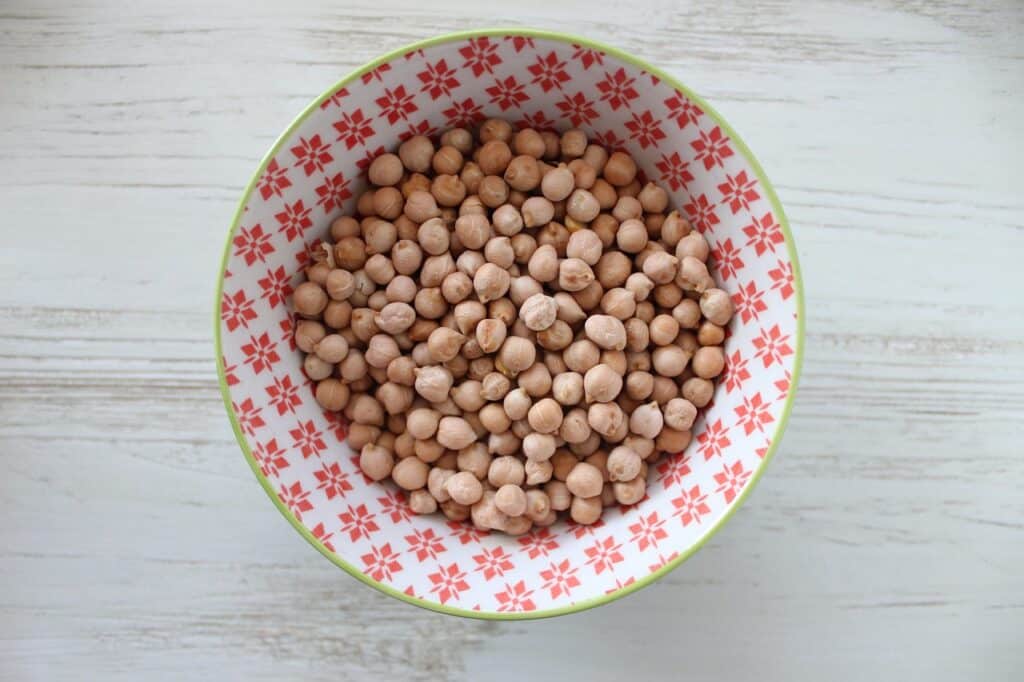
- Legumes: Lentils, chickpeas, beans
- Whole grains: Quinoa, brown rice, barley
- Nuts and seeds: Almonds, chia seeds, hemp seeds
Incorporating these foods into your diet ensures that you’re meeting your protein needs while reaping the benefits of plant-based eating.
Nutrient Deficiencies
Another misconception is that vegetarian diets lead to nutrient deficiencies. While there are potential concerns, a well-planned vegetarian diet can be nutritionally adequate. It’s beneficial to include:
- Iron: Found in beans, lentils, and whole grains.
- Vitamin B12: Get it from fortified foods or supplements.
- Calcium: Sourced from leafy greens, tofu, and fortified plant-based milks.
By planning your meals thoughtfully, you can maintain a balanced diet rich in all the necessary nutrients.
Practical Tips for Transitioning to a Vegetarian Diet
If you’re intrigued by the potential youthfulness benefits of a vegetarian diet, you may be considering making the switch. Here are some friendly tips to help you ease into vegetarianism smoothly:
Start Slowly
Transitioning gradually can be the most effective way to adopt a vegetarian lifestyle. Start by incorporating more plant-based meals into your week. Try “Meatless Mondays” or substitute meat in a few of your favorite dishes with plant-based proteins.
Experiment with New Recipes
Cooking provides a wonderful opportunity to explore new flavors and ingredients. Get creative with plant-based recipes or try cuisines that emphasize plant foods, such as Mediterranean or Indian dishes.
Keep a Balanced Plate
Aim for a balanced meal with a variety of food groups. Focus on:
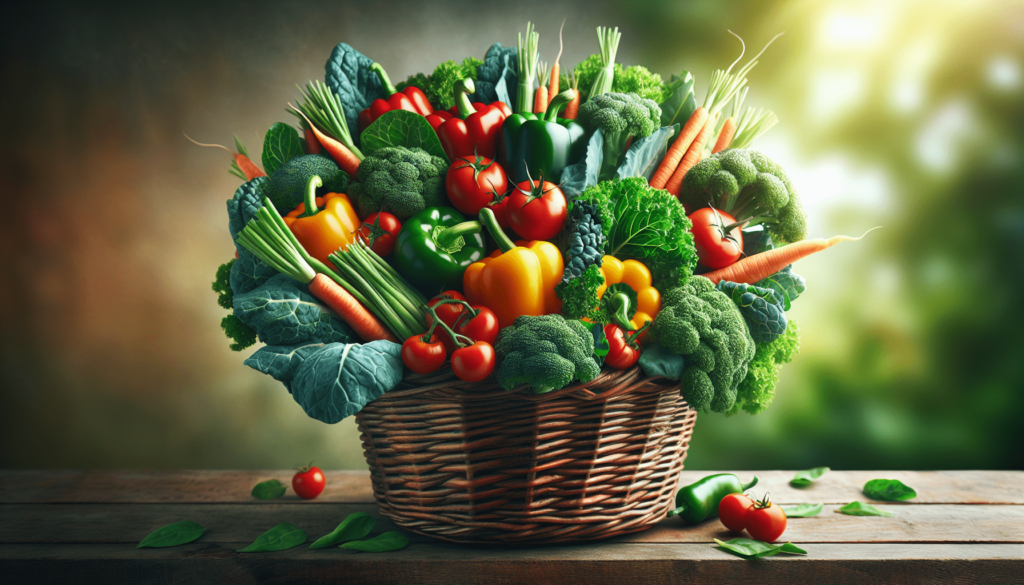
- Colorful fruits and vegetables
- Whole grains
- Lean plant-based proteins
- Healthy fats (think avocados or nuts)
Having a diverse plate will not only nourish your body but also help maintain your appearance.
Stay Informed
Learn about nutrition and incorporate foods that benefit your health and beauty. It can be helpful to read up on plant-based nutrition to ensure you’re meeting your body’s needs.
Seek Support
Connecting with a community of vegetarians or plant-based eaters can offer motivation and inspiration. Consider joining online forums or local groups to share recipes, tips, and experiences.
Conclusion
Seeing the connection between a vegetarian diet and youthful appearance can open new avenues in your journey toward health and vitality. With the right balance of nutrients and a focus on whole foods, you can embrace the benefits of a plant-based lifestyle while looking and feeling your best.
So, the next time you ponder whether vegetarians look younger, remember that the choices you make in the kitchen can have a powerful impact on both your health and appearance for years to come. Embrace the benefits that come with a plant-based diet, and you may just find yourself feeling more youthful than ever!