Collagen therapy refers to treatments designed to boost or replenish collagen levels in your body, primarily for aesthetic and health benefits. You might be exploring this option because you’ve noticed changes in your skin, connective tissues, or overall well-being, and you’re looking for effective solutions. Hardin Village, Texas, offers a range of providers and modalities for collagen therapy, making it a viable location to investigate for your specific needs. This article aims to provide you with factual information about collagen therapy, its applications, and what you can expect if you’re considering it in Hardin Village.
Before delving into the therapeutic applications, it’s crucial to understand what collagen is and why it matters. Collagen is the most abundant protein in your body, serving as the primary structural component of connective tissues. Think of it as the scaffolding that holds your body together, providing strength, elasticity, and resilience.
The Multifaceted Role of Collagen
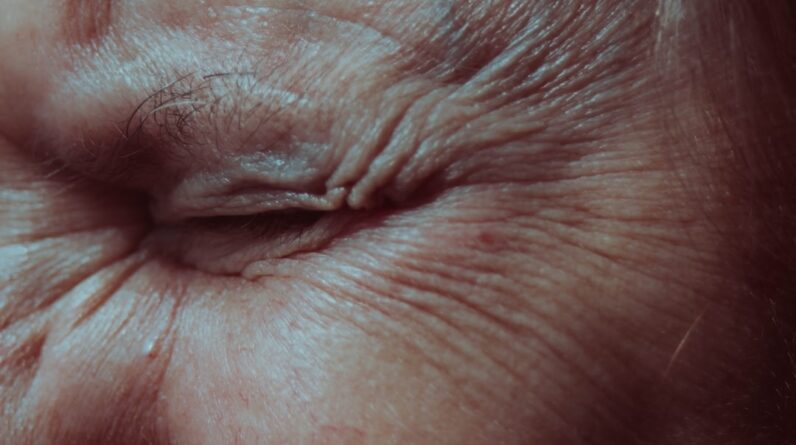
- Skin Health: Collagen is the bedrock of your skin’s structure. It contributes to its firmness, suppleness, and hydration. As you age, your body’s natural collagen production declines, leading to common signs of aging such as wrinkles, fine lines, and sagging.
- Joint Function: The cartilage in your joints, which acts as a cushion between bones, is largely composed of collagen. Sufficient collagen is vital for smooth and pain-free movement.
- Bone Strength: Collagen is also a significant component of your bones, providing them with structural integrity and flexibility. It works in conjunction with minerals like calcium to create strong yet adaptable skeletal framework.
- Connective Tissues: Beyond skin, joints, and bones, collagen is integral to tendons, ligaments, muscles, and even organs. It facilitates tissues’ ability to stretch and contract, supporting a wide range of bodily functions.
The Natural Decline of Collagen
The body is a remarkably efficient system, but like any complex machinery, it experiences wear and tear and a gradual reduction in peak performance over time. From your mid-20s onwards, collagen synthesis naturally begins to slow down. This decline is exacerbated by various external factors.
Factors Influencing Collagen Levels
- Aging: This is the most significant contributor to reduced collagen. As the years pass, your fibroblasts, the cells responsible for producing collagen, become less active.
- Sun Exposure (UV Radiation): Ultraviolet radiation from the sun is a potent collagen destroyer. It breaks down existing collagen fibers and impedes new collagen production, accelerating the aging process of your skin.
- Smoking: The toxins in cigarette smoke damage collagen and elastin, the proteins responsible for skin elasticity. This results in premature wrinkling and a dull complexion.
- Poor Diet: A diet lacking in essential nutrients, such as vitamins C and E, zinc, and copper, can hinder the body’s ability to synthesize collagen. These micronutrients act as cofactors in the collagen production process.
- Environmental Pollutants: Exposure to pollutants in the air can also contribute to oxidative stress, which can damage collagen.
- Certain Medical Conditions and Treatments: Some diseases and their treatments can impact collagen metabolism.
Collagen Therapy Modalities Available
If you’ve decided to explore collagen therapy, you’ll find a spectrum of approaches designed to stimulate your body’s natural collagen production or introduce collagen directly. The effectiveness and suitability of each method can vary depending on your individual goals, skin type, and overall health.
Non-Invasive Topical Treatments
These treatments involve applying creams, serums, or lotions containing ingredients that are believed to support collagen production or mimic its effects. While often part of a broader skincare routine, their direct impact on collagen synthesis is generally considered to be superficial.
Key Ingredients to Look For
- Retinoids: These Vitamin A derivatives are well-established in dermatology for their ability to promote cell turnover and stimulate collagen production. They can be highly effective but may require a prescription and can cause initial irritation.
- Peptides: These short chains of amino acids are the building blocks of proteins, including collagen. When applied topically, certain peptides are thought to signal the skin to produce more collagen.
- Vitamin C: A potent antioxidant, Vitamin C plays a crucial role in collagen synthesis. It’s also vital for protecting skin from free radical damage.
- Growth Factors: These proteins are involved in cell growth and repair. When applied topically, they may help to stimulate collagen production.
Minimally Invasive Procedures
These treatments typically involve a device or a minor procedure that creates controlled micro-injuries or delivers energy to the skin, prompting the body’s natural healing response, which includes collagen production.
Radiofrequency (RF) Devices
- Mechanism: RF energy heats the deeper layers of the skin, causing collagen fibers to contract and stimulating the production of new collagen over time. This is akin to stoking a dormant fire to reignite its warmth and energy.
- Applications: Commonly used for skin tightening, reducing wrinkles and fine lines, and improving skin texture.
- Types: You might encounter monopolar, bipolar, and multipolar RF devices, each with slight variations in how they deliver energy.
Ultrasound Therapy
- Mechanism: Focused ultrasound energy is delivered to specific depths within the skin, creating thermal coagulation points. The body’s natural healing process then kicks in, leading to collagen remodeling and tightening.
- Applications: Effective for lifting and tightening the face, neck, and décolletage.
- Examples: Popular treatments using this technology include Ultherapy.
Microneedling (Collagen Induction Therapy)
- Mechanism: This procedure involves using a device with fine needles to create microscopic punctures in the skin’s surface. This controlled trauma signals the skin to initiate a wound-healing response, which includes the significant production of new collagen and elastin. It’s like creating a series of tiny invitations for your skin to rebuild itself.
- Applications: Addresses a wide range of concerns, including fine lines, wrinkles, acne scars, enlarged pores, and uneven skin tone.
- Adjuncts: Microneedling can often be combined with serums (like hyaluronic acid or Vitamin C) or platelet-rich plasma (PRP) to enhance results.
Laser Treatments
- Mechanism: Various types of lasers can be used to stimulate collagen production. Ablative lasers remove thin layers of skin, while non-ablative lasers heat the underlying tissue without damaging the surface. Both methods trigger the body’s repair mechanisms, leading to new collagen formation.
- Types: Fractional lasers are particularly popular as they create microscopic treatment zones, leaving surrounding tissue intact, which speeds up healing.
- Applications: Effective for wrinkles, acne scars, sun damage, and improving overall skin texture and tone.
Injectable Treatments
These methods involve administering substances directly into the skin or deeper tissues to either stimulate collagen production or to add volume that can indirectly support skin structure.
Dermal Fillers
- Mechanism: While primarily used for adding volume and filling wrinkles, some dermal fillers, particularly those containing calcium hydroxylapatite (CaHA) or poly-L-lactic acid (PLLA), have also been shown to stimulate the body’s own collagen production over time. Think of them as providing a temporary support structure that encourages your body to build its own permanent one.
- Calcium Hydroxylapatite (CaHA): Often found in fillers like Radiesse, CaHA particles provide immediate volume and then stimulate fibroblasts to produce new collagen.
- Poly-L-lactic Acid (PLLA): Known by brand names like Sculptra Aesthetic, PLLA is a collagen stimulator that is injected and gradually absorbed, prompting a more gradual and sustained increase in collagen.
- Hyaluronic Acid (HA): While HA fillers are primarily volumizers, their ability to attract and retain water can improve skin hydration and contribute to a more plump appearance, indirectly benefiting the perception of collagen.
Platelet-Rich Plasma (PRP) Therapy
- Mechanism: A small amount of your blood is drawn, processed to concentrate the platelets, and then injected into the target area. Platelets release growth factors that promote healing and stimulate collagen production. This is a natural approach, leveraging your own body’s regenerative power.
- Applications: Used for facial rejuvenation, hair restoration, and to improve the appearance of scars.
Seeking Collagen Therapy in Hardin Village, Texas
Hardin Village, Texas, offers access to aesthetic and medical professionals who can provide various collagen-boosting treatments. When considering these services, it is paramount to approach your selection process with diligence and clarity.
Finding Qualified Providers
- Medical Professionals: Look for board-certified dermatologists, plastic surgeons, or experienced aesthetic practitioners. These professionals have a deep understanding of facial anatomy, skin physiology, and the safety profiles of different treatments.
- Clinic Reputation: Research clinics in Hardin Village. Read online reviews, check their websites for credentials and before-and-after galleries, and ask for recommendations from trusted sources.
- Consultation is Key: Before committing to any treatment, schedule a consultation with a provider. This is your opportunity to discuss your concerns, understand their recommended approach, and ask questions about the procedure, expected outcomes, and potential risks.
What to Expect During a Consultation
A thorough consultation is the cornerstone of any successful treatment plan. It’s your chance to be both an investigator and an informer.
Discussing Your Goals and Concerns
- Be Specific: Clearly articulate what you hope to achieve. Are you concerned about fine lines around your eyes, sagging jawline, or improving overall skin texture?
- Medical History: Be prepared to provide a comprehensive overview of your medical history, including any allergies, medications you are currently taking, and previous aesthetic treatments you’ve undergone.
- Lifestyle Factors: Mention your lifestyle habits, such as smoking, sun exposure, and diet, as these can influence treatment outcomes and recommendations.
Provider’s Assessment
- Skin Analysis: The provider will likely perform a visual assessment of your skin, identifying areas of concern and evaluating your skin type and quality.
- Treatment Options: Based on your goals and assessment, they will present you with suitable treatment options, explaining the benefits, risks, and expected downtime for each.
- Realistic Expectations: A good provider will manage your expectations by explaining what can realistically be achieved and the number of sessions typically required.
The Process of Collagen Stimulation
Understanding how these therapies work can demystify the process and help you appreciate the journey towards improved skin. The core principle is to either provide building blocks or to ingeniously trick your body into manufacturing its own.
The Body’s Natural Healing Response
Many collagen-boosting treatments, particularly those involving microneedling, lasers, and ultrasound, rely on the body’s innate ability to repair itself. When the skin experiences controlled micro-damage or thermal stimulation, it initiates a cascade of healing events.
The Inflammatory Phase
This initial phase involves bringing immune cells to the treatment area to clear away damaged tissue. It’s the body’s way of cleaning house before commencing renovations.
The Proliferative Phase
This is where the magic happens. Fibroblasts are signaled to produce fibroblasts, collagen (types I and III being most prominent), and elastin. New blood vessels are also formed to deliver nutrients and oxygen to the regenerating tissue.
The Remodeling Phase
This can be a lengthy process, lasting months. During this time, the newly synthesized collagen and elastin fibers are organized and strengthened, leading to improved skin architecture and texture.
The Role of Topical Agents
While topical treatments may not induce the dramatic collagen remodeling seen with more invasive procedures, they can play a supporting role.
- Providing Nutrients: Ingredients like Vitamin C and peptides supply the necessary components for collagen synthesis.
- Antioxidant Protection: Antioxidants combat free radicals that can degrade existing collagen.
- Hydration: Well-hydrated skin appears plumper and can better support healthy cellular function.
Long-Term Maintenance and Results
| Metric | Details |
|---|---|
| Location | Hardin Village, TX |
| Type of Therapy | Collagen Therapy |
| Common Uses | Skin rejuvenation, wrinkle reduction, joint pain relief |
| Session Duration | 30 to 60 minutes |
| Number of Sessions Recommended | 4 to 6 sessions |
| Typical Results Timeline | 2 to 4 weeks after treatment |
| Side Effects | Mild redness, swelling, or tenderness at injection site |
| Follow-up Care | Hydration and avoiding sun exposure |
| Consultation Required | Yes, prior to treatment |
Collagen therapy is not a one-time fix, but rather a commitment to maintaining the youthful vitality of your skin and tissues. Consistency is the gardener’s secret to a beautiful bloom.
Consistency is Key
- Treatment Series: Most collagen-stimulating treatments require a series of sessions to achieve optimal results. The number of sessions will depend on the specific treatment, the individual’s response, and the severity of the condition being addressed.
- Follow-Up Appointments: Regular follow-up appointments with your provider can help monitor your progress and determine if further treatments are necessary.
Lifestyle Factors for Sustained Results
Your daily habits have a profound impact on your body’s ability to maintain collagen.
- Sun Protection: Daily use of broad-spectrum sunscreen is non-negotiable. It’s your primary defense against UV damage that breaks down collagen.
- Healthy Diet: A balanced diet rich in antioxidants, vitamins, and minerals supports ongoing collagen production.
- Hydration: Drinking plenty of water keeps your skin cells functioning optimally.
- Avoid Smoking: Quitting smoking is one of the most beneficial things you can do for your skin’s long-term health.
Managing Expectations
It’s important to understand that collagen therapy aims to improve, not erase, the natural effects of aging. Results are typically gradual and can vary from person to person. The goal is to achieve a more refreshed, rejuvenated appearance and improved tissue health.
By understanding the science behind collagen and the various therapeutic options available, you can make informed decisions about your journey to enhanced skin health and well-being in Hardin Village, Texas. Consulting with a qualified professional is the essential first step in tailoring a treatment plan that aligns with your unique needs and aspirations.
FAQs
What is collagen therapy?
Collagen therapy is a treatment designed to stimulate the production of collagen in the skin, which helps improve skin elasticity, reduce wrinkles, and promote a youthful appearance. It often involves the use of collagen supplements, injections, or topical products.
How does collagen therapy work in Hardin Village, TX?
In Hardin Village, TX, collagen therapy typically involves professional treatments such as collagen injections or microneedling combined with collagen-boosting serums. These procedures encourage the skin to produce more collagen naturally, enhancing skin texture and firmness.
Who is a good candidate for collagen therapy?
Good candidates for collagen therapy are individuals experiencing signs of aging such as fine lines, wrinkles, or skin laxity. It is also suitable for those looking to improve skin hydration and overall skin health. A consultation with a skincare professional in Hardin Village, TX, can determine suitability.
Are there any side effects of collagen therapy?
Side effects of collagen therapy are generally minimal but can include redness, swelling, or mild discomfort at the treatment site. These effects are usually temporary. It is important to receive treatment from licensed professionals in Hardin Village, TX, to minimize risks.
How long do the results of collagen therapy last?
The duration of collagen therapy results varies depending on the type of treatment and individual factors. Typically, results can last from several months up to a year. Maintenance sessions are often recommended to sustain the benefits over time.