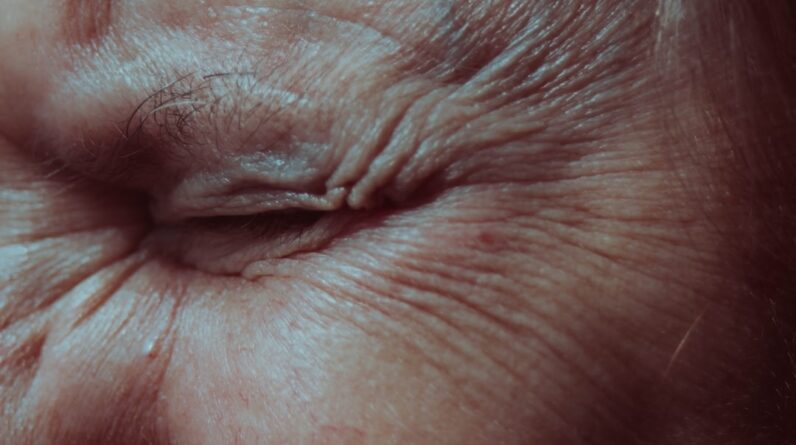
As you navigate your fifties and beyond, you may notice a shift in your skin’s texture and resilience. Thinning skin over 50 is a common biological process, a testament to the passage of time. This article will explore the role of collagen supplements in addressing this concern, providing you with factual information to make informed decisions about your skincare journey.
Your skin is a sophisticated organ, and its structure is largely determined by a protein called collagen. Think of collagen as the scaffolding that supports your skin, providing firmness, elasticity, and plumpness. It’s the protein that keeps your skin looking youthful and supple, like a well-built house that has stood the test of time.
The Collagen Story: Production and Decline
Collagen is produced by specialized cells in your skin called fibroblasts. This production is robust
FAQs
What causes skin thinning as we age?
As we age, the production of collagen and elastin in the skin decreases, leading to reduced skin thickness and elasticity. This natural decline contributes to thinning skin, making it more fragile and prone to wrinkles and damage.
Can collagen supplements help improve thinning skin over 50?
Collagen supplements may help improve skin elasticity and hydration by providing the body with amino acids needed to support collagen production. Some studies suggest that regular intake of collagen peptides can reduce signs of skin aging, including thinning, but results can vary among individuals.
What types of collagen are most beneficial for skin health?
Type I and Type III collagen are the most abundant in the skin and are commonly targeted by supplements aimed at improving skin health. Hydrolyzed collagen peptides are often used in supplements because they are easier for the body to absorb.
Are there any risks or side effects associated with collagen supplements?
Collagen supplements are generally considered safe for most people. However, some individuals may experience mild side effects such as digestive discomfort or allergic reactions, especially if they have allergies to the source of collagen (e.g., fish or bovine).
Besides supplements, what other methods can help maintain skin thickness after 50?
Maintaining skin thickness can also be supported by a balanced diet rich in vitamins C and E, staying hydrated, protecting skin from excessive sun exposure, avoiding smoking, and using topical skincare products that promote collagen production, such as retinoids and peptides.