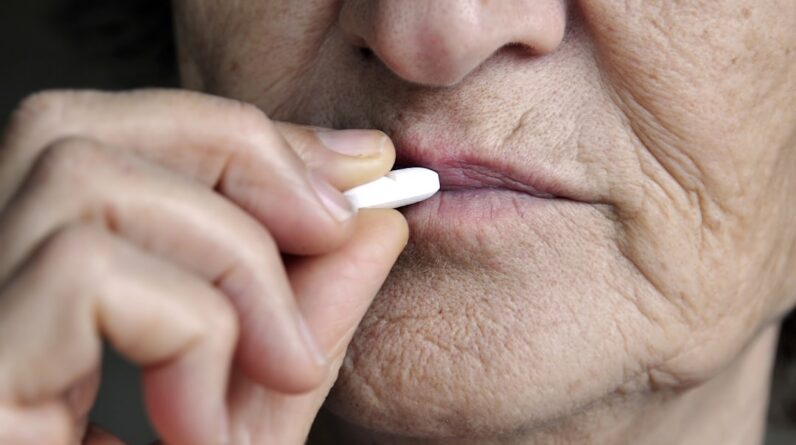
You’ve likely seen them advertised: sleek bottles promising to turn back the clock, to smooth away the lines that etch themselves around your mouth, often referred to as smile lines or nasolabial folds. Collagen supplements are frequently presented as a key weapon in this battle against visible aging. But what does science have to say about their effectiveness in diminishing these particular wrinkles? This article aims to provide you with a factual overview, equipping you to make an informed decision about whether incorporating collagen supplements into your routine is a worthwhile endeavor for achieving a smoother smile.
Before delving into the potential solutions, it’s crucial to understand what causes smile lines to form. These prominent creases that run from the sides of your nose to the corners of your mouth are a natural consequence of your facial anatomy and its constant use.
The Role of Dynamic Wrinkles
Your face is a canvas painted by your emotions, and your smile is one of its most vibrant strokes. Every time you laugh, express surprise, or form a sentence, the muscles beneath your skin contract and relax.
Muscle Movement and Skin Elasticity
Think of your skin as a finely woven fabric. When you smile, the underlying muscles pull this fabric taut. With youth, your skin possesses a high degree of elasticity, like a well-maintained rubber band, able to spring back to its original state after each movement. However, over time, this elasticity diminishes, and the fabric begins to show permanent creases where it has been repeatedly folded.
Repetitive Facial Expressions
The cumulative effect of these repeated muscular contractions is a significant factor. Generations of smiles, grins, and even frowns leave their indelible mark, contributing to the formation of dynamic wrinkles that can eventually become static, meaning they are visible even when your facial muscles are at rest.
Intrinsic and Extrinsic Aging Factors
While muscle movement is a primary driver, other factors also contribute to the deepening of smile lines.
Intrinsic Aging: Your Biological Clock
Your body’s natural aging process, dictated by your genetics and hormones, plays a significant role. As you age, your body produces less collagen and elastin, the two primary proteins responsible for skin’s structure and suppleness. This internal decline is like a slow leak in the foundation of a building, gradually weakening its integrity.
Extrinsic Aging: Environmental and Lifestyle Influences
External factors can significantly accelerate this process.
Sun Exposure: The Great Dehydrator and Destabilizer
Ultraviolet (UV) radiation from the sun is a major culprit. It breaks down collagen and elastin fibers, compromising your skin’s ability to repair itself and maintain its firmness. Prolonged sun exposure is like leaving your fabric out in the harsh elements, causing it to fade and fray prematurely.
Smoking: A Double Whammy
Smoking not only constricts blood vessels, reducing the oxygen and nutrients that reach your skin, but also introduces free radicals that damage skin cells. This creates a hostile environment for healthy skin, hindering its ability to rejuvenate.
Diet and Hydration: Fueling Your Skin
Your diet and hydration levels also impact your skin’s appearance. A diet lacking in essential nutrients can deprive your skin of the building blocks it needs to function optimally, while dehydration can make existing lines appear more pronounced by reducing skin plumpness.
Collagen: The Body’s Structural Scaffolding
Collagen is not just a buzzword; it’s a fundamental protein that provides structure and support to your skin, bones, tendons, and other connective tissues. Its presence is vital for maintaining skin’s firmness and elasticity.
Types of Collagen and Their Functions
There are different types of collagen, each with specific roles in the body. For skin health, Type I and Type III collagen are of particular interest.
Type I Collagen: The Foundation Stone
This is the most abundant type of collagen, forming the primary structural component of your skin. It’s like the strong, load-bearing walls of your internal architecture, providing the tensile strength that keeps your skin from sagging.
Type III Collagen: The Supporting Network
Often found alongside Type I collagen, Type III contributes to the elasticity and suppleness of your skin. Think of it as the interwoven latticework that reinforces the primary walls, allowing for movement and resilience.
Collagen Production Decline: The Inevitable Descent
As you age, your body’s natural ability to synthesize collagen decreases. This decline typically begins in your late 20s and continues throughout life.
Hormonal Changes and Collagen Synthesis
Hormonal shifts, particularly the decline in estrogen levels during menopause, are strongly linked to reduced collagen production. This hormonal lull can significantly impact skin texture and firmness.
Lifestyle Factors Affecting Collagen Levels
Beyond intrinsic aging, lifestyle choices can further deplete your body’s collagen stores.
Nutrient Deficiencies: Starving the Scaffold Builders
Your body needs specific nutrients, such as amino acids (glycine, proline, hydroxyproline), Vitamin C, zinc, and copper, to efficiently produce collagen. A lack of these essential building blocks can hinder the entire construction process.
Chronic Stress and Inflammation: The Wrecking Crew
Prolonged stress and chronic inflammation can trigger the release of enzymes that break down collagen. This is akin to having a wrecking crew constantly chipping away at your building’s structure, undermining its integrity.
Collagen Supplements: The Promise of Replenishment
Collagen supplements, often derived from animal sources like bovine, marine, or porcine, are marketed with the promise of replenishing your body’s diminishing collagen stores, thereby improving skin elasticity and reducing the appearance of wrinkles, including smile lines.
Hydrolyzed Collagen and Peptides: Digestible Collagen
The collagen in supplements is typically processed through a method called hydrolysis, breaking down large collagen molecules into smaller, more digestible fragments known as collagen peptides.
The Concept of Bioavailability
The theory behind hydrolyzed collagen is that these smaller peptides are more easily absorbed by your digestive system and then utilized by your body for collagen synthesis. This is where the concept of bioavailability comes into play – how efficiently a nutrient can be absorbed and used by the body.
Direct Incorporation vs. Building Blocks
While some proponents suggest that collagen peptides can be directly incorporated into your skin, the prevailing scientific understanding is that your digestive system breaks down these peptides into their constituent amino acids. Your body then uses these amino acids as building blocks to synthesize its own collagen, along with other proteins.
Forms of Collagen Supplements: A Diverse Market
You will encounter collagen supplements in various forms, each catering to different preferences.
Powders: The Versatile Option
Collagen powders are a popular choice due to their versatility. They can be easily mixed into beverages like water, smoothies, coffee, or tea, making them a convenient way to consume your daily dose.
Capsules: The Convenient Choice
For those who prefer a more straightforward approach, collagen capsules offer pre-portioned doses that can be swallowed with water. They are discreet and easy to take on the go.
Gummies: The Palatable Alternative
Collagen gummies are a growing trend, offering a more palatable and enjoyable way to supplement. However, it’s important to note that gummies may contain added sugars, so checking the ingredient list is crucial.
Scientific Evidence: What Does Research Say About Smile Line Reduction?
The efficacy of collagen supplements for reducing specific concerns like smile lines is an area of ongoing research, with studies yielding mixed results. It is important to approach this topic with a discerning eye, separating marketing claims from robust scientific findings.
Clinical Trials on Skin Health
Numerous clinical trials have investigated the effects of oral collagen supplementation on various skin parameters.
Improvements in Skin Elasticity and Hydration
Several studies have reported statistically significant improvements in skin elasticity, hydration, and overall skin appearance in participants taking collagen supplements compared to placebo groups. These benefits are often attributed to increased collagen density and improved dermal structure.
Reduction in Wrinkle Depth and Volume
Some research has specifically looked at wrinkle depth and volume. A meta-analysis of several studies indicated a modest but statistically significant reduction in wrinkle depth, particularly around the eye area (crow’s feet), following consistent collagen supplementation.
Limitations of Existing Studies
It is crucial to acknowledge the limitations of current research.
Study Design and Sample Size
Many studies are relatively small in sample size, making it difficult to draw definitive conclusions. Furthermore, variations in study design, the type and dosage of collagen used, and the duration of supplementation can all influence the outcomes.
Placebo Effect and Subjectivity
The perceived benefits of supplements can sometimes be influenced by the placebo effect, where individuals report improvements simply because they believe the treatment is working. Additionally, assessing wrinkle reduction can be subjective, relying on visual assessments that may vary between observers.
Specificity to Smile Lines: A Nuance to Consider
While studies have shown general improvements in skin elasticity and wrinkle reduction, research specifically targeting the marked reduction of smile lines is less abundant.
The Dynamics of Deep Wrinkles
Smile lines, particularly those that have become deeply etched over time, are a complex interplay of skin elasticity loss, fat pad volume changes, and muscle activity. It’s possible that collagen supplements, while contributing to overall skin structure from within, may have a more pronounced effect on finer wrinkles or on improving the preventative aspects of skin aging rather than significantly reversing deeply ingrained creases.
Systemic vs. Topical Effects
It’s important to distinguish between oral collagen supplements and topical collagen creams. While topical creams aim to deliver collagen directly to the skin’s surface, oral supplements work systemically, influencing collagen production from the inside out. The effectiveness of topical collagen for wrinkle reduction is also a subject of debate, often limited by the molecule’s size preventing deep penetration.
Factors Influencing Effectiveness
| Metric | Details |
|---|---|
| Type of Collagen | Type I and Type III (most effective for skin elasticity) |
| Daily Dosage | 2.5 to 10 grams per day |
| Duration for Noticeable Results | 4 to 12 weeks |
| Effect on Smile Lines | Reduction in depth and visibility of smile lines |
| Additional Benefits | Improved skin hydration, elasticity, and firmness |
| Common Forms | Hydrolyzed collagen peptides (powder, capsules, drinks) |
| Absorption Rate | Up to 90% bioavailability when hydrolyzed |
| Recommended Complementary Nutrients | Vitamin C, Hyaluronic Acid, Zinc |
| Potential Side Effects | Rare; mild digestive discomfort in some users |
| Clinical Study Outcomes | Up to 20% improvement in skin elasticity and wrinkle reduction |
The effectiveness of collagen supplements for you will depend on a confluence of factors, much like the precise conditions needed for a plant to thrive.
Dosage and Consistency: The Watering Schedule
The amount of collagen you consume and the regularity of your intake are paramount.
Recommended Dosages in Studies
Clinical trials that have demonstrated positive results often utilize specific dosages, typically ranging from 2.5 grams to 15 grams of hydrolyzed collagen peptides per day. It’s essential to follow the dosage recommendations on the product label or consult with a healthcare professional.
The Long Game: Patience and Persistence
Collagen is a long-term investment in your skin’s health. You are unlikely to see significant changes overnight. Most studies showing positive outcomes involve consistent daily supplementation for at least 8 to 12 weeks. Think of it as gradually strengthening a support beam; it takes time for the material to integrate and show its full robustness.
Type of Collagen and Source: The Quality of the Bricks
Not all collagen is created equal. The source and type of collagen may influence its effectiveness.
Marine vs. Bovine Collagen
Marine collagen, derived from fish, is often lauded for its smaller peptide size, potentially leading to better absorption. Bovine collagen is a common and widely available source. The specific amino acid profile and peptide chain lengths can vary between sources, which may impact how your body utilizes them.
Hydrolyzed Peptides vs. Undenatured Collagen
The most common form in supplements are hydrolyzed peptides. Undenatured collagen, which is processed differently to retain its native structure, is also available and is often marketed for joint health, but its direct impact on wrinkle reduction is less extensively studied.
Individual Physiology and Lifestyle: The Environmental Conditions
Your unique biological makeup and lifestyle choices play a significant role in how your body responds to collagen supplementation.
Age and Baseline Collagen Levels
Younger individuals with naturally higher collagen levels might see less dramatic results compared to older individuals whose collagen production has significantly declined. Your starting point matters.
Diet and Nutrient Synergy
A diet rich in vitamins and minerals that support collagen synthesis (like Vitamin C, zinc, and copper) can enhance the benefits of collagen supplementation. Adequate protein intake is also crucial, as amino acids are the fundamental units of collagen.
Hormonal Status and Stress Levels
As mentioned earlier, hormonal balance and the management of stress are critical for healthy collagen levels. Supplements can help, but they are most effective when combined with a supportive lifestyle.
How to Approach Collagen Supplements for Smile Lines
Deciding to try collagen supplements for your smile lines requires a strategic and informed approach. It’s not about blindly accepting marketing hype, but about understanding the potential and setting realistic expectations.
Consult with a Healthcare Professional
Before embarking on any new supplement regimen, it is advisable to speak with a doctor or a registered dietitian.
Personalized Advice
A healthcare professional can assess your individual health needs, potential contraindications, and recommend appropriate dosages and types of collagen supplements based on your specific circumstances. They can help you navigate the scientific literature and avoid products that may not be beneficial.
Identifying Underlying Causes
They can also help you identify if other underlying health or lifestyle factors are contributing to your smile lines, which may require different interventions.
Setting Realistic Expectations: The Blueprint for Success
It’s important to understand that collagen supplements are not a magical eraser.
Gradual Improvement, Not Instant Reversal
The effects of collagen supplements on smile lines are likely to be gradual and cumulative. Expect subtle improvements in skin texture, hydration, and firmness over time, rather than a dramatic overnight transformation.
Complementary to a Healthy Lifestyle
Collagen supplements are most effective when used as part of a comprehensive approach to skin health that includes a balanced diet, adequate hydration, sun protection, and a good skincare routine. They are a valuable tool, but not a sole solution.
Choosing a Quality Supplement: Selecting the Best Building Materials
When selecting a collagen supplement, consider the following aspects.
Third-Party Testing and Purity
Look for products that have undergone third-party testing for purity and potency. Certifications from organizations like NSF International or USP can provide an extra layer of assurance.
Transparency in Sourcing and Ingredients
Choose brands that are transparent about their sourcing of collagen and list all ingredients clearly. Be mindful of added fillers, artificial flavors, or excessive sweeteners if you have dietary restrictions or preferences.
Hydrolyzed Collagen Peptides
Opt for hydrolyzed collagen peptides, as they are generally considered to be the most bioavailable form for oral consumption. Pay attention to the molecular weight of the peptides if this information is provided, as smaller peptides are often more easily absorbed.
Remember, your pursuit of smoother smile lines is a journey. By understanding the science, managing your expectations, and making informed choices, you can determine if collagen supplements are a beneficial component of your strategy for achieving a radiant and confident smile.
FAQs
What are collagen supplements?
Collagen supplements are products containing collagen peptides or hydrolyzed collagen, which are intended to support the body’s natural collagen production. They are commonly available in powder, capsule, or liquid form.
How do collagen supplements help reduce smile lines?
Collagen supplements may help reduce smile lines by promoting skin elasticity and hydration. Increased collagen levels can improve skin structure, potentially diminishing the appearance of fine lines and wrinkles around the mouth.
Are collagen supplements safe to use?
Collagen supplements are generally considered safe for most people when taken as directed. However, individuals with allergies to specific collagen sources (such as fish or bovine) should exercise caution and consult a healthcare professional before use.
How long does it take to see results from collagen supplements?
Visible improvements in skin texture and reduction of smile lines typically take several weeks to a few months of consistent collagen supplement use. Results can vary depending on individual factors such as age, skin condition, and lifestyle.
Can collagen supplements replace other skincare treatments for smile lines?
While collagen supplements can support skin health, they are usually most effective when combined with a comprehensive skincare routine, including moisturizing, sun protection, and possibly professional treatments. Supplements alone may not fully replace other anti-aging skincare methods.