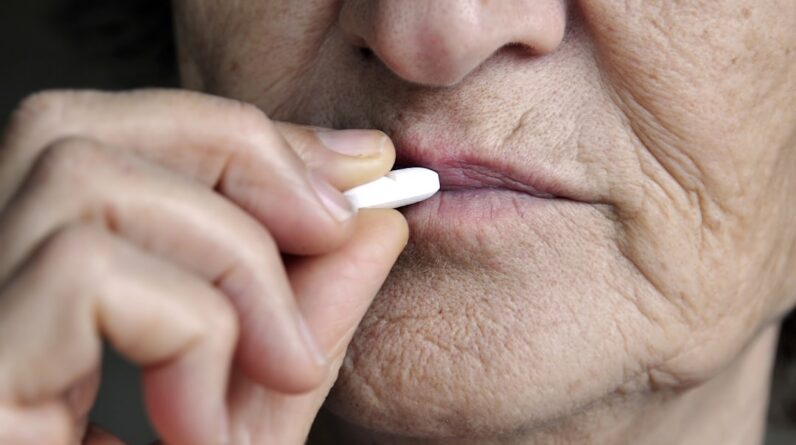
As you navigate your later years, you might notice changes in your skin – a loss of firmness, a decrease in elasticity, and perhaps more pronounced wrinkles. These are natural consequences of the aging process, and a significant player in these transformations is collagen. Collagen is the most abundant protein in your body, acting as the scaffolding that holds everything together, from your bones and muscles to, crucially, your skin. Think of your skin as a finely woven tapestry; collagen threads are the warp and weft that provide its structural integrity, strength, and suppleness.
The Biological Significance of Collagen
Your body’s natural collagen production begins to decline as you age. This is an unavoidable biological reality, akin to a well-used factory gradually reducing its output. This reduction is often linked to intrinsic aging, a process dictated by genetics and time. Extrinsic factors, such as sun exposure, smoking, and poor diet, can accelerate this decline, acting like a persistent storm battering the aging structure. The consequences of this reduced collagen production are manifold. In your skin, it translates to a thinning of the dermis, the layer beneath the epidermis where collagen resides. This thinning leads to a less plump and resilient appearance. The once-tightly packed collagen fibers begin to loosen and fray, becoming less organized. Elastin, another protein responsible for your skin’s bounce-back ability, also diminishes, further contributing to sagging.
Collagen’s Structure and Function in Skin
Collagen exists in various types, with Type I and Type III being the most prevalent in your skin. Type I collagen is the most abundant form and is responsible for the tensile strength of your skin, helping it resist stretching. Imagine it as the thickest, strongest ropes in your scaffolding. Type III collagen, often found alongside Type I, contributes to the initial structure of developing skin and is important for tissue elasticity. It’s like the finer, more flexible cords that allow for a certain degree of give. These collagen fibers are interwoven with other components of the extracellular matrix (ECM), a complex network that provides support and regulates cellular activity. Hyaluronic acid, for instance, is another crucial component of the ECM, acting like a sponge to attract and retain water, keeping your skin hydrated and plump. When collagen production slows, the entire ECM begins to weaken, leaving your skin more vulnerable to environmental stressors and the natural forces of gravity.
Factors Affecting Collagen Degradation
Several factors can accelerate the breakdown of existing collagen and hinder new collagen synthesis. Ultraviolet (UV) radiation from the sun is a primary culprit. UV rays penetrate the skin and damage collagen fibers directly, leading to photoaging, which manifests as wrinkles, age spots, and a leathery texture. This is akin to the sun’s relentless rays bleaching and weakening the fabric of your tapestry. Smoking also significantly impairs collagen production and increases its degradation. The chemicals in cigarette smoke constrict blood vessels, reducing the supply of oxygen and nutrients to the skin, and also directly damage collagen and elastin. A diet rich in processed foods, sugar, and unhealthy fats can contribute to glycation, a process where sugar molecules attach to collagen fibers, making them stiff and brittle. This is like sugar crystallizing and hardening your once-flexible threads. Chronic stress can also elevate cortisol levels, a hormone that promotes collagen breakdown. Underlying health conditions and certain medications can also play a role. Therefore, understanding these factors is crucial in taking a holistic approach to skin health as you age.
The Impact of Decreased Collagen on Skin Appearance
The visible signs of declining collagen are what most people associate with aging skin. You may observe:
- Wrinkles and Fine Lines: As collagen diminishes, the skin loses its plumpness and underlying support, leading to the formation of grooves and creases. These are the lines that etch themselves onto the surface of your tapestry as it ages.
- Loss of Firmness and Elasticity: The once taut and springy quality of your skin begins to fade. This is because the collagen fibers have lost their ability to effectively recoil after being stretched. Your skin starts to sag, much like a well-worn piece of elastic losing its snap.
- Thinning Skin: The dermis, the collagen-rich layer, becomes thinner, making the skin appear more translucent and delicate.
- Dryness and Dehydration: Reduced collagen can impact the skin’s ability to retain moisture, leading to increased dryness and a duller complexion. The once well-hydrated fabric can become parched.
- Reduced Wound Healing: Collagen is essential for wound repair. With lower levels, you might notice that cuts and bruises take longer to heal.
Exploring the Potential Benefits of Collagen Supplements for Older Adults
As you seek ways to support your skin’s health, you might encounter collagen supplements. These supplements are often marketed with the promise of replenishing your body’s diminishing collagen stores. The underlying rationale is that by providing your body with exogenous collagen, you are giving it the necessary building blocks to synthesize new collagen and potentially mitigate some of the visible signs of aging. The idea is to bolster your internal collagen factory with a fresh supply of raw materials.
How Collagen Supplements Work (The Theory)
When you ingest collagen in supplement form, it undergoes digestion in your gastrointestinal tract. Enzymes break down the large collagen proteins into smaller peptides, essentially amino acids and short chains of amino acids. These smaller molecules are then absorbed into your bloodstream, where they travel to various tissues, including your skin. The theory suggests that these collagen peptides act as signals, stimulating your body’s fibroblasts – the cells responsible for producing collagen, elastin, and hyaluronic acid. Think of these peptides as tiny messengers, knocking on the door of your fibroblast cells and saying, “It’s time to get back to work!” They provide not only the amino acids necessary for building new collagen but also a prompt for increased production.
Types of Collagen Supplements Available
Collagen supplements come in various forms, predominantly hydrolyzed collagen (collagen peptides) and gelatin.
Hydrolyzed Collagen (Collagen Peptides)
This is the most common form found in supplements. Hydrolysis is a process that breaks down collagen from animal connective tissues (like bovine, marine, or chicken sources) into smaller, more easily digestible peptides. This form is generally well-absorbed and is the focus of most research.
Gelatin
Gelatin is derived from cooked collagen. While it contains collagen, it is less extensively broken down than hydrolyzed collagen, potentially making it slightly less bioavailable. However, it still offers amino acids that can be used by the body.
Different Sources of Collagen
The source of collagen in supplements can vary, and each may have slightly different amino acid profiles.
Bovine Collagen
Sourced from cows, this is a popular and widely available option. It primarily contains Type I and Type III collagen, the most abundant types in human skin.
Marine Collagen
Derived from fish (often the skin and scales), marine collagen is also rich in Type I collagen and is considered by some to be highly bioavailable. Due to its source, it can be a choice for individuals who avoid beef products.
Porcine Collagen
Sourced from pigs, this type is also rich in Type I and Type III collagen.
Chicken Collagen
Typically sourced from chicken sternum, it is a good source of Type II collagen, which is more abundant in cartilage and joints. While skin benefits are primarily linked to Type I and III, systemic effects might extend.
Scientific Evidence and Research on Collagen Peptides
The scientific literature on the efficacy of collagen supplements for skin health in older adults is growing, though more research is always beneficial. Several studies have investigated the effects of oral collagen supplementation on skin hydration, elasticity, and wrinkle reduction.
Studies on Skin Elasticity and Hydration
Some studies have shown statistically significant improvements in skin elasticity and hydration after several weeks of daily collagen peptide supplementation. Participants often report a feeling of the skin being more supple and less dry. This can be visualized as the tapestry becoming less brittle and regaining some of its natural moisture.
Research on Wrinkle Reduction
Other research has indicated a reduction in the depth and appearance of wrinkles in participants taking collagen supplements. The perceived effect can range from a softening of existing lines to a delayed development of new ones. It’s important to note that while studies show promising results, these are not miracle cures, and the extent of wrinkle reduction can vary.
Bioavailability and Effectiveness
The bioavailability of collagen peptides – how well they are absorbed and utilized by the body – is a key area of research. The smaller peptide size in hydrolyzed collagen is thought to enhance absorption compared to intact collagen. The effectiveness is also dependent on factors like dosage, duration of use, and individual physiology.
Limitations and Future Research
It is crucial to acknowledge that the existing research has limitations. Many studies are funded by the supplement industry, which can introduce potential bias. The sample sizes in some studies are relatively small, and more long-term, independent research is needed to definitively establish the broad efficacy and optimal use of collagen supplements for all older adults. Understanding the precise mechanisms by which collagen peptides exert their effects on skin remains an active area of scientific inquiry.
Understanding the Mechanisms: How Collagen Supplements Might Benefit Your Skin
The proposed benefits of collagen supplements for older adults stem from how they are thought to interact with your body’s natural collagen production and maintenance processes. It’s not simply about adding more protein; it’s about providing specific signals and building blocks.
Stimulating Fibroblast Activity
The primary proposed mechanism is the stimulation of fibroblasts. When collagen peptides are absorbed into the bloodstream, they are thought to reach the dermis and signal the fibroblast cells to increase their activity. This increased activity translates to a greater production of new collagen, as well as elastin and hyaluronic acid, the other vital components of your skin’s extracellular matrix. Imagine your fibroblasts as diligent artisans who have been working at a slower pace; the arrival of these collagen peptides is like a renewed order for exquisite work, prompting them to pick up their tools with more vigor.
Providing Essential Amino Acids
Collagen is rich in specific amino acids, such as glycine, proline, and hydroxyproline, which are the fundamental building blocks for synthesizing new collagen within your body. While you obtain these amino acids from a balanced diet, the concentrated supply from collagen supplements can offer a readily available source, particularly if your dietary intake of these specific amino acids is suboptimal. This is akin to having a well-stocked workshop with all the necessary lumber and nails readily at hand for construction.
Enhancing Skin Hydration
Collagen plays a role in maintaining skin hydration by supporting the structure of the dermis and influencing the skin’s ability to retain moisture. By potentially increasing collagen production, supplements may indirectly contribute to improved skin hydration. Well-hydrated skin appears plumper, smoother, and less prone to flakiness and the appearance of fine lines. Think of it as the tapestry being able to hold onto dew more effectively, keeping its richness.
Improving Skin Elasticity and Firmness
As collagen fibers become more organized and abundant, the skin’s ability to withstand stretching and recoil improves. This can lead to a noticeable increase in firmness and a reduction in sagging. The scaffolding becomes stronger and more resilient, allowing the fabric to maintain its shape and bounce.
Antioxidant Properties (Potential)
Some research suggests that certain amino acids present in collagen may possess mild antioxidant properties. Antioxidants help protect your cells from damage caused by free radicals, which can accelerate the aging process. While this is not the primary benefit cited for collagen supplements, it could contribute to overall skin health.
Important Considerations Before Taking Collagen Supplements
While the potential benefits of collagen supplements are encouraging, it’s essential to approach them with a discerning eye and prioritize informed decision-making. Your health is a complex system, and adding anything to your regimen requires careful thought.
Consulting with Your Healthcare Provider
Before you embark on a collagen supplementation journey, it is paramount to consult with your doctor or a qualified healthcare professional. They can assess your individual health status, consider any existing medical conditions or medications you are taking, and advise whether collagen supplements are appropriate for you. This is akin to consulting a master architect before undertaking a major renovation on your home – they can identify potential structural issues and advise on the best materials. Your healthcare provider can also help you understand if your current diet already provides adequate protein and amino acids.
Dosage and Duration of Use
| Metric | Value | Unit | Notes |
|---|---|---|---|
| Average Daily Dose | 2.5 | grams | Typical collagen peptide intake for skin benefits |
| Duration of Supplementation | 8-12 | weeks | Common period for observing skin improvements |
| Increase in Skin Elasticity | 7-10 | percent | Measured improvement after supplementation |
| Increase in Skin Hydration | 12-15 | percent | Improvement in moisture retention |
| Reduction in Wrinkle Depth | 15-20 | percent | Decrease in wrinkle size after collagen use |
| Age Group Studied | 50-70 | years | Typical age range for older adults in studies |
| Bioavailability | >90 | percent | Absorption rate of hydrolyzed collagen peptides |
The optimal dosage and duration of collagen supplementation for skin health are not definitively established and can vary depending on the product and individual response. Many studies use dosages ranging from 2.5 to 15 grams of collagen peptides per day. It is crucial to follow the manufacturer’s recommended dosage on the product label. Consistency is often key; noticeable results may take several weeks or months of daily use. Do not expect overnight transformations; persistent, gentle effort is often rewarded.
Potential Side Effects and Allergies
Collagen supplements are generally considered safe for most people. However, some individuals may experience mild side effects, such as bloating, a feeling of fullness, or an unpleasant taste. If your supplement is derived from a source you are allergic to (e.g., fish), you must avoid it. Always check the product label for allergens. Your body’s reaction can be as individual as your fingerprint.
Quality and Purity of Supplements
The supplement industry is not always as tightly regulated as pharmaceuticals. Therefore, choosing high-quality, reputable brands is crucial. Look for supplements that have undergone third-party testing for purity and potency. Certifications from organizations like NSF International or USP can provide an extra layer of assurance. The integrity of the ingredients matters; you are essentially choosing the quality of the threads you are adding to your tapestry.
Managing Expectations
It is vital to maintain realistic expectations. Collagen supplements are a supportive measure, not a magic bullet for reversing aging. While they may help improve skin hydration, elasticity, and reduce the appearance of fine lines, they are unlikely to erase deep wrinkles or completely restore youthful firmness. A holistic approach that includes a healthy diet, adequate hydration, sun protection, and a consistent skincare routine will yield the best results. Think of supplements as a helpful enhancement to a well-maintained garden, rather than a substitute for all gardening efforts.
Integrating Collagen Supplements into a Holistic Approach to Skin Health
Collagen supplements are most effective when viewed as one component within a broader strategy for promoting healthy aging skin. They are a supportive thread in the larger weave of your well-being.
The Importance of a Balanced Diet
A diet rich in protein, vitamins (especially C and E), and minerals (such as zinc and copper) is fundamental for skin health. Vitamin C is particularly important as it is a necessary cofactor for collagen synthesis. Antioxidant-rich foods like berries, leafy greens, and nuts can help protect your skin from oxidative stress. Ensure your diet provides all the necessary raw materials for your skin’s cellular machinery.
Adequate Hydration Throughout the Day
Drinking plenty of water is essential for maintaining skin hydration and overall bodily function. Dehydrated skin can appear dull and less supple, masking any potential benefits from collagen supplements. Aim for at least eight glasses of water a day, or more if you are active or in a warm climate. Water acts as the lifeblood that nourishes every fiber of your tapestry.
Consistent and Appropriate Skincare Routine
A gentle, consistent skincare routine tailored to your skin type is crucial. This includes cleansing, moisturizing, and, most importantly, daily application of broad-spectrum sunscreen with an SPF of 30 or higher. Sun protection is paramount in preventing further collagen degradation caused by UV radiation. Your skincare routine acts as a protective shield and maintenance program for your skin’s surface.
Lifestyle Factors: Sleep and Stress Management
Sufficient sleep is vital for cellular repair and regeneration, including collagen production. Chronic stress can elevate cortisol levels, which can break down collagen. Incorporating stress-management techniques such as meditation, yoga, or spending time in nature can support your skin’s health from the inside out. A well-rested and calm body is a more efficient builder of healthy tissues.
Combining Supplements with Other Treatments
For some individuals, collagen supplements may be used in conjunction with other dermatological treatments, such as topical retinoids, peptides, or professional procedures. However, it is essential to discuss any combination of therapies with your dermatologist to ensure they are safe and complementary. These might be considered advanced embroidery techniques applied to your tapestry for added detail and vibrancy.
Ultimately, supporting your skin’s health as you age is a multifaceted endeavor. Collagen supplements can be a valuable addition to a comprehensive plan, but they are most potent when integrated thoughtfully with sound nutritional practices, diligent skincare, and healthy lifestyle choices, all guided by the wisdom of your healthcare providers.
FAQs
What are collagen supplements and how do they benefit older adults’ skin health?
Collagen supplements are products containing collagen peptides or hydrolyzed collagen, which are intended to support the body’s natural collagen production. For older adults, these supplements may help improve skin elasticity, hydration, and reduce the appearance of wrinkles by replenishing collagen levels that decline with age.
Are collagen supplements safe for older adults to use?
Yes, collagen supplements are generally considered safe for most older adults when taken as directed. However, it is advisable to consult with a healthcare provider before starting any new supplement, especially for individuals with allergies, existing medical conditions, or those taking other medications.
How long does it take to see results from collagen supplements on skin health?
Results can vary, but many studies suggest that consistent use of collagen supplements for at least 4 to 12 weeks may lead to noticeable improvements in skin hydration, elasticity, and reduction in wrinkles in older adults.
What types of collagen are most effective for skin health in older adults?
Type I and Type III collagen are the most abundant in the skin and are commonly found in collagen supplements targeting skin health. Hydrolyzed collagen peptides are preferred because they are easier for the body to absorb and utilize.
Can collagen supplements replace a healthy diet for maintaining skin health?
No, collagen supplements should not replace a balanced diet. A healthy diet rich in vitamins C and E, zinc, and protein supports natural collagen production and overall skin health. Supplements can be used as an adjunct to a nutritious diet and healthy lifestyle.