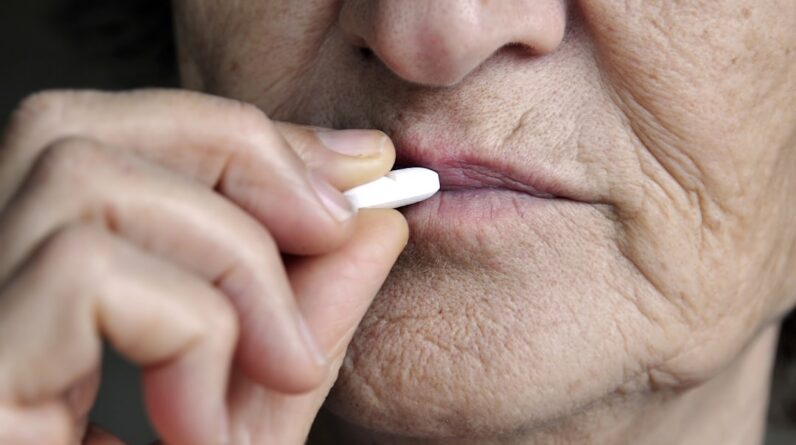
You’re likely here because you’ve noticed a shift in your skin. Perhaps it feels a little less elastic, prone to dryness, or you’re starting to see those fine lines etch themselves deeper. For a long time, the conversation around collagen supplements largely revolved around women, but the truth is, your skin, as a man’s, benefits just as much from this vital protein. Collagen is the scaffolding of your skin, its internal architecture, and as you age, this structure naturally begins to weaken. Understanding how collagen supplements can contribute to your skin’s hydration is about recognizing that your skin’s health is not a gendered issue, but a biological one.
You might think of collagen as simply another protein, but it’s much more than that. It’s the most abundant protein in your body, acting as the primary structural component of your connective tissues, including your skin. Imagine your skin as a meticulously woven tapestry. Collagen fibers are the strong, interwoven threads that provide tensile strength and resilience. Without sufficient collagen, your skin loses its tautness, becoming more susceptible to sagging and the development of wrinkles.
The Three Types of Collagen and Their Significance
While over 28 types of collagen exist, three are particularly relevant to your skin’s health: Type I, Type II, and Type III.
Type I Collagen: The Backbone of Your Skin
This is the dominant collagen type in your skin, making up about 75% to 90% of its total collagen content. Think of Type I collagen as the primary load-bearing beams in a building. It’s responsible for the firmness and structural integrity of your skin. Its dense, tightly packed fibers contribute to that smooth, youthful appearance. When its production begins to slow down, the “walls” of your skin start to sag, leading to the visible signs of aging.
Type II Collagen: The Shock Absorber
Primarily found in cartilage and joints, Type II collagen also plays a supporting role in skin health, though to a lesser extent than Type I. While its direct impact on skin hydration might be less pronounced, its presence in the body’s overall connective tissue matrix contributes to a general sense of structural well-being. You can visualize its role as being similar to the shock absorbers in a vehicle; they smooth out the ride and prevent jarring impacts, contributing to overall structural comfort.
Type III Collagen: The Early Communicator
Often found alongside Type I collagen, especially in younger skin, Type III collagen is crucial for the initial development and elasticity of skin. It’s like the early wiring and plumbing in a newly constructed building, establishing the fundamental framework. As you age, the ratio of Type III to Type I collagen often shifts, with a decrease in Type III contributing to a loss of suppleness and a slower response to hydration.
The Natural Decline: Why Age Affects Your Collagen
Your body is a remarkable system, but like any complex machinery, it experiences wear and tear. The production of collagen naturally begins to decline from your mid-20s onwards. This isn’t a sudden collapse but a gradual slowing of the cellular engines responsible for its synthesis. Factors like genetics, sun exposure (photoaging), pollution, poor diet, and stress can accelerate this process.
Environmental Insults: The Unseen Enemies of Collagen
The world around you exerts constant pressure on your skin. Ultraviolet (UV) radiation from the sun is a notorious collagen destroyer. It damages collagen fibers, making them brittle and less effective. Think of UV rays as relentless sandpaper, slowly but surely wearing away the smooth finish of your skin. Pollution particles, free radicals generated by environmental toxins, also contribute to oxidative stress, further compromising collagen integrity.
Lifestyle Choices: Fueling or Forgetting Your Collagen Engine
Your daily habits have a profound impact on your body’s ability to produce and maintain collagen. A diet lacking in essential nutrients, such as vitamins C and E, zinc, and copper – which are vital cofactors for collagen synthesis – can hinder the process. Smoking is another significant culprit; it constricts blood vessels, reducing the flow of nutrients and oxygen to the skin, and it also directly damages collagen fibers. Chronic stress, through its impact on hormone levels, can also indirectly affect collagen production.
Hydration’s Role in Skin Health and Collagen’s Contribution
Hydration is more than just feeling comfortable; it’s fundamental to the optimal functioning of your skin cells. Water is the lifeblood of your cells, and for your skin, it’s the solvent that allows essential processes, including collagen synthesis and repair, to occur efficiently. When your skin is well-hydrated, it’s plumper, more supple, and better able to maintain its structural integrity.
The Water Barrier: Your Skin’s First Line of Defense
Your skin acts as a barrier, preventing excessive water loss from your body and protecting you from external aggressors. This barrier function is largely dependent on the integrity of the stratum corneum, the outermost layer of your skin. This layer is composed of skin cells (corneocytes) embedded in a lipid matrix, much like bricks cemented together. Adequate hydration ensures this matrix is robust, preventing moisture from escaping.
Dehydrated Skin: A Compromised Ecosystem
When your skin becomes dehydrated, the entire cellular ecosystem is disrupted. Cells don’t function as effectively, nutrient transport can be impaired, and the skin’s ability to repair itself is diminished. Think of a parched field; the soil is cracked, and plants struggle to grow. Similarly, dehydrated skin becomes dull, rough, and more prone to irritation and the accentuation of fine lines. These lines, which are already a sign of weakened collagen, become more prominent when the skin lacks plumpness.
How Collagen Supports Skin Hydration
This is where collagen supplements come into play, not as direct moisturizers, but as foundational support for your skin’s inherent ability to retain water.
Collagen Peptides and Moisture Retention
Hydro
FAQs
What are collagen supplements and how do they benefit men’s skin hydration?
Collagen supplements are products containing collagen peptides or hydrolyzed collagen, which are intended to support the body’s natural collagen production. For men’s skin hydration, these supplements can help improve skin elasticity, moisture retention, and overall skin health by providing the necessary amino acids that promote skin repair and hydration.
Are collagen supplements effective for improving skin hydration in men?
Yes, studies have shown that collagen supplements can improve skin hydration and elasticity in men. Regular intake of collagen peptides has been associated with increased skin moisture levels and reduced dryness, contributing to healthier and more hydrated skin.
How should men take collagen supplements for optimal skin hydration results?
Men should follow the dosage instructions provided on the supplement packaging, typically ranging from 2.5 to 10 grams of collagen peptides daily. Consistency is key, and it may take several weeks of daily supplementation to notice visible improvements in skin hydration and texture.
Are there any side effects or risks associated with collagen supplements for men?
Collagen supplements are generally considered safe for most men when taken as directed. However, some individuals may experience mild side effects such as digestive discomfort or allergic reactions, especially if they have allergies to the source of collagen (e.g., fish or bovine). It is advisable to consult a healthcare professional before starting any new supplement.
Can collagen supplements be combined with other skincare routines for better hydration?
Yes, collagen supplements can be effectively combined with topical skincare products like moisturizers and hydrating serums. A comprehensive skincare routine that includes proper hydration, sun protection, and collagen supplementation can enhance overall skin health and hydration in men.