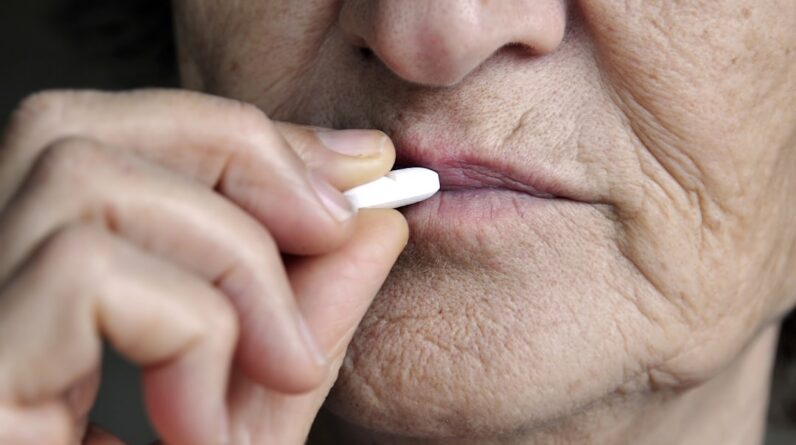
You’ve reached an age where the mirror might be reflecting a few more stories than you remember etching. The landscape of your skin, once a smooth canvas, now may show the gentle undulations of time. This is a natural progression, a testament to the years lived. However, if you’re considering ways to support your skin’s resilience and appearance as you navigate the years beyond 50, you’ve likely encountered the topic of collagen supplements. This article aims to explore the role of collagen in men’s skin after the age of 50, drawing on available scientific understanding and addressing common questions.
At its most fundamental, collagen is the most abundant protein in your body. Imagine it as the scaffolding that underpins your skin, giving it structure, firmness, and elasticity. It’s a complex molecule, a triple helix of amino acids, providing the tensile strength that prevents your skin from sagging. Think of your skin as a high-quality mattress; collagen fibers are the springs that keep it firm and buoyant, while elastin provides the flexibility to return to its original shape after being stretched.
The Biological Production of Collagen
Your body is a sophisticated biochemical factory. From your teenage years, it’s busily manufacturing collagen to keep your skin youthful and robust. This process, however, isn’t a perpetual motion machine.
Age-Related Decline in Collagen Synthesis
As you age, your body’s capacity to produce new collagen begins to decline. This isn’t a sudden event but a gradual ebbing. Commencing in your late 20s and accelerating through your 40s and beyond, the machinery that creates collagen starts to wind down. This decline is natural and influenced by a multitude of factors, including genetics, lifestyle, and environmental exposure. The rate of decline can vary significantly between individuals.
Factors Influencing Collagen Degradation
Beyond reduced production, your existing collagen can also be subject to breakdown. This process is known as degradation. You can think of collagen like a well-built brick wall; the mortar holding the bricks together (collagen fibers) can be eroded over time.
Ultraviolet (UV) Radiation: The Silent Saboteur
This is perhaps the most significant external factor contributing to collagen degradation. Prolonged exposure to the sun’s ultraviolet rays, without adequate protection, can damage the collagen fibers in your skin. The UV rays essentially act as tiny chisels, breaking down the structural integrity of your skin’s scaffolding. This damage can manifest as wrinkles, fine lines, and a loss of elasticity.
Smoking and Environmental Pollutants
The act of smoking introduces a cascade of harmful chemicals into your body, many of which can directly damage collagen or impede its production. Think of it as introducing corrosive agents into your internal scaffolding system. Similarly, exposure to environmental pollutants can also contribute to oxidative stress, which can indirectly harm collagen.
Poor Nutrition and Hydration
Your body requires building blocks and essential cofactors to synthesize and maintain collagen. A diet lacking in vital nutrients can’t provide the necessary raw materials. Furthermore, adequate hydration is crucial for maintaining skin turgor and the overall health of connective tissues. Dehydration can make your skin appear duller and more inelastic, even if collagen levels are adequate.
The Biochemical Makeup of Collagen
Collagen is not a monolithic entity. There are over 28 different types of collagen identified in the human body, each with specialized roles. However, for skin health, Type I and Type III collagen are of primary importance.
Type I Collagen: The Foundation
Type I collagen is the most abundant collagen in your skin, making up the vast majority of its structural framework. It’s strong and resilient, providing the tensile strength that keeps your skin taut. Imagine it as the main support beams of a building.
Type III Collagen: The Early Scaffolding
Type III collagen is also crucial, particularly in younger skin. It’s often found alongside Type I and contributes to the elasticity and flexibility of your skin. It’s like the initial framework laid down before the more robust beams are put in place. As you age, the proportion of Type III collagen may decrease relative to Type I.
Collagen Supplements: A Potential Avenue for Support
Given the natural decline in collagen production with age, the idea of supplementing with collagen has gained traction. These supplements typically contain hydrolyzed collagen, also known as collagen peptides. Hydrolyzed collagen is essentially collagen that has been broken down into smaller, more easily digestible chains of amino acids.
The Rationale Behind Collagen Supplementation
The theory behind collagen supplements is that by providing your body with readily available amino acids and peptide fragments, you can support its natural collagen synthesis processes. It’s like providing your construction crew with pre-fabricated components, potentially speeding up the rebuilding and repair process.
Hydrolyzed Collagen and Bioavailability
The process of hydrolysis breaks down the large collagen protein molecules into smaller peptides. This is believed to enhance their absorption and utilization by the body. Once absorbed, these peptides can be used as building blocks to synthesize new collagen, or they may stimulate your body’s own fibroblasts (collagen-producing cells) to increase collagen production. The extent to which this occurs is a subject
FAQs
What are collagen supplements and how do they benefit men over 50?
Collagen supplements are products containing collagen peptides or hydrolyzed collagen, which are intended to support the body’s natural collagen production. For men over 50, these supplements can help improve skin elasticity, hydration, and reduce the appearance of wrinkles, as collagen levels naturally decline with age.
Are collagen supplements safe for men over 50 to use?
Yes, collagen supplements are generally considered safe for most men over 50 when taken as directed. However, it is important to choose high-quality products and consult with a healthcare provider, especially if you have allergies or underlying health conditions.
How long does it take to see results from collagen supplements on skin?
Most studies suggest that noticeable improvements in skin hydration and elasticity can take between 4 to 12 weeks of consistent collagen supplement use. Results may vary depending on individual factors such as age, diet, and overall health.
Can collagen supplements replace a healthy skincare routine for men over 50?
No, collagen supplements should be used as a complement to a healthy skincare routine, not a replacement. Proper skincare, including moisturizing, sun protection, and a balanced diet, is essential for maintaining skin health alongside collagen supplementation.
What types of collagen are best for skin health in men over 50?
Type I and Type III collagen are most beneficial for skin health, as they are the primary types found in the skin. Many collagen supplements for skin support contain these types, often derived from bovine or marine sources.