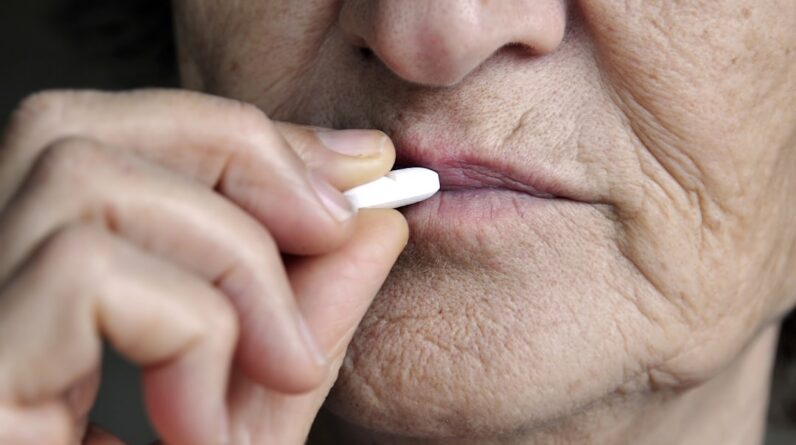
You’ve likely encountered collagen supplements in your quest for a more youthful appearance. They’re everywhere, promising to smooth wrinkles, strengthen hair, and plump skin. But beyond the marketing hype, what does the current medical and scientific literature say about their efficacy as an anti-aging strategy? This review aims to sift through the evidence, offering you a factual, unbiased look at collagen supplements and their role in your anti-aging regimen. Think of this as a diagnostic tool for your supplement choices, helping you understand what you’re putting into your body and what results you can realistically expect.
To grasp the potential impact of collagen supplements, you first need a foundational understanding of collagen’s role in your body and how its natural production wanes with age. Collagen is not just a buzzword; it’s the structural scaffolding of your body, the sturdy framework that holds everything together.
What is Collagen?
Structure and Function
Collagen is the most abundant protein in your body, making up a significant portion of your skin, bones, tendons, cartilage, and connective tissues. It’s composed of amino acids, primarily glycine, proline, and hydroxyproline, arranged in a triple helix structure. This unique structure provides tensile strength, enabling tissues to resist stretching and tearing. Imagine collagen as the steel reinforcement bars within the concrete of your body; without it, your tissues would lose their integrity and firmness.
Types of Collagen
There are at least 28 known types of collagen, but types I, II, and III are the most prevalent in the human body and are the primary targets for anti-aging discussions.
- Type I Collagen: The most abundant type, found in skin, tendons, ligaments, bone, and teeth. It’s crucial for providing structure and elasticity to your skin.
- Type II Collagen: Primarily found in cartilage, supporting joint health and shock absorption.
- Type III Collagen: Often found alongside Type I, particularly in skin, muscles, and blood vessels. It contributes to the suppleness and elasticity of these tissues.
The Aging Process and Collagen Decline
As you age, your body’s natural collagen production begins to slow down. This decline is influenced by several factors:
- Intrinsic Aging: This is the natural, genetically programmed aging process. Over time, fibroblasts, the cells responsible for collagen synthesis, become less active and produce less collagen of lower quality.
- Extrinsic Aging: This refers to aging caused by external environmental factors. Ultraviolet (UV) radiation from the sun is a major culprit, breaking down existing collagen and inhibiting new production. Smoking also significantly damages collagen and elastin.
- Hormonal Changes: Menopause, for instance, is associated with a significant drop in estrogen levels, which in turn accelerates collagen loss in women.
- Dietary Factors: A diet deficient in essential amino acids and cofactors necessary for collagen synthesis can also impair production.
This reduction in collagen translates into the visible signs of aging you might recognize: thinner, less elastic skin, fine lines and wrinkles, joint stiffness, and slower wound healing. It’s like a well-maintained building gradually showing wear and tear as its underlying support structure deteriorates.
Bioavailability and Absorption: The Journey of Collagen Peptides
The concept behind collagen supplements is simple: you ingest collagen, and your body uses it to replenish its own diminishing supply. However, the journey from a pill or powder to your cellular machinery is complex, and the effectiveness hinges on how well your body can break down and utilize the ingested collagen. This is where the concept of bioavailability and the role of collagen peptides become critical.
From Whole Collagen to Peptides
Hydrolysis and Collagen Peptides
Collagen, in its native form, is a large, complex molecule that is difficult for your digestive system to break down directly into usable building blocks. To overcome this, most collagen supplements utilize a process called hydrolysis. This process uses enzymes or acids to break down the long collagen chains into smaller fragments called peptides. These collagen peptides are essentially pre-digested collagen. Imagine trying to swallow a whole uncooked spaghetti strand versus breaking it into smaller pasta pieces; the latter is much easier to consume and process.
The Digestive Process
Once ingested, these collagen peptides enter your digestive tract. Unlike whole proteins that are broken down into individual amino acids, research suggests that collagen peptides can be absorbed intact into the bloodstream. They are thought to be absorbed in the small intestine and then transported to various tissues throughout the body.
Site-Specific Accumulation and Signaling
A key area of research focuses on whether these absorbed peptides preferentially accumulate in tissues that are rich in collagen, such as the skin and joints. The hypothesis is that certain peptides may act as signaling molecules, stimulating your own cells (fibroblasts in the skin, chondrocytes in cartilage) to increase their natural collagen production and repair mechanisms. This is akin to sending microscopic work crews to specific construction sites that need reinforcing.
Factors Affecting Absorption
While hydrolyzed collagen is designed for enhanced absorption, several factors can still influence how much of it actually reaches your target tissues:
- Peptide Size: Smaller peptides are generally believed to be more easily absorbed. Manufacturers often specify the molecular weight of their peptides, though this can vary.
- Digestive Health: Your individual digestive efficiency plays a role. Conditions that impair nutrient absorption, such as inflammatory bowel disease, could potentially reduce the effectiveness of collagen supplements.
- Other Dietary Components: The presence of other nutrients and food molecules alongside your collagen supplement might influence absorption, though research in this area is still emerging.
Understanding this journey from supplement to cells helps you appreciate why the form and processing of collagen in a supplement are important considerations when evaluating its potential anti-aging benefits.
Clinical Evidence: Scientific Studies on Collagen Supplements and Anti-Aging Outcomes
The most crucial aspect of any purported anti-aging intervention is the scientific evidence supporting its claims. For collagen supplements, a growing body of research explores their impact on various markers of aging, particularly skin health and joint function.
Impact on Skin Health and Appearance
This is arguably the most advertised benefit of collagen supplements. Numerous studies have investigated their effects on wrinkles, elasticity, hydration, and overall skin appearance.
- Reduced Wrinkles and Fine Lines: Several randomized controlled trials (RCTs), considered the gold standard in medical research, have investigated the efficacy of oral collagen peptides in reducing facial wrinkles. For example, some studies have reported statistically significant reductions in wrinkle depth and improvements in skin smoothness after several weeks or months of daily supplementation. These studies often compare a group taking collagen peptides against a placebo group.
- Improved Skin Elasticity: Elasticity refers to your skin’s ability to bounce back to its original shape after being stretched. Research suggests that collagen supplementation can improve skin elasticity, making it appear firmer and more toned. This is often measured using devices that assess skin recoil.
- Enhanced Skin Hydration: Well-hydrated skin appears plumper and more youthful. Some studies have indicated that collagen peptides can help increase skin hydration levels, contributing to a smoother and more radiant complexion.
- Increased Collagen and Hyaluronic Acid Synthesis: Mechanistic studies, often involving cell cultures or animal models, along with some human biopsy studies, suggest that collagen peptides may stimulate fibroblasts to produce more Type I collagen and hyaluronic acid, the natural humectant that binds water in the skin.
Effects on Joint Health and Osteoarthritis
Beyond aesthetics, collagen plays a vital role in joint health. Many individuals seek collagen supplements for relief from joint pain and to support cartilage health, particularly those experiencing osteoarthritis.
- Reduced Joint Pain: Several clinical trials have examined the impact of collagen supplementation on individuals with osteoarthritis or general joint pain. Some studies have reported a significant reduction in pain scores, particularly in individuals with exercise-induced joint discomfort or knee osteoarthritis. This relief is often compared to placebo groups.
- Improved Joint Function: Beyond pain reduction, some research suggests that collagen supplementation can lead to improvements in joint function, allowing for easier movement and increased range of motion.
- Cartilage Health and Repair: The theory behind collagen for joints is that it provides building blocks for cartilage and may stimulate chondrocytes (cartilage cells) to repair damaged tissue. While direct evidence of cartilage regeneration from oral supplementation in humans is challenging to obtain and interpret, animal studies and some indirect human data hint at potential benefits in maintaining cartilage integrity.
Other Potential Anti-Aging Benefits
While skin and joint health are the most researched areas, some preliminary evidence suggests potential benefits in other anti-aging aspects.
- Bone Health: Given that Type I collagen is a major component of bone matrix, some research is exploring the role of collagen supplements in supporting bone density and preventing osteoporosis. However, this area requires more robust clinical investigation.
- Hair and Nail Strength: Anecdotal evidence and some smaller studies suggest that collagen supplementation might improve the strength and growth of hair and nails. The reasoning is that collagen provides amino acids that are necessary for keratin production, the primary protein in hair and nails.
It is vital to remember that the strength of evidence varies across these areas. While there is a growing consensus on the potential benefits for skin elasticity and hydration, and emerging data on joint pain relief, further large-scale, long-term studies are often needed to definitively confirm these effects and establish optimal dosages and treatment durations.
Types of Collagen Supplements: Navigating the Market Landscape
The collagen supplement market is a veritable ocean of options, with products varying in formulation, source, and type of collagen. Understanding these differences can help you make a more informed purchasing decision.
Hydrolyzed Collagen (Collagen Peptides)
The Dominant Form
As discussed earlier, hydrolyzed collagen, also known as collagen peptides, is the most common form found in supplements. This is because the hydrolysis process breaks down the large collagen molecules into smaller, more bioavailable peptides.
Sources of Hydrolyzed Collagen
| Metric | Details | Findings | Comments |
|---|---|---|---|
| Type of Collagen | Hydrolyzed Collagen Peptides (Type I & III) | Most commonly used in supplements for skin health | Type I collagen is predominant in skin, Type III supports skin elasticity |
| Dosage | 2.5 – 10 grams per day | Effective doses reported between 2.5g to 10g daily | Higher doses may provide better skin hydration and elasticity |
| Duration of Use | 4 to 12 weeks | Improvements in skin elasticity and hydration observed after 4 weeks | Longer use may enhance anti-aging effects |
| Skin Hydration | Measured by corneometry | 10-20% increase in skin hydration reported | Hydrolyzed collagen may improve moisture retention |
| Skin Elasticity | Measured by cutometer | Up to 15% improvement in skin elasticity | Supports reduction in wrinkle depth and skin sagging |
| Wrinkle Reduction | Visual and instrumental assessment | Noticeable reduction in wrinkle depth after 8 weeks | Results vary depending on formulation and individual factors |
| Safety Profile | Adverse effects | Generally well tolerated, minor gastrointestinal discomfort reported | Consult healthcare provider if pregnant or allergic to fish/animal products |
| Additional Ingredients | Vitamin C, Hyaluronic Acid, Zinc | Vitamin C enhances collagen synthesis | Synergistic effects improve overall skin benefits |
| Clinical Evidence | Randomized controlled trials (RCTs) | Multiple RCTs support efficacy in skin aging parameters | More large-scale studies needed for conclusive evidence |
The origin of the collagen is a key differentiator:
- Bovine Collagen: Derived from cows, this is a very common source. It primarily provides Type I and Type III collagen, making it a popular choice for skin and general connective tissue health.
- Marine Collagen: Sourced from fish (skins and scales), this is often rich in Type I collagen and is a popular alternative for those avoiding bovine products or seeking a potentially more easily absorbed form (due to smaller peptide sizes found in some marine sources). It’s also often considered more sustainable.
- Porcine Collagen: Derived from pigs, this typically provides Type I and III collagen and is less common than bovine or marine sources in Western markets.
- Chicken Collagen: Primarily provides Type II collagen, making it specifically marketed for joint health and cartilage support.
Undenatured Collagen
A Different Approach to Joint Health
- Type II Undenatured Collagen (UC-II): This form of collagen is not hydrolyzed and is intended to be absorbed intact in the intestinal tract. The theory is that it works through a process called oral tolerance, where the immune system is exposed to small amounts of the antigen (undenatured collagen) in the gut, potentially reducing inflammatory responses in the joints and promoting cartilage health.
- Mechanism of Action: Unlike hydrolyzed collagen, which provides building blocks, UC-II aims to modulate the immune response related to joint inflammation.
- Research: While research on UC-II is growing, it is more focused on joint health and osteoarthritis than general anti-aging. Some studies have shown promising results in reducing joint pain and improving function.
Other Collagen Forms and Additives
###
FAQs
What are collagen supplements and how do they work for anti-aging?
Collagen supplements typically contain hydrolyzed collagen peptides that are easier for the body to absorb. When ingested, these peptides may stimulate the body’s own collagen production, potentially improving skin elasticity, hydration, and reducing wrinkles associated with aging.
Are collagen supplements scientifically proven to be effective for anti-aging?
Some clinical studies suggest that collagen supplements can improve skin elasticity, hydration, and reduce signs of aging when taken consistently over several weeks to months. However, more large-scale, long-term research is needed to fully confirm their efficacy and understand optimal dosages.
What types of collagen are commonly found in supplements for anti-aging?
The most common types of collagen in supplements are Type I, II, and III. Type I and III are primarily found in skin, hair, and nails, making them popular for anti-aging purposes. Type II is more associated with joint health.
Are collagen supplements safe to use for most people?
Collagen supplements are generally considered safe for most individuals when taken as directed. However, people with allergies to the source of collagen (such as fish or bovine) should avoid certain products. It is advisable to consult a healthcare provider before starting any new supplement.
Can collagen supplements replace other anti-aging skincare treatments?
Collagen supplements can complement but not fully replace topical skincare treatments or medical procedures aimed at anti-aging. A comprehensive approach including sun protection, moisturizers, and possibly dermatological treatments is recommended for optimal skin health.