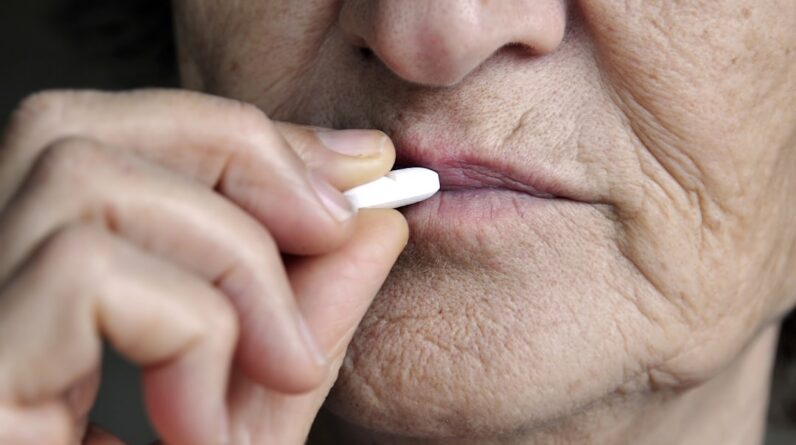
You’re noticing the subtle shifts on your face. The once taut canvas now bears a few more brushstrokes of time – fine lines etching stories, a slight loss of firmness where youthful plumpness resided. This is a natural progression, a testament to a life lived. And as you explore avenues to support your skin’s changing landscape, collagen supplements often emerge as a popular topic. This article will delve into the scientific underpinnings and practical considerations of collagen supplementation for facial skin as you age, separating the established facts from the hype.
You might be wondering if these tiny capsules or powders can truly make a difference. Collagen, after all, is the very scaffolding of your skin, the protein responsible for its structure and elasticity. As you age, your body’s natural collagen production begins to decline, a biological reality that directly impacts your skin’s appearance. Understanding this fundamental process is the first step in evaluating the potential role of exogenous collagen in your anti-aging strategy.
Think of your skin as a sophisticated building. Collagen represents the foundational beams and structural supports. It’s a fibrous protein, abundant in your dermis, the layer beneath your epidermis. It provides the tensile strength that keeps your skin firm and prevents it from sagging. Alongside collagen, elastin acts as the elastic bands, allowing your skin to snap back into place after being stretched. Glycosaminoglycans (GAGs), such as hyaluronic acid, are the cushioning between these structural elements.
Type I Collagen: The Workhorse
The vast majority of collagen in your skin, particularly in adults, is Type I. This is the collagen that contributes most significantly to your skin’s firmness and the smoothing of wrinkles. It’s a triple helix structure, organized into strong fibrils that provide resilience.
Type II and III Collagen: Supporting Players
While Type I collagen dominates your skin, other types also play supporting roles. Type II collagen is more prevalent in cartilage, and Type III collagen is found alongside Type I in younger skin, contributing to its suppleness. As you age, the proportion of Type III collagen tends to decrease, while Type I becomes more prominent.
The Natural Decline: A Biological Slowdown
From your mid-20s onwards, your body’s endogenous collagen synthesis begins a gradual, albeit imperceptible at first, decline. This slowing down is influenced by a confluence
FAQs
What are collagen supplements and how do they work for aging skin?
Collagen supplements typically contain hydrolyzed collagen peptides that are easier for the body to absorb. When ingested, these peptides may stimulate the body’s natural collagen production, helping to improve skin elasticity, hydration, and reduce the appearance of wrinkles associated with aging.
Are collagen supplements effective in improving the appearance of aging face skin?
Scientific studies suggest that regular intake of collagen supplements can improve skin elasticity, moisture levels, and reduce wrinkles over time. However, results can vary depending on the individual’s age, skin condition, and the quality of the supplement.
What types of collagen are commonly found in supplements for skin health?
Type I and Type III collagen are the most common types found in supplements targeting skin health. Type I collagen is the most abundant in the skin, providing structure and strength, while Type III supports skin elasticity and firmness.
Are there any side effects or risks associated with taking collagen supplements?
Collagen supplements are generally considered safe for most people. However, some individuals may experience mild side effects such as digestive discomfort or allergic reactions, especially if they have allergies to the source of collagen (e.g., fish, bovine).
How long does it take to see results from collagen supplements for aging skin?
Most studies indicate that noticeable improvements in skin appearance may take between 4 to 12 weeks of consistent collagen supplement use. Long-term use is often recommended to maintain the benefits.