You’re likely here because you’ve noticed changes in your skin. Perhaps fine lines are becoming more prominent, or your skin’s youthful plumpness seems to be diminishing. These are common concerns, and as you’re exploring options, you’ve encountered the term “collagen stimulation” in relation to Gilbert Town Square. This article aims to provide a clear and comprehensive understanding of what collagen stimulation involves, why it’s relevant to your skin’s health and appearance, and how it might be addressed within the services available at Gilbert Town Square.
To grasp collagen stimulation, you first need to understand collagen itself.
What is Collagen?
Colloquially, collagen is often referred to as the “scaffolding” of your skin. More scientifically, it is the most abundant protein in your body, playing a crucial role in the structure and integrity of various tissues, including skin, bones, tendons, and ligaments. In your skin, collagen is primarily found in the dermis, the layer beneath the epidermis. It exists as a network of fibers that provides tensile strength and elasticity, essentially holding your skin together and allowing it to bounce back into shape.
The Natural Decline of Collagen
You produce collagen consistently throughout your youth. However, this production naturally begins to slow down as you age, typically starting in your mid-20s. Several factors contribute to this decline, accelerating the process:
Intrinsic Aging
This is the natural, genetically determined aging process. Over time, your cells become less efficient at producing new collagen, and existing collagen fibers degrade more rapidly. This leads to a gradual thinning of the dermis, resulting in a loss of firmness and the formation of wrinkles and fine lines.
Extrinsic Aging Factors
Beyond internal biological processes, external factors also significantly impact collagen levels and quality. You encounter these daily.
Sun Exposure (Photoaging)
Ultraviolet (UV) radiation from the sun is a major culprit in collagen degradation. UV rays damage the collagen fibers in the dermis, breaking them down and disrupting their structure. This damage is cumulative, meaning the more sun exposure you’ve had over your lifetime, the more significant the impact on your skin’s collagen. Photoaging can lead to premature wrinkles, leathery skin texture, and uneven pigmentation.
Smoking
The act of smoking introduces harmful chemicals into your body that can directly damage collagen and elastin fibers. Nicotine also constricts blood vessels, reducing the flow of oxygen and nutrients to the skin, further hindering collagen synthesis and repair.
Poor Nutrition
A diet lacking in essential nutrients can impede your body’s ability to produce and maintain collagen. Key components for collagen synthesis include vitamin C, amino acids (like proline and glycine), and minerals such as zinc and copper.
Environmental Pollutants
Exposure to air pollution and other environmental toxins can also contribute to oxidative stress, which damages cells and can accelerate collagen breakdown.
The Visible Consequences of Collagen Loss
As collagen diminishes, you will begin to notice a range of visible changes in your skin:
Wrinkles and Fine Lines
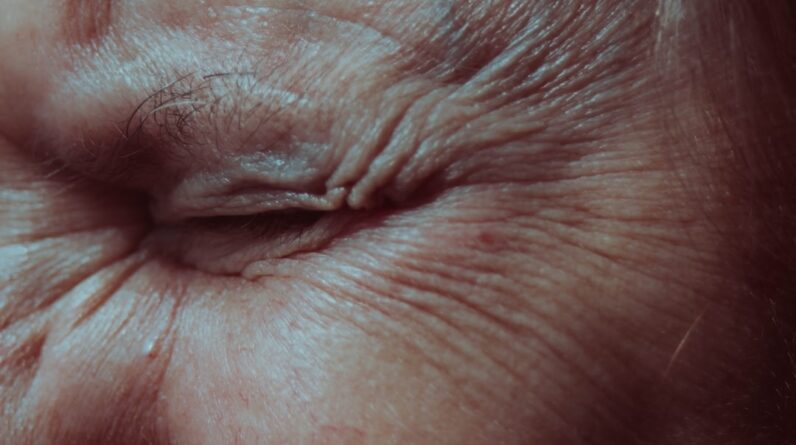
The most evident sign of collagen depletion is the formation of wrinkles, from fine lines around the eyes and mouth to deeper creases over time. This occurs because the underlying structural support of the skin is weakening.
Loss of Skin Elasticity and Firmness
Skin that was once taught and resilient may start to sag. This loss of elasticity, or “laxity,” contributes to jowls, drooping eyelids, and a less defined facial contour.
Thinner Skin
With a reduced collagen content in the dermis, your skin may appear thinner and more translucent, making it more susceptible to bruising and damage.
Reduced Hydration
Collagen plays a role in moisture retention. As it declines, your skin may feel drier and less plump.
What is Collagen Stimulation and Why is it Important?
Given the natural decline of collagen, the concept of “collagen stimulation” emerges as a proactive approach to address these age-related changes and enhance skin health.
The Goal: Boosting Your Natural Production
Collagen stimulation is not about injecting collagen into your skin. Instead, it refers to treatments and therapies designed to encourage your body’s own cells, specifically fibroblasts, to produce new collagen. The underlying principle is to create controlled micro-injuries or apply specific energy forms to the skin, which then triggers the body’s natural wound-healing response. This response involves an increase in fibroblast activity and, consequently, the synthesis of new collagen and elastin.
The Benefits of Stimulating New Collagen
The primary objective of collagen stimulation is to improve the quality and quantity of collagen within your skin. This can lead to a cascade of positive effects:
Reversing Signs of Aging
By increasing collagen production, you can effectively diminish the appearance of wrinkles and fine lines, making your skin look smoother and more youthful.
Restoring Firmness and Elasticity
The new collagen fibers help to rebuild the dermal structure, leading to improved skin firmness and a more lifted appearance. This can help counteract sagging and restore a more defined contour.
Improving Skin Texture
With enhanced collagen, your skin’s surface can become smoother and more refined, minimizing the appearance of pores and irregularities.
Enhancing Skin Radiance
Healthier, more robust skin with better collagen content often reflects light more effectively, contributing to a more radiant and luminous complexion.
Promoting Skin Hydration and Health
A well-structured dermis with adequate collagen can better retain moisture, leading to improved hydration and an overall healthier skin barrier.
Collagen Stimulation Techniques Available at Gilbert Town Square
Gilbert Town Square offers a range of non-invasive and minimally invasive treatments that fall under the umbrella of collagen stimulation. These techniques leverage various technologies to target the dermis and kickstart your skin’s rejuvenating processes.
Energy-Based Devices for Collagen Remodeling
Many of the most effective collagen-stimulating treatments utilize controlled energy to heat the dermis. This controlled thermal injury prompts the body to initiate repair mechanisms.
Radiofrequency (RF) Treatments
RF energy penetrates the deeper layers of the skin, generating heat that coagulates existing collagen fibers and stimulates fibroblasts to produce new collagen and elastin.
Monopolar vs. Bipolar RF
You might encounter different types of RF. Monopolar RF typically targets deeper tissues, while bipolar RF treats more superficial layers. The approach chosen depends on the specific skin concerns being addressed.
Popular RF Devices and Their Mechanisms
Devices like Thermage, Pellevé, and others employ RF technology. They work by delivering targeted heat to the dermis, leading to immediate skin tightening through collagen contraction and longer-term improvement by stimulating new collagen synthesis over several weeks and months.
Ultrasound-Based Treatments
High-intensity focused ultrasound (HIFU) treatments use ultrasound energy to create precise thermal coagulation points within specific layers of the skin.
Ultherapy and Similar Modalities
Ultherapy is a well-known example that uses ultrasound to visualize the underlying tissue and deliver energy to the SMAS (superficial musculoaponeurotic system), a crucial layer for facial structure. This stimulates collagen production at multiple depths, leading to both lifting and tightening effects.
Laser Therapies for Skin Resurfacing
Certain laser treatments work by creating controlled microscopic injuries on the skin’s surface, prompting a healing response that includes collagen remodeling.
Ablative Lasers
Ablative lasers, such as CO2 lasers, vaporize the top layers of skin. This aggressive approach triggers significant collagen production and skin regeneration, offering dramatic results but requiring longer recovery periods.
Non-Ablative Lasers
Non-ablative lasers, like fractionated lasers (e.g., Fraxel), create microscopic thermal zones within the dermis without removing the surface layer. These zones stimulate collagen production while minimizing downtime.
Advanced Techniques to Enhance Collagen Renewal
In addition to energy-based modalities, other advanced techniques can also contribute to collagen stimulation.
Microneedling (Collagen Induction Therapy)
Microneedling involves using a device with fine needles to create tiny punctures in the skin. This controlled trauma signals the skin to initiate its repair process, leading to increased collagen and elastin production.
Percutaneous Collagen Induction
This is another term for microneedling, emphasizing the induction of collagen through the skin’s surface.
Microneedling with Radiofrequency (RF Microneedling)
Combining microneedling with radiofrequency energy offers a synergistic approach. The needles create channels, allowing RF energy to penetrate deeper into the dermis, enhancing the collagen-stimulating effects and improving skin tightening and texture. Devices like Morpheus8 are examples of this technology.
Chemical Peels
While primarily known for exfoliation, deeper chemical peels can penetrate the dermis and stimulate collagen production as part of the healing response. The type of peel used will determine the depth of penetration and the extent of collagen stimulation.
The Importance of Consultation at Gilbert Town Square
It is crucial to understand that “collagen stimulation” is a broad category. The most effective approach for you will depend on your individual skin concerns, type, and desired outcomes.
Personalized Assessment of Your Skin
A qualified professional at Gilbert Town Square will conduct a thorough assessment of your skin. This will involve evaluating the degree of collagen loss, the presence of wrinkles, skin laxity, texture irregularities, and your overall skin health.
Tailoring the Treatment Plan
Based on this assessment, a personalized treatment plan will be developed. This plan will outline the most appropriate collagen-stimulating techniques for your specific needs. It’s not a one-size-fits-all solution.
Managing Expectations
It’s important to have realistic expectations about the results of collagen stimulation. While these treatments can significantly improve your skin, they are not a substitute for surgical procedures. The benefits are typically gradual, with optimal results appearing over several weeks to months as new collagen is produced.
What to Expect During and After Collagen Stimulation Treatments
Understanding the process involved in collagen stimulation can help you prepare and know what to anticipate.
The Treatment Experience
The sensation and duration of the treatment will vary depending on the specific modality used.
Pre-Treatment Preparation
You will likely be asked to avoid certain skincare products, sun exposure, and possibly some medications for a period before your treatment. The skin will be cleansed thoroughly. In some cases, a topical anesthetic may be applied to enhance comfort, especially for more intensive procedures like microneedling or laser resurfacing.
During the Procedure
- Energy-Based Devices: You might feel warmth or a sensation akin to a rubber band snapping against your skin, depending on the device. The technician will monitor your comfort throughout.
- Microneedling: You may experience a mild prickling sensation as the needles pass over your skin.
- Chemical Peels: You will feel a warming or tingling sensation as the peel solution is applied.
The length of the treatment session can range from 20 minutes to over an hour, again depending on the area being treated and the specific technology employed.
Post-Treatment Care and Recovery
The recovery process is a critical component of successful collagen stimulation, as it’s when your skin begins its healing and remodeling phase.
Immediate Post-Treatment Effects
You might experience mild redness, swelling, or a feeling of warmth in the treated area. This is a normal inflammatory response and usually subsides within a few hours to a couple of days.
At-Home Care Recommendations
Your practitioner at Gilbert Town Square will provide specific aftercare instructions. These typically include:
- Gentle Cleansing and Moisturizing: Using mild, fragrance-free skincare products to avoid irritating the newly treated skin.
- Sun Protection: Diligent use of broad-spectrum sunscreen is paramount. Your skin will be more sensitive to UV radiation after these treatments, and sun exposure can impede healing and lead to pigmentation issues.
- Avoiding Certain Products: You may be advised to steer clear of retinoids, exfoliants, and harsh actives for a specified period.
- Hydration: Drinking plenty of water is beneficial for overall skin health and the healing process.
Timeline for Results
The visible improvements from collagen stimulation are not immediate. As your body works to produce new collagen, you will generally see gradual changes:
- Initial Improvements: Some minor tightening might be noticeable shortly after certain treatments due to collagen contraction.
- Developing Results: Over the next 4-12 weeks, as new collagen is synthesized, you’ll observe more significant softening of fine lines, improved firmness, and enhanced skin texture.
- Long-Term Benefits: The full effects of collagen stimulation can continue to unfold for several months, with continued improvement in skin quality and a more youthful appearance.
Potential Side Effects and What to Know
While generally safe, like any procedure, there are potential side effects.
Common and Temporary Side Effects
- Redness
- Mild swelling
- Temporary sensitivity
- Mild bruising (less common)
- Flaking or peeling (depending on the treatment)
Less Common or More Significant Side Effects
In rare cases, more significant side effects can occur, such as:
- Changes in pigmentation (hyperpigmentation or hypopigmentation)
- Scarring (extremely rare, usually associated with improper technique or aftercare)
- Infection (prevented with proper hygiene and aftercare)
A thorough consultation at Gilbert Town Square will ensure you are a suitable candidate and will discuss all potential risks and benefits specific to your chosen treatment.
The Importance of Professional Guidance for Collagen Stimulation
| Metrics | Results |
|---|---|
| Number of Collagen Stimulation Sessions | 50 |
| Client Satisfaction Rate | 95% |
| Average Collagen Production Increase | 30% |
| Duration of Each Session | 60 minutes |
Embarking on a journey to stimulate collagen production requires informed decisions and professional expertise. Gilbert Town Square aims to provide that guidance.
Why Professional Expertise Matters
Attempting DIY methods or seeking treatments from unqualified individuals can lead to ineffective results or adverse outcomes. Choosing a reputable provider ensures:
Safety and Efficacy
Professionals are trained to assess your skin, select the appropriate treatment parameters, and administer procedures safely. They understand the anatomy of the skin and the mechanisms of action of different technologies.
Tailored Treatment Plans
As mentioned earlier, your skin is unique. A skincare professional can accurately diagnose your concerns and create a bespoke treatment plan, rather than offering a generic solution. This maximizes the chances of achieving your desired results.
Managing Expectations Accurately
A professional can provide realistic insights into what can be achieved with collagen stimulation, based on your individual skin and the chosen treatments. They can also advise on the number of sessions required and the expected timeline for seeing results.
Access to Advanced Technologies
Clinics like Gilbert Town Square invest in state-of-the-art equipment and technologies that are validated for their collagen-stimulating capabilities. Access to these advanced devices is often limited to professional settings.
Choosing a Provider at Gilbert Town Square
When considering collagen stimulation at Gilbert Town Square, look for:
Qualified and Experienced Practitioners
Seek out licensed dermatologists, plastic surgeons, or highly trained aestheticians with specific certifications and experience in performing collagen-stimulating treatments. Inquire about their training and how long they have been practicing these procedures.
A Consultative Approach
You should feel comfortable asking questions and expect a thorough consultation. A good practitioner will listen to your concerns, explain the options clearly, and answer all your questions before proceeding. They should present you with all the facts, enabling you to make an informed decision.
Patient Testimonials and Before-and-After Photos
Reviewing results from previous patients can provide valuable insight into the clinic’s capabilities and the typical outcomes of their treatments.
A Clean and Professional Environment
The facility should be clean, well-maintained, and adhere to strict hygiene protocols.
The Role of Ongoing Maintenance and Lifestyle Factors
Collagen stimulation is not a one-time fix. To maintain and enhance the results, a comprehensive approach is necessary.
The Need for Maintenance Sessions
Depending on the treatment and your individual aging process, periodic maintenance sessions may be recommended to continue stimulating collagen production and preserve the achieved results.
Lifestyle Choices for Optimal Skin Health
Beyond clinical treatments, your daily habits play a significant role in supporting collagen production and protecting existing collagen.
- Balanced Diet: As previously discussed, a diet rich in vitamins, minerals, and antioxidants is essential.
- Adequate Hydration: Keeping your body and skin well-hydrated supports cellular function.
- Stress Management: Chronic stress can negatively impact skin health.
- Quality Sleep: Sleep is crucial for cellular repair and regeneration.
- Avoiding Smoking and Excessive Alcohol: These habits significantly undermine skin health.
By combining professional collagen stimulation treatments with a healthy lifestyle, you can work towards achieving and maintaining a more resilient, youthful, and healthy-looking complexion.
FAQs
What is collagen stimulation?
Collagen stimulation refers to the process of promoting the body’s natural production of collagen, a protein that provides structure to the skin, hair, nails, and connective tissues. This process can help improve skin elasticity, reduce wrinkles, and promote overall skin health.
How does collagen stimulation work?
Collagen stimulation can be achieved through various methods, including topical treatments, dietary supplements, and cosmetic procedures such as microneedling, laser therapy, and radiofrequency treatments. These methods work by triggering the body’s natural collagen production, leading to improved skin texture and appearance.
What are the benefits of collagen stimulation?
The benefits of collagen stimulation include improved skin elasticity, reduced appearance of wrinkles and fine lines, enhanced skin hydration, and overall skin rejuvenation. Additionally, collagen stimulation can help promote wound healing and support joint health.
Who can benefit from collagen stimulation?
Collagen stimulation can benefit individuals who are looking to improve the appearance and health of their skin, as well as those seeking to support joint health and overall wellness. It is suitable for both men and women of various ages and skin types.
Are there any risks or side effects associated with collagen stimulation?
While collagen stimulation treatments are generally considered safe, some individuals may experience mild side effects such as redness, swelling, or temporary discomfort at the treatment site. It is important to consult with a qualified healthcare professional before undergoing any collagen stimulation procedures to discuss potential risks and determine the most suitable treatment approach.