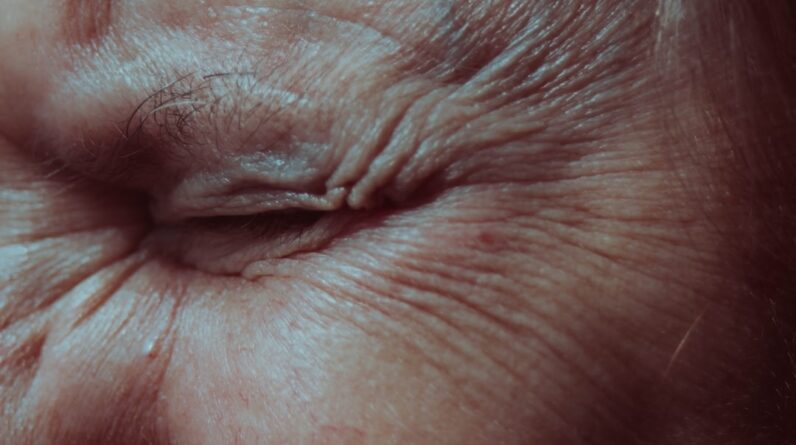
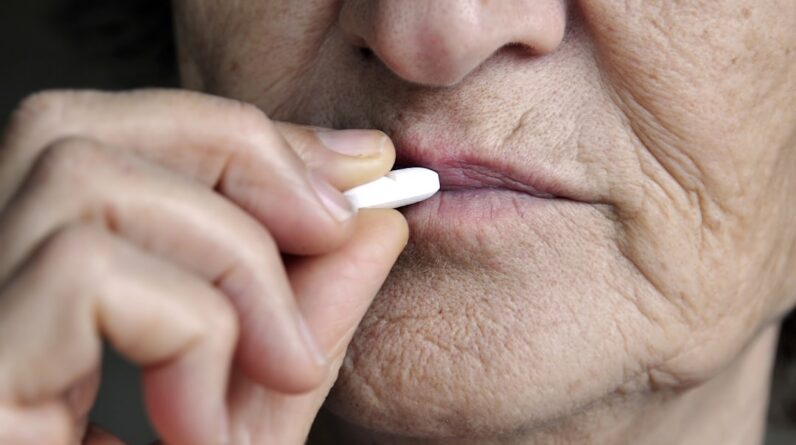
As your skin matures, you may notice changes in its appearance and behavior. This is a natural part of the aging process, and while inevitable, it is often manageable through skincare strategies. One such strategy involves the incorporation of collagen and hyaluronic acid into your routine, two popular ingredients often found together in topical formulations, aimed at addressing common concerns associated with aging skin.
The Natural Reduction of Key Components
Your skin, at its core, is a complex and dynamic organ. Think of it as a robust, flexible mattress. In youth, this mattress is supported by a dense network of springs and plush cushioning. Collagen, the primary structural protein, acts as those strong springs, providing firmness and resilience. Hyaluronic acid, a humectant molecule, functions as the cushioning, capable of holding many times its weight in water, thereby keeping the mattress plump and hydrated.
As you age, however, this internal scaffolding begins to weaken. Over time, your body’s natural production of collagen slows down. This reduction is not a sudden event but a gradual decline, akin to the slow loosening of those mattress springs. You might also observe a decrease in sebum production, the skin’s natural oil, which contributes to its moisture barrier. Furthermore, the concentration and efficacy of hyaluronic acid within your skin can diminish. This combination leads to a mattress that loses its tautness, develops visible depressions (wrinkles and fine lines), and feels drier, less supple.
External Factors Contributing to Skin Aging
Beyond intrinsic biological processes, external environmental factors also play a significant role in accelerating skin aging. The most well-documented culprit is ultraviolet (UV) radiation from the sun. Think of UV rays as relentless sandblasting, constantly eroding
FAQs
What is the benefit of combining collagen and hyaluronic acid for aging skin?
Combining collagen and hyaluronic acid helps improve skin hydration, elasticity, and firmness. Collagen supports the skin’s structural integrity, while hyaluronic acid retains moisture, reducing the appearance of wrinkles and fine lines.
How does collagen affect aging skin?
Collagen is a key protein that provides strength and structure to the skin. As we age, collagen production decreases, leading to sagging and wrinkles. Supplementing collagen can help restore skin elasticity and promote a more youthful appearance.
What role does hyaluronic acid play in skin health?
Hyaluronic acid is a natural substance in the skin that holds moisture, keeping the skin plump and hydrated. With age, hyaluronic acid levels decline, causing dryness and loss of volume. Using hyaluronic acid helps maintain skin moisture and smoothness.
Are collagen and hyaluronic acid supplements effective for improving skin aging?
Studies suggest that oral or topical collagen and hyaluronic acid supplements can improve skin hydration, elasticity, and reduce wrinkles when used consistently. However, results may vary depending on the product quality and individual skin condition.
Can collagen and hyaluronic acid be used together in skincare products?
Yes, many skincare products combine collagen and hyaluronic acid to maximize anti-aging benefits. This combination helps support skin structure while providing deep hydration, making it a popular choice for aging skin treatments.