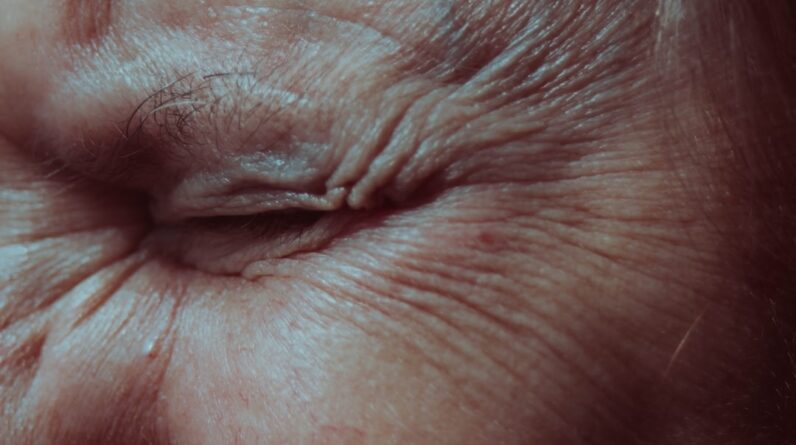
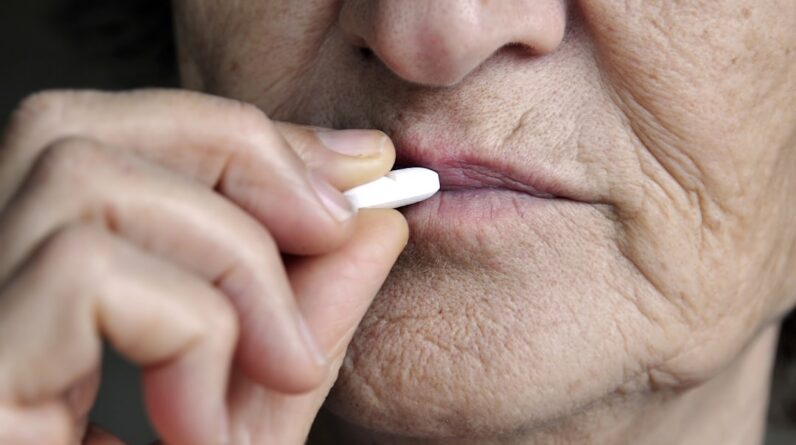
You’ve likely encountered “Collagen Hyaluronic Acid Anti Aging Support” on product labels or in marketing materials, a potent pairing often presented as a key to unlocking youthful skin. This article aims to provide a factual examination of these two compounds, exploring their roles in your body and how their supplementation might influence the aging process. Think of your skin as a complex building, and these two ingredients as fundamental structural components. Understanding their individual contributions and how they interact can help you make informed decisions about your skincare and supplement routines.
Collagen constitutes the primary structural protein in your body, acting as the scaffolding that holds everything together. It’s not a single entity but a family of proteins, with at least 28 identified types, each with distinct functions and locations. However, for the purposes of skin health and anti-aging, Type I and Type III collagen are of paramount importance.
The Abundance of Collagen and Its Decline
In your youth, your body is a veritable factory, churning out collagen at an impressive rate. This abundance is responsible for the plumpness, elasticity, and resilience you associate with younger skin. However, as you age, this production naturally slows down. Several external factors can further accelerate this decline, including:
- Sun Exposure (UV Radiation): Ultraviolet rays are a notorious collagen destroyer. They penetrate the skin and disrupt the collagen fibers, leading to a breakdown and loss of structural integrity. Imagine prolonged exposure to harsh sunlight as a relentless sandblaster, eroding the building’s facade.
- Smoking: The chemicals in cigarette smoke are toxic to collagen-producing cells, known as fibroblasts. Smoking also constricts blood vessels, reducing the delivery of essential nutrients and oxygen to the skin, further hindering collagen synthesis and repair.
- Poor Diet: A diet lacking in essential nutrients, particularly protein, vitamins C and E, and zinc, can impair your body’s ability to produce and maintain collagen. These nutrients are the raw materials and the skilled laborers essential for the construction and upkeep of your cellular structures.
- Environmental Pollutants: Air pollution and other environmental toxins can generate free radicals, which are unstable molecules that damage cells, including those responsible for collagen production. This is akin to environmental grime accumulating on your building, weakening its structure over time.
- Glycation: This is a process where sugars in your bloodstream attach to proteins, including collagen, forming advanced glycation end-products (AGEs). AGEs make collagen fibers stiff and brittle, leading to a loss of elasticity and contributing to wrinkles. Picture sugar molecules crudely welding the structural beams together, making them rigid and prone to snapping.
Types of Collagen and Their Significance for Skin
While there are many types of collagen, the ones most relevant to skin health are:
- Type I Collagen: This is the most abundant collagen in your body, making up approximately 80-90% of your skin’s collagen. It forms dense bundles that provide tensile strength and firmness, acting as the main load-bearing beams of your skin’s structure. Without sufficient Type I collagen, your skin would sag and lose its tautness.
- Type III Collagen: Often found alongside Type I collagen, particularly in younger skin, Type III collagen contributes to the initial framework and elasticity. It’s like the supporting rebar within the concrete, providing flexibility and resilience. As skin ages, the ratio of Type III to Type I collagen often decreases.
- Type II Collagen: This type is primarily found in cartilage, making it crucial for joint health. While not as directly impactful on skin appearance as Type I and III, compromised joint health can indirectly affect your overall mobility and, by extension, your ability to engage in activities that promote skin health.
The Role of Collagen Peptides in Supplementation
When you see “collagen peptides” or “hydrolyzed collagen” on a supplement label, it refers to collagen that has been broken down into smaller chains of amino acids. This process makes it easier for your body to absorb and utilize. The theory is that these peptides can signal your body to increase its own collagen production, or, in some theories, that these peptides are absorbed and directly incorporated into the skin’s collagen matrix. Think of collagen peptides as pre-fabricated components, ready for immediate integration into your body’s building projects.
Delving into Hyaluronic Acid: The Hydration Hero
Hyaluronic acid, also known as hyaluronan, is a glycosaminoglycan, a type of sugar molecule that occurs naturally in your body. Its most prominent characteristic is its extraordinary ability to retain water. A single molecule of hyaluronic acid can hold up to 1,000 times its weight in water. This makes it a crucial component for keeping your skin hydrated, plump, and youthful. Imagine your skin as a sponge; hyaluronic acid is the sponge’s internal structure that allows it to absorb and hold vast amounts of water, keeping it soft and supple.
Hyaluronic Acid’s Natural Presence and Function
Where does your body find this remarkable molecule?
- Skin: Hyaluronic acid is abundant in the dermis, the middle layer of your skin, where it helps to maintain moisture, volume, and elasticity. It fills the spaces between collagen and elastin fibers, contributing to your skin’s plumpness and cushioning.
- Connective Tissues: It’s also found in other connective tissues, including cartilage, eyes (in the vitreous humor), and synovial fluid (which lubricates your joints).
- Eyes: In the eyes, hyaluronic acid is essential for maintaining the shape of the eyeball and protecting it from injury.
- Joints: In your joints, it acts as a lubricant, reducing friction between bones and allowing for smooth movement.
The Aging Effect on Hyaluronic Acid Levels
Similar to collagen, your body’s natural production of hyaluronic acid also declines with age. This reduction in hyaluronic acid contributes to:
- Dryness: A decrease in hyaluronic acid means your skin has a reduced capacity to hold water, leading to dryness and a duller complexion.
- Loss of Plumpness: As the spaces between your skin’s structural fibers are no longer adequately filled with moisture, your skin can appear less full and begin to sag.
- Increased Wrinkle Appearance: Dry, less plump skin is more prone to showing fine lines and wrinkles. The reduced hydration means the skin’s surface can crease more easily.
How Hyaluronic Acid Works in Skincare and Supplements
When you supplement with or apply hyaluronic acid topically, the goal is to replenish the depleted stores.
- Topical Application: Hyaluronic acid serums and creams work by drawing moisture from the environment and the deeper layers of your skin to the surface, providing a temporary plumping and hydrating effect. Higher molecular weight hyaluronic acid sits on the skin’s surface, creating a protective barrier that prevents water loss, while lower molecular weight forms can penetrate the upper layers of the epidermis to provide deeper hydration.
- Oral Supplementation: When taken orally, hyaluronic acid is broken down by your digestive system. The absorption and subsequent distribution to the skin are areas of ongoing research, but the hypothesis is that fragmented hyaluronic acid molecules can signal skin cells to produce more of their own hyaluronic acid.
The Synergistic Relationship: Collagen and Hyaluronic Acid Together
The pairing of collagen and hyaluronic acid is more than just a marketing trend; there’s a biological rationale behind their synergy. They work in concert to support skin health.
Complementary Roles in the Dermis
- Collagen as the Framework: As previously discussed, collagen provides the structural integrity and tensile strength of your skin. It’s the underlying network that dictates your skin’s firmness.
- Hyaluronic Acid as the Hydration and Volume Provider: Hyaluronic acid fills the interstitial spaces within this collagen framework, drawing in and holding water. This hydration is crucial for maintaining the flexibility, plumpness, and bounce of your skin. Imagine a well-constructed brick wall (collagen) where the mortar (hyaluronic acid) is abundant and properly mixed, ensuring the wall is both strong and has some give.
Supporting Skin Elasticity and Firmness
The combined action of collagen and hyaluronic acid is essential for your skin’s ability to snap back into place after being stretched or pulled.
- Collagen’s Strength: Provides the resistance to deformation.
- Hyaluronic Acid’s Hydration: Ensures the collagen fibers are supple and moisturized, allowing them to move and flex without becoming brittle or breaking. This combination is what gives young skin its characteristic elasticity.
Counteracting the Signs of Aging
As the body’s natural production of both collagen and hyaluronic acid declines with age, supplementation aims to mitigate the visible effects.
- Reduced Wrinkling: By supporting collagen production and improving hydration, the skin’s surface can become smoother, making wrinkles less apparent.
- Improved Skin Texture: Hydrated and well-supported skin generally has a finer, smoother texture, lacking the dryness and roughness that can accompany aging.
- Enhanced Radiance: Well-hydrated skin reflects light more effectively, contributing to a brighter and more radiant complexion.
Research and Evidence: What the Science Says
While the concept of collagen and hyaluronic acid is compelling, it’s important to examine the scientific evidence supporting their efficacy. The field is evolving, and studies continue to explore the precise mechanisms and optimal formulations.
Clinical Studies on Collagen Supplementation
Numerous studies have investigated the effects of oral collagen supplementation on skin health.
- Improvements in Skin Hydration and Elasticity: Some research suggests that regular collagen peptide intake can lead to a significant increase in skin hydration and elasticity, as well as a reduction in wrinkle depth. These studies often measure these changes using objective tools like cutometers and corneometers.
- Mechanisms of Action: The proposed mechanisms include the absorption of collagen peptides, which then stimulate fibroblasts in the dermis to produce more collagen, elastin, and hyaluronic acid. Another theory suggests
FAQs
What is collagen and how does it support anti-aging?
Collagen is a protein that provides structure and elasticity to the skin. As we age, collagen production decreases, leading to wrinkles and sagging skin. Supplementing with collagen can help improve skin hydration, elasticity, and reduce visible signs of aging.
How does hyaluronic acid contribute to skin health?
Hyaluronic acid is a natural substance in the body that retains moisture in the skin. It helps keep the skin hydrated, plump, and smooth, which can reduce the appearance of fine lines and wrinkles, supporting a youthful complexion.
Can collagen and hyaluronic acid be taken together for anti-aging benefits?
Yes, collagen and hyaluronic acid are often combined in supplements and skincare products because they work synergistically. Collagen supports skin structure, while hyaluronic acid maintains moisture, together enhancing skin firmness and hydration.
Are there any side effects associated with collagen and hyaluronic acid supplements?
Collagen and hyaluronic acid supplements are generally considered safe for most people. However, some individuals may experience mild side effects such as digestive discomfort or allergic reactions. It is advisable to consult a healthcare professional before starting any new supplement.
What are the best sources of collagen and hyaluronic acid?
Collagen can be obtained from animal-based sources like bone broth, fish, and chicken skin, or through hydrolyzed collagen supplements. Hyaluronic acid is naturally produced in the body but can also be found in topical skincare products and supplements derived from plant or bacterial fermentation.