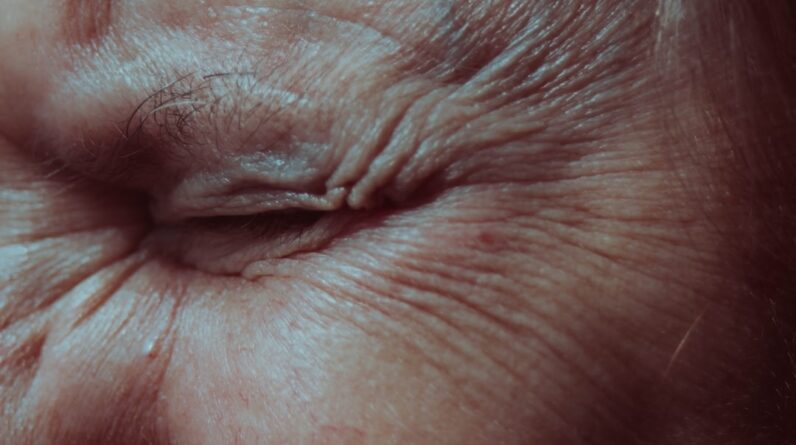
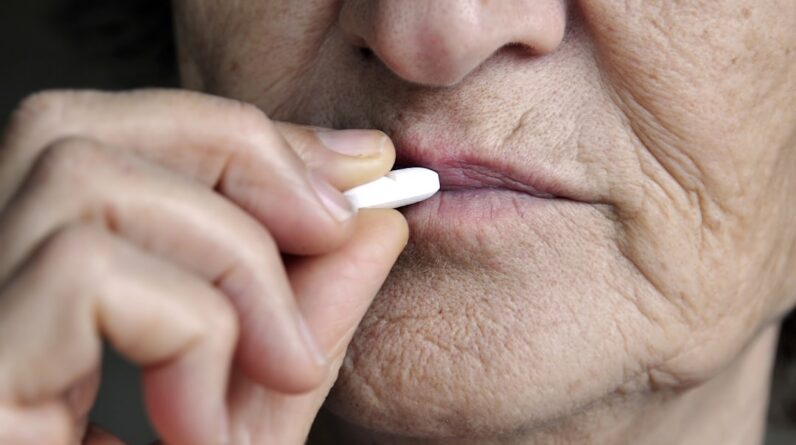
Collagen, a fundamental protein that forms the structural scaffolding of your skin, plays a pivotal role in maintaining its youthful elasticity and plumpness. As you navigate your fifties, you might notice that the landscape of your skin has begun to change. The once taut surface may now show subtle valleys and softer contours – the natural hallmarks of time. Collagen production, a biological process you’ve relied on for decades to keep your skin resilient, naturally declines with age. This decrease is a significant contributor to the appearance of wrinkles, fine lines, and a loss of firmness. Understanding this biological shift is the first step in effectively addressing the visual cues of aging skin.
The Biological Underpinnings of Skin Aging
Your skin, a complex organ, is a tapestry woven with various components, with collagen being its most abundant protein. It’s akin to the rebar in a concrete structure, providing the internal support that keeps the edifice (your skin) firm and smooth. This protein’s primary function is to maintain the skin’s tensile strength and elasticity, acting as the foundation upon which a youthful complexion is built.
The Role of Age in Collagen Degradation
With each passing year, your body’s ability to synthesize new collagen diminishes. This is not a sudden event but a gradual ebbing, like a slowly receding tide. By your fifties, this decline is often noticeable. Factors such as genetics, sun exposure (photoaging), environmental pollutants, and lifestyle choices, including smoking and poor diet, can accelerate this process. Imagine your skin’s collagen stores as a savings account; over time, withdrawals exceed deposits, leading to a deficit.
The Impact of Hormonal Changes
Hormonal shifts, particularly the decrease in estrogen levels experienced by women during perimenopause and menopause, have a direct impact on collagen density
FAQs
What is collagen and how does it affect wrinkles after 50?
Collagen is a protein that provides structure and elasticity to the skin. As people age, especially after 50, collagen production naturally decreases, leading to thinner skin and the formation of wrinkles.
Can collagen supplements help reduce wrinkles in people over 50?
Some studies suggest that collagen supplements may improve skin elasticity and hydration, potentially reducing the appearance of wrinkles. However, results can vary, and supplements should be used alongside a healthy lifestyle.
Are there topical collagen products effective for wrinkle reduction after 50?
Topical collagen molecules are generally too large to penetrate the skin deeply. Instead, products that stimulate the skin’s own collagen production, such as retinoids or peptides, are more effective for reducing wrinkles.
What lifestyle changes can support collagen production after 50?
Maintaining a balanced diet rich in vitamin C, avoiding excessive sun exposure, quitting smoking, and staying hydrated can help support natural collagen production and improve skin health.
Is it safe to use collagen treatments or procedures for wrinkles after 50?
Most collagen supplements and topical products are considered safe when used as directed. Professional treatments like collagen-stimulating injections or laser therapy should be performed by qualified practitioners and discussed with a healthcare provider to ensure safety.