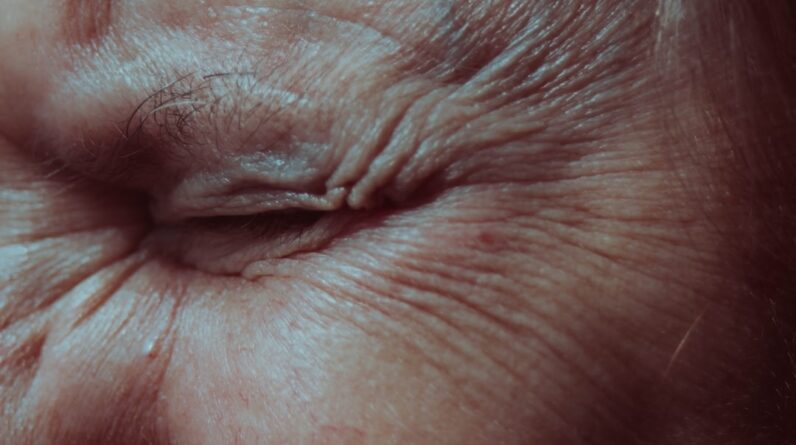
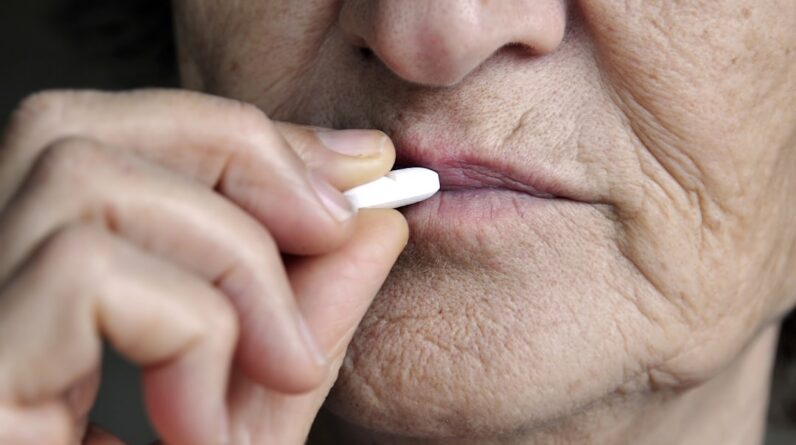
Collagen is a protein that your body naturally produces. It plays a crucial role in maintaining the structure and elasticity of your skin. As you age, your body’s collagen production begins to decline, which can lead to the formation of wrinkles and a loss of skin firmness. This decline is a natural part of the aging process, much like the turning of leaves in autumn signals the transition to a cooler season. You might be exploring ways to address these changes, and collagen supplements have emerged as a popular option in the realm of wrinkle repair reviews. This article aims to provide you with a factual overview of collagen for wrinkle repair, drawing from reviews and research to help you make an informed decision.
The Building Blocks of Youthful Skin
To truly grasp the potential of collagen for wrinkle repair, you need to understand its foundational role in your skin. Imagine your skin as a finely woven fabric, with collagen fibers acting as the intricate warp and weft threads that provide its strength and resilience. These threads are not static; they are constantly being synthesized by specialized cells called fibroblasts.
Collagen Types and Their Significance
There are several types of collagen found in the human body, but two are particularly relevant to skin health: Type I and Type III.
Type I Collagen: This is the most abundant type of collagen in your skin, making up approximately 80-90% of its total collagen content. It provides the skin with its tensile strength and structure, acting as the primary scaffolding that holds your skin together. Think of it as the sturdy beams in a building’s foundation.
Type III Collagen: While less abundant than Type I, Type III collagen is also vital for skin elasticity and suppleness. It is often found alongside Type I collagen, contributing to the overall flexibility and smooth texture of the skin. Imagine this as the more flexible wiring within that same building, allowing for some give without breaking.
The Aging Process and Collagen Depletion
As you progress through life, a natural enzymatic process begins to break down collagen, and simultaneously, your body’s ability to produce new collagen diminishes. This isn’t a sudden event but a gradual shift, like the slow erosion of a coastline by the relentless tide.
Factors Influencing Collagen Decline
Several factors can accelerate this decline, beyond the natural aging process:
UV Radiation: Exposure to ultraviolet (UV) rays from the sun is a primary culprit. UV radiation can damage collagen fibers, making them brittle and less effective, and also inhibits new collagen synthesis. This is akin to exposing your finely woven fabric to harsh sunlight, causing it to fade and weaken over time.
Lifestyle Choices: Smoking, poor diet, and lack of adequate sleep can all negatively impact collagen production and integrity. Smoking, for instance, constricts blood vessels, reducing the flow of essential nutrients and oxygen to the skin, hindering the fibroblasts’ ability to do their work.
Hormonal Changes: Fluctuations in hormone levels, particularly during menopause, can also contribute to a significant decrease in collagen.
How Collagen Supplements are Hypothesized to Work
The premise behind collagen supplements for wrinkle repair is straightforward: by providing your body with the building blocks it needs, you can theoretically support its natural collagen production and combat the effects of aging. This is like offering a skilled artisan a plentiful supply of premium materials to craft their masterpiece.
Oral Collagen Intake and Bioavailability
When you consume collagen in supplement form, it is broken down into smaller peptides and amino acids during digestion. The debate and research focus on how effectively these smaller components are absorbed and then utilized by the body to stimulate collagen synthesis in the skin.
Hydrolyzed Collagen (Collagen Peptides)
The most common form of collagen found in supplements is hydrolyzed collagen, also known as collagen peptides. This process breaks down large collagen molecules into smaller, more easily digestible and absorbable units. The idea is that these smaller peptides can travel through the bloodstream and signal fibroblasts to ramp up collagen production.
Endogenous Collagen Synthesis Stimulation
The theory is that the amino acids and peptides in the supplement act as signals. They are believed to trigger fibroblasts to increase their activity in producing new collagen. This is not simply adding more pre-made collagen to your skin; rather, it’s about encouraging your body to become a more efficient collagen producer. This is like providing a farmer with high-quality seeds and fertilizer, encouraging them to cultivate a more bountiful harvest.
Potential Mechanisms of Action
While the precise mechanisms are still a subject of ongoing scientific inquiry, several hypotheses exist:
Direct Substrate Provision: The amino acids present in collagen peptides, such as glycine, proline, and hydroxyproline, are essential for building new collagen molecules.
Signaling Pathways: Some research suggests that collagen peptides may activate specific cellular signaling pathways that promote collagen synthesis and inhibit enzymes that break down collagen.
Improved Skin Hydration and Elasticity: By potentially increasing collagen levels, supplements may also contribute to better skin hydration and overall elasticity, making wrinkles less noticeable.
Reviewing the Evidence: What Studies Say About Topical vs. Oral Collagen
When considering collagen for wrinkle repair, you’ll encounter two primary approaches: topical applications and oral supplementation. Their mechanisms and the evidence supporting their efficacy differ significantly.
Topical Collagen Preparations
Topical collagen products, such as creams and serums, aim to deliver collagen directly to the skin’s surface. However, the effectiveness of these products is often questioned due to the size of collagen molecules.
The Barrier of the Stratum Corneum
The outermost layer of your skin, the stratum corneum, is a formidable barrier designed to protect your body from external threats. Collagen molecules, even when hydrolyzed, are generally too large to penetrate this barrier and reach the deeper layers of the dermis where collagen synthesis truly takes place. Imagine trying to push a large, intact boulder through a fine sieve; it’s simply too big to pass.
Limited Penetration and Efficacy
Most dermatologists agree that while topical collagen might offer some superficial moisturizing benefits by forming a protective film on the skin, it is unlikely to significantly impact dermal collagen levels or reduce deep-set wrinkles. The proteins it contains are often too large to be absorbed effectively.
Oral Collagen Supplements
As discussed earlier, oral collagen supplements are intended to be digested and absorbed into the bloodstream, where their components can then be utilized by the body’s cells. This approach offers a more direct path to potentially influencing internal collagen production.
Research on Hydrolyzed Collagen Efficacy
Numerous studies have investigated the effects of oral collagen supplementation on skin health and wrinkle reduction. These studies often employ various methodologies, including randomized controlled trials and observational studies.
Positive Findings: Many of these studies report positive outcomes, suggesting that regular ingestion of hydrolyzed collagen can lead to improvements in skin hydration, elasticity, and a reduction in the appearance of wrinkles. These findings are often attributed to the increased availability of amino acids and peptides that support collagen synthesis.
Limitations and Methodological Considerations: It is crucial to acknowledge that the quality and design of these studies can vary. Factors such as sample size, duration of supplementation, dosage, type of collagen used, and the specific outcome measures employed can influence the results. Some studies may be funded by the collagen industry, which necessitates careful consideration of potential bias.
Placebo Effect: As with any study involving subjective outcomes like wrinkle appearance, the placebo effect can play a role. Acknowledging this is important for a balanced perspective.
Key Considerations When Choosing a Collagen Supplement
If you decide to explore collagen supplementation for wrinkle repair, navigating the market can feel like trying to find your way through a dense forest; there are many paths, and not all are equally beneficial. Making an informed choice requires attention to several factors.
Type and Source of Collagen
The type and source of collagen in a supplement can significantly impact its perceived effectiveness and compatibility with your dietary needs or preferences.
Bovine vs. Marine Collagen
Bovine Collagen: This is derived from cows and is a good source of Type I and Type III collagen, which are abundant in the skin. It is generally more widely available and often more affordable.
Marine Collagen: This is derived from fish,
FAQs
What is collagen and how does it help with wrinkle repair?
Collagen is a protein that provides structure and elasticity to the skin. As we age, collagen production decreases, leading to wrinkles and sagging skin. Using collagen supplements or topical products can help improve skin hydration and firmness, potentially reducing the appearance of wrinkles.
Are collagen supplements effective for reducing wrinkles?
Some studies suggest that collagen supplements may improve skin elasticity and hydration, which can reduce wrinkle depth over time. However, results vary among individuals, and supplements should be taken consistently for several weeks to months to see potential benefits.
What types of collagen are commonly used in wrinkle repair products?
Types I, II, and III collagen are most commonly used in skincare and supplements. Type I and III are predominant in the skin, while Type II is more associated with cartilage. Hydrolyzed collagen peptides are often used because they are easier for the body to absorb.
Are there any side effects associated with collagen products?
Collagen supplements and topical products are generally considered safe for most people. However, some individuals may experience mild side effects such as digestive discomfort or allergic reactions. It is advisable to check product ingredients and consult a healthcare provider if you have allergies or medical conditions.
Can collagen alone completely eliminate wrinkles?
Collagen can help improve skin texture and reduce the appearance of wrinkles, but it is unlikely to completely eliminate them. Wrinkle repair typically requires a combination of approaches including sun protection, a healthy diet, skincare routines, and sometimes medical treatments like retinoids or laser therapy.