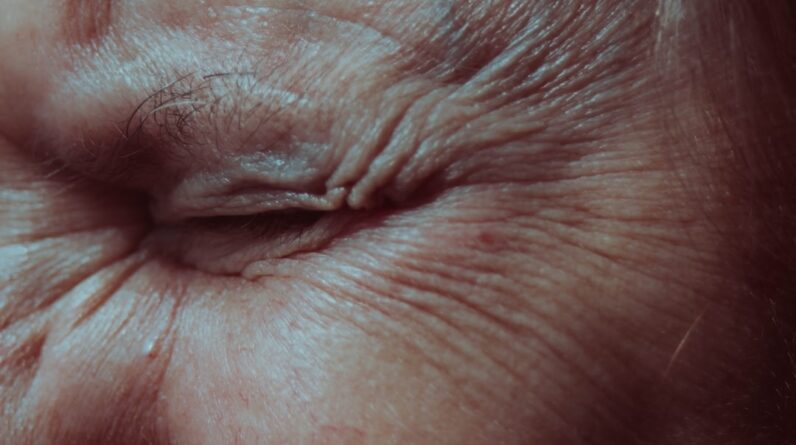
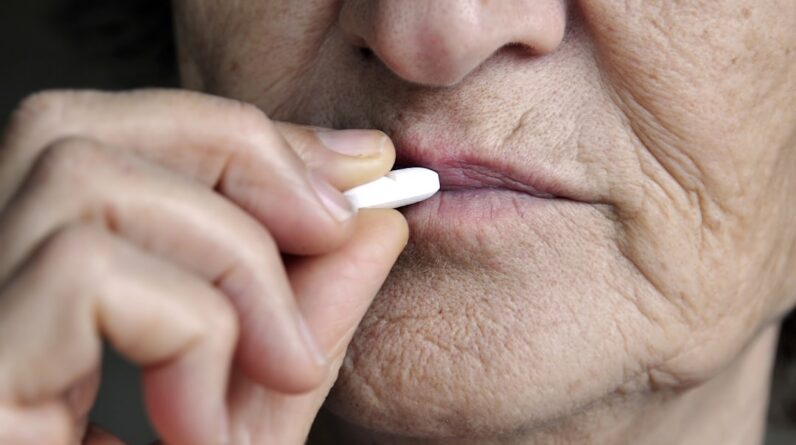
Collagen, a structural protein found in connective tissues throughout your body, plays a crucial role in maintaining skin elasticity and hydration. As you age, your body’s natural collagen production declines, a process that manifests visually as wrinkles, fine lines, and a loss of skin firmness. The desire to mitigate these visible signs of aging has led to a surge in interest in collagen as a potential solution for wrinkle repair. This exploration delves into the science behind collagen, its various applications for skin, and what you can realistically expect from its use, examining “before and after” scenarios with a factual, evidence-based approach.
Your skin is a complex organ, and collagen is its primary architect. Think of your skin as a finely woven tapestry. Collagen fibers are the robust threads that provide the fabric’s underlying strength and structure, preventing it from sagging. Elastin fibers, in contrast, are like elastic bands, allowing the skin to stretch and bounce back. Hyaluronic acid, another vital component, acts as a lubricant and moisturizer, plumping the spaces between these fibers.
The Structural Backbone of Your Skin
Collagen is not a homogenous compound; it exists in various types, with Type I, II, and III being the most prevalent in the skin. Type I collagen, the most abundant, forms a dense network that lends the skin its tensile strength. Type III collagen is also present in younger skin and is associated with its suppleness. As time marches on, the intricate network of collagen fibers begins to break down due to a combination of intrinsic aging (genetically determined) and extrinsic aging (environmental factors).
The Impact of Aging on Collagen Production
Around your mid-20s, your body’s collagen synthesis starts a slow, steady decline. This reduction isn’t an overnight phenomenon but a gradual erosion. Factors like sun exposure (UV radiation), smoking, pollution, and a poor diet accelerate this breakdown process. UV radiation, in particular, unleashes enzymes that degrade collagen and elastin, leading to photoaging, characterized by wrinkles, sunspots, and a leathery texture. Smoking further compounds this damage by restricting blood flow to the skin, depriving it of essential nutrients and oxygen.
Intrinsic vs. Extrinsic Aging: A Duality of Damage
It is crucial to differentiate between intrinsic and extrinsic aging. Intrinsic aging is the natural, biological clock ticking within you. Extrinsic aging is the cumulative effect of lifestyle choices and environmental exposures. While you cannot halt intrinsic aging, you can significantly influence extrinsic aging, thereby protecting your skin’s collagen reserves.
Collagen as a Topical Agent for Wrinkle Repair
The concept of applying collagen directly to the skin to “replenish” lost collagen is prevalent in the cosmetics industry. However, understanding its topical application requires a nuanced perspective.
The Molecular Size Barrier
Collagen is a large molecule. When applied topically, its ability to penetrate the outermost layer of your skin, the epidermis, is limited. The stratum corneum, the uppermost layer of the epidermis, acts as a formidable barrier, designed to keep unwanted substances out. For collagen molecules to reach the dermis, where collagen is produced and where wrinkles originate, they would need
FAQs
What is collagen and how does it help with wrinkle repair?
Collagen is a protein that provides structure and elasticity to the skin. As we age, collagen production decreases, leading to wrinkles and sagging skin. Using collagen-based treatments or supplements can help improve skin firmness and reduce the appearance of wrinkles by promoting skin regeneration and hydration.
How long does it take to see results from collagen treatments for wrinkles?
Results from collagen treatments can vary depending on the method used. Topical collagen products may show subtle improvements within a few weeks, while collagen supplements and professional treatments like microneedling or laser therapy may take several months to show noticeable before and after differences in wrinkle reduction.
Are collagen supplements effective for wrinkle repair?
Collagen supplements can be effective in supporting skin health by providing the body with amino acids needed to produce collagen. Studies suggest that regular intake of collagen peptides may improve skin elasticity and hydration, which can reduce wrinkle depth over time. However, results depend on individual factors and consistent use.
What are common collagen treatments used for wrinkle repair?
Common collagen treatments include topical creams containing collagen or collagen-boosting ingredients, collagen peptide supplements, and professional procedures such as microneedling, laser therapy, and injectable collagen fillers. These treatments aim to stimulate natural collagen production or directly replenish collagen in the skin.
Can collagen treatments cause any side effects?
Collagen treatments are generally safe for most people. However, some topical products may cause skin irritation or allergic reactions in sensitive individuals. Injectable collagen fillers can have side effects like swelling, redness, or bruising at the injection site. It is important to consult a healthcare professional before starting any collagen-based treatment.