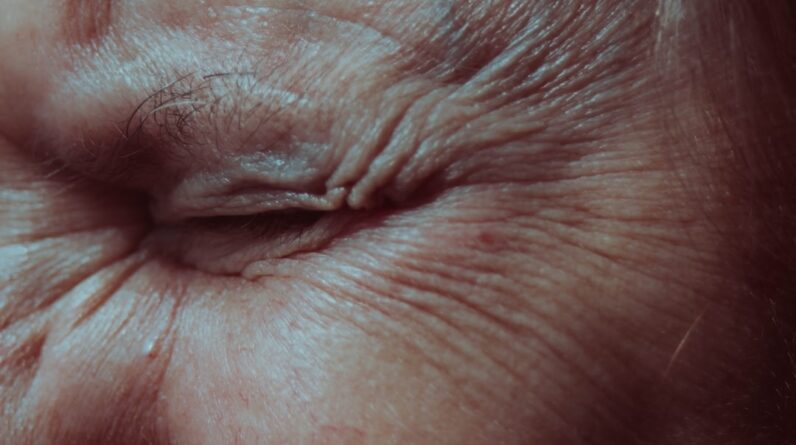
You’ve likely noticed it in the mirror, that subtle shifting of terrain on your face. Perhaps your cheeks, once plump and high, now seem to carry a hint of a shadow. Or maybe the lines around your mouth have lengthened, like rivers carving deeper canyons into your skin’s landscape. This is the natural progression of volume loss, a common concern as you journey through life. But what if you could, in a sense, refill those reservoirs? This is where collagen for skin volume restoration enters the conversation.
To appreciate how collagen restores volume, you first need to understand the fundamental building blocks of your skin. Think of your skin not as a simple surface, but as a complex, multi-layered structure.
The Epidermis: Your Protective Shield
Your epidermis is the outermost layer, a thin, tough barrier that acts as your body’s first line of defense. It’s constantly renewing itself, shedding old cells and producing new ones. While crucial for protection, it’s not the primary architect of skin volume.
The Dermis: The Foundation of Volume
Beneath the epidermis lies the dermis, and it’s here that the magic of skin volume truly resides. The dermis is a dense connective tissue, rich in a protein that’s the star of our discussion: collagen. Imagine the dermis as the scaffolding of a building, providing its shape and structural integrity.
Collagen’s Dominant Role
You can think of collagen as the primary structural protein of the dermis. It’s a fibrous protein, meaning it forms long, strong strands that interweave to create a robust framework. It’s the glue that holds your skin together, the springs that give it bounce, and the essential component that contributes to its fullness and plumpness.
Other Key Dermal Components
While collagen is the undisputed heavyweight champion of dermal volume, it doesn’t work alone.
Elastin: The Spring in Your Step
Elastin is another crucial protein in the dermis. If collagen is the scaffolding, elastin is the elastic bands that allow the structure to stretch and recoil. This is what gives your skin its ability to snap back into place after being pinched or compressed. As you age, elastin also diminishes, contributing to sagging.
Hyaluronic Acid: The Hydration Sponge
Hyaluronic acid (HA) is a glycosaminoglycan, a large molecule that has an incredible capacity to attract and retain water. In the context of skin volume, HA acts like a thirsty sponge, drawing moisture into the dermis. This hydration is vital for plumpness and a smooth, dewy appearance. A more hydrated dermis appears fuller, as the water molecules physically push outwards within the tissue.
The Natural Decline of Collagen and its Consequences
As your years accumulate, your body’s production of collagen begins a gradual, yet undeniable, decline. This is a natural physiological process, akin to a well-maintained garden that, over time, requires more attentive care to maintain its vibrancy.
The Collagen Production Timeline
From your mid-20s to early 30s, your body is typically producing collagen at its peak. However, this production rate starts to slow down. By your 40s and beyond, the decline becomes more pronounced, and existing collagen begins to break down at a faster rate than it’s replenished.
Factors Accelerating Collagen Loss
Several factors, both intrinsic and extrinsic, can accelerate this decline.
Intrinsic Aging
This refers to the natural aging process dictated by your genetics. It’s an internal clock that dictates the pace of cellular turnover and protein synthesis.
Extrinsic Factors: The Environmental Assault
These are external influences that can significantly damage collagen.
UV Radiation: The Sun’s Undoing
Exposure to ultraviolet (UV) radiation from the sun is a primary culprit. UV rays penetrate the dermis and trigger the production of enzymes that degrade collagen. This is why sun-kissed skin can eventually become leathery and lined.
Smoking: A Toxic Breath of Air
Cigarette smoke is a cocktail of toxins that wreak havoc on collagen. It impairs collagen synthesis and promotes the breakdown of existing collagen, leading to premature wrinkling and a dull complexion.
Poor Diet: Fueling the Decline
A diet lacking in essential nutrients, antioxidants, and protein can hinder your body’s ability to produce and repair collagen. Think of it as trying to build a house with substandard materials – the structure will be weaker.
Chronic Stress: The Body’s Wear and Tear
Prolonged stress can lead to elevated cortisol levels, a hormone that has been shown to accelerate collagen breakdown.
Visible Signs of Collagen Depletion
The most apparent consequence of declining collagen is the loss of skin volume. This manifests in several ways:
Loss of Facial Fullness
Cheeks may appear less rounded, and the overall contour of the face can seem to soften or even hollow. This is as if the internal cushions of your skin are deflating.
Development of Wrinkles and Fine Lines
As the supportive matrix weakens, the skin loses its ability to resist the constant pull of facial muscles and gravity. This allows wrinkles and fine lines to etch themselves more deeply into the skin’s surface.
Sagging and Droopiness
With diminished collagen and elastin, the skin loses its tautness and begins to sag. This is particularly noticeable in the jawline, neck, and around the eyes.
Thinning of the Skin
The overall thickness of the dermis can decrease, making the skin appear more fragile and translucent.
Collagen as a Restorative Agent: Mechanisms of Action
When we talk about collagen for skin volume restoration, we’re referring to interventions designed to either stimulate your body’s own collagen production or directly introduce collagen-building components to the skin.
Stimulating Endogenous Collagen Synthesis
Many treatments aim to “wake up” your skin’s natural collagen-producing cells, known as fibroblasts.
Growth Factors and Peptides
Certain topical and injectable treatments contain growth factors and peptides that signal to fibroblasts to ramp up collagen production. Think of these as gentle nudges to your repair crews, encouraging them to get back to work.
Microneedling: Creating Controlled Injury
Microneedling involves using a device with tiny needles to create controlled micro-injuries in the skin. This process triggers the body’s natural wound-healing response, which includes a significant surge in collagen synthesis. It’s like strategically pruning a plant to encourage new, vigorous growth.
Radiofrequency (RF) and Ultrasound Treatments
These energy-based devices deliver heat into the deeper layers of the skin (the dermis). This controlled thermal injury prompts the fibroblasts to produce new collagen and elastin, leading to a tightening and plumping effect.
Introducing Exogenous Collagen and its Precursors
Some approaches involve directly delivering collagen or substances that the body can use to build collagen.
Dermal Fillers: The Immediate
FAQs
What is collagen and how does it help with skin volume restoration?
Collagen is a protein naturally found in the skin that provides structure, strength, and elasticity. As we age, collagen production decreases, leading to loss of skin volume and the appearance of wrinkles. Collagen treatments help restore skin volume by stimulating collagen production or by adding collagen directly to the skin, improving firmness and reducing signs of aging.
What are the common methods of using collagen for skin volume restoration?
Common methods include collagen injections (dermal fillers), topical collagen creams, and collagen-stimulating treatments such as microneedling or laser therapy. Injectable collagen fillers provide immediate volume, while topical products and stimulation therapies promote the body’s natural collagen production over time.
Are collagen injections safe for skin volume restoration?
Yes, collagen injections are generally safe when administered by a qualified healthcare professional. However, some people may experience side effects such as redness, swelling, or allergic reactions. It is important to discuss medical history and potential risks with a practitioner before treatment.
How long do the effects of collagen treatments for skin volume restoration last?
The duration varies depending on the type of treatment. Injectable collagen fillers typically last from 3 to 6 months before the body gradually absorbs them. Treatments that stimulate natural collagen production may have longer-lasting effects but require multiple sessions and ongoing maintenance.
Can collagen supplements improve skin volume and appearance?
Some studies suggest that oral collagen supplements may improve skin hydration, elasticity, and volume by supporting the body’s collagen synthesis. However, results can vary, and supplements should be used alongside a healthy lifestyle and skincare routine for best outcomes.