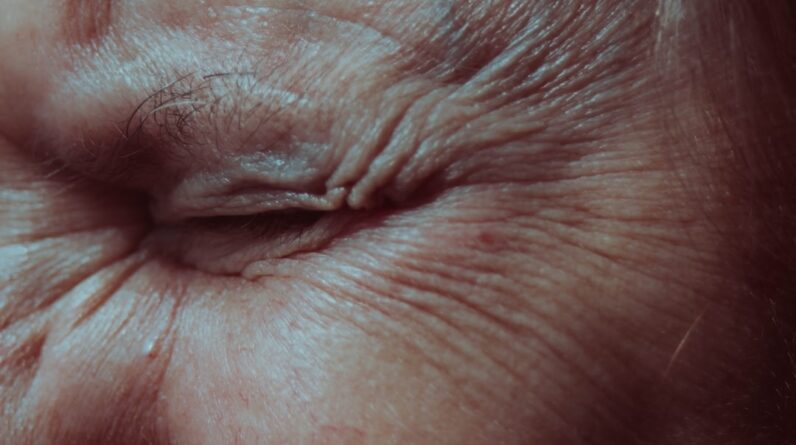
You’re entering a phase of life where time, that relentless sculptor, begins to leave its mark on your skin. Perhaps you’ve noticed a subtle softening of your jawline, a gentle deepening of the lines around your eyes, or a general decrease in that youthful firmness you once took for granted. This is not a personal failing, but a natural biological process. Your body’s production of collagen, the structural protein that acts as the scaffolding for your skin, naturally begins to decline after your mid-twenties. This decline accelerates with age, hormonal shifts, and environmental factors like sun exposure and pollution.
The good news is that you are not powerless against this inevitable tide. In Craig Ranch, a burgeoning hub for aesthetic and wellness services, you can find a diverse array of collagen-boosting treatments designed to help you reclaim a more resilient and radiant complexion. These aren’t magic bullets, but rather scientifically-backed interventions that encourage your body to rebuild and reinforce its own collagen reserves. Think of it as an investment in your skin’s future, a way to fortify your natural defenses against the visual cues of aging.
The journey to understanding and optimizing your collagen levels can seem complex, with a multitude of options available. This guide aims to demystify these treatments, providing you with factual information so you can make informed decisions about what might be most suitable for your individual needs and aesthetic goals in Craig Ranch.
To truly appreciate the impact of collagen-boosting treatments, it’s essential to understand the fundamental role collagen plays within your dermal matrix. Imagine your skin as a sophisticated building. Collagen fibers are the strong, interlocking beams and supports that give that building its structure, its tautness, and its resilience. They are the architects of firmness, the engineers of elasticity, and the guardians against sagging.
The Structural Framework: Collagen I and III
Your skin is primarily composed of two types of collagen: Type I and Type III. Type I collagen, the most abundant type in the body, forms a dense network of fibers that provide tensile strength and a smooth appearance. It’s the bedrock upon which your skin’s youthful plumpness is built. Type III collagen, often referred to as reticular collagen, is found alongside Type I, particularly in younger skin, contributing to its suppleness and elasticity. As you age, the production of both these vital collagen types diminishes, leading to the thinning of the dermis and the visible signs of aging.
Elastin and Hyaluronic Acid: The Supporting Cast
While collagen is the primary structural element, it doesn’t operate in isolation. Elastin, a protein that allows your skin to stretch and recoil, is like the elastic bands that complement the structural beams. Together with hyaluronic acid, a humectant that draws and retains moisture, collagen and elastin create a plump, hydrated, and responsive canvas. A decline in collagen production inevitably impacts the effectiveness of elastin, and the skin’s ability to retain moisture suffers, leading to dryness and a loss of that dewy glow.
Factors Affecting Collagen Levels
Your collagen levels are not static; they are influenced by a confluence of internal and external factors. Understanding these can empower you to make lifestyle choices that support your collagen health and guide your selection of treatments.
Intrinsic Aging: The Inevitable March of Time
Genetics plays a significant role in the rate at which your collagen production declines. While you can’t change your genetic blueprint, acknowledging its influence helps set realistic expectations. The natural aging process itself, characterized by cellular senescence and reduced fibroblast activity (the cells responsible for collagen production), is an undeniable factor.
Extrinsic Aging: Environmental Assaults
The world around you exerts a constant pressure on your skin. Ultraviolet (UV) radiation from the sun is a notorious collagen-degrading agent. It breaks down existing collagen fibers and impairs the body’s ability to produce new ones, leading to premature aging, often referred to as photoaging. Environmental pollutants, such as particulate matter and ozone, can also contribute to oxidative stress, damaging collagen and elastin.
Lifestyle Choices: Your Daily Habits
Your diet, hydration, sleep patterns, and habits like smoking have a profound impact on your skin’s integrity. A diet rich in antioxidants, vitamins, and minerals supports collagen synthesis. Conversely, excessive sugar intake can lead to glycation, a process where sugar molecules attach to collagen fibers, making them stiff and brittle. Smoking triggers inflammation and oxidative stress, severely impacting collagen production and accelerating aging. Chronic stress can also disrupt hormonal balance, indirectly affecting collagen levels.
In-Office Collagen Stimulation: Targeted Interventions
Within the aesthetic clinics and medspas of Craig Ranch, you have access to a sophisticated arsenal of treatments designed to directly stimulate your skin’s collagen production. These methods utilize various energy sources or physical interventions to create controlled micro-injuries, signaling your body to initiate a wound-healing response that prioritizes collagen regeneration.
Radiofrequency (RF) Treatments
Radiofrequency energy is a well-established modality for collagen induction. RF devices deliver targeted heat into the deeper layers of the skin, the dermis, without significantly damaging the epidermis (the outermost layer). This controlled heating causes immediate collagen contraction, leading to a temporary tightening effect. More importantly, this thermal stimulation prompts fibroblasts to ramp up collagen and elastin production, a process that continues over several months.
Monopolar vs. Bipolar vs. Multipolar RF
You might encounter different types of RF technology. Monopolar RF delivers energy from a single electrode to a large treatment area, penetrating deeper into the tissue. Bipolar RF uses two electrodes to deliver current between them, allowing for more superficial and precise heating, often favored for skin tightening. Multipolar RF combines multiple energy types, including RF and sometimes pulsed magnetic fields, to create a synergistic effect, heating a larger volume of tissue more uniformly and potentially enhancing results.
Benefits of RF Treatments
- Skin Tightening: The immediate contraction of existing collagen fibers provides an initial lifting and firming sensation.
- Improved Texture: With increased collagen, skin texture becomes smoother and more refined.
- Reduced Appearance of Wrinkles and Fine Lines: As the dermal matrix is reinforced, the visibility of these age markers diminishes.
- Minimal Downtime: Most RF treatments offer relatively short recovery periods, with some clients experiencing only mild redness.
Ultrasound Treatments (Ultherapy)
High-intensity focused ultrasound (HIFU), perhaps most famously represented by the Ultherapy device, utilizes focused ultrasound waves to create thermal coagulation points at specific depths within the skin. These targeted zones of heat trigger the body’s natural healing cascade, stimulating new collagen synthesis. The ultrasound energy is precisely delivered to the dermis and even the superficial musculoaponeurotic system (SMAS), a foundational layer of connective tissue.
The SMAS Layer: A Deeper Target
The SMAS layer is crucial for facial structure and support. By targeting this layer with HIFU, treatments can achieve a more significant lifting and tightening effect than those that only address the dermal layer. This makes HIFU a powerful option for addressing jowls, lifting the brows, and improving overall facial contour.
The Process of Collagen Remodeling
The micro-injuries created by HIFU initiate a collagen-building response that unfolds over time. You won’t see dramatic results immediately, but rather a gradual improvement as your body produces fresh collagen. This process can take anywhere from two to six months, with optimal results becoming apparent as the new collagen matures and integrates into the skin’s structure.
Microneedling (Collagen Induction Therapy)
Microneedling, also known as collagen induction therapy, is a minimally invasive procedure that involves creating microscopic punctures in the skin’s surface using a device equipped with fine needles. These tiny channels, often referred to as ‘micro-injuries,’ trigger the skin’s natural wound-healing response. Your body interprets these punctures as trauma and initiates a repair process that involves the proliferation of fibroblasts and the subsequent production of new collagen and elastin.
Dermapen and Other Microneedling Devices
You’ll find various microneedling devices in Craig Ranch, ranging from manual rollers to advanced automated devices like the Dermapen. Automated devices utilize oscillating needles that move at high speeds to create controlled, uniform punctures, often leading to more consistent and effective results with reduced patient discomfort and downtime compared to older manual methods. The depth of the needle penetration can be adjusted to target different layers of the skin, allowing for customized treatment based on individual concerns.
Combining Microneedling with Serums
Microneedling also enhances the penetration of skincare ingredients. Post-treatment, your skin is more receptive to topical applications. This is why many practitioners recommend applying serums rich in growth factors, hyaluronic acid, or peptides after microneedling. These ingredients can further support the collagen regeneration process and provide additional benefits like hydration and skin repair.
Laser Treatments for Collagen Induction
A variety of laser technologies are employed in Craig Ranch to stimulate collagen production. These lasers work by delivering controlled thermal energy to the dermis, initiating a wound-healing response that leads to new collagen formation. The specific type of laser used will determine the depth of penetration, the nature of the thermal effect, and the associated downtime.
Ablative Lasers: The ‘Resurfacing’ Powerhouses
Ablative lasers, such as carbon dioxide (CO2) lasers and erbium:yttrium-aluminum-garnet (Er:YAG) lasers, work by vaporizing the outermost layers of the skin. This creates significant controlled damage, leading to a robust wound-healing response and substantial collagen remodeling. While highly effective for deep wrinkles, acne scars, and sun damage, ablative lasers come with a longer recovery period and a higher risk of side effects.
Non-Ablative Lasers: The Gentle Approach
Non-ablative lasers, like fractional laser treatments (e.g., Fraxel), heat the underlying dermal tissue without removing the surface layer of the skin. This approach creates microscopic zones of thermal injury within the dermis, surrounded by healthy tissue, which allows for faster healing. Non-ablative lasers are excellent for improving skin texture, fine lines, and mild to moderate skin discoloration with minimal downtime.
Fractional Laser Technology: Targeted Columns of Heat
Fractional lasers, whether ablative or non-ablative, deliver laser energy in a grid-like pattern, creating microscopic treatment zones (MTZs). These MTZs are surrounded by untreated skin, which accelerates the healing process. The body’s natural healing mechanisms work to repair these micro-injuries, stimulating collagen production and leading to overall skin rejuvenation.
Energy-Based Devices: Beyond Conventional Lasers
Craig Ranch offers a spectrum of advanced energy-based devices that leverage different forms of energy to stimulate collagen production, often with distinct mechanisms of action and patient experiences compared to traditional lasers.
Intense Pulsed Light (IPL)
While IPL is primarily known for its ability to treat pigmentation and redness, it also possesses collagen-stimulating properties. IPL devices emit broad-spectrum light that is absorbed by various chromophores in the skin, including melanin and hemoglobin. When this light energy is absorbed by fibroblasts in the dermis, it can trigger a mild thermal response that encourages collagen synthesis.
Photorejuvenation and Collagen Boost
IPL treatments, often referred to as photorejuvenation, can improve overall skin tone and texture, reduce the appearance of fine lines, and promote a more youthful complexion by indirectly stimulating collagen production alongside its more direct effects on vascular and pigmented lesions.
High-Frequency Ultrasound (HIFU) Revisited
While already touched upon as a focused ultrasound treatment, it’s worth reiterating HIFU’s distinct place in the energy-based device category. Its ability to precisely target the SMAS layer with thermal energy makes it a powerful tool for lifting and tightening, and the subsequent collagen stimulation is a key component of its long-lasting results.
Plasma Devices (e.g., Plasma Pen)
Plasma devices, such as the Plasma Pen, utilize ionized gas to create a controlled thermal sublimation process. This essentially vaporizes superficial skin tissue, creating tiny dots of thermal injury. This controlled plasma energy triggers a significant wound-healing response, leading to the contraction of existing collagen and the stimulation of new collagen and elastin production. The technique can also lead to skin tightening and textural improvements.
Considerations for Plasma Treatments
Plasma treatments are generally considered more aggressive than microneedling or some RF treatments and may involve a longer recovery period, characterized by scabbing and swelling. However, they can offer impressive results for wrinkles, sagging skin, and textural irregularities.
Addressing Sagging and Loss of Firmness
One of the most visible signs of declining collagen is the loss of skin elasticity, leading to sagging and a less defined facial contour. Several collagen-boosting treatments in Craig Ranch are specifically designed to combat these effects.
Ultrasound Therapy (Ultherapy) Revisited for Lifting
As previously mentioned, Ultherapy’s ability to target the SMAS layer makes it a cornerstone treatment for lifting and tightening. By stimulating collagen in this deeper connective tissue, it provides a structural lift that can counteract jowls and sagging.
Radiofrequency Devices for Skin Tightening
Various RF devices are effectively used for skin tightening. The heat generated by these devices causes immediate collagen contraction, providing a noticeable lift. The ongoing collagen production further enhances this tightening effect over time, leading to a firmer and more sculpted appearance.
Combination Therapies for Optimal Results
Often, the most effective approach to combating sagging and loss of firmness involves a combination of treatments. For instance, combining a deep-acting treatment like Ultherapy with a surface-level resurfacing treatment like fractional laser or microneedling can address both structural support and superficial skin quality, leading to more comprehensive rejuvenation. Your practitioner in Craig Ranch will be able to assess your individual needs and recommend an optimal combination regimen.
Topical and Nutritional Support: Enhancing Collagen from Within and Without
| Treatment | Procedure Type | Average Sessions | Typical Results Timeline | Common Benefits | Downtime |
|---|---|---|---|---|---|
| Microneedling | Minimally Invasive | 3-6 sessions | 4-6 weeks | Improved skin texture, reduced fine lines | 1-2 days |
| Radiofrequency Therapy | Non-invasive | 4-8 sessions | 2-3 months | Tightened skin, increased collagen production | None to minimal |
| Laser Resurfacing | Invasive | 1-3 sessions | 1-3 months | Reduced wrinkles, improved skin tone | 1-2 weeks |
| PRP (Platelet-Rich Plasma) | Minimally Invasive | 3-4 sessions | 4-6 weeks | Enhanced skin rejuvenation, collagen boost | 1-3 days |
| Ultrasound Therapy (Ultherapy) | Non-invasive | 1-2 sessions | 2-3 months | Lifted and firmer skin | None |
While in-office treatments provide a powerful stimulus for collagen production, supporting your body’s natural processes through topical skincare and proper nutrition can significantly enhance and prolong the results. Think of these as nurturing the fertile ground upon which your stimulated collagen can flourish.
Topical Retinoids: The Gold Standard
Topical retinoids, including prescription-strength tretinoin and over-the-counter retinol, are potent ingredients that have been scientifically proven to increase collagen production. They work by increasing cell turnover and stimulating fibroblasts to produce more collagen. Regular use can lead to a significant improvement in skin texture, fine lines, and overall skin tone.
Understanding Retinoid Strength and Sensitivity
It’s important to start with a lower concentration of retinoids and gradually increase usage to minimize potential irritation and dryness. Your dermatologist or aesthetician can guide you on the appropriate strength and application schedule for your skin type.
Vitamin C Serums: Antioxidant Powerhouse
Topical vitamin C is a potent antioxidant that not only protects your skin from free radical damage (which breaks down collagen) but also plays a vital role in collagen synthesis. By acting as a cofactor for enzymes involved in collagen production, vitamin C actively supports the formation of new collagen fibers.
Ascorbic Acid and its Derivatives
The most bioavailable and effective form of vitamin C for skincare is L-ascorbic acid. However, its stability can be an issue. Many formulations utilize derivatives of ascorbic acid, which offer improved stability while still delivering significant benefits.
Peptides: Signaling Molecules for Collagen Production
Peptides are short chains of amino acids that act as signaling molecules. Certain peptides, known as signaling peptides, can communicate with your skin cells, particularly fibroblasts, to encourage them to produce more collagen. They essentially act as messengers, prompting your skin to initiate its repair and regeneration processes.
Nutritional Support: Building Blocks for Collagen
Your diet is a fundamental component of your body’s ability to produce and maintain collagen. Ensuring you consume the necessary building blocks is crucial.
Protein and Amino Acids: The Foundation
Collagen is a protein, primarily composed of amino acids like glycine, proline, and hydroxyproline. Consuming adequate protein from sources such as lean meats, fish, eggs, dairy, legumes, and nuts provides the essential building blocks for collagen synthesis.
Vitamin C’s Internal Role: A Crucial Cofactor
Just as topical vitamin C is beneficial, ensuring sufficient dietary intake of vitamin C is paramount. This vitamin is indispensable for the production of healthy collagen. Citrus fruits, berries, bell peppers, and leafy green vegetables are excellent sources.
Zinc and Copper: Essential Minerals
Minerals like zinc and copper also play a role in collagen synthesis and cross-linking, which are vital for collagen’s strength and stability. You can find zinc in oysters, red meat, poultry, beans, and nuts. Copper is present in organ meats, shellfish, nuts, seeds, and dark chocolate.
By understanding the multifaceted nature of collagen production and the array of advanced treatments available in Craig Ranch, you are empowered to make proactive choices for your skin’s health and appearance. The journey towards a firmer, more radiant complexion is a collaborative effort between professional interventions and diligent self-care. The science is clear, and the options are abundant. Your commitment to understanding and applying these principles will illuminate the path forward.
FAQs
What are collagen boosting treatments?
Collagen boosting treatments are cosmetic procedures designed to stimulate the body’s natural production of collagen, a protein that provides structure and elasticity to the skin. These treatments help reduce wrinkles, improve skin texture, and promote a youthful appearance.
What types of collagen boosting treatments are available at Craig Ranch?
At Craig Ranch, common collagen boosting treatments may include microneedling, laser therapy, radiofrequency treatments, and injectable fillers. Each method works differently to encourage collagen production and improve skin health.
How long does it take to see results from collagen boosting treatments?
Results vary depending on the treatment type and individual skin condition, but generally, patients begin to notice improvements within a few weeks. Optimal results often appear after multiple sessions over several months as collagen gradually rebuilds.
Are collagen boosting treatments safe?
Yes, when performed by qualified professionals at reputable clinics like those in Craig Ranch, collagen boosting treatments are considered safe. However, it is important to discuss any medical conditions or allergies with your provider before starting treatment.
Who is a good candidate for collagen boosting treatments?
Good candidates are typically individuals experiencing early signs of aging, such as fine lines, wrinkles, or skin laxity, who want to improve skin texture and firmness. A consultation with a skincare specialist at Craig Ranch can help determine the most suitable treatment based on skin type and goals.