You’re considering Botox treatments, and your search has led you to Tucker Hill in McKinney. This area, like many others, offers a growing number of aesthetic services, and understanding your options is key to making an informed decision. Botox, a brand name for botulinum toxin, is a popular non-surgical cosmetic procedure used to temporarily reduce the appearance of wrinkles and fine lines. It’s a tool in your arsenal against the natural progression of time, a way to smooth out the etchings that life leaves on your face. This article aims to provide you with a comprehensive overview of Botox treatments available in the Tucker Hill area of McKinney, covering what you need to know before, during, and after your procedure.
The Science Behind Botox: How It Works
You’ve probably heard the term “Botox” tossed around frequently, but understanding its scientific underpinnings can demystify the process. Botox is a neurotoxic protein produced by Clostridium botulinum, a bacterium. In its purified and diluted form, it acts as a neuromodulator.
Neuromodulation: The Core Mechanism
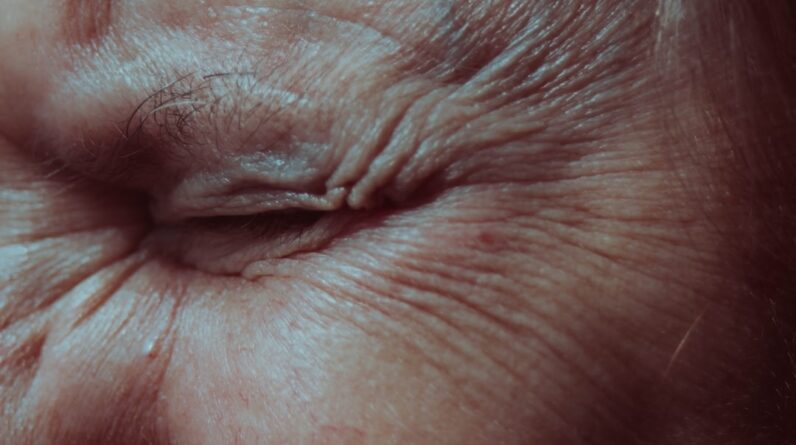
When you frown, squint, or laugh, your facial muscles contract. Over time, repeated expressions cause these muscles to form permanent creases in the overlying skin, resulting in wrinkles. Botox works by temporarily blocking the nerve signals that cause these muscle contractions, like a gentle hand on the reins of your facial expressions. It prevents the neurotransmitter acetylcholine from being released at the neuromuscular junction, effectively paralyzing the targeted muscle for a period. This relaxation of the muscle allows the overlying skin to smooth out, diminishing the appearance of dynamic wrinkles.
Dynamic vs. Static Wrinkles
It’s important to distinguish between dynamic and static wrinkles. Dynamic wrinkles are those that appear with movement, such as crow’s feet when you smile or forehead lines when you raise your eyebrows. Botox is particularly effective at treating these. Static wrinkles, on the other hand, are visible even when your face is at rest; they are often the result of long-term dynamic wrinkle formation or collagen loss. While Botox can indirectly improve the appearance of static wrinkles by relaxing the muscles that exacerbate them, it’s not a direct treatment for static lines themselves. Other treatments, like dermal fillers or resurfacing procedures, may be more suitable for static wrinkles.
FDA-Approved Uses: Beyond Cosmetics
While many associate Botox with cosmetic enhancement, it’s crucial to recognize its broader applications. The Food and Drug Administration (FDA) has approved Botox for several medical conditions, highlighting its efficacy and safety when administered by qualified professionals.
Therapeutic Applications of Botulinum Toxin
Beyond facial aesthetics, botulinum toxin injections are used to treat a range of medical issues. These include:
- Severe Underarm Sweating (Axillary Hyperhidrosis): Botox can temporarily block the nerve signals that stimulate sweat glands, significantly reducing excessive perspiration.
- Strabismus (Crossed Eyes) and Blepharospasm (Eyelid Spasms): In ophthalmology, Botox is used to treat misaligned eyes and involuntary eyelid twitching.
- Chronic Migraine: For individuals suffering from chronic migraines, Botox injections administered in specific areas of the head and neck can reduce the frequency and intensity of headache episodes.
- Muscle Spasticity: Botox can help relax muscles that have become abnormally tight due to conditions like cerebral palsy or stroke.
Understanding these approved uses underscores the versatility of botulinum toxin as a therapeutic agent, administered by medical professionals for various medical concerns.
Exploring Botox Providers in Tucker Hill, McKinney
When seeking Botox treatments in Tucker Hill, McKinney, your primary consideration should be the expertise and credentials of the provider. This isn’t a service you want to entrust to just anyone; it’s a medical procedure that requires precision and a thorough understanding of facial anatomy.
Types of Aesthetic Practices
The Tucker Hill area likely houses a variety of practices offering Botox. These can range from specialized dermatology or plastic surgery clinics to medspas that offer a broader spectrum of aesthetic treatments.
Dermatologists and Plastic Surgeons
Practices led by board-certified dermatologists or plastic surgeons often provide a high level of medical expertise. These professionals have extensive training in facial anatomy, skin conditions, and surgical procedures, which translates to a deep understanding of how to administer Botox safely and effectively for optimal cosmetic outcomes. They are equipped to handle potential complications and provide comprehensive pre- and post-treatment care.
Medspas and Aesthetic Clinics
Medspas, while often offering a more relaxed and spa-like atmosphere, should ideally be supervised by a physician. The injectors at these establishments can range from registered nurses (RNs) or nurse practitioners (NPs) under physician supervision to physician assistants (PAs). It’s crucial to inquire about the qualifications of the individual performing your injections and the level of medical oversight involved.
What to Look for in a Provider
Before scheduling an appointment, take the time to research potential providers in the Tucker Hill area. A little due diligence can save you from a disappointing or even hazardous experience.
Credentials and Experience
- Board Certification: For physicians, board certification in dermatology or plastic surgery is a significant indicator of expertise.
- Licensing: Ensure all practitioners are properly licensed by the state of Texas.
- Specialized Training: Ask about any specific training or certifications they hold in administering neurotoxins.
- Experience with Botox: Inquire about how long they have been administering Botox and how many treatments they perform regularly. A high volume of treatments often correlates with refined technique.
Before and After Photos
Reviewing a provider’s portfolio of before-and-after photos can give you a visual representation of their results and aesthetic style. Look for natural-looking outcomes that align with your desired appearance.
Patient Reviews and Testimonials
Online reviews and patient testimonials can offer valuable insights into the experiences of others. While individual results vary, a consistent pattern of positive feedback is a good sign.
Consultation Process
A reputable provider will offer a thorough consultation before any treatment. This is your opportunity to discuss your goals, concerns, medical history, and any potential risks. They should be able to answer all your questions clearly and comprehensively.
The Botox Procedure: What to Expect
You’ve chosen a provider in Tucker Hill. Now, let’s delve into what the actual Botox procedure entails. The process is generally quick and minimally invasive, often described as feeling like a small pinch.
Pre-Treatment Preparation
Your provider will guide you through the necessary preparation steps, which are typically straightforward.
Medical History and Consultation
As mentioned, a thorough consultation is paramount. You’ll be asked about:
- Medical Conditions: Any allergies, neurological conditions, or autoimmune disorders.
- Medications and Supplements: Certain medications, like blood thinners, may need to be temporarily discontinued to minimize bruising.
- Previous Cosmetic Procedures: Details about any past treatments can inform the current one.
- Treatment Goals: Clearly articulating what you hope to achieve helps your provider tailor the treatment.
Avoiding Certain Substances
To reduce the risk of bruising, your provider may advise you to avoid:
- Alcohol: Consuming alcohol in the 24-48 hours before your appointment.
- Aspirin and NSAIDs: These can thin the blood.
- Certain Supplements: Like Vitamin E or fish oil.
The Injection Session
The injection process itself is usually very swift.
Cleansing and Marking
The target areas will be cleansed with an antiseptic solution. Your provider may also use a surgical marker to pinpoint the exact injection sites, ensuring precision.
The Injection Process
Using a very fine needle, the Botox is injected into specific muscles. The number of units and injection sites will depend on the areas being treated and your individual anatomy. While some discomfort is expected, it’s typically brief.
- Forehead Lines: Injections are often placed in the frontalis muscle.
- Glabellar Lines (Between the Brows): Treated by injecting into the corrugator and procerus muscles.
- Crow’s Feet (Around the Eyes): Injected into the orbicularis oculi muscle.
Topical Anesthesia (Optional)
Some practices may offer a topical numbing cream applied to the skin before injections to further minimize any sensation of pain.
Post-Treatment Care and Recovery
Following the injections, there are a few simple guidelines to ensure optimal results and minimize potential side effects.
Immediate Aftercare
- Avoid Rubbing or Massaging: Refrain from touching or massaging the injection sites for at least several hours. This prevents the Botox from migrating to unintended muscles.
- Stay Upright: Avoid lying down or bending over for a few hours.
- Gentle Exercise (Optional): Some providers may recommend performing facial exercises (e.g., smiling or frowning) for a short period to help distribute the Botox.
Potential Side Effects
While Botox is generally safe, some temporary side effects can occur. These are typically mild and resolve on their own.
- Bruising and Swelling: Small bruises or slight swelling at the injection sites are common and usually subside within a few days.
- Headache: A mild headache can sometimes occur.
- Temporary Drooping: In rare instances, if the Botox affects an unintended muscle, temporary drooping of an eyelid or eyebrow may occur. This is usually temporary and resolves as the Botox wears off.
Understanding the Results and Longevity of Botox
You’ve undergone the treatment, and now the anticipation of seeing the results begins. Patience is key, as Botox doesn’t provide instant transformation.
Onset of Results
Botox is not an immediate fix. The nerve signals are gradually blocked, and the muscles begin to relax over a period.
The Waiting Game
You can typically expect to start seeing the initial effects of Botox within 24 to 72 hours after your injections. The full results, however, usually become apparent within 7 to 14 days. During this period, observe how your facial muscles respond and how the lines start to soften.
Duration of Effects
The longevity of Botox results varies from individual to individual. Several factors can influence how long your smoothed-out appearance lasts.
Factors Influencing Duration
- Metabolism: Individuals with a faster metabolism may metabolize the Botox more quickly, leading to a shorter duration of effects.
- Muscle Activity: The strength and frequency of your facial muscle movements play a role. If you are very expressive or have strong facial muscles, the Botox may wear off sooner.
- Dosage: The amount of Botox units administered directly impacts the duration of muscle relaxation.
- Treatment Area: Different areas of the face may hold the effects for slightly different lengths of time.
Typical Durability
On average, the results of Botox injections last between 3 to 6 months. For many, this means planning for touch-up treatments or a full retreatment session within this timeframe to maintain their desired look.
Maintaining Your Results
To sustain the effects of your Botox treatments, a proactive approach is beneficial.
Scheduling Follow-Up Appointments
The most effective way to maintain your results is to schedule follow-up appointments with your provider in Tucker Hill, McKinney, before the effects completely wear off. This allows for consistent muscle relaxation and prevents the return of deeper wrinkles. Many individuals opt for a regular schedule, such as every 3-4 months.
Lifestyle Considerations
While not a direct substitute for injections, certain lifestyle choices can indirectly support skin health and potentially prolong the appearance of smoother skin.
- Sun Protection: Consistent use of broad-spectrum sunscreen is crucial to prevent further sun damage, which exacerbates wrinkles.
- Hydration: Staying well-hydrated contributes to overall skin health and elasticity.
- Healthy Diet: A balanced diet rich in antioxidants can support skin repair and regeneration.
Addressing Concerns and Potential Risks
As with any medical procedure, it’s essential to be aware of potential concerns and risks associated with Botox treatments. Open communication with your provider in Tucker Hill is your best defense against misunderstandings and complications.
Common Concerns and Misconceptions
Many people have questions or hold certain beliefs about Botox that may be based on outdated information or exaggerated claims.
“Frozen Face” Syndrome
A common fear is the “frozen face” look, where facial expressions appear unnatural and stiff. This is usually a result of over-treatment or improper injection technique, where too much Botox is administered or it affects the wrong muscles. A skilled injector will aim for a natural-looking result, allowing for some expressiveness while smoothing out unwanted lines.
Botched Jobs and Irreversible Damage
The fear of irreversible damage is understandable. However, Botox is a temporary treatment. While temporary side effects like drooping can occur, these typically resolve as the toxin wears off. The key to avoiding negative outcomes lies in choosing a qualified and experienced injector.
Understanding Potential Side Effects and Rare Complications
While Botox is widely deemed safe, no medical procedure is entirely without risk. Being informed about potential side effects empowers you to recognize and report any unusual reactions.
Mild and Temporary Side Effects
As previously mentioned, common side effects are generally mild and resolve on their own:
- Bruising and Swelling: Generally resolve within days.
- Redness: At the injection sites.
- Pain or Discomfort: Typically mild and temporary.
- Headaches: Can occur but usually subside.
More Serious, Though Rare, Complications
Serious adverse events are uncommon but can occur if the Botox spreads beyond the injection site.
- Eyelid Ptosis (Drooping Eyelid): Can happen if Botox migrates to the muscle that lifts the eyelid. This is usually temporary and can sometimes be treated with eye drops.
- Brow Drooping: Similar to eyelid ptosis, this can affect the appearance of your eyebrows.
- Double Vision or Vision Disturbances: In very rare cases, if Botox affects the eye muscles involved in vision.
- Difficulty Swallowing or Speaking: If the Botox affects the muscles in the neck or throat, which is extremely rare with facial injections for cosmetic purposes.
- Allergic Reactions: While rare, allergic reactions to Botox are possible. Symptoms can include itching, rash, or difficulty breathing.
Importance of Reporting Adverse Events
If you experience any concerning symptoms after your Botox treatment, whether they seem mild or severe, it is crucial to contact your provider immediately. Prompt reporting can allow for timely intervention and management of any potential complications. Your provider will have established protocols for handling such situations.
In conclusion, Botox treatments in Tucker Hill, McKinney, offer a viable option for those seeking to address dynamic wrinkles and achieve a more refreshed appearance. By understanding the science behind the treatment, choosing a qualified provider, and being aware of the procedure and its potential outcomes, you can approach this cosmetic enhancement with confidence and informed expectations.
FAQs
What is Botox and how does it work?
Botox is a purified protein derived from the bacterium Clostridium botulinum. It works by temporarily relaxing the muscles that cause wrinkles and fine lines, resulting in smoother skin and a more youthful appearance.
What areas can Botox treatments target?
Botox is commonly used to treat forehead lines, crow’s feet around the eyes, frown lines between the eyebrows, and neck bands. It can also be used for medical conditions such as excessive sweating and migraines.
How long do Botox treatments last?
The effects of Botox typically last between three to six months. After this period, muscle activity gradually returns, and wrinkles may reappear, requiring follow-up treatments to maintain results.
Is Botox treatment safe?
When administered by a licensed and experienced medical professional, Botox is considered safe. Side effects are generally mild and temporary, including bruising, swelling, or slight discomfort at the injection site.
What should I expect during a Botox treatment session in Tucker Hill McKinney?
During a Botox session, a healthcare provider will assess your facial muscles and inject small amounts of Botox into targeted areas using a fine needle. The procedure is quick, usually taking about 10 to 20 minutes, with minimal downtime afterward.