You’re considering wrinkle reduction or perhaps a subtle enhancement, and Downtown Allen has emerged as a potential location for your Botox treatments. This central district offers a concentration of medical spas and aesthetic clinics, providing you with a range of options. This article aims to demystify the process of seeking Botox in Downtown Allen, from understanding what the treatment entails to selecting a provider and what to expect post-procedure. Your journey begins with making an informed decision, and this guide will equip you with the knowledge to navigate your options.
Understanding Botox: Mechanism and Applications
Botox, a brand name for botulinum toxin type A, is a neurotoxic protein produced by the bacterium Clostridium botulinum. While its name might sound concerning, in carefully controlled doses and administered by trained professionals, it serves as a powerful tool for both cosmetic and therapeutic purposes. Its primary mechanism of action is to temporarily block nerve signals to specific muscles, leading to muscle relaxation. This muscle relaxation is key to its effectiveness in smoothing out dynamic wrinkles – those that appear with facial expressions like smiling, frowning, or squinting.
How Botox Works on a Cellular Level
When Botox is injected into a muscle, it binds to the receptors on the nerve endings that are responsible for transmitting signals to that muscle. Specifically, it interferes with the release of acetylcholine, a neurotransmitter that signals muscles to contract. By preventing acetylcholine from binding to its receptors on the muscle fibers, Botox essentially tells the muscle to “stand down.” This action induces a temporary paralysis or significant weakening of the targeted muscle. The effect is not permanent because the body eventually regenerates the nerve endings that have been affected. The duration of this effect typically lasts for three to six months, after which nerve signals can resume, and muscle activity returns.
Cosmetic Applications of Botox
The most well-known application of Botox is in cosmetic procedures. Dynamic wrinkles, as mentioned, are prime targets.
Forehead Lines
These horizontal lines that appear across your forehead are often exacerbated by raising your eyebrows. Botox can effectively soften or eliminate these lines by preventing the frontalis muscle from contracting forcefully.
Glabellar Lines (Frown Lines)
Located between the eyebrows, these vertical lines, often referred to as “eleven lines,” are typically caused by frowning or squinting. The corrugator supercilii and procerus muscles are targeted here, leading to a smoother brow area.
Crow’s Feet
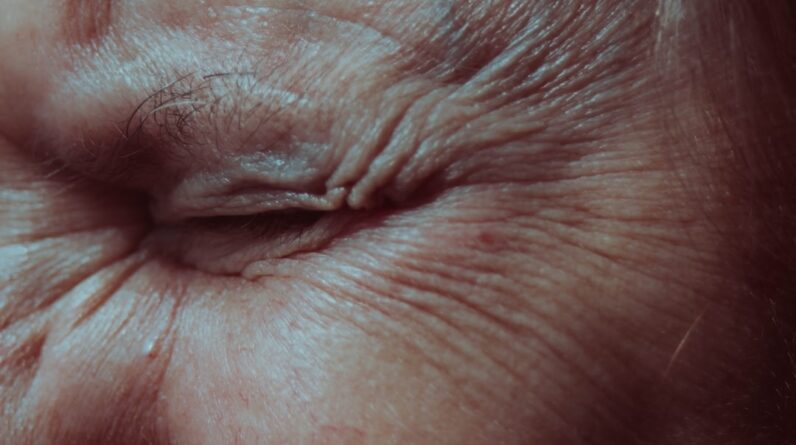
These lines radiating from the outer corners of your eyes are often deepened by smiling or squinting. The orbicularis oculi muscle, which controls eyelid closure and squinting, is the primary muscle treated for crow’s feet.
Other Cosmetic Uses
Beyond these common areas, Botox can also be used to:
- Lift the corners of the mouth: For those experiencing a downturned mouth, Botox can subtly elevate the corners, creating a more neutral or even slightly upturned resting expression.
- Reduce chin dimpling: A pebbly or dimpled appearance of the chin can be smoothed by relaxing the mentalis muscle.
- Create a “lip flip” effect: For a subtle enhancement of the upper lip, Botox can be injected into the orbicularis oris muscle above the upper lip, causing it to evert slightly.
- Address Bunny Lines: These are the wrinkles that appear on the sides of your nose when you scrunch it.
Therapeutic Applications of Botox
While cosmetic uses are prominent, Botox also has a significant role in treating various medical conditions. These applications are often covered by insurance, depending on the condition and your provider’s specialization.
Migraine Treatment
For individuals suffering from chronic migraines (defined as 15 or more headache days per month, with at least 8 of those being migraines), Botox injections at specific sites around the head and neck can significantly reduce the frequency and severity of these debilitating headaches. The exact mechanism by which Botox helps with migraines is not fully understood, but it is believed to involve blocking pain signals.
Muscle Spasticity
Botox is used to treat muscle spasticity associated with conditions like cerebral palsy, multiple sclerosis, stroke, and spinal cord injury. By relaxing overactive muscles, it can improve range of motion, reduce pain, and enhance function.
Excessive Sweating (Hyperhidrosis)
Botox can effectively block the nerve signals that stimulate sweat glands. This is commonly used to treat hyperhidrosis of the underarms, palms, and soles of the feet, offering a significant improvement in quality of life for those affected by excessive perspiration.
Other Therapeutic Uses
- Overactive Bladder: Botox injections into the bladder wall can help reduce the involuntary contractions that cause urinary urgency and frequency.
- Strabismus (Crossed Eyes): Injected into specific eye muscles, Botox can help correct misalignments.
- Blepharospasm: This condition involves involuntary eyelid twitching or forceful closure. Botox helps to relax the eyelid muscles.
Navigating Your Options: Finding a Provider in Downtown Allen
The presence of multiple clinics in Downtown Allen means you have choices, but this also necessitates a careful selection process. You are looking for a qualified and experienced professional who prioritizes your safety and delivers results aligned with your expectations.
Types of Providers
In Downtown Allen, you’ll likely encounter a variety of medical professionals offering Botox. Understanding their training and scope of practice is crucial.
Board-Certified Dermatologists
Dermatologists are physicians who specialize in the diagnosis and treatment of conditions affecting the skin, hair, and nails. They have extensive training in anatomy, physiology, and the aesthetic use of injectables. Many dermatologists in aesthetic practices are skilled in Botox.
Board-Certified Plastic Surgeons
Plastic surgeons are medical doctors who specialize in reconstructive and cosmetic surgery. They possess a deep understanding of facial anatomy and are highly skilled in performing a wide range of aesthetic procedures, including Botox injections.
Nurse Practitioners (NPs) and Physician Assistants (PAs) Specializing in Aesthetics
NPs and PAs working under the supervision of a physician in an aesthetic clinic can also administer Botox. They typically have specialized training and experience in cosmetic injectables. It is important to confirm their specific qualifications and the physician’s oversight.
Registered Nurses (RNs) Administering Botox
In some jurisdictions, RNs, under the direct supervision of a physician or advanced practice provider, can administer Botox. Their training will be specific to injection techniques, and they will be working within a defined protocol.
Due Diligence: What to Look For
Beyond the title, several factors contribute to a trustworthy provider.
Credentials and Experience
Verify the provider’s board certification in a relevant specialty (dermatology, plastic surgery) or their advanced practice credentials and aesthetic focus. Inquire about the number of years they have been performing Botox injections and their experience with the specific areas you are interested in. A reputable clinic will be transparent about their practitioners’ qualifications.
Consultation Process
A thorough consultation is a non-negotiable step. Your provider should:
- Listen to your goals: They should actively listen to what you hope to achieve with Botox and assess your individual needs.
- Conduct a facial analysis: This involves examining your facial anatomy, muscle movement, and the nature of your wrinkles.
- Explain the procedure: They should detail the injection process, the muscles being targeted, and the expected outcome.
- Discuss risks and potential side effects: A comprehensive discussion of potential adverse events is essential.
- Answer your questions: You should feel comfortable asking any question you have.
- Not use high-pressure sales tactics: The decision should be yours.
Before and After Photos
Reviewing before and after photos of the provider’s previous patients with similar concerns can give you a realistic idea of their results. Ensure the photos are of actual patients and not stock images.
Clinic Environment and Staff
The clinic itself should be clean, professional, and well-maintained. The staff should be welcoming and knowledgeable, and you should feel comfortable and respected throughout your visit.
Patient Reviews and Testimonials
While not the sole basis for your decision, reading online reviews and testimonials can offer insights into other patients’ experiences. Look for consistent themes regarding patient satisfaction, the provider’s skill, and the overall clinic atmosphere.
The Botox Procedure: What to Expect in Downtown Allen
Understanding the procedure itself can alleviate anxiety and prepare you for what lies ahead. Downtown Allen clinics will follow established protocols for safe and effective administration.
Pre-Treatment Preparations
Before your appointment, your provider will likely advise you on several preparatory steps:
Medical History Review
You will be asked to provide a comprehensive medical history, including any allergies, medications you are currently taking (especially blood thinners like aspirin, ibuprofen, or certain herbal supplements), and any previous cosmetic procedures. This information is critical for ensuring your safety.
Avoiding Certain Substances
To minimize bruising, you may be asked to avoid alcohol, aspirin, ibuprofen, and certain vitamin E supplements for a few days prior to your appointment. Your provider will give you specific instructions.
Topical Anesthesia (Optional)
While for many, the injections are tolerable with little discomfort, some individuals opt for a topical numbing cream to be applied to the treatment area about 15-30 minutes before the injections. This can further enhance comfort.
The Injection Process
The Botox injection process is generally quick and relatively straightforward.
Marking the Treatment Areas
The provider will typically mark the precise injection sites on your face using a sterile marker. This ensures accuracy and consistent placement of the neurotoxin.
The Injection Itself
Using a very fine needle, the Botox is injected into specific muscles. You may feel a small prick or a stinging sensation as the needle enters the skin and the liquid is injected. The number of injections will vary depending on the area being treated and your individual anatomy. For instance, treating frown lines might involve 5-6 injections, while crow’s feet might require 2-3 injections on each side.
Duration of the Procedure
The actual injection process typically takes anywhere from 5 to 15 minutes, depending on the number of areas being treated. The entire appointment, including consultation time (if it’s your first visit), preparation, and the procedure, might range from 30 to 60 minutes.
Post-Treatment Care and Expectations
Immediately after your injections, there are a few directives to follow to optimize results and minimize complications.
Immediate Aftercare
- Avoid Rubbing or Massaging the Treated Area: This is crucial to prevent the Botox from migrating to unintended muscles, which could cause drooping or asymmetry.
- Refrain from Strenuous Exercise: For at least 24 hours post-treatment, avoid intense physical activity that can increase blood flow and potentially lead to bruising.
- Limit Sun Exposure and Heat: Avoid saunas, hot tubs, and excessive sun exposure for the first day or two.
- Do Not Lie Down for Several Hours: Some providers recommend remaining upright for a few hours after the injections.
Potential Side Effects
While generally safe, like any medical procedure, Botox can have side effects. Most are temporary and mild.
- Bruising: Small bruises at the injection sites are common and usually resolve within a few days.
- Swelling: Mild swelling may occur around the injection sites.
- Redness: The skin may appear slightly red in the treated areas.
- Headache: Some individuals report a mild headache following treatment.
- Drooping Eyelid (Ptosis): In rare cases, if Botox inadvertently affects the muscles that lift the eyelid, temporary drooping can occur. This is usually temporary and can often be managed.
- Asymmetry: Uneven results can occur, though this is less common with experienced practitioners.
Onset of Results
It’s important to understand that Botox does not provide immediate results. The effects begin to appear gradually, typically within 3 to 7 days after the injections. Full results are usually visible within 10 to 14 days.
Follow-Up and Touch-Ups
Your provider will likely schedule a follow-up appointment about two weeks after your initial treatment to assess your results and address any concerns. If any asymmetry or under-correction is noted, a small touch-up injection may be administered. The longevity of Botox results typically ranges from 3 to 6 months. You will likely need to schedule follow-up treatments to maintain your desired appearance.
Addressing Concerns: Safety and Realistic Expectations
Your decision to undergo Botox treatment should be informed by a clear understanding of safety protocols and what constitutes realistic outcomes. Downtown Allen clinics adhere to industry standards, but your proactive approach is equally important.
Safety Protocols in Licensed Clinics
Reputable clinics in Downtown Allen prioritize your safety through several key practices:
Sterile Environment and Equipment
All injections should be performed in a sterile environment using single-use needles and syringes. Proper sterilization of all equipment is paramount to prevent infection.
Licensed and Trained Professionals
As discussed, ensure your provider is suitably qualified and has received specific training in administering Botox. They should be knowledgeable about facial anatomy and potential complications.
FDA-Approved Product
Botox should be obtained from legitimate and licensed distributors to ensure its authenticity and safety. Always confirm that the product being used is FDA-approved.
Dilution and Dosage
The correct dilution and precise dosage of Botox are crucial for both efficacy and safety. Your provider will determine the appropriate amount based on your individual needs and treatment areas.
Informing You of Risks and Contraindications
A responsible provider will thoroughly assess you for any contraindications to Botox treatment, such as certain neurological conditions or allergies. They must also clearly outline the potential risks and side effects, no matter how rare they may be.
Setting Realistic Expectations
It is vital to approach Botox with achievable goals. Over-expectation can lead to disappointment.
Botox is a Temporary Solution
Remember that Botox is not a permanent fix for wrinkles. The effects are a temporary muscle relaxant, and you will need ongoing treatments to maintain the results.
Not a “Magic Wand”
Botox is highly effective for dynamic wrinkles but may not address static wrinkles or volume loss as effectively. Static wrinkles are those present even when your face is at rest. For these, other treatments like dermal fillers or laser resurfacing might be considered. Volume loss requires replenishment of lost tissue.
Individual Variability in Results
The duration and effectiveness of Botox can vary from person to person. Factors like muscle strength, metabolism, and lifestyle choices can influence how long the results last.
Potential for “Frozen” Look
Over-injection or injection into the wrong muscles can lead to an unnatural, “frozen” appearance where facial expressions are restricted. Choosing an experienced injector who understands subtle muscle balance is key to avoiding this. A good injector aims for a refreshed, natural look, not a mask-like effect.
Importance of Communication
Open and honest communication with your provider is essential. If you are unhappy with your results or experience unexpected side effects, inform them immediately. They can often make adjustments or offer solutions.
Financial and Practical Considerations for Botox in Downtown Allen
Beyond the medical aspects, understanding the financial and practical implications of Botox treatments in Downtown Allen is an important part of your decision-making process.
Cost of Botox Treatments
The cost of Botox can vary significantly based on several factors:
Per Unit Pricing
Botox is typically priced per unit. The number of units required depends on the area being treated and the strength of the muscles. For example, forehead treatments might require 10-20 units, while frown lines might need 20-30 units, and crow’s feet around 10-15 units per side. A full-face treatment involving multiple areas would naturally require more units.
Provider Fees
The expertise and reputation of the injector can influence the cost. Highly sought-after practitioners with extensive experience may charge more per unit.
Clinic Overhead
The location of the clinic (prime real estate in Downtown Allen may contribute to higher operating costs) and the services offered (e.g., luxurious waiting areas, state-of-the-art technology) can also affect pricing.
Treatment Areas
More extensive treatments involving multiple areas will naturally cost more than targeting a single area.
Typical Price Range
While prices fluctuate, you can expect to pay anywhere from $10 to $20 per unit of Botox. A common treatment for frown lines and forehead might cost between $300 and $700, depending on the number of units used.
Insurance Coverage
It is important to note that cosmetic Botox treatments are generally not covered by health insurance. However, if you are seeking Botox for a medically indicated condition such as chronic migraines, hyperhidrosis, or muscle spasticity, there is a possibility of insurance coverage.
Verifying Coverage
If you believe your treatment may be medically necessary, you must:
- Check with your insurance provider: Directly contact your insurance company to inquire about their policy on Botox for your specific condition.
- Consult with your provider’s billing department: The clinic’s billing staff can help you understand the process of submitting claims and what documentation is required.
- Obtain Pre-authorization: For medically indicated treatments, pre-authorization from your insurance company is often required before the procedure.
Payment Options and Financing
Most clinics in Downtown Allen accept various payment methods:
- Cash and Credit Cards: Standard payment options are widely accepted.
- Payment Plans and Financing: Some aesthetic clinics partner with third-party financing companies (e.g., CareCredit, Alphaeon Credit) that offer payment plans, allowing you to spread the cost of your treatment over time with manageable monthly installments. Inquire with the clinic about available financing options.
Scheduling and Accessibility
Downtown Allen offers a central and accessible location for many residents.
Booking Appointments
It is advisable to book your appointments in advance, especially during peak seasons or if you have a specific preferred provider. Many clinics offer online booking systems in addition to phone scheduling.
Clinic Hours
When researching clinics, check their operating hours to ensure they align with your schedule. Some clinics may offer extended hours or weekend appointments.
Parking and Transportation
Consider the ease of access and parking in Downtown Allen. While many urban centers have parking challenges, Downtown Allen has invested in infrastructure. Check with the specific clinic regarding their recommended parking options or if they offer validated parking. Public transportation options may also be available depending on your starting point.
Your journey to exploring Botox treatments in Downtown Allen involves understanding the science behind it, meticulously choosing your provider, preparing for the procedure, setting realistic expectations, and managing the practical and financial aspects. By taking a well-informed and considered approach, you can navigate your options effectively and make decisions that align with your personal goals and well-being.
FAQs
What is Botox treatment?
Botox treatment is a cosmetic procedure that involves injecting a purified form of botulinum toxin into the muscles to temporarily reduce the appearance of wrinkles and fine lines.
How does Botox work?
Botox works by blocking nerve signals in the muscles where it is injected, causing the muscles to relax and smoothing out the wrinkles and fine lines in the overlying skin.
What are the common areas for Botox treatment?
Common areas for Botox treatment include the forehead, frown lines between the eyebrows, and crow’s feet around the eyes. It can also be used to treat other areas such as the chin and neck.
What are the potential side effects of Botox treatment?
Common side effects of Botox treatment include temporary bruising, swelling, and redness at the injection site. In rare cases, there can be more serious side effects such as drooping eyelids or eyebrows.
How long does Botox treatment last?
The effects of Botox treatment typically last for 3-4 months, after which the muscles gradually regain their movement and the wrinkles may reappear. Regular maintenance treatments are usually recommended to maintain the results.