You’re considering aesthetic treatments, and the name “Botox and Fillers Lyons Gate Gilbert” has come up. This specific practice, located within the Lyons Gate area of Gilbert, Arizona, offers a range of non-surgical cosmetic procedures. If you’re contemplating injectables for facial rejuvenation or enhancement, understanding what this clinic might offer, what to expect, and how to approach your decision-making process is crucial. This article aims to provide you with a comprehensive overview, focusing on what you, as a potential client, should know.
When you hear “Botox and Fillers Lyons Gate Gilbert,” you’re primarily looking at two distinct categories of injectables, each serving a different purpose in aesthetic enhancement. It’s important to differentiate between them to understand what you might be seeking.
Botox: Targeting Dynamic Wrinkles
Botulinum toxin, commonly known by the brand name Botox, is a neuromodulator. It works by temporarily paralyzing the muscles responsible for creating certain types of wrinkles.
How Botox Works
- Muscle Relaxation: When injected into specific facial muscles, Botox blocks nerve signals that cause these muscles to contract. This relaxation of the muscle smooths out the overlying skin.
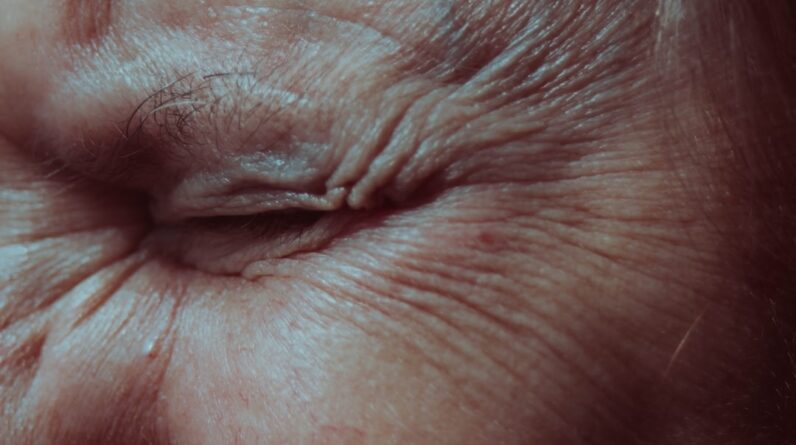
- Targeted Areas: Botox is most effective for treating “dynamic wrinkles,” which are wrinkles that appear with facial expressions. Think of the lines that form when you smile (crow’s feet), frown (glabella lines between the eyebrows), or raise your eyebrows (forehead lines).
- Duration of Effects: The results of Botox are not permanent. Typically, you can expect the effects to last for approximately three to four months. After this period, muscle activity gradually returns, and the wrinkles may reappear.
- Procedure: The injection process itself is generally quick and minimally invasive. A trained professional will administer a series of small injections into the targeted muscles. Some mild discomfort may be experienced, but it’s usually well-tolerated, especially with the use of a topical anesthetic or ice.
What to Expect Post-Botox
- Onset of Results: You won’t see immediate results. It usually takes a few days to a week to notice the full effects of the Botox.
- Potential Side Effects: While generally safe, some common side effects include temporary bruising, swelling, or redness at the injection sites. In rare cases, more significant side effects can occur, such as drooping eyelids or eyebrows, but these are typically managed by the practitioner.
- Maintenance: To maintain the results, you’ll need to schedule follow-up appointments for retreatment every few months.
Dermal Fillers: Addressing Volume Loss and Static Wrinkles
Dermal fillers, in contrast to Botox, are used to restore lost volume, fill in static wrinkles and folds, and enhance facial contours. “Lyons Gate Gilbert” would likely offer a variety of filler types.
Types of Dermal Fillers
The practice may offer a selection of fillers, with the most common being hyaluronic acid-based.
- Hyaluronic Acid (HA) Fillers: These are the most popular type of fillers. Hyaluronic acid is a substance that naturally occurs in the skin and helps retain moisture, providing volume and hydration. Examples include Juvederm, Restylane, and Belotero.
- Indications: HA fillers are versatile and can be used to address nasolabial folds (smile lines), marionette lines, lip augmentation, cheek enhancement, and to fill in hollows under the eyes.
- Duration: The longevity of HA fillers varies depending on the specific product and the area of injection, but generally ranges from six months to two years.
- Reversibility: A significant advantage of HA fillers is that they can be dissolved with an enzyme called hyaluronidase if there are any concerns or complications.
- Other Filler Types: While HA fillers are prevalent, some practices may offer other types such as:
- Calcium Hydroxylapatite (CaHA) Fillers: (e.g., Radiesse) These stimulate collagen production and are often used for deeper wrinkles and contouring.
- Poly-L-lactic Acid (PLLA) Fillers: (e.g., Sculptra) These are more gradual volumizers that stimulate your body’s own collagen production over time, leading to longer-lasting results.
How Dermal Fillers Work
- Adding Volume: Fillers are injected beneath the skin’s surface to plump up areas that have lost volume due to aging or to enhance specific features.
- Smoothing Wrinkles and Folds: By filling in static wrinkles and folds, fillers create a smoother, more youthful appearance. Static wrinkles are those present even when your face is at rest, often caused by volume loss.
- Contouring and Enhancement: Fillers can be used strategically to define jawlines, plump lips, lift cheeks, and improve the overall structure of the face.
What to Expect Post-Filler
- Immediate Results: Unlike Botox, you will typically see immediate results with dermal fillers.
- Potential Side Effects: Common side effects include swelling, redness, bruising, and tenderness at the injection site. Lumps or bumps can also occur, but these are often treatable. More serious complications, though rare, can include infection or vascular occlusion.
- Recovery: Recovery is usually minimal, with most people able to return to their normal activities shortly after the procedure. However, it’s advisable to avoid strenuous exercise and excessive heat for a day or two.
The Consultation Process at Lyons Gate Gilbert
Before any treatment is administered at a practice like Lyons Gate Gilbert, a thorough consultation is a cornerstone of responsible aesthetic care. This is your opportunity to discuss your goals, concerns, and to receive a professional assessment.
What to Discuss During Your Consultation
- Your Aesthetic Goals: Be clear and specific about what you hope to achieve. Are you looking to reduce forehead lines, enhance your lips, or restore volume to your cheeks? Bringing reference photos can be helpful.
- Medical History: Be prepared to disclose your complete medical history, including any allergies, current medications (especially blood thinners), and any previous cosmetic procedures you’ve undergone. This information is vital for the practitioner to assess your suitability for treatment and to anticipate potential risks.
- Treatment Options: The practitioner will evaluate your facial anatomy, skin quality, and the areas you wish to address. They will then recommend the most appropriate treatments, explaining why they believe these options will best meet your goals. This might involve a single treatment or a combination of Botox and fillers.
- Risks and Benefits: You should have a detailed discussion about the potential risks, benefits, and limitations of each proposed treatment. Don’t hesitate to ask questions until you feel fully informed.
- Expected Outcomes: The practitioner should provide a realistic expectation of what you can achieve with the treatments. This includes discussing the potential results, the expected duration of those results, and what might be considered a successful outcome.
- Cost and Payment: Discuss the cost of the proposed treatments upfront. Understand what is included in the price and inquire about any payment plans or financing options if available.
What to Look For in a Practitioner
At Lyons Gate Gilbert, or any aesthetic clinic, the qualifications and experience of the practitioner are paramount.
- Credentials: Ensure the practitioner is a licensed medical professional, such as a physician (dermatologist, plastic surgeon), a physician assistant, or a registered nurse who has received specialized training in aesthetic injectables. Always verify their credentials.
- Experience: Inquire about their experience specifically with Botox and dermal fillers. How long have they been performing these procedures? How many treatments have they administered? Do they have experience with the specific products you are considering?
- Specialization: While not always necessary, practitioners who specialize in facial aesthetics or dermatology often possess a deeper understanding of facial anatomy and the nuances of injectable treatments.
- Communication Style: A good practitioner will listen attentively to your concerns, explain things clearly and patiently, and make you feel comfortable asking questions. They should not pressure you into treatments.
- Before and After Photos: Reputable practitioners will have a portfolio of before and after photos of their work. Review these to gauge the quality of their results and to see if their aesthetic aligns with yours.
The Procedure Itself: What to Expect During Treatment
Once you’ve had your consultation and decided to proceed, the actual treatment session will follow. Understanding the process can help alleviate any anxieties you might have.
Preparing for Your Appointment
- Avoid Certain Medications: Your practitioner may advise you to avoid certain medications and supplements that can increase the risk of bruising, such as aspirin, ibuprofen, and certain herbal supplements, for a week or two prior to your appointment.
- Hydration: Staying well-hydrated is generally recommended for overall skin health, though its direct impact on injectable procedures is minimal.
- Alcohol and Smoking: It’s often advised to avoid alcohol and smoking for at least 24-48 hours before and after treatment, as these can impair healing.
- Clean Skin: Come to your appointment with clean skin, free from makeup and lotions, especially in the areas to be treated.
The Injection Process
The specific steps in the injection process will vary slightly depending on whether you are receiving Botox or fillers, and the areas being treated.
For Botox Treatments:
- Cleansing: The treatment area will be cleansed thoroughly with an antiseptic solution.
- Marking: The practitioner may mark the injection sites with a surgical pen.
- Injection: Using a very fine needle, the Botox will be injected into the predetermined muscles. You might feel a slight prick with each injection.
- Duration: A Botox treatment session typically takes about 10-20 minutes.
For Dermal Filler Treatments:
- Cleansing: The area will be cleansed.
- Numbing (Optional): A topical anesthetic cream may be applied to numb the skin, especially for more sensitive areas like the lips. Some fillers also contain lidocaine, a local anesthetic, mixed within the product itself.
- Injection: The practitioner will use a fine needle or a blunt-tipped cannula to inject the filler into the specific areas. The technique will vary depending on the filler product and the desired outcome.
- Sculpting: After injection, the practitioner may gently massage the area to ensure the filler is evenly distributed and to achieve the desired contour.
- Duration: A filler treatment session can take anywhere from 30 minutes to an hour or more, depending on the number of areas being treated and the type of filler used.
Post-Treatment Care and Immediate Next Steps
After the injections, the practitioner will provide you with specific aftercare instructions.
- Avoid Touching: Try to avoid touching, rubbing, or massaging the treated areas for several hours, especially after Botox.
- No Strenuous Activity: For 24-48 hours, avoid strenuous exercise, saunas, hot tubs, and excessive heat.
- Sleeping Position: For fillers, you might be advised to sleep with your head elevated.
- Makeup: It’s typically recommended to avoid applying makeup to the treated areas for at least a few hours.
- Follow-up: The practitioner will likely schedule a follow-up appointment, usually a couple of weeks after your treatment, to assess the results and make any necessary adjustments.
Maintaining Your Results and Managing Expectations
Aesthetic treatments are not a one-time fix. To maintain the results you achieve at Lyons Gate Gilbert, a consistent approach and realistic expectations are essential.
The Importance of Touch-Up Treatments
- Botox: As mentioned, Botox is temporary. To sustain the smooth appearance of your skin, you’ll need to undergo repeat injections every 3-4 months. Consistency is key to preventing the dynamic wrinkles from re-establishing their prominence.
- Dermal Fillers: The longevity of fillers varies. While some results can last up to two years, others may require touch-ups sooner. Your practitioner can advise you on the best schedule for maintenance based on the filler used and your individual metabolism.
What to Do If Results Aren’t As Expected
It’s important to remember that everyone’s body responds differently to treatments. If you are not entirely satisfied with the results of your Botox or filler treatment, don’t hesitate to contact your practitioner at Lyons Gate Gilbert.
- Communicate Concerns: Schedule a follow-up appointment to discuss your concerns. Open and honest communication is vital.
- Possible Adjustments: For Botox, if you have residual movement or unevenness, a small additional injection may be administered. For fillers, if there are lumps or asymmetry, they can often be addressed through massage or, in certain cases, by dissolving the filler. However, it’s crucial to allow adequate time for initial swelling to subside before making a judgment on the final outcome.
- Realistic vs. Unrealistic Expectations: It’s important to distinguish between minor adjustments needed to achieve the desired look and unrealistic expectations. Injectable treatments can create significant improvements, but they cannot fundamentally alter your facial structure or create a completely different appearance.
Long-Term Aesthetic Strategy
For many individuals, Botox and fillers become part of a long-term strategy for maintaining a youthful appearance.
- Preventative Measures: Starting Botox at a younger age, when dynamic wrinkles are just beginning to form, can sometimes help prevent them from becoming etched into the skin as static wrinkles over time.
- Combination Therapies: Your practitioner might suggest combining injectables with other treatments, such as medical-grade skincare, laser treatments, or microneedling, for more comprehensive facial rejuvenation.
- Lifestyle Factors: Remember that lifestyle choices significantly impact your skin’s health and appearance. Maintaining a healthy diet, staying hydrated, protecting your skin from the sun, and avoiding smoking will complement the results of your injectable treatments.
Considerations Beyond the Needle: Cost, Safety, and Choosing Wisely
| Procedure | Number of Treatments | Cost |
|---|---|---|
| Botox | 50 | 500 |
| Fillers | 30 | 700 |
When you’re looking into “Botox and Fillers Lyons Gate Gilbert,” several practical and safety considerations deserve your attention. These go beyond the immediate treatment and the aesthetic outcome.
Understanding the Investment: Cost of Treatments
The cost of Botox and dermal fillers can vary significantly. Several factors influence pricing at any clinic, including Lyons Gate Gilbert.
- Type of Product: Different brands and types of Botox and fillers have different price points. For instance, a specific HA filler might be more expensive than another.
- Amount Used: The more product required to achieve your desired results, the higher the cost will be. This is particularly relevant for fillers used to address volume loss in larger areas like the cheeks.
- Practitioner’s Expertise and Location: Highly experienced practitioners or those in prime locations may command higher fees.
- Treatment Areas: The number of distinct areas you are treating will also impact the overall cost.
- Promotions and Packages: Some practices offer promotional pricing, package deals for multiple treatments, or loyalty programs. It’s worth inquiring about these.
It’s crucial to have a clear understanding of the total cost during your consultation, including any potential follow-up costs or fees for dissolving agents if applicable.
Prioritizing Safety: Risks and Complications
While generally considered safe when performed by qualified professionals, all medical procedures carry some level of risk. Understanding these potential risks is part of making an informed decision.
- Common Side Effects: As detailed earlier, these include bruising, swelling, redness, and tenderness. These are typically temporary and resolve on their own.
- Less Common Side Effects:
- Asymmetry: Uneven results can occur and may require correction.
- Lumps and Bumps: Particularly with fillers, temporary nodules or lumps can form, which might need treatment.
- Infection: Although rare, any injection introduces a minimal risk of infection.
- Allergic Reactions: While uncommon with modern fillers, allergic reactions are possible.
- Vascular Occlusion: This is a serious but rare complication where filler is accidentally injected into a blood vessel, potentially leading to tissue damage or blindness. Prompt recognition and treatment are critical. This underscores the importance of having treatments performed by highly trained medical professionals.
- Choosing a Reputable Clinic: The best way to mitigate risks is to choose a clinic like Lyons Gate Gilbert that prioritizes safety, employs experienced and qualified practitioners, and adheres to strict hygiene protocols.
The Decision-Making Process: Is It Right for You?
Deciding whether Botox and fillers are the right choice for you is a personal journey.
- Assess Your Motivations: Are you seeking treatment for yourself to address specific concerns, or are you feeling pressured by external factors? Genuine personal desire is essential.
- Realistic Expectations: Understand that injectables enhance, they don’t transform. Discuss with your practitioner what is realistically achievable for your facial anatomy.
- Financial Planning: Aesthetic treatments are an elective expense. Ensure you can comfortably afford the treatments and any necessary maintenance without compromising your financial well-being.
- Consider Alternatives: If injectables feel too invasive or don’t align with your goals, explore other options such as advanced skincare, non-invasive devices, or surgical procedures.
By thoroughly researching, asking critical questions, and carefully considering all aspects, you can make an informed decision about whether “Botox and Fillers Lyons Gate Gilbert” is the right path for your aesthetic journey.
FAQs
What are Botox and fillers?
Botox is a neurotoxin that temporarily paralyzes muscles, reducing the appearance of wrinkles. Fillers are injectable substances that add volume to areas of the face, such as lips and cheeks.
How do Botox and fillers work?
Botox works by blocking nerve signals in the muscles where it is injected, causing them to relax and smooth out wrinkles. Fillers work by adding volume to the skin, filling in wrinkles and lines.
What are the potential side effects of Botox and fillers?
Common side effects of Botox and fillers include bruising, swelling, redness, and tenderness at the injection site. More serious side effects can include infection, allergic reactions, and asymmetry.
How long do the effects of Botox and fillers last?
The effects of Botox typically last 3-4 months, while fillers can last anywhere from 6 months to 2 years, depending on the type of filler used.
Who is a good candidate for Botox and fillers?
Good candidates for Botox and fillers are generally healthy individuals who are looking to reduce the appearance of wrinkles and add volume to specific areas of the face. It is important to consult with a qualified medical professional to determine if Botox and fillers are suitable for you.