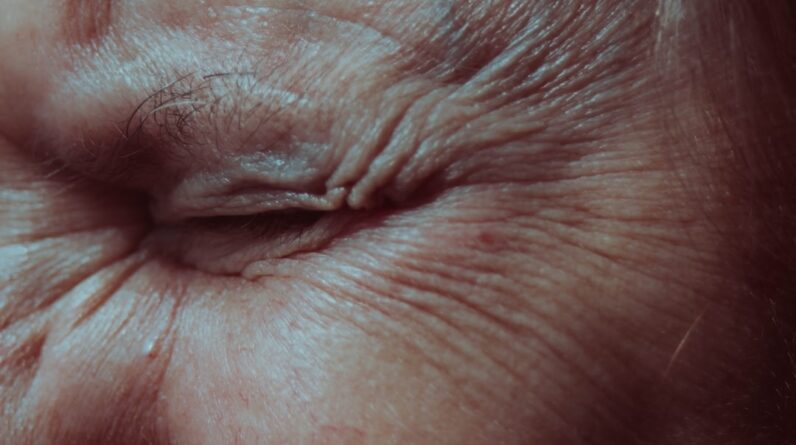
You stand at a crossroads, perhaps noticing the subtle etchings of time on your skin, the lines that tell stories of laughter, stress, and sun-drenched days in the Arizona landscape. You’ve heard the buzz, seen the results, and now you’re considering the realm of cosmetic injectables – specifically, Botox and fillers, right here in the vibrant community of Agritopia, Gilbert, Arizona. This guide aims to equip you with factual information, allowing you to make an informed decision about whether these treatments are the right path for you. Think of this as a compass, helping you navigate the terrain of rejuvenation without hyperbole or overly enthusiastic promises.
Understanding the Landscape of Cosmetic Injectables
Before you embark on your journey to Agritopia’s aesthetic clinics, it’s crucial to understand the fundamental differences between Botox and fillers. They are not interchangeable tools; rather, they address distinct aspects of facial aging. Consider them specialists, each with a unique skill set.
The Mechanics of Botox: Relaxing the Muscles
Botulinum toxin, commonly known as Botox, is a neurotoxic protein produced by the bacterium Clostridium botulinum. In the context of cosmetic treatments, it’s purified and used in very small, controlled doses. Its primary function is to temporarily paralyze or weaken specific muscles.
How Botox Works at a Cellular Level
When injected, Botox works by blocking nerve signals that cause muscle contractions. It essentially prevents the neurotransmitter acetylcholine from binding to its receptors on muscle cells. Acetylcholine is the chemical messenger that tells your muscles to contract. By interrupting this communication, Botox causes the targeted muscles to relax. This relaxation is what leads to the softening of dynamic wrinkles – the lines that appear when you animate your face, such as crow’s feet when you smile or frown lines between your brows.
Medical and Cosmetic Applications
While you’re likely here to discuss cosmetic applications, it’s worth noting that Botox also has significant medical uses. It’s employed to treat conditions characterized by involuntary muscle contractions, including:
- Strabismus (crossed eyes): By weakening specific eye muscles, it can help align the eyes.
- Blepharospasm (eyelid spasms): It can reduce the involuntary blinking and tightening of the eyelids.
- Cervical dystonia (neck muscle spasms): It helps alleviate pain and abnormal head positioning.
- Chronic migraines: Botox injections into specific head and neck muscles have been shown to reduce the frequency and severity of migraines for some individuals.
- Hyperhidrosis (excessive sweating): When injected into the skin, it can block nerve signals to sweat glands, reducing perspiration.
In the realm of aesthetics, these same principles are applied to address wrinkles and fine lines.
The Role of Dermal Fillers: Restoring Volume
Dermal fillers, in contrast to Botox, are designed to add volume, smooth out wrinkles, and restore lost facial contours. They are substances injected beneath the skin to plump and lift. Think of them as structural components for your face.
Common Filler Ingredients and Their Properties
The most common types of dermal fillers are based on hyaluronic acid. Hyaluronic acid is a naturally occurring substance in the body, found in skin, connective tissues, and eyes. It has a remarkable ability to attract and retain water, which contributes to its plumping effect.
- Hyaluronic Acid (HA) Fillers: These are the most popular type due to their reversibility and natural feel. Brands like Juvéderm, Restylane, and Belotero fall into this category. Different formulations of HA fillers exist, offering varying degrees of viscosity and flexibility, making them suitable for different areas of the face and specific concerns. For instance, some are ideal for fine lines around the lips, while others are designed for deeper folds or cheek augmentation.
- Calcium Hydroxylapatite (CaHA) Fillers: These fillers, like Radiesse, contain calcium microspheres suspended in a gel. They not only provide immediate volume but also stimulate the body’s natural collagen production over time, offering a longer-lasting rejuvenation effect.
- Poly-L-Lactic Acid (PLLA) Fillers: Sculptra is a well-known PLLA filler. This type of filler works by stimulating collagen synthesis gradually. It requires multiple treatment sessions to achieve optimal results, but the effects can be quite long-lasting as it rebuilds the underlying facial structure.
Addressing Different Types of Wrinkles and Volume Loss
Fillers are particularly effective at addressing:
- Static wrinkles: These are lines that are present even when your face is at rest, such as nasolabial folds (smile lines) and marionette lines (lines extending from the corners of the mouth downwards). Fillers literally fill these depressions.
- Volume loss: As we age, we lose subcutaneous fat and bone density, leading to a hollowing of the cheeks, temples, and under-eye areas. Fillers can be strategically placed to restore this lost volume, creating a more youthful and lifted appearance.
- Lip augmentation: Fillers are widely used to enhance lip volume, shape, and definition.
- Facial contouring: They can be used to enhance cheekbones, define the jawline, and improve the overall balance and symmetry of the face.
Finding Your Provider in Agritopia, Gilbert, Arizona
Selecting the right practitioner is paramount. The skill, knowledge, and aesthetic eye of your injector will significantly influence the outcome of your treatment. Agritopia, with its growing population and focus on well-being, offers a selection of clinics and medical professionals specializing in these procedures.
The Importance of Qualified Medical Professionals
You are entrusting your face to someone. It’s not a commodity; it’s a canvas. Therefore, seeking out licensed and experienced professionals is non-negotiable.
Board-Certified Dermatologists and Plastic Surgeons
Ideally, your injector should be a board-certified dermatologist or plastic surgeon. These medical doctors have extensive training in facial anatomy, skin conditions, and surgical/non-surgical aesthetic procedures. Their deep understanding of the underlying structures of the face provides a critical safety net.
Physician Assistants and Nurse Practitioners with Specialized Training
In some practices, highly trained and experienced Physician Assistants (PAs) and Nurse Practitioners (NPs) may administer Botox and fillers. However, it is crucial that they have undergone specialized aesthetic training and work under the supervision of a physician. Always inquire about their credentials and experience.
What to Look for in a Clinic
Beyond the individual practitioner, the clinic itself plays a role in your experience and safety.
Sterile Environment and Safety Protocols
A reputable clinic will maintain a sterile environment, adhering to the highest standards of hygiene. This minimizes the risk of infection. Look for practices that clearly outline their safety protocols.
Consultation Process: Setting Expectations
A thorough consultation is the cornerstone of any successful aesthetic treatment. Your provider should:
- Listen to your concerns: They should take the time to understand what you hope to achieve.
- Conduct a facial assessment: They will analyze your facial structure, skin condition, and existing wrinkles.
- Discuss your medical history: This includes allergies, medications, and any previous cosmetic procedures.
- Explain the risks and benefits: A transparent discussion of potential side effects and the expected outcomes is essential.
- Develop a personalized treatment plan: They should tailor the treatment to your unique needs and goals.
- Provide realistic expectations: No treatment can turn back time entirely. A good provider will manage your expectations regarding results and longevity.
Before and After Galleries: Seeing the Results
A clinic’s before and after gallery can offer a glimpse into their aesthetic preferences and the types of results they achieve. While every individual is different, these galleries can help you gauge if their style aligns with your desired outcome.
The Agritopia Aesthetic: What to Expect
When you visit a clinic in Agritopia, the experience will likely be professional and focused on your comfort and understanding. The treatments themselves are generally straightforward, but the context and the “Agritopia aesthetic” – if such a thing can be defined – might influence your choices. Consider it the local flavor of rejuvenation.
The Consultation: Your Roadmap to Treatment
As mentioned, the consultation is your initial meeting with the aesthetic professional. This is where you’ll discuss your goals.
Identifying Your Concerns: Lines, Volume, and Shape
Are you bothered by the lines that appear when you smile, the subtle thinning of your lips, or a general loss of facial fullness? Your provider will help you articulate these concerns.
- Dynamic Wrinkles: Crow’s feet, forehead lines, and glabellar lines (frown lines) are primary targets for Botox.
- Static Wrinkles: Nasolabial folds, marionette lines, and perioral wrinkles often respond well to fillers.
- Volume Deficit: Hollows in the cheeks, temples, or under the eyes can be addressed with fillers to restore youthful contours.
- Lip Enhancement: Achieving fuller, more defined lips is a common goal with fillers.
Discussing Treatment Options and Combinations
Your provider will recommend the most appropriate treatment(s) for your specific needs. Often, a combination of Botox and fillers can provide comprehensive facial rejuvenation. Botox addresses the dynamic lines, while fillers restore lost volume and smooth static wrinkles.
Understanding the Procedure and Recovery
The procedure itself is typically quick, often completed within 30-60 minutes depending on the area and the number of units or syringes used.
- Botox Injection Process: After cleansing the skin, the injector will mark the injection sites. A very fine needle is used to administer small amounts of Botox to specific muscles. Discomfort is usually minimal, often described as a slight pinch.
- Filler Injection Process: The treatment area will be cleansed, and a topical anesthetic or local anesthetic within the filler itself may be used to minimize discomfort. The filler is injected with a fine needle or a blunt-tip cannula into different depths of the skin or into deeper facial tissues. The sensation can vary but is generally manageable.
Post-Treatment Care and Expectations
Following the treatment, there are specific guidelines to optimize results and minimize potential side effects.
Immediate Aftercare Instructions
- Avoid vigorous exercise: For at least 24-48 hours post-Botox, to prevent the toxin from migrating.
- Do not massage the treated area: This is particularly important after filler injections to avoid disrupting the product.
- Avoid excessive heat: Steaming rooms, saunas, and prolonged sun exposure can exacerbate swelling or redness.
- Stay hydrated: For filler treatments, drinking plenty of water can help the hyaluronic acid plump effectively.
Potential Side Effects and When to Seek Help
While generally safe, like any medical procedure, Botox and fillers carry potential risks.
- Botox Side Effects: These are usually temporary and localized. They can include bruising, swelling, redness at the injection site, headache, and mild drooping of the eyelid or eyebrow (if the injection is not placed precisely).
- Filler Side Effects: Common side effects include bruising, swelling, redness, and tenderness at the injection site. In rare cases, more serious complications can occur, such as infection, allergic reaction, or vascular occlusion (where filler blocks a blood vessel), which can lead to tissue damage if not treated promptly.
It is crucial to contact your provider immediately if you experience severe pain, changes in sensation, skin discoloration, or any other concerning symptoms after your treatment.
The Science Behind the Beauty: How Botox and Fillers Work
Understanding the scientific principles at play can demystify these treatments and empower you to make more informed choices. It’s about understanding the intricate biology of your skin and how these injectables interact with it.
Botox: The Neuromuscular Junction Interruption
Botox’s mechanism of action is a fascinating interplay between a neurotoxin and the body’s nervous system.
Acetylcholine Blockade and Muscle Relaxation
The key lies in its interaction with acetylcholine, the primary neurotransmitter responsible for muscle contraction. When Botox is injected, it binds to specialized proteins on nerve endings that are responsible for releasing acetylcholine. This binding prevents acetylcholine from being released into the synapse, the gap between the nerve and the muscle. Without this chemical signal, the muscle fiber cannot contract, leading to temporary paralysis or relaxation.
The Temporary Nature of Botox Effects
The effects of Botox are not permanent. This is because nerve endings are capable of regenerating and forming new connections over time. Typically, the effects of Botox last for 3 to 6 months, after which muscle activity gradually returns, and the wrinkles begin to reappear. This is why regular maintenance treatments are often recommended.
Fillers: Hydration, Support, and Collagen Stimulation
Fillers operate on different principles, primarily focusing on restoring volume and improving skin texture.
Hyaluronic Acid: The Hydration Powerhouse
Hyaluronic acid fillers work by attracting and binding to water molecules in the skin. This process, known as hygroscopic action, plumps the skin from within, filling in lines and wrinkles and restoring lost volume. The gel-like nature of HA fillers also provides structural support to the overlying tissues.
Collagen Stimulation: A Long-Term Benefit
While HA fillers provide immediate volume, certain types of fillers, like those containing calcium hydroxylapatite or poly-L-lactic acid, also act as biostimulators. They prompt your body to produce its own collagen, a protein essential for skin elasticity and firmness. This collagen-building effect can lead to more sustained improvements in skin texture and volume over time, extending beyond the lifespan of the filler material itself.
Diffusion and Integration into Tissues
Once injected, fillers integrate into the surrounding facial tissues. Hyaluronic acid fillers are gradually metabolized by the body, typically over 6-18 months, depending on the specific product and the area of injection. The rate of metabolism can be influenced by factors such as individual metabolism, exercise levels, and exposure to heat.
The Broader Context: Agritopia’s Lifestyle and Aesthetic Choices
Agritopia, with its unique blend of agricultural charm and modern living, fosters an environment where health and well-being are often prioritized. Your aesthetic choices are part of this larger picture.
Agritopia’s Influence on Individual Choices
The community’s ethos, which often emphasizes a connection to nature and a focus on healthy living, might translate into a preference for natural-looking results and a holistic approach to aesthetics.
- Emphasis on Natural Appearance: Many individuals in communities like Agritopia may seek treatments that enhance their natural features rather than drastically alter them. This means aiming for a refreshed look where the signs of aging are softened, but the individual’s unique identity remains intact.
- Holistic Approach to Wellness: Aesthetic treatments can be viewed as an extension of overall wellness. When you combine cosmetic procedures with a healthy diet, regular exercise, and good skincare, the results can be more profound and sustainable.
Balancing Treatment with the Arizona Lifestyle
The Arizona sun, while beautiful, can also contribute to premature skin aging. Understanding the role of sun protection is vital when pursuing cosmetic treatments.
- Sun Protection as a Cornerstone: Daily use of broad-spectrum sunscreen (SPF 30 or higher) is essential for everyone, but especially for those undergoing cosmetic treatments. Sun exposure can exacerbate redness, increase the risk of hyperpigmentation, and diminish the longevity of both Botox and filler results.
- Hydration and Skin Health: The dry Arizona climate necessitates consistent hydration, both internally and externally. Properly hydrated skin not only looks plumper and more radiant but also responds better to treatments.
Conclusion: Making an Informed Decision for Your Agritopia Journey
As you stand at this juncture, armed with a more comprehensive understanding of Botox and fillers, the decision of whether to proceed lies with you. Agritopia, Gilbert, Arizona, offers a locale with qualified professionals who can guide you through this process. Remember that informed consent is not just a formality; it’s the bedrock of a positive and safe experience. By understanding the science, the procedures, and the importance of choosing the right provider, you can approach your aesthetic journey with confidence and clarity. Consider this your starting point, a well-researched foundation upon which you can build your personal aesthetic goals within the welcoming environment of Agritopia.
FAQs
What are Botox and fillers used for in Agritopia, Gilbert, Arizona?
Botox and fillers are cosmetic treatments commonly used in Agritopia, Gilbert, Arizona to reduce the appearance of wrinkles, fine lines, and facial volume loss. Botox works by temporarily relaxing muscles to smooth out dynamic wrinkles, while fillers add volume and contour to areas such as cheeks, lips, and under the eyes.
How long do Botox and filler treatments typically last?
In Agritopia, Gilbert, Arizona, Botox results usually last between 3 to 4 months, after which repeat treatments are needed to maintain the effect. Dermal fillers can last anywhere from 6 months to 2 years depending on the type of filler used and the treatment area.
Are Botox and fillers safe procedures in Agritopia, Gilbert?
Yes, when administered by licensed and experienced medical professionals in Agritopia, Gilbert, Arizona, Botox and fillers are considered safe. It is important to have a consultation to discuss medical history and potential risks before treatment.
What should I expect during a Botox or filler appointment in Agritopia?
During a Botox or filler appointment in Agritopia, Gilbert, Arizona, the provider will assess your facial anatomy and discuss your aesthetic goals. The procedure involves a series of small injections and typically takes 15 to 30 minutes. Minimal downtime is expected, and patients can usually resume normal activities immediately.
How much do Botox and filler treatments cost in Agritopia, Gilbert, Arizona?
The cost of Botox and filler treatments in Agritopia, Gilbert, Arizona varies depending on the provider, the amount of product used, and the specific areas treated. On average, Botox may cost between $10 to $15 per unit, while fillers can range from $500 to $1,500 per syringe. It is best to consult with local clinics for precise pricing.