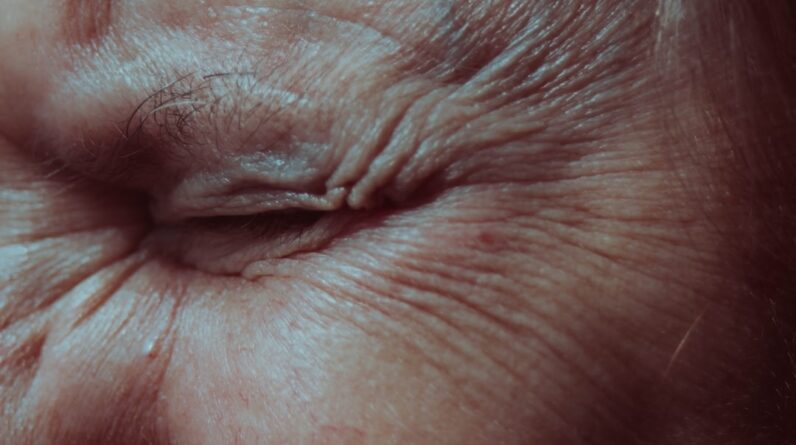
You’re likely here because you’ve noticed the subtle, and sometimes not-so-subtle, etchings that time has begun to draw on your skin. Wrinkles are a natural part of the human experience, a testament to laughter, sunrises, and all the moments that have shaped you. But if you’re looking for ways to support your skin’s resilience and potentially soften these lines, marine collagen has emerged as a popular contender. This article aims to provide you with a factual understanding of marine collagen and its potential role in addressing wrinkles, guiding you toward informed choices.
Collagen is the most abundant protein in your body, acting as the scaffolding that provides structure and elasticity to your skin, bones, tendons, and ligaments. Think of it as the sturdy framework beneath a well-loved building, holding everything together and providing its youthful bounce. As you age, your body’s natural collagen production begins to decline. This slowdown is a major driver of the visible signs of aging, including fine lines and wrinkles. Without sufficient collagen, your skin loses its firmness and ability to snap back, leading to sagging and the formation of creases. Environmental factors, such as sun exposure and pollution, can further accelerate this degradation process, acting like relentless sandblasters on that structural framework.
The Role of Collagen in Skin Structure
Your skin is composed of three primary layers: the epidermis, dermis, and hypodermis. The dermis, located beneath the epidermis, is where collagen plays its most significant role in skin appearance. This layer is a dense network of connective tissue, with collagen fibers providing the tensile strength that keeps your skin taut and smooth. Elastin fibers, which are also present in the dermis, provide the skin with its ability to stretch and recoil. As collagen levels decrease, the dermis becomes thinner and less organized, compromising the integrity of the skin’s surface. This loss of structural support is directly linked to the development of wrinkles.
Factors Contributing to Collagen Degradation
While chronological aging is inevitable, several external factors can accelerate the breakdown of collagen.
Ultraviolet (UV) Radiation
Exposure to the sun’s ultraviolet radiation is a primary culprit in premature skin aging. UV rays penetrate the dermis and trigger the production of enzymes called matrix metalloproteinases (MMPs). These MMPs are like tiny molecular scissors that cut through collagen and elastin fibers, leading to a loss of skin elasticity and firmness. This cumulative damage is often referred to as photoaging.
Lifestyle Choices
Certain lifestyle choices can also negatively impact collagen production and integrity. Smoking, for instance, constricts blood vessels, reducing the flow of oxygen and nutrients to the skin, which are vital for collagen synthesis. Poor nutrition, particularly a diet lacking in essential vitamins and minerals, can also hinder the body’s ability to produce and repair collagen. Chronic stress can also elevate cortisol levels, which has been shown to break down collagen.
What is Marine Collagen?
Marine collagen is collagen derived from marine sources, predominantly fish. Unlike bovine or porcine collagen, which come from land animals, marine collagen is sourced from the skin and scales of fish. It is typically hydrolyzed, meaning it has been broken down into smaller peptides, making it more easily absorbed by the body. The idea behind consuming collagen supplements is to provide your body with the necessary building blocks to support its own collagen production.
Types of Marine Collagen
There are several types of collagen found in the human body, with Type I and Type II being the most prevalent in the skin. Marine collagen supplements most commonly contain Type I and occasionally Type III collagen, which are Structurally similar to those found in human skin, making them a potentially good candidate for skin health.
Type I Collagen
This is the most abundant type of collagen in your body and a key component of skin, bones, tendons, and ligaments. It provides strength and structure. Marine sources like fish skin and scales are rich in Type I collagen.
Type III Collagen
Often found alongside Type I collagen in the skin, this type contributes to its elasticity and suppleness. Some marine collagen supplements may also contain Type III, though Type I is generally the primary focus for skin-related benefits.
Hydrolyzed Collagen and Bioavailability
The process of hydrolysis is crucial for making collagen digestible and absorbable. Raw collagen is a large molecule that the digestive system struggles to break down effectively. Hydrolysis breaks these long protein chains into smaller chains of amino acids, known as collagen peptides. These peptides are significantly more bioavailable, meaning your body can absorb and utilize them more efficiently. Imagine trying to digest a whole brick versus a pile of Lego bricks – the latter is far easier to process and reassemble.
Scientific Evidence for Marine Collagen and Wrinkles
The scientific community has investigated the effects of collagen supplementation on skin health, with some studies showing promising results in relation to wrinkle reduction. However, it is important to approach such research with a critical eye, recognizing that more large-scale, long-term studies are often needed to definitively establish efficacy.
Clinical Studies on Collagen Peptides
Several clinical trials have explored the impact of daily oral intake of hydrolyzed collagen peptides on skin hydration, elasticity, and wrinkle depth. These studies often involve participants taking a specific dosage of collagen peptides over a period of several weeks or months.
Improvements in Skin Elasticity
Some research suggests that collagen supplementation can lead to measurable improvements in skin elasticity. This means that the skin may become more resilient and better able to return to its original shape after being stretched. This is a key indicator of enhanced structural integrity.
Reduction in Wrinkle Depth
A number of studies have reported a reduction in the appearance of wrinkles, particularly fine lines, following regular consumption of collagen peptides. This effect is thought to be due to the increased availability of amino acids that are essential for collagen synthesis, essentially providing the raw materials for your skin to rebuild itself.
Increased Skin Hydration
Hydrated skin appears plumper and smoother, which can also minimize the visibility of wrinkles. Some studies have indicated that collagen peptides can contribute to improved skin hydration levels, helping to maintain a more youthful complexion.
Mechanisms of Action
The exact mechanisms by which marine collagen supplements may benefit the skin are still being explored, but several theories exist.
Stimulating Fibroblast Activity
Fibroblasts are cells in your dermis responsible for producing collagen and elastin. It is hypothesized that the collagen peptides, once absorbed, can signal to these fibroblasts, encouraging them to increase their production of new collagen. Think of the peptides as a gentle but persistent whisper, reminding the fibroblasts that more building material is needed.
Providing Essential Amino Acids
Collagen is rich in specific amino acids like glycine, proline, and hydroxyproline, which are fundamental components of new collagen fibers. By supplying these amino acids directly, oral collagen supplements may offer a readily available source for the body’s collagen synthesis processes, bypassing the need for the body to break down larger protein molecules as extensively.
Limitations and Further Research
While some studies show positive outcomes, it is essential to acknowledge the limitations. Many studies are funded by the companies that produce collagen supplements, which could introduce bias. The sample sizes in some trials are relatively small, and the duration of studies can vary. Furthermore, individual responses to supplements can differ significantly. More independent, high-quality research is necessary to solidify these findings and understand the optimal dosages and long-term effects.
Factors to Consider When Choosing Marine Collagen
Selecting the right marine collagen supplement involves understanding key characteristics that influence its quality and potential effectiveness. You’re not just picking a jar off the shelf; you
FAQs
What is marine collagen and how does it help with wrinkles?
Marine collagen is a type of collagen derived from fish and other marine sources. It is rich in Type I collagen, which is the most abundant collagen in human skin. Marine collagen helps improve skin elasticity, hydration, and firmness, thereby reducing the appearance of wrinkles and fine lines.
How is marine collagen different from other types of collagen?
Marine collagen primarily contains Type I collagen, which is highly bioavailable and easily absorbed by the body. This makes it particularly effective for skin health compared to bovine or porcine collagen, which may contain different collagen types. Marine collagen is also considered more sustainable and hypoallergenic for some individuals.
Are there any side effects or allergies associated with marine collagen?
Marine collagen is generally safe for most people, but those with fish or shellfish allergies should avoid it to prevent allergic reactions. It is always recommended to consult a healthcare professional before starting any new supplement, especially if you have existing health conditions or allergies.
How long does it take to see results from using marine collagen for wrinkles?
Visible improvements in skin texture and wrinkle reduction typically take 4 to 8 weeks of consistent marine collagen supplementation. Results can vary depending on individual factors such as age, skin condition, dosage, and overall lifestyle.
Can marine collagen be combined with other skincare treatments?
Yes, marine collagen can be used alongside other skincare treatments such as moisturizers, retinoids, and antioxidants. Combining marine collagen supplements with a healthy skincare routine and sun protection can enhance overall skin health and wrinkle reduction.