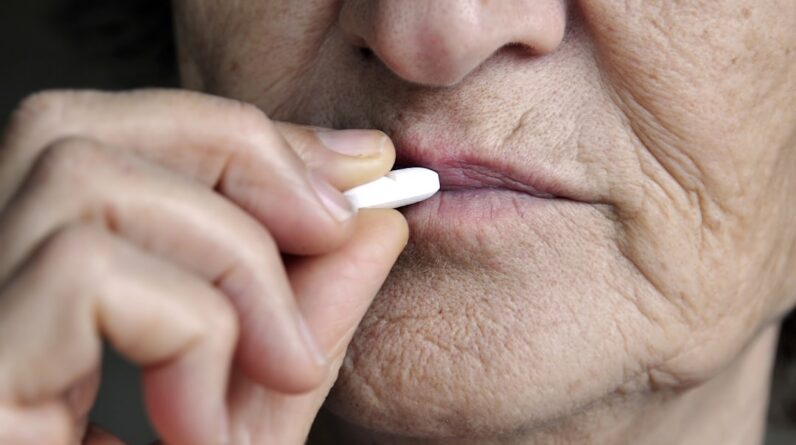
As you venture into the realm of skincare and anti-aging, you’ll inevitably encounter collagen supplements. These tiny powerhouses are often touted as the secret weapon against the relentless march of time, the silent architects of smoother, more youthful skin. But with a market flooded with options, how do you navigate this labyrinth and find the best collateral for your anti-wrinkle campaign? This article aims to equip you with the knowledge to make informed decisions, delving into the science, the types, and the key considerations when selecting collagen supplements for wrinkle reduction. Think of this not as a magic potion, but as a well-researched arsenal for your skin’s defense.
Collagen is the bedrock of your skin, the scaffolding that provides structure, firmness, and elasticity. Imagine your skin as a finely woven tapestry; collagen fibers are the warp threads, tightly knit and supporting the fill threads, which are elastin. Together, they create a taut, resilient fabric. As you age, however, this intricate weave begins to fray.
The Natural Decline of Collagen Production
Your body’s ability to synthesize collagen is a marvel of biological engineering, but it’s a process that doesn’t last forever at its peak. From your mid-twenties onwards, your natural collagen production begins a gradual, almost imperceptible decline. This is analogous to a well-oiled factory slowly reducing its output over time. By your fifties, this reduction can become more pronounced, leading to a visible thinning of the skin’s layers.
Factors Influencing Collagen Degradation
Several external and internal factors can accelerate this decline, acting as unwelcome agents that hasten the breakdown of your skin’s structural integrity.
Intrinsic Aging: The Biological Clock
Your internal biological clock dictates a natural aging process. This intrinsic aging is largely genetic and unavoidable, much like the inevitability of seasons changing. It dictates a gradual reduction in cellular function, including collagen synthesis.
Extrinsic Aging: Environmental Assaults
The external world can be a harsh environment for your skin. Factors like ultraviolet (UV) radiation from the sun act like microscopic hammers, damaging collagen fibers and hindering their repair. This is extrinsic aging, an assault from without.
Photoaging: The Sun’s Undoing
Sun exposure, especially without protective measures, is a primary culprit in premature skin aging. UV rays penetrate the skin, initiating a cascade of damaging events that degrade collagen and elastin. This can manifest as wrinkles, fine lines, sunspots, and a loss of overall skin texture.
Lifestyle Choices: Habits That Undermine
Your daily habits can be silent saboteurs of your skin’s collagen. Smoking introduces toxins that constrict blood vessels, reducing the supply of nutrients to skin cells and impairing collagen synthesis. Poor nutrition, lacking essential vitamins and minerals, deprives your body of the building blocks needed for collagen production. Chronic stress can also elevate cortisol levels, which has been linked to increased collagen breakdown.
The Consequences: Visible Signs of Aging
The cumulative effect of declining collagen production and its degradation is the appearance of wrinkles, fine lines, sagging skin, and a diminished ability for the skin to bounce back. These are the visual cues that your skin’s internal support system is weakening.
Wrinkles and Fine Lines: The Crease of Time
These are the most readily apparent signs of collagen loss. As the underlying dermal matrix weakens, the skin loses its ability to remain taut, allowing gravity and repetitive facial movements to etch lines into its surface.
Loss of Elasticity and Firmness: The Sagging Reality
Elastin, working in tandem with collagen, allows your skin to stretch and recoil. When both are compromised, your skin begins to lose its “snap-back” quality, leading to a feeling of drooping and a less sculpted facial contour.
Types of Collagen and Their Relevance to Skin Health
Not all collagen is created equal, and understanding the different types provides crucial insight into choosing effective supplements. The human body contains at least 28 types of collagen, but for skin health, a few stand out.
Type I Collagen: The Dominant Player
This is the most abundant type of collagen in your body, making up approximately 75-90% of your skin’s collagen content. Think of it as the main structural beam in your skin’s construction. It’s the primary component of the dermis, responsible for skin’s tensile strength and its ability to withstand stretching.
Hydrolyzed Collagen (Collagen Peptides): The Bioavailable Form
When collagen is consumed whole, its large protein molecules are difficult for your body to absorb and utilize effectively. Hydrolyzed collagen, also known as collagen peptides, undergoes a process called hydrolysis, where the large protein chains are broken down into smaller, more easily absorbable fragments. These peptides are like microscopic building blocks, readily assimilated by your bloodstream and then delivered to where they are needed.
Absorption and Utilization: The Body’s Seamless Integration
Once absorbed, these peptides are believed to signal fibroblasts, the cells responsible for collagen synthesis, to ramp up production. This is akin to sending a clear and concise work order to your body’s cellular construction crew.
Type II Collagen: Primarily for Cartilage
While important for joint health and connective tissues, Type II collagen is less dominant in skin structure compared to Type I. Its primary role is in cartilage, the cushioning material found in joints.
Type III Collagen: The Youthful Matrix
Type III collagen is also found in the skin, particularly in younger individuals, and is often referred to as the “youthful” collagen. It works alongside Type I collagen, contributing to skin’s suppleness and resilience. As you age, the proportion of Type III collagen tends to decrease.
Tendon and Ligament Connections
Type III collagen is also found in tendons and ligaments, contributing to their flexible strength.
Key Ingredients and Considerations for Anti-Wrinkle Collagen Supplements
Beyond the collagen itself, several other ingredients can enhance the effectiveness of your supplement and support overall skin health. Selecting a supplement is not just about the collagen source, but also about the ensemble cast of supporting players.
Bioavailability Enhancers: Maximizing Absorption
Ensuring that the collagen you ingest actually reaches your skin is paramount. Ingredients that improve absorption can be a significant advantage.
Vitamin C: The Collagen Synthesizer
Vitamin C is not a collagen itself, but it is an essential cofactor for the enzymes involved in collagen synthesis. Without sufficient Vitamin C, your body cannot effectively build and repair collagen. It acts as a vital catalyst, ensuring the smooth operation of the collagen production machinery.
Antioxidant Properties: A Dual Threat Neutralizer
Furthermore, Vitamin C is a potent antioxidant, helping to neutralize free radicals that can damage collagen and accelerate aging. It’s like having a security detail protecting your collagen fibers from external threats.
Zinc: The Repair Agent
Zinc plays a crucial role in protein synthesis, wound healing, and immune function, all of which are relevant to maintaining healthy skin and facilitating the repair process. It is a vital component in the cellular repair toolkit.
Supporting Nutrients for Skin Vitality
A holistic approach to skin health involves providing your body with a comprehensive range of nutrients.
Hyaluronic Acid: The Hydration Hero
Hyaluronic acid is a naturally occurring substance in your skin that helps retain moisture, keeping it plump and hydrated. As you age, hyaluronic acid levels decline, contributing to dryness and the appearance of fine lines. Some collagen supplements include hyaluronic acid to bolster skin’s moisture retention capabilities.
Moisture Binding: The Sponge Effect
Hyaluronic acid acts like a microscopic sponge, drawing and holding water molecules in the skin, which can plump up the skin and make wrinkles appear less pronounced.
Biotin: The Hair and Nail Ally
Biotin, also known as Vitamin B7, is often included in beauty supplements for its purported benefits to hair and nail health. While its direct impact on wrinkle reduction is less established, it contributes to overall keratin production, a key protein in skin.
Evaluating Collagen Supplement Forms: Powders, Capsules, and Liquids
The format in which you consume your collagen supplement can influence convenience, taste, and potentially absorption. Each form has its own set of pros and cons, allowing you to choose the delivery method that best fits your lifestyle.
Collagen Powders: The Versatile Choice
Collagen powders are typically made from hydrolyzed collagen and are designed to be mixed into beverages or food. This versatility makes them a popular option for many.
Unflavored Varieties: The Blank Canvas
Unflavored powders are ideal because they can be seamlessly incorporated into any drink or meal without altering its taste. You can stir them into your morning coffee, smoothie, yogurt, or even soup.
Flavored Options: The Palatable Extension
For those who prefer a specific taste, flavored powders are available. However, it’s important to check the ingredient list for added sugars or artificial sweeteners, which may not align with your health goals.
Ease of Mixing: The Speed of Dissolution
The ease with which a powder dissolves can impact the user experience. Look for products that claim quick-dissolving properties to avoid clumpy textures.
Collagen Capsules: The Convenient Pill
Collagen capsules offer a straightforward and convenient way to ingest your daily dose of collagen, eliminating the need for mixing. This is ideal for individuals who are always on the go.
Portability and Discretion: The Traveling Companion
Capsules are easy to carry in a purse or travel bag, making it simple to maintain your supplement regimen while away from home. Their discreet nature also allows for consumption in various settings.
Dosage Control: The Precise Measure
Each capsule typically contains a pre-measured dose, simplifying the process of ensuring you’re taking the correct amount.
Potential for Lower Doses per Serving: A Trade-Off
While convenient, capsules may sometimes contain a lower dosage of collagen per serving compared to powders, meaning you might need to take more capsules to achieve a comparable intake.
Collagen Liquids: The Rapid Absorber
Collagen in liquid form is often marketed for its rapid absorption rate. This can be appealing for individuals seeking quick results.
Quick Absorption Claims: The Speed Advantage
Liquid formulations are sometimes believed to be absorbed more quickly by the body due to their already broken-down state. This can be akin to a express delivery service for your collagen.
Taste and Palatability: A Subjective Experience
The taste of liquid collagen can be a deciding factor for many. Some formulations are pleasantly flavored, while others can have a strong or distinct taste that may require some getting used to.
Potential for Preservatives: A Closer Look
It’s important to examine the ingredient list for any added preservatives in liquid collagen, as some individuals may prefer to avoid them.
Choosing the Best Collagen Supplement for Your Wrinkle Reduction Goals
| Supplement Name | Type of Collagen | Daily Dosage | Key Ingredients | Wrinkle Reduction Effectiveness | User Rating (out of 5) |
|---|---|---|---|---|---|
| Vital Proteins Collagen Peptides | Type I & III | 20g | Collagen peptides, Hyaluronic acid, Vitamin C | High | 4.7 |
| NeoCell Super Collagen | Type I & III | 6,600mg | Collagen peptides, Vitamin C | Moderate to High | 4.5 |
| Garden of Life Grass Fed Collagen | Type I, II & III | 22g | Collagen peptides, Probiotics, Vitamin C | High | 4.6 |
| Sports Research Collagen Peptides | Type I & III | 11g | Collagen peptides, Coconut oil | Moderate | 4.4 |
| Youtheory Collagen Advanced Formula | Type I, II & III | 6 tablets (approx. 6,000mg) | Collagen peptides, Vitamin C, Biotin | Moderate to High | 4.3 |
With a landscape of options, the “best” collagen supplement is a personalized journey. It involves understanding your individual needs and preferences, and then aligning them with the characteristics of the product.
Source of Collagen: Bovine, Marine, or Other?
The origin of your collagen can influence its peptide profile and potential benefits. Each source offers a distinct set of advantages.
Bovine Collagen: The Ubiquitous Option
Bovine collagen, derived from cows, is the most common and widely available type. It is rich in Type I and Type III collagen, which are the primary collagen types found in human skin.
Accessibility and Affordability: The Practical Choice
Due to its widespread availability, bovine collagen is often
FAQs
What are collagen supplements and how do they help with wrinkle reduction?
Collagen supplements are products containing collagen peptides or hydrolyzed collagen, which are intended to support the body’s natural collagen production. Collagen is a protein that provides structure and elasticity to the skin. As we age, collagen production decreases, leading to wrinkles and sagging skin. Supplementing with collagen may help improve skin hydration, elasticity, and reduce the appearance of wrinkles.
What types of collagen are most effective for skin health?
Type I and Type III collagen are the most abundant in the skin and are commonly targeted in collagen supplements for skin health. Hydrolyzed collagen peptides derived from bovine, marine, or porcine sources are often used because they are easier for the body to absorb and utilize.
How long does it take to see results from collagen supplements for wrinkle reduction?
Most studies and user reports suggest that it can take anywhere from 4 to 12 weeks of consistent collagen supplementation to notice visible improvements in skin texture and wrinkle reduction. Results may vary depending on the individual’s age, skin condition, and the specific supplement used.
Are collagen supplements safe to use, and do they have any side effects?
Collagen supplements are generally considered safe for most people when taken as directed. They are typically well-tolerated with minimal side effects. However, some individuals may experience mild digestive discomfort or allergic reactions, especially if they have allergies to the source of collagen (e.g., fish or bovine).
Can collagen supplements be combined with other skincare treatments for better wrinkle reduction?
Yes, collagen supplements can be used alongside topical skincare products such as retinoids, vitamin C serums, and moisturizers to enhance wrinkle reduction. Additionally, maintaining a healthy lifestyle with adequate hydration, sun protection, and a balanced diet supports overall skin health and collagen production.