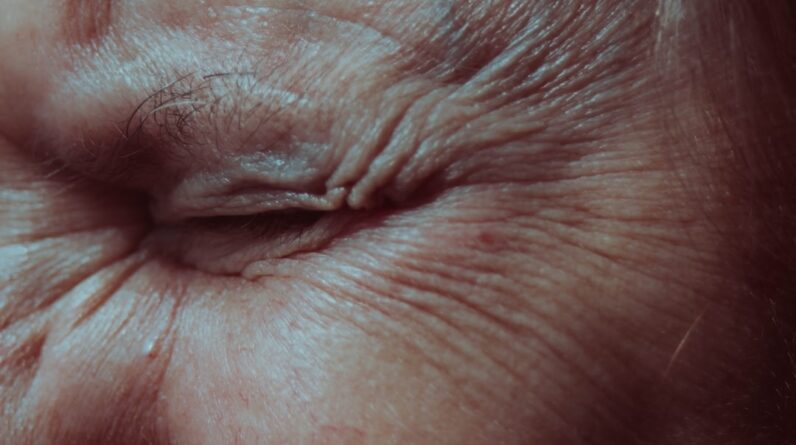
You’ve decided to investigate options for anti-aging treatments, a journey that many individuals embark on as they seek to maintain a youthful appearance and a sense of vitality. This decision often stems from a desire to address visible signs of aging, such as fine lines, wrinkles, loss of skin elasticity, or changes in skin tone. It’s a proactive approach to self-care, recognizing that your skin’s health and appearance are interconnected with your overall well-being.
The Evolving Landscape of Anti-Aging
The field of anti-aging has expanded significantly beyond basic skincare routines. It now encompasses a sophisticated blend of medical science, advanced aesthetic techniques, and personalized lifestyle interventions. You’re likely encountering a wide array of services, from topical treatments and chemical peels to more advanced procedures like injectables, laser therapies, and regenerative medicine. The objective is not merely to erase age but to enhance your skin’s natural health and resilience, promoting a look that reflects your internal vitality.
Setting Realistic Expectations
It’s important to approach any anti-aging program with realistic expectations. While significant improvements are achievable, the goal is typically to achieve a more refreshed, rejuvenated appearance rather than to halt the aging process entirely. Anti-aging specialists aim to help you look and feel your best at your current age, addressing concerns in a way that appears natural and harmonious with your features. Understanding the limitations and potentials of various treatments is crucial for a satisfying experience.
Your Role in the Anti-Aging Process
Your active participation is a cornerstone of successful anti-aging. This includes not only undergoing treatments but also adopting a consistent at-home skincare regimen and considering lifestyle factors that influence skin health. Diet, hydration, sleep, and stress management all play a significant role. An anti-aging specialist can guide you on integrating these elements into your daily life to complement professional treatments.
Navigating Treatment Options at Lyons Gate
When you’re considering anti-aging specialists in the Lyons Gate area of Gilbert, you’re likely looking for qualified professionals who can offer a comprehensive range of services. The specific treatments available will depend on the clinic and the expertise of its practitioners. It’s beneficial to understand the general categories of treatments you might encounter, allowing you to engage more informedly with potential specialists.
Dermal Fillers: Restoring Volume and Structure
Dermal fillers are a common and effective option for addressing age-related volume loss and correcting static wrinkles. These injectable substances, typically composed of hyaluronic acid, are designed to add plumpness to areas that have lost volume, such as the cheeks, lips, and under-eye hollows. They can also be used to smooth out nasolabial folds (smile lines) and marionette lines.
How Dermal Fillers Work
Hyaluronic acid is a naturally occurring substance in the skin that attracts and retains moisture, contributing to its fullness and hydration. When injected, dermal fillers mimic this effect, providing immediate plumping and smoothing. The body gradually absorbs these fillers over several months, requiring repeat treatments to maintain results.
Common Treatment Areas for Fillers
- Cheek Augmentation: To restore lost volume and contour to the midface, creating a more lifted appearance.
- Lip Enhancement: To add volume, definition, and improve the appearance of fine lines around the mouth.
- Nasolabial Fold and Marionette Line Reduction: To smooth the deep creases that form from the nose to the corners of the mouth, and from the corners of the mouth downwards.
- Tear Trough Treatment: To address hollows under the eyes that can create a tired appearance.
- Jawline Contouring: To define the jawline and improve its sharpness.
Considerations Before and After Filler Treatment
Before undergoing filler injections, it’s essential to have a thorough consultation with your specialist. They will assess your facial anatomy, discuss your aesthetic goals, and explain the potential risks and benefits. After the procedure, you might experience mild swelling, bruising, or redness, which typically subsides within a few days. It’s important to follow post-treatment instructions carefully.
Neuromodulators: Relaxing Dynamic Wrinkles
Neuromodulators, commonly known by brand names like Botox, Dysport, and Xeomin, are prescription medications that work by temporarily blocking nerve signals to specific muscles. This muscle relaxation leads to a softening and reduction of dynamic wrinkles—those that appear with facial expressions, such as frown lines, crow’s feet, and forehead lines.
Mechanism of Action for Neuromodulators
These injectables target the muscles responsible for forming dynamic wrinkles. By inhibiting the muscle’s ability to contract, the overlying skin smooths out, leading to a more relaxed and youthful appearance. The effects are temporary, with results typically lasting three to six months, after which the muscles regain their function.
Areas Commonly Treated with Neuromodulators
- Frown Lines (Glabellar Lines): The vertical lines between the eyebrows.
- Forehead Lines: Horizontal lines across the forehead.
- Crow’s Feet: Lines radiating from the outer corners of the eyes.
- Bunny Lines: Wrinkles on the sides of the nose.
- Chin Wrinkles: Addressing dimpling or creasing on the chin.
Potential Side Effects and Best Practices
Common side effects include temporary bruising, redness, or mild pain at the injection site. In rare cases, muscle weakness in adjacent areas can occur. Your specialist will provide detailed aftercare instructions, which may include avoiding strenuous activity or certain sleeping positions for a short period. Consistent treatment is key to maintaining the desired results.
Laser and Light Therapies: Improving Skin Texture and Tone
Laser and light-based treatments offer a versatile approach to addressing a range of skin concerns, including sun damage, uneven skin tone, textural irregularities, and signs of aging like fine lines and scarring. These technologies utilize specific wavelengths of light to target various chromophores in the skin, triggering a controlled healing response.
Types of Laser and Light Treatments
- Fractional Laser Resurfacing: This treatment creates microscopic treatment zones, leaving surrounding tissue intact. This promotes rapid healing and stimulates collagen production, improving texture, reducing wrinkles, and minimizing acne scars.
- IPL (Intense Pulsed Light) Therapy: IPL uses broad-spectrum light to target pigment irregularities (like sun spots and redness) and can also help to stimulate collagen production, leading to a more even skin tone and reduced appearance of fine lines.
- Ablative and Non-Ablative Lasers: Ablative lasers remove thin layers of skin, leading to more significant resurfacing and improvement in deeper wrinkles and scars. Non-ablative lasers work below the skin’s surface, stimulating collagen without removing epidermal layers, resulting in less downtime.
Addressing Specific Skin Concerns with Light Therapies
- Pigmentation Issues: Effective for treating sun spots, age spots, and melasma.
- Redness and Rosacea: Can help to reduce the appearance of facial redness and visible blood vessels.
- Skin Texture and Tone: Improves overall smoothness, reduces pores, and creates a more luminous complexion.
- Fine Lines and Wrinkles: Stimulates collagen production to minimize the appearance of shallower lines.
What to Expect During and After Treatment
The sensation during laser treatments can vary from mild discomfort to a warming or stinging sensation, often managed with topical anesthetics or cooling devices. Post-treatment, you may experience redness, swelling, and mild peeling, depending on the specific laser used. Adherence to sun protection protocols is critical after these treatments.
Chemical Peels: Exfoliation for Renewal
Chemical peels involve the application of a chemical solution to the skin, which exfoliates the top layers. This process encourages the skin to shed damaged cells and regenerate, revealing fresher, smoother, and more radiant skin underneath. Peels vary in strength, from superficial to deep, each targeting different levels of skin concern.
Superficial, Medium, and Deep Peels
- Superficial Peels: Use mild acids (like alpha-hydroxy acids or beta-hydroxy acids) to gently exfoliate the epidermis. They are effective for improving mild uneven tone and texture, and can help to unclog pores. Downtime is minimal.
- Medium Peels: Penetrate deeper into the epidermis and upper dermis. They are more effective for addressing moderate wrinkles, sun damage, and acne scars. Some redness and peeling are expected for several days.
- Deep Peels: Penetrate to the deeper layers of the dermis. These are used for significant wrinkles, precancerous growths, and deep scarring. They require longer recovery times and carry higher risks.
Benefits of Chemical Peels for Anti-Aging
- Improved Texture and Smoothness: Exfoliation removes dead skin cells, revealing smoother skin.
- Reduced Fine Lines and Wrinkles: Stimulates cell turnover and collagen production.
- Evened Skin Tone: Addresses hyperpigmentation, sun spots, and post-inflammatory redness.
- Acne and Scar Improvement: Can help to clear pores and reduce the appearance of acne scars.
Pre- and Post-Peel Care
Your specialist will recommend appropriate pre-treatment care, which might include avoiding certain medications and rigorous skincare. After a peel, protecting your skin from the sun is paramount. You’ll need to follow a gentle skincare routine to aid healing and prevent irritation.
The Importance of a Personalized Consultation
You’re not looking for a one-size-fits-all solution. The most effective anti-aging strategies are those tailored to your unique skin type, concerns, and aesthetic goals. This is where a personalized consultation with an anti-aging specialist becomes indispensable. It’s the foundational step that guides your entire treatment journey.
Assessing Your Skin’s Needs
During your consultation, the specialist will conduct a thorough examination of your skin. This involves looking at:
- Skin Type: Identifying whether your skin is oily, dry, combination, or sensitive.
- Skin Tone and Texture: Noting areas of discoloration, sun damage, pore size, and overall smoothness.
- Presence of Wrinkles and Lines: Differentiating between dynamic and static wrinkles and identifying their depth and location.
- Volume Loss: Assessing areas where facial fullness has diminished.
- Elasticity and Firmness: Evaluating the skin’s ability to bounce back.
Understanding Your Goals and Expectations
Beyond the physical assessment, your specialist will engage in a detailed discussion about what you hope to achieve. This involves understanding:
- Your Specific Concerns: Which aspects of aging bother you the most?
- Your Desired Outcome: What does “looking younger” or “more refreshed” mean to you?
- Your Expectations for Results: Are you seeking subtle improvements or more dramatic changes?
- Your Lifestyle: Factors like sun exposure, stress levels, and your typical daily routine can influence treatment suitability and results.
Developing a Customized Treatment Plan
Based on the comprehensive assessment and your stated goals, the specialist will propose a personalized treatment plan. This plan may involve a combination of therapies, often sequenced strategically for optimal outcomes.
The Synergy of Multiple Treatments
It is common that a single treatment may not address all your concerns. For instance, a combination of neuromodulators to relax dynamic wrinkles and dermal fillers to restore lost volume can achieve a more balanced and rejuvenated appearance. Similarly, laser treatments might be combined with chemical peels to enhance skin texture and tone. Your specialist will explain the rationale behind any recommended combination of therapies.
Setting Realistic Timelines and Outcomes
A key aspect of your consultation will be setting realistic expectations regarding the timeline for seeing results and the expected longevity of these results. Some treatments offer immediate improvements, while others require time to stimulate collagen and reveal their full effect. Longevity also varies, and your specialist will outline when maintenance treatments might be necessary.
The Role of Lifestyle in Anti-Aging
While professional treatments are a significant component of an anti-aging strategy, your daily habits and lifestyle choices play an equally crucial role in maintaining skin health and supporting the results of any interventions. An effective anti-aging specialist will emphasize the importance of these factors during your consultations.
Essential Daily Skincare Practices
Beyond any professional treatments you undergo, a consistent and appropriate at-home skincare routine is fundamental.
Cleansing Properly
- Gentle Cleansers: Opt for gentle, pH-balanced cleansers that effectively remove impurities without stripping the skin of its natural oils. Avoid harsh soaps that can disrupt the skin barrier.
- Morning and Evening: Establishing a routine of cleansing both in the morning to remove overnight buildup and in the evening to cleanse away makeup, pollutants, and daily grime is essential.
Hydration and Moisturization
- Humectants: Ingredients like hyaluronic acid and glycerin attract moisture to the skin.
- Emollients and Occlusives: Ingredients like ceramides, fatty acids, and petrolatum help to lock in moisture and support the skin’s barrier function.
- Targeted Moisturizers: Choose moisturizers suited to your skin type and the specific needs of your skin at different times of day.
Sun Protection: Non-Negotiable
- Broad-Spectrum SPF: Daily use of a broad-spectrum sunscreen with an SPF of 30 or higher is critical. This protects against harmful UVA and UVB rays that contribute significantly to premature aging, hyperpigmentation, and increased risk of skin cancer.
- Reapplication: Reapply sunscreen every two hours when exposed to direct sunlight.
The Impact of Diet and Nutrition
What you consume directly impacts your skin’s health and appearance. A nutrient-rich diet supports cellular repair and collagen production.
Key Nutrients for Skin Health
- Antioxidants: Found in fruits, vegetables, and green tea, antioxidants combat free radical damage that contributes to aging. Vitamins C and E are particularly beneficial.
- Omega-3 Fatty Acids: Present in fatty fish, flaxseeds, and walnuts, these help to maintain the skin’s lipid barrier, keeping it hydrated and supple.
- Protein: Essential for the production of collagen and elastin, the structural proteins that give skin its firmness and elasticity.
Hydration from Within
- Water Intake: Adequate internal hydration is as vital as topical moisturization. Aim for at least eight glasses of water daily. Dehydration can lead to dull skin and exacerbate the appearance of fine lines.
Sleep and Stress Management
These often-overlooked factors have a profound impact on your skin.
The Restorative Power of Sleep
- Cellular Repair: During sleep, your body repairs and regenerates cells, including skin cells. Chronic sleep deprivation can impair this process, leading to a tired appearance and slower wound healing.
- Cortisol Levels: Lack of sleep can increase cortisol levels, a stress hormone that can break down collagen and lead to inflammation.
Managing Stress for Healthier Skin
- Chronic Stress: Prolonged stress can trigger inflammatory responses in the body, contributing to breakouts, dullness, and premature aging.
- Stress-Reduction Techniques: Incorporating activities like mindfulness, meditation, yoga, or engaging in hobbies can help manage stress and positively impact your skin.
Finding Your Anti-Aging Specialist at Lyons Gate
| Anti Aging Specialist | Lyons Gate Gilbert |
|---|---|
| Location | Gilbert, Arizona |
| Services | Anti-aging treatments, skincare, wrinkle reduction |
| Customer Reviews | 4.5/5 stars |
| Years of Experience | 10 years |
Identifying the right anti-aging specialist is a process that requires careful consideration. When you are looking for professionals in the Lyons Gate area of Gilbert, you are seeking someone with the appropriate qualifications, a clear understanding of your concerns, and a commitment to ethical practice.
Verifying Qualifications and Experience
The term “anti-aging specialist” can encompass various medical professionals. It’s important to understand their specific training and certifications.
Types of Professionals to Consider
- Dermatologists: Physicians specializing in the diagnosis and treatment of conditions affecting the skin, hair, and nails. Many dermatologists have extensive experience in cosmetic procedures.
- Plastic Surgeons: Surgeons who specialize in reconstructive and cosmetic procedures. They are highly trained in anatomical structures and surgical or minimally invasive techniques.
- Medical Aesthetician: While not physicians, highly skilled and licensed medical aestheticians work under the supervision of physicians and can perform a range of non-invasive treatments after proper training.
Questions to Ask Potential Specialists
During your initial consultation, it’s appropriate to ask questions that help you assess their suitability:
- What are your qualifications and certifications for performing these procedures?
- How long have you been practicing in the field of aesthetic medicine?
- Can you provide before-and-after photos of patients with similar concerns to mine?
- What are the potential risks and side effects associated with the recommended treatments?
- What is your approach to developing a personalized treatment plan?
Evaluating Clinic Reputation and Patient Feedback
Beyond individual practitioner credentials, the reputation of the clinic itself is a valuable indicator of quality and patient satisfaction.
Researching Online Reviews
- Review Platforms: Websites like Google Reviews, Yelp, and specialized medical review sites can offer insights into other patients’ experiences. Look for consistent themes in reviews, both positive and negative.
- Focus on Specifics: Pay attention to comments regarding the consultation process, the effectiveness of treatments, the professionalism of staff, and patient comfort.
Word-of-Mouth Referrals
- Personal Recommendations: If you know individuals who have had positive experiences with anti-aging treatments, their personal recommendations can be highly credible.
Understanding Pricing and Treatment Packages
Financial considerations are an integral part of any healthcare decision. It’s important to have transparency regarding costs.
Transparent Fee Structures
- Consultation Fees: Clarify if there is a fee for the initial consultation and what it includes.
- Treatment Costs: Obtain a detailed breakdown of the costs for each recommended treatment.
- Package Deals: Some clinics offer packages that may provide cost savings for multiple treatments or a series of sessions. Understand what is included in these packages.
Payment Plans and Financing Options
- In-House Plans: Inquire about any in-house payment plans the clinic may offer.
- Third-Party Financing: Many aesthetic practices partner with third-party financing companies that offer payment plans for medical and aesthetic procedures.
By taking a structured approach to your research and consultation process, you can approach your anti-aging journey at Lyons Gate with confidence, knowing you are partnering with qualified professionals dedicated to achieving your desired outcomes.
FAQs
What is an anti-aging specialist?
An anti-aging specialist is a medical professional who specializes in helping patients address and manage the physical effects of aging, such as wrinkles, fine lines, age spots, and loss of skin elasticity.
What services does the Best Anti Aging Specialist in Lyons Gate Gilbert offer?
The Best Anti Aging Specialist in Lyons Gate Gilbert offers a range of services including personalized skincare treatments, anti-aging injections, laser treatments, and other non-invasive procedures to help patients achieve a more youthful appearance.
How can an anti-aging specialist help with skincare concerns?
An anti-aging specialist can help address skincare concerns by providing personalized treatment plans that may include medical-grade skincare products, chemical peels, microdermabrasion, and other advanced skincare techniques to improve skin texture and appearance.
What are the benefits of seeing an anti-aging specialist?
Seeing an anti-aging specialist can provide numerous benefits, including personalized treatment plans tailored to individual needs, access to advanced skincare technologies, and expert guidance on maintaining a youthful appearance as one ages.
How can I find the Best Anti Aging Specialist in Lyons Gate Gilbert?
To find the Best Anti Aging Specialist in Lyons Gate Gilbert, individuals can research local medical professionals specializing in anti-aging treatments, read patient reviews, and schedule consultations to discuss their specific skincare concerns and treatment options.