You’re considering taking steps to refresh your appearance, and that’s a significant decision. The landscape of facial rejuvenation can seem vast and at times, overwhelming. This article aims to provide you with a clear, factual overview of what a specialized clinic like Facial Rejuvenation Clinic Downtown Allen might offer, focusing on the practical aspects and considerations you should keep in mind as you explore your options.
Assessing Your Needs and Expectations
Before you even step foot into a clinic, it’s crucial to engage in a period of self-reflection. What specifically about your face are you hoping to address? Are you noticing fine lines, deeper wrinkles, volume loss, uneven skin tone, or perhaps a combination of these? Understanding this will help you communicate effectively with practitioners and narrow down the treatments that are most likely to yield the results you desire.
Identifying Specific Concerns
You might be experiencing early signs of aging, such as fine lines around the eyes or mouth. Alternatively, you may be dealing with more pronounced concerns like sagging skin, noticeable wrinkles, or sun damage from years of exposure. It’s helpful to list these out, even if it’s just for your own clarity.
Subtle Changes and Early Intervention
If you’re in your late twenties or thirties, you might be considering preventative treatments. These often focus on maintaining youthful skin and addressing the very earliest signs of aging before they become more significant. This could involve treatments aimed at improving skin texture, preventing further collagen loss, or smoothing out nascent lines.
More Pronounced Aging and Restorative Treatments
For individuals in their forties and beyond, the focus often shifts towards addressing more evident signs of aging. This can include restoring lost volume, lifting sagging skin, and smoothing out deeper wrinkles. The approach here is typically more comprehensive, aiming to achieve a noticeable, yet natural, improvement.
Setting Realistic Goals
It’s important to have a clear understanding of what facial rejuvenation can and cannot achieve. While many treatments can produce significant improvements, they are not magic cures. Discussing your expectations with a qualified professional is vital to ensure you are aligned on potential outcomes.
Understanding the Limits of Treatment
No procedure will entirely erase the passage of time. Treatments are designed to enhance your natural features and create a more refreshed appearance, not to turn back the clock to a significantly younger age. Managing expectations is key to satisfaction.
The Importance of a Natural Look
A well-executed rejuvenation should aim for natural-looking results. The goal is typically to make you look like a refreshed, rested version of yourself, not someone who has undergone drastic cosmetic alterations.
Exploring Diverse Treatment Modalities
Facial rejuvenation clinics offer a spectrum of treatments, ranging from minimally invasive procedures to those requiring a bit more recovery time. Each modality has its own set of benefits, drawbacks, and ideal candidates.
Injectables: Neuromodulators and Dermal Fillers
Injectable treatments are among the most popular and versatile options for facial rejuvenation. They offer relatively quick results with minimal downtime.
Neuromodulators (e.g., Botox, Dysport)
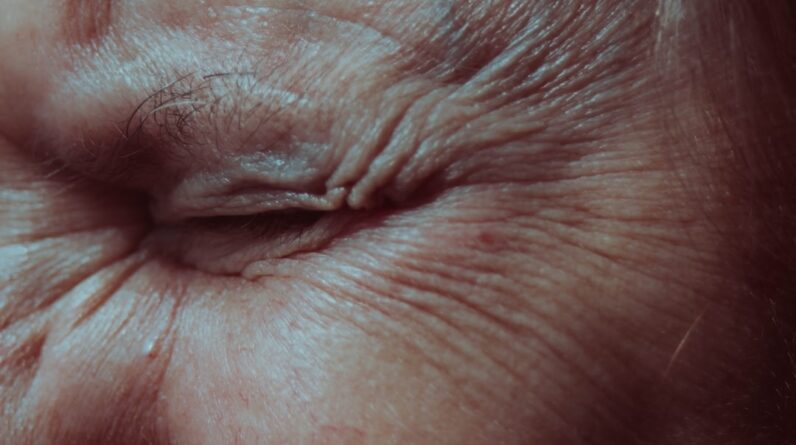
Neuromodulators work by temporarily relaxing the muscles responsible for dynamic wrinkles – the ones that appear when you make facial expressions like frowning or squinting.
Mechanism of Action
These substances block the nerve signals that cause muscle contractions. This leads to a smoothing of the overlying skin, reducing the appearance of wrinkles such as forehead lines, crow’s feet, and frown lines.
Treatment Protocol and Duration
The procedure itself is quick, typically taking only a few minutes. The effects usually become noticeable within a few days and can last for three to six months, depending on the individual and the area treated.
Potential Side Effects and Considerations
While generally safe, potential side effects can include temporary bruising, swelling, or redness at the injection site. In rare cases, localized weakness of nearby muscles can occur, but this is usually temporary.
Dermal Fillers (e.g., Hyaluronic Acid Fillers)
Dermal fillers are used to restore lost volume, contour the face, and fill in static wrinkles and folds. They are often made from hyaluronic acid, a substance naturally found in the body.
Restoring Volume and Contour
As we age, we lose fat and collagen, leading to a loss of facial volume. Fillers can be strategically injected to plump up areas like the cheeks, lips, and under-eye hollows, restoring a more youthful contour.
Addressing Static Wrinkles and Folds
Fillers are also effective in smoothing out static wrinkles – those that are present even when your face is at rest. This includes nasolabial folds (lines from the nose to the mouth) and marionette lines (lines from the corners of the mouth downwards).
Treatment Process and Expected Results
The injection process is usually comfortable, often preceded by topical numbing cream. Results are typically immediate and can last from six months to two years, depending on the type of filler used and the area of treatment.
Contraindications and Precautions
Individuals with certain autoimmune conditions or active infections should consult their doctor before considering fillers. It’s essential to discuss your medical history thoroughly with the practitioner.
Advanced Skincare Treatments
Beyond injectables, a clinic like Facial Rejuvenation Clinic Downtown Allen will likely offer a range of sophisticated skincare treatments designed to improve skin texture, tone, and overall health.
Chemical Peels
Chemical peels involve applying a chemical solution to the skin, which exfoliates the top layers. This process reveals smoother, younger-looking skin underneath.
Types of Chemical Peels
Superficial peels: These use mild acids to gently exfoliate the outermost layer of skin, improving mild discoloration and texture. They require minimal downtime.
Medium peels: These penetrate deeper to address more significant sun damage, fine lines, and mild to moderate acne scarring. Recovery time is longer.
Deep peels: These are the most aggressive, reaching deeper into the skin to treat severe wrinkles, scarring, and precancerous growths. They require significant downtime and medical supervision.
Targeted Concerns Addressed
Chemical peels can effectively treat hyperpigmentation, sun spots, acne, acne scars, fine lines, and uneven skin tone. They also promote collagen production, leading to firmer, more radiant skin.
Post-Treatment Care and Expected Recovery
After a peel, your skin will likely be sensitive and may appear red. Sun protection is paramount during the recovery period. The peeling process can last from a few days to a couple of weeks, depending on the depth of the peel.
Laser and Light Therapies
These technologies utilize focused light energy to target specific skin concerns, offering a range of corrective and rejuvenating effects.
Laser Resurfacing (Ablative and Non-Ablative)
Ablative lasers: These remove thin layers of skin tissue, creating controlled injury that stimulates significant collagen production and skin regeneration. They are effective for deep wrinkles, scars, and significant sun damage but involve more downtime.
Non-ablative lasers: These heat the underlying skin layers without removing the surface, stimulating collagen production and improving skin texture and tone with less downtime. They are suitable for mild to moderate signs of aging.
Intense Pulsed Light (IPL) Therapy
IPL uses broad-spectrum light to target pigment irregularities, redness, and fine lines. It’s particularly effective for treating sun spots, broken capillaries, and uneven skin tone. Multiple sessions are usually required.
Benefits for Skin Tone and Texture
Both laser and IPL treatments can significantly improve skin tone, reduce the appearance of pores, minimize redness, and soften fine lines and wrinkles.
Downtime and Safety Considerations
Downtime varies greatly depending on the type of laser used. Post-treatment care, including diligent sun protection, is essential. Your practitioner will guide you on specific protocols.
Microneedling
Microneedling uses fine needles to create microscopic punctures in the skin, triggering the body’s natural healing response and stimulating collagen and elastin production.
The Collagen Induction Process
The tiny injuries prompt the skin to repair itself, leading to an increase in collagen and elastin, which are essential for skin firmness and elasticity.
Benefits for Scarring and Texture
Microneedling is particularly effective in improving the appearance of acne scars, surgical scars, and stretch marks. It also helps to refine skin texture, reduce pore size, and diminish fine lines.
Combination Treatments (e.g., with PRP)
Microneedling can be combined with other treatments, such as Platelet-Rich Plasma (PRP), where your own blood is drawn, processed to concentrate platelets, and then applied to the skin during or after microneedling. The growth factors in PRP can enhance the healing and rejuvenation process.
Surgical Options: A Discussion of Procedures
While many clinics focus on non-surgical rejuvenation, some may offer or collaborate with surgeons for more invasive procedures when appropriate. This section outlines common surgical approaches to facial aging.
Facelift (Rhytidectomy)
A facelift is a surgical procedure designed to tighten sagging skin and underlying muscles of the face and neck, reducing the appearance of wrinkles and jowls.
Addressing Sagging Skin and Deep Wrinkles
The primary goal of a facelift is to reposition facial tissues that have descended due to gravity and loss of elasticity, creating a more lifted and youthful appearance.
Incision Placement and Scarring
Incisions are typically made in the hairline and around the ears, strategically placed to conceal scarring as much as possible.
Recovery Period and Potential Risks
Facelifts require a significant recovery period, often several weeks, during which swelling, bruising, and discomfort are common. As with any surgery, there are risks, including infection, nerve damage, and poor wound healing.
Blepharoplasty (Eyelid Surgery)
Eyelid surgery addresses drooping upper eyelids and puffy lower eyelids, which can make you appear tired and older.
Correcting Droopy Eyelids
Excess skin and fat are removed from both the upper and lower eyelids to create a more alert and refreshed look.
Improving Under-Eye Bags and Puffiness
The procedure can significantly reduce the appearance of under-eye bags and wrinkles, contributing to a smoother, more youthful eye area.
Recovery and Expected Outcomes
Recovery typically involves some swelling and bruising around the eyes, with most visible signs subsiding within a week or two. The results can be quite dramatic and long-lasting.
Understanding the Consultation Process
The initial consultation is a cornerstone of any successful rejuvenation journey. It’s your opportunity to discuss your goals, concerns, and medical history, and for the practitioner to assess your suitability for various treatments.
What to Expect During Your First Visit
A thorough consultation involves a detailed discussion of your medical history, including any allergies, medications, and previous cosmetic procedures. The practitioner will then perform a visual assessment of your facial anatomy and skin condition.
Medical History and Lifestyle Assessment
Be prepared to answer questions about your general health, any chronic conditions, and your lifestyle habits, such as sun exposure, smoking, and diet. This information helps the practitioner tailor treatment recommendations.
Facial Analysis and Skin Evaluation
The practitioner will carefully examine your skin’s texture, elasticity, and the presence of wrinkles, lines, and pigmentation issues. They may also assess your facial structure and any areas of volume loss.
Open Communication and Asking Questions
This is your time to voice any concerns you may have and to ask as many questions as needed to feel comfortable and informed. Don’t hesitate to ask about the practitioner’s experience, the expected results, and any potential risks.
Clarifying Treatment Options and Suitability
Discuss which treatments are best suited for your specific concerns and what results you can realistically expect. Understand why certain options are recommended over others.
Discussing Costs, Downtime, and Aftercare
Ensure you have a clear understanding of the financial investment involved, the expected recovery time for each recommended treatment, and the necessary post-treatment care protocols.
Developing a Personalized Treatment Plan
Based on the consultation, the practitioner will propose a customized treatment plan designed to address your unique needs and achieve your desired outcomes.
Tailoring Treatments to Individual Needs
A good plan will be holistic, considering your age, skin type, lifestyle, and aesthetic goals. It may involve a combination of different therapies to achieve optimal results.
Setting a Realistic Timeline for Results
Different treatments have different timelines for showing results. Your plan will likely map out when you can expect to see improvements from each intervention.
Post-Treatment Care and Maintenance
The journey doesn’t end once a treatment is administered. Proper aftercare is crucial for maximizing results and ensuring a smooth recovery. Ongoing maintenance is also key to preserving your refreshed appearance.
Following Post-Procedure Instructions
Adhering to the specific post-treatment instructions provided by your practitioner is paramount. This may include avoiding certain activities, using specific skincare products, and protecting your skin from the sun.
Managing Swelling and Discomfort
Many treatments involve some degree of swelling or discomfort. Following guidelines for cold compresses, elevation, and any prescribed pain relief can help manage these symptoms.
Protecting Your Skin from the Sun
Sun exposure is one of the primary drivers of skin aging. Diligent use of broad-spectrum sunscreen is non-negotiable after most rejuvenation procedures and for ongoing skin health.
Long-Term Skin Health and Maintenance
Facial rejuvenation is often an ongoing process, not a one-time fix. Maintaining healthy skin habits and potentially undergoing periodic touch-up treatments can help sustain your results.
Establishing a Consistent Skincare Regimen
A personalized at-home skincare routine, using high-quality products recommended by your practitioner, is essential for supporting skin health and enhancing treatment outcomes.
Scheduling Follow-Up Appointments
Regular follow-up appointments allow your practitioner to monitor your progress, assess the longevity of results, and recommend any necessary adjustments to your treatment plan.
Considering Retouch Treatments and Preventative Measures
As your skin continues to age, periodic touch-up treatments with injectables or other therapies may be beneficial. Implementing preventative measures can also help slow down the aging process.
FAQs
What services does the Facial Rejuvenation Clinic Downtown Allen offer?
The clinic offers a range of services including facials, chemical peels, microdermabrasion, Botox, dermal fillers, and laser treatments for skin rejuvenation.
What are the qualifications of the staff at the clinic?
The clinic’s staff consists of licensed and experienced estheticians, nurse practitioners, and medical professionals who specialize in facial rejuvenation treatments.
What are the benefits of facial rejuvenation treatments?
Facial rejuvenation treatments can help improve skin texture, reduce the appearance of wrinkles and fine lines, minimize pores, and enhance overall skin tone and appearance.
How long do the results of facial rejuvenation treatments last?
The duration of results varies depending on the specific treatment, but many patients experience long-lasting effects from treatments such as Botox and dermal fillers.
Is a consultation required before receiving treatments at the clinic?
Yes, a consultation is required before receiving any facial rejuvenation treatments at the clinic. During the consultation, the staff will assess the patient’s skin and discuss the best treatment options based on their individual needs and goals.