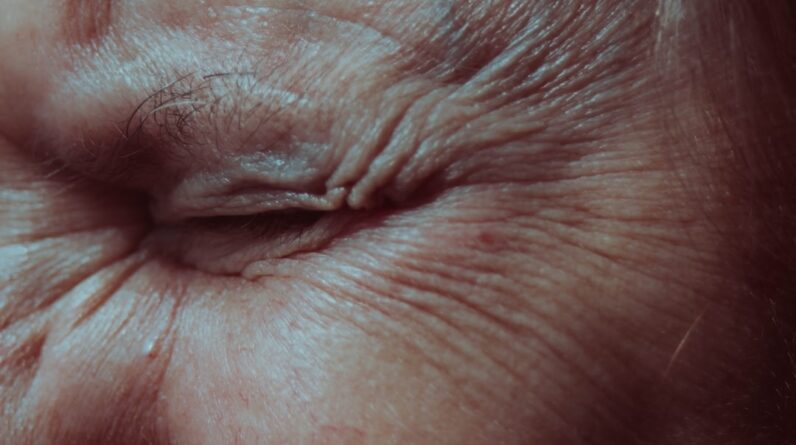
You’ve decided you want to address the lines and creases that are starting to appear on your face. Perhaps it’s the subtle crow’s feet that deepen when you smile, the faint lines etching themselves across your forehead, or the more prominent nasolabial folds that give your face a perpetually tired look. Whatever the specific concerns, you’re looking for effective solutions, and Val Vista, AZ, offers a range of options. Understanding the spectrum of wrinkle treatments available is your first step toward informed decision-making. This article aims to equip you with the knowledge to navigate these choices, demystifying the procedures and helping you identify what might be suitable for your individual needs and expectations.
This isn’t about chasing an impossible ideal, but rather about exploring scientifically backed methods to reduce the appearance of aging and enhance your skin’s natural vitality. Val Vista presents a landscape where innovation meets patient care, and by understanding the different approaches, you can have a more productive conversation with any practitioner you choose.
Before delving into treatments, it’s beneficial to grasp what causes wrinkles. This foundational knowledge will help you appreciate why certain treatments are more effective for specific concerns.
Intrinsic Aging: The Inevitable March of Time
- Collagen and Elastin Decline: As you age, your body naturally produces less collagen and elastin, the fundamental proteins responsible for your skin’s structure, firmness, and elasticity. Collagen provides strength and support, while elastin allows your skin to snap back into place. Their depletion leads to sagging and the formation of wrinkles.
- Cell Turnover Slowdown: The rate at which your skin cells regenerate slows down with age. This means damaged cells persist longer, contributing to a duller complexion and exacerbating the appearance of wrinkles.
- Fat Pad Redistribution: The subcutaneous fat that provides plumpness and youthful contours to your face shifts and diminishes over time. This loss of volume can lead to hollows and creases, particularly around the cheeks and jawline.
Extrinsic Aging: Environmental and Lifestyle Factors
- Sun Exposure (Photoaging): Ultraviolet (UV) radiation from the sun is a primary culprit in premature aging. UV rays damage collagen and elastin fibers, leading to a breakdown of the skin’s support structure. This manifests as fine lines, deeper wrinkles, sun spots, and uneven skin texture.
- Smoking: Nicotine constricts blood vessels, reducing blood flow to the skin and depriving it of oxygen and nutrients. Furthermore, the repetitive facial expressions involved in smoking, such as pursing the lips, can contribute to lines around the mouth. The chemicals in cigarette smoke also directly damage collagen and elastin.
- Facial Expressions: Repeated muscle movements, such as squinting, frowning, and smiling, create dynamic wrinkles that eventually become static wrinkles as the skin loses its elasticity.
- Gravity: Over time, gravity pulls on the skin, contributing to sagging and the deepening of lines, especially in areas like the jawline and neck.
- Pollution: Exposure to environmental pollutants can generate free radicals, which damage skin cells and accelerate the aging process.
Genetic Predisposition
Your genes play a role in how your skin ages. Some individuals may be genetically predisposed to developing wrinkles earlier or more intensely than others. While you can’t change your genetics, understanding this factor can help set realistic expectations.
Topical Treatments: The First Line of Defense
For many, topical treatments represent the most accessible and often the initial approach to managing fine lines and improving overall skin quality. These products work by affecting the skin’s surface or penetrating into its outer layers.
Prescription Retinoids: The Gold Standard
- Mechanism of Action: Retinoids, derived from Vitamin A, are potent compounds that promote cell turnover, stimulate collagen production, and can help reduce the appearance of fine lines and improve skin texture. They essentially signal your skin cells to behave in a more youthful manner.
- Types and Strengths: Prescription-strength retinoids like tretinoin are highly effective but can also be more irritating. Your dermatologist will determine the appropriate strength based on your skin type and concerns.
- Usage and Expectations: Consistent, long-term use is crucial for visible results, which can take several months. Common side effects include dryness, peeling, and increased sun sensitivity. Strict sun protection is vital when using retinoids.
Over-the-Counter (OTC) Ingredients
- Alpha Hydroxy Acids (AHAs): Glycolic acid and lactic acid are common AHAs that exfoliate the skin, removing dead skin cells and revealing smoother, brighter skin. They can also help with mild fine lines over time.
- Beta Hydroxy Acids (BHAs): Salicylic acid is a BHA that penetrates oil glands, making it effective for acne-prone skin but also offering mild exfoliation and pore-refining benefits that can indirectly improve the appearance of lines.
- Peptides: These are short chains of amino acids that can signal the skin to produce more collagen. While often touted as a topical alternative to injectables, their penetration and efficacy can vary significantly.
- Antioxidants: Vitamin C, Vitamin E, and ferulic acid are powerful antioxidants that help neutralize free radicals, protecting your skin from environmental damage that contributes to aging. They can also brighten the complexion.
Moisturizers and Hydration
- Plumping Effect: Well-hydrated skin appears plumper, which can temporarily diminish the visibility of fine lines. Ingredients like hyaluronic acid attract and retain moisture in the skin.
- Barrier Support: Maintaining a healthy skin barrier is essential for overall skin health and resilience. Ceramides and fatty acids in moisturizers help strengthen this barrier.
Minimally Invasive Procedures: Targeted Solutions
When topical treatments aren’t sufficient, or you desire more pronounced results, minimally invasive procedures offer effective ways to address wrinkles without surgery. These treatments typically involve little to no downtime.
Injectable Neurotoxins (e.g., Botox, Dysport, Xeomin)
- How They Work: These injected substances temporarily block nerve signals to specific muscles, preventing them from contracting. This relaxation of muscles effectively smooths out dynamic wrinkles – those caused by facial expressions, such as frown lines between the eyebrows, forehead lines, and crow’s feet.
- The Procedure: The injection process is usually quick, involving a series of small injections into the target areas. Discomfort is generally minimal, often described as a slight pinch.
- Results and Duration: You typically see results within a few days to two weeks, with the effects lasting for approximately three to six months. Maintenance treatments are required to sustain the desired outcome.
- Considerations: It’s crucial to select an experienced injector to ensure a natural-looking result and avoid complications. Over-injection can lead to a “frozen” appearance.
Dermal Fillers (e.g., Hyaluronic Acid Fillers)
- The Purpose: Dermal fillers are gel-like substances, most commonly hyaluronic acid-based, injected beneath the skin to restore lost volume, smooth out static wrinkles and folds, and enhance facial contours. They are effective for addressing deeper lines like nasolabial folds, marionette lines, and for plumping lips and cheeks.
- The Injection Process: Similar to neurotoxins, fillers are injected using fine needles or cannulas. The procedure may involve some discomfort, managed with topical anesthetics.
- Immediate Effects: You can see a noticeable improvement immediately after the treatment. The duration of results varies depending on the type of filler used and the area treated, generally ranging from six months to two years.
- Applications: Beyond wrinkles, fillers can be used to correct under-eye hollows, acne scars, and to provide a subtle lift.
- Choosing the Right Filler: There are various types of fillers, each with different properties suited for different areas and concerns. An experienced practitioner will guide you on the most appropriate choice.
Chemical Peels
- What They Achieve: Chemical peels involve applying a chemical solution to the skin, which exfoliates the outer layers. This controlled injury triggers skin regeneration, revealing smoother, fresher skin and reducing the appearance of fine lines, mild wrinkles, and uneven pigmentation.
- Types of Peels:
- Superficial Peels: Use mild acids (like alpha-hydroxy acids) to exfoliate the epidermis. They have minimal downtime and are good for mild texture issues and fine lines.
- Medium Peels: Penetrate to the upper part of the dermis. They are more effective for moderate lines, acne scars, and sun damage but require more recovery time.
- Deep Peels: Penetrate deeper into the dermis. These are more aggressive and address significant wrinkles and sun damage but involve substantial downtime and potential risks.
- The Treatment: The application of the chemical solution causes a controlled burning sensation. Post-peel care is crucial, including diligent sun protection.
- Expected Outcomes: Results are gradual and depend on the depth of the peel. Multiple treatments may be necessary for optimal results.
Microneedling
- Skin Rejuvenation Through Micro-Injury: Microneedling involves using a device with fine needles to create controlled micro-injuries in the skin. This process stimulates the skin’s natural healing response, prompting the production of new collagen and elastin.
- Benefits for Wrinkles: It’s particularly effective for improving skin texture, reducing fine lines, minor scarring, and enhancing the absorption of topical serums.
- The Procedure: The skin is typically numbed with a topical anesthetic before treatment. The microneedling device is then passed over the skin.
- Downtime and Results: You may experience mild redness and swelling for a day or two. A series of treatments is usually recommended for significant improvements.
Advanced Aesthetic Technologies: Harnessing Energy and Light
These treatments utilize energy-based devices to stimulate collagen production and remodel the skin from within, offering a less invasive alternative to surgery for moderate signs of aging.
Radiofrequency (RF) Treatments
- Deep Tissue Heating: RF energy delivers heat to the deeper layers of the skin (dermis). This controlled heating causes collagen fibers to contract, leading to immediate tightening. Crucially, it also stimulates fibroblasts to produce new collagen over time, resulting in longer-term skin rejuvenation and a reduction in wrinkles.
- Types of RF Devices: Devices can be non-ablative (meaning they don’t damage the skin’s surface) or ablative (which create controlled micro-injuries). Examples include Thermage, Morpheus8 (which combines RF with microneedling), and many others.
- Treatment Experience: The sensation is typically warmth. Downtime for non-ablative RF is minimal, while some mild redness or swelling may occur.
- Effectiveness: RF treatments are effective for improving skin laxity, fine lines, and wrinkles, particularly on the face, neck, and décolleté. Multiple sessions are often recommended.
Laser Skin Resurfacing
- Precise Skin Ablation and Stimulation: Laser treatments use focused beams of light to precisely remove outer layers of damaged skin (ablative lasers) or to heat the dermis without significantly affecting the surface (non-ablative lasers).
- Ablative Lasers (e.g., CO2, Erbium YAG): These are more aggressive and effective for treating deeper wrinkles, significant sun damage, and scars. They create controlled wounds that stimulate a vigorous regenerative response and collagen production. Downtime is significant, involving redness, swelling, and peeling.
- Non-Ablative Lasers (e.g., Fractional Lasers): These create microscopic zones of thermal injury deep within the skin while leaving the surface intact. This promotes collagen remodeling with less downtime. Fractional lasers are effective for improving fine to moderate wrinkles, skin texture, and tone.
- The Process: During ablative treatments, the skin will feel warm and possibly sting. Post-treatment care involves meticulous wound care and sun protection. Non-ablative treatments are generally more comfortable.
- Outcomes: Results can range from subtle to dramatic depending on the type of laser and the severity of concerns. A series of treatments may be necessary for non-ablative options.
Ultrasound Treatments (e.g., Ultherapy)
- Targeted Ultrasound Energy: Ultherapy uses focused ultrasound energy to heat the tissue at specific depths beneath the skin’s surface, including the SMAS (superficial musculoaponeurotic system) layer, which is typically addressed in surgical facelifts.
- Collagen Stimulation and Lifting: This precise heating triggers the body’s natural collagen-building process, leading to a gradual lifting and tightening of the skin. It can improve the appearance of wrinkles, jowls, and sagging skin.
- Treatment: The procedure involves placing an ultrasound handpiece on the skin, and you will feel a warming sensation as well as occasional brief stings.
- Results and Timeline: Results are not immediate, as collagen needs time to regenerate. You will typically see noticeable improvements over two to three months, with continued enhancement for up to six months.
Surgical Interventions: For More Significant Concerns
| Treatment Type | Number of Sessions | Duration of Each Session | Cost per Session |
|---|---|---|---|
| Botox Injections | 1-3 sessions | 15-30 minutes | 200-600 |
| Dermal Fillers | 1-2 sessions | 30-60 minutes | 500-2000 |
| Laser Treatment | 3-5 sessions | 30-60 minutes | 1000-3000 |
When wrinkles are deep-seated, accompanied by significant skin laxity, or when non-surgical options are insufficient, surgical procedures may be considered. These are more invasive and require a more substantial recovery period.
Facelift (Rhytidectomy)
- Comprehensive Rejuvenation: A facelift is designed to address sagging skin and deep wrinkles on the face and neck. It involves repositioning underlying tissues and removing excess skin to create a more youthful contour.
- Procedure Details: The surgery typically involves incisions hidden within the hairline and around the ears. The surgeon tightens the underlying muscles and removes excess skin, smoothing lines and lifting sagging areas.
- Recovery: Recovery can take several weeks, with initial swelling, bruising, and discomfort. Scarring is usually well-hidden.
- Outcomes: Facelifts can provide dramatic and long-lasting results, significantly reducing the appearance of wrinkles and restoring a more refreshed and youthful appearance.
Blepharoplasty (Eyelid Surgery)
- Addressing Periorbital Wrinkles: Blepharoplasty specifically targets wrinkles, puffiness, and sagging skin around the eyes. It can address both upper and lower eyelids.
- The Technique: Incisions are made within the natural creases of the eyelids to remove excess skin and fat, resulting in a smoother, more open appearance.
- Recovery: Recovery is typically shorter than that of a full facelift, usually around one to two weeks.
- Impact on Wrinkles: While not directly targeting all facial wrinkles, blepharoplasty significantly reduces crow’s feet and the “tired” appearance caused by drooping eyelids.
Brow Lift (Forehead Lift)
- Smoothing the Upper Face: A brow lift aims to correct drooping eyebrows and smooth horizontal forehead lines and the vertical “eleven” lines between the brows.
- Surgical Approaches: Various techniques exist, including endoscopic brow lifts through small incisions or coronal lifts with longer incisions.
- Rejuvenation of the Forehead: By lifting the brow and relaxing the muscles contributing to frown lines, a brow lift can create a more alert and youthful appearance.
- Recovery: Recovery can take one to two weeks, with some swelling and bruising.
When considering any of these treatments at Val Vista, AZ, your first step is a thorough consultation. This involves discussing your specific concerns, understanding your medical history, and establishing realistic expectations. An experienced practitioner will analyze your skin, explain the pros and cons of each suitable option, and help you formulate a personalized treatment plan. Remember, the “spectrum” of wrinkle treatments means there isn’t a single answer, but rather a range of tailored solutions to consider.
FAQs
What is the Wrinkle Treatment Spectrum at Val Vista Az?
The Wrinkle Treatment Spectrum at Val Vista Az is a range of cosmetic procedures and treatments offered at a medical facility in Val Vista, Arizona, aimed at reducing the appearance of wrinkles and fine lines on the skin.
What types of treatments are included in the Wrinkle Treatment Spectrum?
The Wrinkle Treatment Spectrum at Val Vista Az includes a variety of treatments such as Botox injections, dermal fillers, chemical peels, laser therapy, and microdermabrasion, among others.
Who can benefit from the Wrinkle Treatment Spectrum at Val Vista Az?
Individuals who are looking to reduce the appearance of wrinkles and fine lines on their skin can benefit from the Wrinkle Treatment Spectrum at Val Vista Az. This may include people of various ages and skin types.
Are the treatments in the Wrinkle Treatment Spectrum safe and effective?
The treatments included in the Wrinkle Treatment Spectrum at Val Vista Az are generally considered safe and effective when performed by qualified and experienced medical professionals. However, individual results may vary.
How can I schedule a consultation for the Wrinkle Treatment Spectrum at Val Vista Az?
To schedule a consultation for the Wrinkle Treatment Spectrum at Val Vista Az, individuals can contact the medical facility directly to inquire about available appointments and to discuss their specific needs and goals with a healthcare provider.