As you consider strategies for maintaining a youthful appearance and promoting overall well-being, the landscape of anti-aging treatments can seem extensive. In Lyons Gate, Gilbert, a diverse range of specialists offer their expertise. Understanding the options available and what to look for in a provider is crucial to making informed decisions about your anti-aging journey. This guide aims to provide a clear overview of the types of specialists you might encounter, the services they offer, and considerations for choosing the right one for your individual needs.
Understanding the Scope of Anti-Aging Care
The term “anti-aging” encompasses a broad spectrum of approaches, from clinical interventions to lifestyle adjustments. When you seek an anti-aging specialist, you are likely interested in addressing concerns related to skin health, cellular rejuvenation, hormonal balance, or a combination of these.
Medical Aesthetics and Dermatology
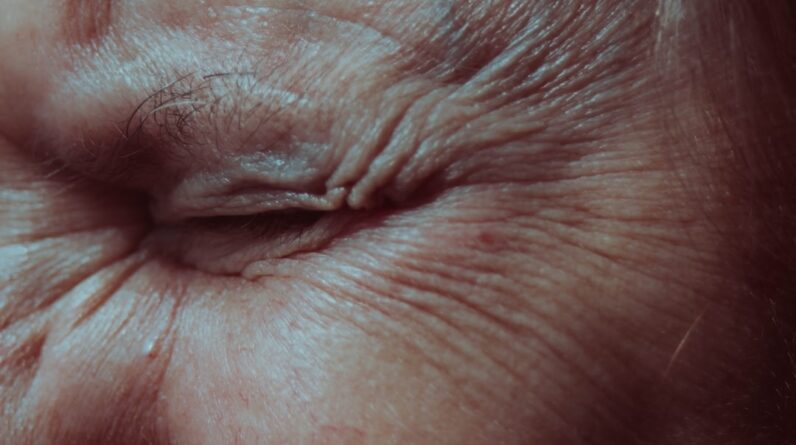
A significant portion of anti-aging care falls under the umbrella of medical aesthetics and dermatology. These professionals focus on the external manifestations of aging and utilize a range of treatments to improve skin texture, reduce wrinkles, and restore a more youthful complexion.
Dermatologists and Their Role
Board-certified dermatologists possess extensive knowledge of skin conditions and aging processes. They can diagnose and treat a variety of skin concerns, including sun damage, fine lines, wrinkles, age spots, and sagging skin.
Prescription Treatments and Topical Therapies
Dermatologists can prescribe a range of topical medications, such as retinoids and potent antioxidants, which are foundational in many anti-aging regimens. These treatments work by promoting cell turnover, stimulating collagen production, and protecting the skin from environmental damage.
Advanced Skin Rejuvenation Techniques
Beyond topical applications, dermatologists often offer in-office procedures. These can include:
- Chemical Peels: These treatments use chemical solutions to exfoliate the outer layers of the skin, revealing newer, less damaged skin underneath. They can address hyperpigmentation, fine lines, and uneven texture.
- Microdermabrasion: This non-invasive procedure uses a device to gently exfoliate the skin with microcrystals or a diamond tip, improving skin tone and texture.
- Laser and Light Therapies: A spectrum of laser and light-based treatments exists, targeting various concerns.
- Fractional Lasers: These create microscopic treatment zones, stimulating collagen production and improving texture with less downtime.
- IPL (Intense Pulsed Light): Effective for addressing sun spots, redness, and other superficial pigmentation.
- Erbium and CO2 Lasers: More ablative lasers that provide significant skin resurfacing for deeper wrinkles and scars.
Physician Assistants and Nurse Practitioners in Dermatology
Under the supervision of dermatologists, physician assistants (PAs) and nurse practitioners (NPs) often play a vital role in delivering aesthetic treatments. They are trained in performing many of the same procedures as physicians and can provide consultations, administer injectables, and manage treatment plans.
Minimally Invasive Aesthetic Procedures
Beyond traditional dermatology, dedicated aesthetic clinics and specialized practitioners offer a range of minimally invasive procedures designed to restore volume, smooth wrinkles, and enhance facial contours.
Injectable Treatments: Fillers and Neuromodulators
Injectables are a cornerstone of modern anti-aging aesthetics, offering immediate and noticeable results with minimal downtime.
Dermal Fillers
These injectable substances are used to restore lost volume, soften wrinkles, and enhance facial features. Common ingredients include hyaluronic acid, calcium hydroxylapatite, and poly-L-lactic acid.
- Hyaluronic Acid Fillers: These are the most common type, providing hydration and volume. They can be used to plump lips, fill nasolabial folds, and restore cheek volume.
- Calcium Hydroxylapatite Fillers: These stimulate collagen production as well as providing immediate volume. They are often used for deeper wrinkles and to enhance jawline definition.
- Poly-L-Lactic Acid Fillers: These are considered collagen stimulators, gradually rebuilding volume over time with a series of treatments. They are often used for treating larger areas of volume loss.
Neuromodulators (e.g., Botox, Dysport, Xeomin)
These injectable medications work by temporarily relaxing muscles responsible for dynamic wrinkles, such as crow’s feet, forehead lines, and glabellar lines (between the eyebrows).
- Mechanism of Action: Neuromodulators block nerve signals to specific muscles, preventing them from contracting and thereby smoothing out the overlying wrinkles.
- Treatment Areas: Primarily used in the upper face, but can also be used for subtle lip augmentation techniques and to soften neck bands.
Advanced Techniques in Injectable Administration
Skilled practitioners understand facial anatomy and employ advanced injection techniques to achieve natural-looking results. This includes understanding the nuances of different product viscosities, injection depths, and placement to avoid an overdone or unnatural appearance.
Hormone Replacement Therapy and Bioidentical Hormones
As individuals age, hormonal fluctuations can significantly impact energy levels, mood, sleep, and physical appearance. Specialists in hormone replacement therapy (HRT) focus on addressing these imbalances.
Understanding Hormonal Changes
Both men and women experience natural declines in hormone production with age. For women, this often involves a decrease in estrogen and progesterone during perimenopause and menopause. For men, testosterone levels tend to decline gradually over time.
Symptoms of Hormonal Imbalance
These imbalances can manifest in a variety of ways, including:
- Fatigue and Low Energy: Persistent tiredness that is not relieved by rest.
- Mood Disturbances: Increased irritability, anxiety, or depression.
- Sleep Disturbances: Insomnia or fragmented sleep patterns.
- Changes in Libido: Decreased sexual desire.
- Cognitive Fog: Difficulty concentrating or memory lapses.
- Physical Changes: Weight gain, loss of muscle mass, and changes in skin elasticity.
Bioidentical Hormone Replacement Therapy (BHRT)
BHRT utilizes hormones that are chemically identical to those produced by the human body. This approach is often favored by patients seeking a more natural way to rebalance their hormones.
Consultation and Hormone Testing
A crucial first step in BHRT is a thorough consultation and comprehensive hormone testing. This allows the specialist to assess your current hormone levels and identify any deficiencies or imbalances.
Blood Tests and Saliva Tests
Various diagnostic methods are employed to measure hormone levels. Blood tests are common for many hormones, while saliva tests can be useful for assessing certain hormone levels, particularly those that fluctuate throughout the day.
Understanding Your Hormone Profile
Interpreting hormone test results requires expertise. Doctors specializing in HRT can explain what your levels mean in the context of your symptoms and overall health.
Tailored Treatment Plans
BHRT is not a one-size-fits-all approach. Treatment plans are highly individualized based on your unique hormone profile, symptoms, and health goals.
Pellet Therapy
This method involves surgically implanting small pellets containing bioidentical hormones under the skin, which then release hormones gradually over several months.
Topical Creams and Patches
Hormone creams and patches offer a convenient and customizable way to administer hormones, allowing for adjustments in dosage as needed.
Oral Supplements
In some cases, oral forms of bioidentical hormones may be prescribed, though their absorption and efficacy can vary.
Nutritional and Lifestyle Coaches for Healthspan
Beyond purely cosmetic concerns, a growing number of specialists focus on optimizing healthspan – the period of life spent in good health. Nutritional and lifestyle coaches work with you to implement sustainable habits that support cellular health and overall vitality.
The Impact of Diet on Aging
Your diet plays a profound role in how your body ages. Processed foods, excessive sugar, and unhealthy fats can contribute to inflammation and cellular damage, accelerating the aging process.
Anti-Inflammatory Diets
Specialists often recommend or guide you towards an anti-inflammatory diet, rich in fruits, vegetables, whole grains, and healthy fats.
Key Food Groups
- Fruits and Vegetables: Packed with antioxidants, vitamins, and minerals.
- Lean Proteins: Essential for muscle maintenance and repair.
- Healthy Fats: Found in avocados, nuts, seeds, and olive oil, these support cellular function.
- Whole Grains: Provide fiber and sustained energy.
Foods to Limit or Avoid
- Processed Foods: Often high in unhealthy fats, sugar, and sodium.
- Sugary Drinks and Desserts: Contribute to inflammation and can lead to weight gain.
- Excessive Saturated and Trans Fats: Can negatively impact cardiovascular health.
The Importance of Lifestyle Factors
Nutrition is only one piece of the puzzle. Lifestyle factors have a significant impact on how you age.
Exercise and Movement
Regular physical activity is crucial for maintaining muscle mass, bone density, cardiovascular health, and cognitive function.
Cardio vs. Strength Training
A balanced approach to exercise often includes both cardiovascular activities (e.g., walking, running, swimming) for heart health and strength training for muscle and bone strength.
Flexibility and Balance
Incorporating activities like yoga or Pilates can improve flexibility, balance, and reduce the risk of falls.
Sleep Hygiene and Stress Management
Quality sleep and effective stress management are vital for cellular repair and overall well-being.
The Role of Sleep in Repair and Rejuvenation
During sleep, your body repairs tissues, clears out waste products, and consolidates memories. Chronic sleep deprivation can accelerate aging.
Stress Reduction Techniques
Techniques such as mindfulness, meditation, deep breathing exercises, and spending time in nature can help mitigate the damaging effects of chronic stress.
Regenerative Medicine and Cellular Therapies
Emerging fields like regenerative medicine offer innovative approaches to address aging at a cellular level, aiming to repair damaged tissues and restore function.
Stem Cell Therapies
Stem cells have the remarkable ability to differentiate into various cell types, making them a promising avenue for tissue repair and regeneration.
Sources of Stem Cells
- Autologous Stem Cells: Derived from your own body, typically from bone marrow or adipose (fat) tissue.
- Allogeneic Stem Cells: Derived from a donor, often from umbilical cord blood.
Platelet-Rich Plasma (PRP) Therapy
PRP involves concentrating platelets from your own blood and injecting them into areas of concern. Platelets contain growth factors that can stimulate healing and tissue regeneration.
- Applications: Commonly used for joint pain, hair restoration, and skin rejuvenation.
Considerations for Regenerative Therapies
While promising, regenerative therapies are still an evolving field. It is essential to seek practitioners who are well-versed in the latest research and adhere to ethical guidelines.
Scientific Rigor and Evidence-Based Practice
When considering these advanced therapies, inquire about the scientific evidence supporting their efficacy and safety for your specific concerns.
Regulatory Landscape
The regulatory landscape for stem cell therapies can be complex. Understanding the approvals and guidelines in place is important.
Choosing the Right Anti-Aging Specialist in Lyons Gate, Gilbert
Selecting the right anti-aging specialist is a personal decision that requires careful consideration of your individual needs, goals, and preferences.
Initial Consultation: Your Opportunity to Assess and Inquire
The initial consultation is your primary opportunity to evaluate a specialist and determine if they are the right fit for you. Come prepared with questions and a clear understanding of what you hope to achieve.
Assessing Credentials and Experience
- Board Certification: For medical professionals, board certification in their respective specialties (e.g., dermatology, plastic surgery, endocrinology) is a key indicator of expertise.
- Specialized Training: Look for practitioners who have undergone specific training and ongoing education in aesthetic treatments, hormone therapy, or regenerative medicine.
Questions to Ask About Experience
- “How long have you been providing these types of treatments?”
- “What is your experience with my specific concerns or desired outcomes?”
- “Can you provide examples of patient outcomes (while respecting privacy)?”
Understanding Treatment Philosophy
Each specialist will have a unique approach. Gauge whether their philosophy aligns with your expectations. Do they prioritize natural-looking results, or a more dramatic transformation? Are they conservative or aggressive in their recommendations?
Focusing on Natural and Sustainable Results
Many individuals seek anti-aging treatments that enhance their appearance without creating an overtly artificial look. A specialist who emphasizes restoring natural contours and vitality can be a valuable partner.
Discussing Risks and Benefits
A reputable specialist will openly discuss the potential risks, benefits, and limitations of any proposed treatment. You should feel comfortable asking questions and understanding the potential side effects.
Realistic Expectations
It is crucial to set realistic expectations. Anti-aging treatments can yield significant improvements, but they are not a substitute for a healthy lifestyle, and results can vary.
Building Trust and Rapport
The relationship you have with your anti-aging specialist is important for open communication and a successful treatment journey.
Open Communication and Honesty
You should feel comfortable expressing your concerns, asking clarifying questions, and being honest about your lifestyle and any previous treatments you have undergone.
Red Flags to Consider
- Pressure to Undergo Multiple Procedures: Be wary of practitioners who push for extensive treatment plans without a thorough assessment.
- Unrealistic Promises: If a specialist guarantees perfect or permanent results, it should raise a concern.
- Lack of Transparency: A reluctance to discuss costs, risks, or alternatives is a red flag.
Continuity of Care
For long-term anti-aging strategies, especially those involving hormone balance or ongoing aesthetic maintenance, a specialist who offers continuity of care can be beneficial. This means they are invested in your ongoing well-being and can adapt treatments as your needs evolve.
By carefully considering these aspects, you can approach the process of finding an anti-aging specialist in Lyons Gate, Gilbert with confidence, empowering yourself to make informed decisions and embark on a journey towards enhanced well-being and a gracefully aging appearance.
FAQs
What is an anti-aging specialist?
An anti-aging specialist is a medical professional who specializes in helping patients address and manage the physical effects of aging, such as wrinkles, fine lines, age spots, and loss of skin elasticity.
What services does the Best Anti Aging Specialist in Lyons Gate Gilbert offer?
The Best Anti Aging Specialist in Lyons Gate Gilbert offers a range of services including Botox injections, dermal fillers, laser treatments, chemical peels, and personalized skincare regimens tailored to individual needs.
What qualifications should an anti-aging specialist have?
An anti-aging specialist should have a medical degree, be board-certified in a relevant specialty such as dermatology or plastic surgery, and have additional training or certification in anti-aging treatments and procedures.
What are the benefits of seeing an anti-aging specialist?
Seeing an anti-aging specialist can help individuals address and manage the physical signs of aging, improve skin texture and tone, boost self-confidence, and enhance overall appearance.
How can I find the Best Anti Aging Specialist in Lyons Gate Gilbert?
To find the Best Anti Aging Specialist in Lyons Gate Gilbert, individuals can research online, read reviews, ask for recommendations from friends or family, and schedule consultations with potential specialists to discuss their specific needs and treatment options.