Non-surgical anti-aging treatments available in Tucker Hill represent a growing segment of the cosmetic and dermatological services market. For individuals seeking to mitigate the visible signs of aging without undergoing invasive surgical procedures, Tucker Hill offers a range of options. These treatments generally target concerns such as fine lines, wrinkles, loss of skin elasticity, uneven skin tone, and volume depletion. The underlying principle is to stimulate the skin’s natural regenerative processes or to introduce substances that temporarily alter the skin’s appearance.
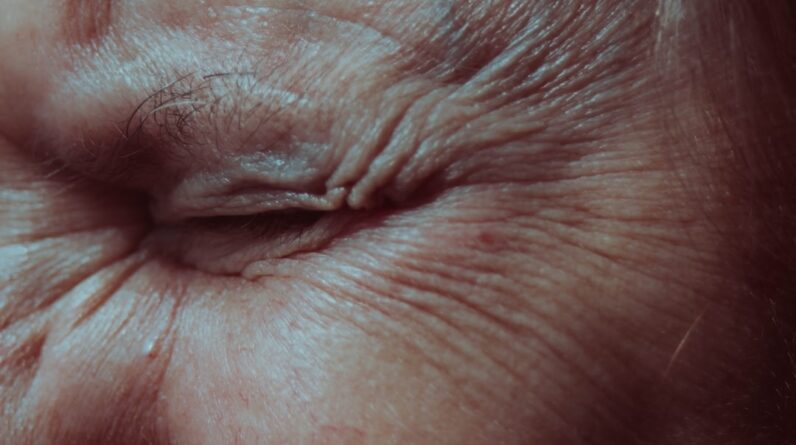
Aging is a complex biological process influenced by a combination of intrinsic and extrinsic factors. Intrinsic aging, also known as chronological aging, is a genetically determined process that occurs over time, leading to gradual cellular degeneration and a decline in physiological functions. Extrinsic aging, on the other hand, is driven by environmental exposures and lifestyle choices, with ultraviolet (UV) radiation from the sun being a primary culprit.
Intrinsic Aging: The Internal Clock
Your body’s internal clock ticks relentlessly, and with each passing year, it leaves its mark on your skin. Intrinsic aging is a natural progression, a biological blueprint dictating the slow unraveling of your skin’s youthful vigor. This process is characterized by several key changes:
- Collagen and Elastin Degradation: These proteins are the scaffolding and the elastic bands of your skin, respectively. As you age, your body produces less of these vital components, and existing ones become fragmented. Collagen, responsible for skin’s firmness and structure, begins to break down, leading to sagging and a loss of fullness. Elastin, which allows your skin to snap back into place, becomes less effective, contributing to wrinkles and skin laxity. Think of your skin as a well-constructed building; intrinsic aging is like the slow erosion of its foundation and the weakening of its structural beams.
- Reduced Cell Turnover: The rate at which your skin sheds old cells and replaces them with new ones slows down. This means that dead skin cells can accumulate on the surface, making your complexion appear dull and less vibrant. The natural renewal process, which once efficiently polished your skin, becomes a sluggish operation.
- Thinning of the Epidermis and Dermis: Both the outer layer (epidermis) and the layer beneath it (dermis) become thinner with age. This thinning makes the skin more fragile, prone to bruising, and less able to retain moisture, leading to dryness and a more pronounced appearance of underlying blood vessels. Your skin’s protective barrier becomes less robust, like a shield that has lost some of its defensive layers.
- Changes in Fat Distribution: Subcutaneous fat, which provides a smooth, plump appearance, can diminish or shift in location. This can lead to hollows in areas like the cheeks and temples, contributing to a gaunt or aged facial profile. The natural cushioning of your face begins to recede, leaving behind less-filled contours.
Extrinsic Aging: The Environmental Assault
While intrinsic aging is an unavoidable aspect of life, extrinsic aging is largely preventable and can significantly accelerate the visible signs of maturation. Your skin is constantly bombarded by external stressors, and each encounter chips away at its youthful resilience.
- Photoaging (Sun Damage): This is the most significant contributor to extrinsic aging. UV radiation from the sun penetrates the skin and damages cellular DNA, collagen, and elastin fibers. This damage manifests as wrinkles, fine lines, sunspots (hyperpigmentation), rough skin texture, and a loss of skin elasticity. Prolonged sun exposure is like a relentless sandblaster, gradually wearing away the smooth finish of your skin.
- Pollution: Environmental pollutants, such as particulate matter and ground-level ozone, can generate free radicals in the skin. These unstable molecules cause oxidative stress, damaging cells and accelerating the aging process. Think of pollution as microscopic invaders that wage a constant, low-grade war on your skin’s defenses.
- Smoking: The chemicals in cigarette smoke restrict blood flow to the skin, depriving it of oxygen and essential nutrients. Smoking also damages collagen and elastin, leading to premature wrinkles, a sallow complexion, and delayed wound healing. The act of smoking literally starves your skin of life-giving resources and actively contributes to its decay.
- Poor Nutrition and Dehydration: A diet lacking in antioxidants and essential vitamins can hinder the skin’s ability to repair itself. Chronic dehydration can also make the skin appear dry, dull, and less supple, emphasizing the appearance of wrinkles. Your internal fuel intake directly impacts your external appearance; a depleted diet leads to a depleted complexion.
- Stress: Chronic stress can trigger the release of hormones like cortisol, which can break down collagen and impair the skin’s barrier function. The mental toll of stress can manifest physically on your skin, creating a visible strain.
Popular Non-Surgical Anti-Aging Modalities in Tucker Hill
Tucker Hill provides access to a diverse array of non-surgical treatments designed to address the aforementioned signs of aging. These procedures are generally less invasive than surgical options, requiring minimal downtime and offering more subtle, yet often significant, improvements.
Injectable Treatments: The Art of Temporary Restoration
Injectable treatments are among the most sought-after non-surgical anti-aging solutions. They work by either relaxing muscles to reduce dynamic wrinkles or by restoring lost volume and smoothing static lines.
Neuromodulators (e.g., Botox, Dysport, Xeomin)
Neuromodulators are protein-based substances that temporarily block nerve signals to specific muscles. This blockade prevents the muscles from contracting, which in turn smooths out wrinkles caused by repeated facial expressions.
- Mechanism of Action: Neuromodulators work by inhibiting the release of acetylcholine, a neurotransmitter responsible for muscle contraction. When injected into specific facial muscles, they essentially “switch off” the signal that causes them to furrow the brow, create crow’s feet, or form forehead lines. This is akin to putting a temporary pause on the recurring script of your facial expressions.
- Targeted Areas: Commonly treated areas include the glabellar lines (between the eyebrows), forehead lines, and crow’s feet around the eyes. They can also be used in other areas to soften lines such as bunny lines on the nose or perioral lines around the mouth, and even to subtly lift the brow.
- Procedure and Downtime: The injections are administered with fine needles and are relatively quick, often completed within 10-20 minutes. Mild redness or swelling at the injection sites may occur but typically subsides within a few hours. Bruising is possible but usually minimal.
- Results and Duration: Results usually become noticeable within 3-7 days, with full effects appearing around 14 days. The effects are temporary and typically last for 3-6 months, after which the muscles regain their ability to contract, and the wrinkles begin to reappear. Regular treatments are necessary to maintain the desired outcome.
Dermal Fillers (e.g., Hyaluronic Acid Fillers)
Dermal fillers are injectable gels, most commonly made from hyaluronic acid, a naturally occurring substance in the skin that helps retain moisture and volume. They are used to restore lost volume, plump the skin, and smooth wrinkles and folds.
- Mechanism of Action: Dermal fillers work by adding immediate volume to areas that have lost fat or collagen over time. Hyaluronic acid fillers attract and bind water molecules, further plumping the treated area and creating a smoother appearance. They also serve as a scaffold, supporting the skin’s structure. Imagine them as liquid cushions that restore the suppleness and fullness that time has taken away.
- Targeted Areas: Popular treatment areas include the nasolabial folds (smile lines), marionette lines, cheeks, lips, chin, jawline, and under-eye hollows. They can also be used to enhance lip volume and definition.
- Procedure and Downtime: The procedure involves injecting the filler into specific depths of the skin using fine needles or cannulas. The duration varies depending on the treatment area but typically ranges from 30 minutes to an hour. Some discomfort may be experienced, which can be managed with topical numbing cream. Swelling, redness, and bruising at the injection sites are common and usually resolve within a few days.
- Results and Duration: Results are immediate, providing visible plumping and smoothing effects. The longevity of dermal fillers varies depending on the type of filler used and the area treated, but hyaluronic acid fillers generally last between 6 to 18 months.
Energy-Based Devices: Harnessing Technology for Skin Rejuvenation
Energy-based devices utilize various forms of energy, such as radiofrequency, ultrasound, or light, to stimulate collagen production and improve skin texture.
Radiofrequency (RF) Treatments
RF treatments use electrical energy to heat the deeper layers of the skin, stimulating collagen remodeling and tightening the skin.
- Mechanism of Action: Radiofrequency energy travels through the skin and preferentially heats the dermis. This thermal stimulus causes existing collagen fibers to contract and tighten, while also signaling fibroblasts to produce new collagen and elastin. This process leads to gradual skin tightening and a reduction in the appearance of wrinkles. Think of it as gently warming and encouraging your skin’s internal scaffolding to rebuild and strengthen itself.
- Targeted Areas: RF treatments are effective for addressing sagging skin, wrinkles, and fine lines on the face, neck, and décolletage. Specific devices are also used for body contouring.
- Procedure and Downtime: The procedure involves moving a handheld device over the skin’s surface. Patients typically feel a warming sensation. There is usually minimal to no downtime, with some mild redness that subsides quickly.
- Results and Duration: Results are often seen gradually over several weeks to months as new collagen is produced. Multiple treatment sessions are typically recommended to achieve optimal results, and the benefits can last for up to two years.
Intense Pulsed Light (IPL) Therapy
IPL therapy uses broad-spectrum light to target pigment and vascular irregularities in the skin, leading to a more even complexion.
- Mechanism of Action: IPL delivers pulses of light energy that are absorbed by melanin (pigment) and hemoglobin (in blood vessels) in the skin. This selectively targets and breaks down unwanted pigment, such as sunspots and freckles, and also coagulates small blood vessels, reducing redness and rosacea. Unlike lasers, IPL uses a broad spectrum of light wavelengths, making it effective for a variety of concerns. It acts like a targeted eraser for unwanted blemishes on the skin’s canvas.
- Targeted Areas: Primarily used for facial rejuvenation to address sunspots, freckles, redness, broken capillaries, and overall uneven skin tone. It can also be used on the neck, chest, and hands.
- Procedure and Downtime: A cool gel is applied to the skin, and then the IPL handpiece is moved over the treatment area. Patients may feel a snapping sensation, akin to a rubber band flick. Redness, mild swelling, and temporary darkening of pigmented spots may occur, but these usually resolve within a few days.
- Results and Duration: Results are often seen after a series of treatments, typically 3-6 sessions spaced several weeks apart. Skin tone becomes more even, and pigmented spots fade. Maintenance treatments may be needed periodically.
Laser Skin Resurfacing
Various types of lasers are used for skin resurfacing, ranging from ablative lasers that remove thin layers of skin to non-ablative lasers that heat the dermis without vaporizing the surface.
- Mechanism of Action:
- Ablative Lasers (e.g., CO2, Erbium:YAG): These lasers vaporize the outermost layers of skin. The body’s natural healing response then kicks in, generating new, healthier skin with improved texture, reduced wrinkles, and increased collagen production. This is a more aggressive approach, akin to a complete renewal or stripping and rebuilding of the skin’s surface.
- Non-Ablative Lasers (e.g., Fraxel, Clear + Brilliant): These lasers deliver heat energy into the dermis without damaging the epidermis. This controlled heating stimulates collagen production and remodeling, leading to gradual improvement in skin texture, tone, and fine lines. They are less aggressive and work by igniting a renovation within the deeper layers of the skin.
- Targeted Areas: Effective for treating wrinkles, fine lines, sun damage, acne scars, and uneven skin texture on the face, neck, chest, and hands.
- Procedure and Downtime: Ablative laser treatments involve more significant downtime, including redness, swelling, and peeling that can last for one to two weeks. Non-ablative treatments have much shorter downtime, typically a few days of mild redness and flaking.
- Results and Duration: Results from ablative lasers are dramatic and long-lasting, with significant improvement in wrinkles and skin texture. Non-ablative lasers provide more gradual results but are effective for milder signs of aging and significant skin tone improvement. Both types promote ongoing collagen production for continued benefits.
Advanced Skincare and Topical Treatments: The Daily Reinforcement
While not administered in a clinic setting in the same way as procedures, advanced topical treatments are crucial for both preventing and treating the signs of aging. They act as the daily maintenance crew for your skin.
Retinoids (Prescription and Over-the-Counter)
Retinoids, derivatives of vitamin A, are cornerstone ingredients in anti-aging skincare due to their ability to accelerate cell turnover and stimulate collagen production.
- Mechanism of Action: Retinoids work by binding to retinoic acid receptors in skin cells. This interaction triggers a cascade of effects, including increased cell turnover (shedding of old, damaged cells), enhanced collagen synthesis, and a reduction in the breakdown of existing collagen. They also help to unclog pores and improve skin texture. Think of them as intelligent agents that reprogram your skin cells to function like they did in their youth.
- Types and Strengths: Over-the-counter options include retinol and retinyl palmitate, which are weaker but generally better tolerated. Prescription-strength retinoids, such as tretinoin and adapalene, are more potent and can yield more significant results but may also cause more irritation.
- Application and Precautions: It is crucial to introduce retinoids gradually into your routine, starting with a low concentration a few times a week, and increasing frequency as tolerated. Sunscreen is absolutely essential when using retinoids, as they can increase photosensitivity. Initial side effects can include dryness, redness, peeling, and sensitivity.
Antioxidants (e.g., Vitamin C, Vitamin E)
Antioxidants combat damage caused by free radicals, unstable molecules that contribute to aging by damaging cellular structures.
- Mechanism of Action: Antioxidants neutralize free radicals by donating an electron, thereby stabilizing them and preventing them from causing oxidative stress. This helps to protect collagen and elastin from degradation and can reduce inflammation. They act as the body’s built-in defense system, protecting your cells from internal and external aggressors.
- Key Antioxidants: Vitamin C is particularly effective as it also plays a role in collagen synthesis and helps to brighten the skin. Other beneficial antioxidants include vitamin E, ferulic acid, and niacinamide.
- Application: Typically found in serums and moisturizers, antioxidant serums are best applied in the morning to provide protection against environmental damage throughout the day.
Peptides
Peptides are short chains of amino acids that are the building blocks of proteins like collagen and elastin.
- Mechanism of Action: Certain peptides can signal skin cells to produce more collagen or elastin, effectively functioning as messengers that encourage skin repair and regeneration. Other peptides can act as neurotransmitter inhibitors to relax muscle contractions, providing a milder Botox-like effect. They are like tiny instruction manuals for your skin cells, guiding them in their regenerative processes.
- Application: Incorporated into various skincare products, including serums, moisturizers, and eye creams.
Choosing the Right Treatment in Tucker Hill
Navigating the landscape of non-surgical anti-aging treatments requires careful consideration. Your individual needs, skin type, concerns, and desired outcomes will dictate the most appropriate course of action.
Consultation with a Qualified Professional
The cornerstone of any successful anti-aging journey is a thorough consultation with a board-certified dermatologist or a highly trained aesthetician.
- Assessment of Skin Condition: A professional will meticulously examine your skin, assessing its current condition, including the types and severity of wrinkles, skin laxity, pigmentation, and overall texture. They will also consider your medical history and any previous cosmetic procedures. This is akin to a diagnostic team assessing a patient before recommending a treatment plan.
- Discussion of Concerns and Goals: You will have the opportunity to articulate your specific aging concerns and what you hope to achieve with treatment. A good practitioner will listen attentively and manage expectations, explaining what is realistically achievable.
- Personalized Treatment Plan: Based on their assessment and your stated goals, the professional will develop a personalized treatment plan. This plan will outline the recommended procedures, the sequence in which they should be performed, and the expected outcomes. It will be a tailored roadmap designed specifically for your skin’s journey.
- Explanation of Risks and Benefits: The consultation will include a detailed discussion of the potential risks, benefits, and side effects associated with each proposed treatment. This ensures you are fully informed and can make a confident decision.
Understanding Your Skin Type and Concerns
Your unique skin characteristics will influence treatment suitability and effectiveness.
- Skin Type: Whether you have oily, dry, combination, or sensitive skin will impact how your skin responds to certain treatments and products. For example, individuals with sensitive skin might need to start with gentler formulations or lower energy settings on devices.
- Aging Concerns: Are you primarily concerned with fine lines, deep wrinkles, volume loss, sagging skin, or uneven pigmentation? Different treatments excel at addressing specific concerns. For instance, dermal fillers are ideal for volume loss, while neuromodulators target dynamic wrinkles.
- Fitzpatrick Skin Type: This classification helps determine your skin’s sensitivity to UV radiation and its propensity for pigmentation changes after procedures. Individuals with darker skin tones (higher Fitzpatrick types) require special consideration with certain energy-based devices to minimize the risk of hyperpigmentation or hypopigmentation. The melanin in your skin acts as a natural shield, but it can also absorb light energy, requiring careful calibration of treatments.
Realistic Expectations and Maintenance
Achieving and maintaining youthful-looking skin is a marathon, not a sprint, and requires a commitment to ongoing care.
- Gradual Improvement: Most non-surgical anti-aging treatments offer gradual improvements rather than immediate, dramatic transformations. This is often a positive aspect, leading to more natural-looking results. It’s about a gentle tide of rejuvenation, not a sudden flood.
- Maintenance Regimen: The results of non-surgical treatments are not permanent. Regular maintenance treatments and a dedicated at-home skincare routine are essential to sustain the benefits. This involves adhering to your practitioner’s recommendations for follow-up appointments and continuing to use effective skincare products diligently.
- Lifestyle Factors: Consistency in healthy lifestyle choices, such as sun protection, a balanced diet, adequate hydration, and avoiding smoking, plays a crucial role in supporting treatment outcomes and overall skin health. These habits are the silent partners in your anti-aging efforts, working in harmony with clinical treatments.
The Future of Non-Surgical Anti-Aging in Tucker Hill
The field of non-surgical anti-aging is in a state of constant evolution, with ongoing research and technological advancements continually expanding the available options and refining existing techniques.
Emerging Technologies and Innovations
Tucker Hill providers are likely to offer access to cutting-edge treatments as they become clinically proven and accessible.
- Advanced Injectables: Research is ongoing into new formulations of dermal fillers and neuromodulators with improved longevity, smoother integration into tissues, and potentially novel mechanisms of action to address more complex aging concerns.
- Combination Therapies: The trend towards combining different treatments to achieve synergistic results is expected to grow. For example, pairing a laser treatment with microneedling and then a chemical peel can address a broader spectrum of aging signs more effectively.
- Regenerative Medicine Approaches: The application of regenerative medicine in aesthetics is a burgeoning area. This includes treatments utilizing Platelet-Rich Plasma (PRP) or stem cells to stimulate the body’s natural healing and regenerative processes for skin rejuvenation. The focus is shifting towards harnessing the body’s own intrinsic repair mechanisms.
- Personalized Medicine: As our understanding of genetics and individual skin biology deepens, treatments are likely to become even more personalized, with interventions tailored to an individual’s specific genetic predispositions and cellular responses.
The Growing Emphasis on Prevention and Wellness
Beyond corrective treatments, there is an increasing focus on preventing premature aging and promoting overall skin wellness.
- Holistic Approach: The integration of both in-office treatments and at-home care, coupled with lifestyle advice, represents a holistic approach to anti-aging. This recognizes that radiant skin is a reflection of overall health.
- Education and Empowerment: Professionals are increasingly focused on educating their patients about skin health and empowering them to make informed choices about their skincare and treatment options. This shift aims to create long-term skin health rather than merely addressing existing signs of aging.
- Long-Term Skin Health: The paradigm is shifting from solely treating the visible manifestations of aging to fostering long-term skin health and resilience, aiming to slow down the aging process at a cellular level. This proactive stance ensures that your skin remains vibrant and healthy for years to come.
FAQs
What is Non-Surgical Anti-Aging treatment at Tucker Hill?
Non-Surgical Anti-Aging treatments at Tucker Hill refer to cosmetic procedures designed to reduce the signs of aging without the need for surgery. These treatments often include options like Botox, dermal fillers, laser therapy, and chemical peels to improve skin texture, reduce wrinkles, and enhance overall facial appearance.
How do Non-Surgical Anti-Aging treatments work?
These treatments work by targeting specific signs of aging such as fine lines, wrinkles, and loss of skin elasticity. For example, Botox relaxes facial muscles to reduce wrinkles, while dermal fillers restore volume and smooth out deeper lines. Laser therapies stimulate collagen production, improving skin tone and texture.
Are Non-Surgical Anti-Aging treatments safe?
Yes, when performed by qualified and experienced professionals at Tucker Hill, Non-Surgical Anti-Aging treatments are generally safe. They are minimally invasive with fewer risks and shorter recovery times compared to surgical procedures. However, it is important to discuss any medical conditions or allergies with the provider before treatment.
How long do the results of Non-Surgical Anti-Aging treatments last?
The duration of results varies depending on the type of treatment. Botox effects typically last 3 to 6 months, while dermal fillers can last from 6 months up to 2 years depending on the product used. Laser treatments may require multiple sessions and maintenance treatments for long-lasting results.
Who is a good candidate for Non-Surgical Anti-Aging treatments at Tucker Hill?
Good candidates are individuals looking to reduce signs of aging without undergoing surgery. Ideal candidates have realistic expectations, are in good overall health, and have mild to moderate skin aging concerns. A consultation with a specialist at Tucker Hill can help determine the most appropriate treatment plan.