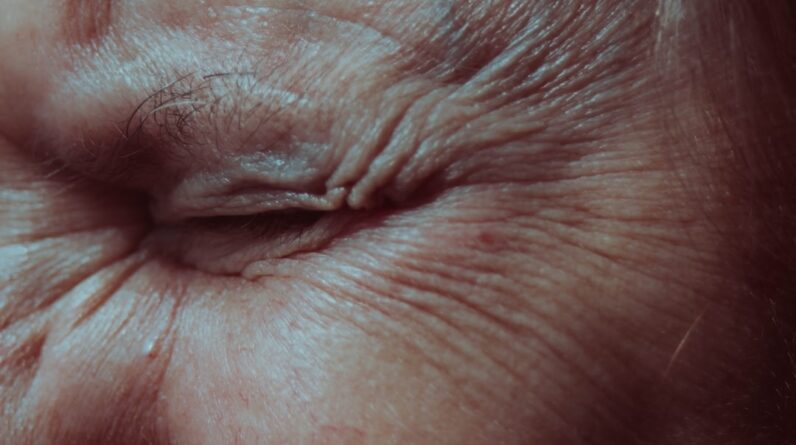
You’re looking for a way to address those lines and creases that seem to be etching their story onto your face. Perhaps you’ve explored mirrors more closely lately, or a photographer’s candid shot has sparked a deeper contemplation of your skin’s current chapter. The quest for smoother, more youthful skin is a common one, and when you turn your attention to Eldorado or McKinney, you’ll find a landscape of options designed to meet this desire. This exploration delves into the array of wrinkle reduction treatments available in these north Texas locales, aiming to equip you with the knowledge to navigate your choices.
Before we discuss the interventions, it’s crucial to understand the architecture of aging skin. Your skin, a complex and dynamic organ, is your body’s primary barrier against the outside world. Its youthful resilience and smoothness are largely attributable to key components that degrade over time.
The Role of Collagen and Elastin
- Collagen: The Body’s Scaffolding: Think of collagen as the foundational support beams of a building. This fibrous protein provides structure and firmness to your skin. As you age, your body produces less collagen, and the existing collagen can break down. This loss of structural integrity is a primary driver of sagging and the formation of deeper wrinkles.
- Elastin: The Skin’s Elasticity: Elastin is the intricate network of springs that allows your skin to stretch and snap back into place. It’s what gives your skin its bounce and prevents it from permanently creasing after you smile, frown, or squint. Over time, sun exposure, environmental damage, and the natural aging process lead to the degradation of elastin fibers, making your skin less able to recover its original shape.
Factors Accelerating Skin Aging
While chronological aging is inevitable, several external and internal factors can accelerate the visible signs of aging, including wrinkles.
- Sun Exposure (Photoaging): Ultraviolet (UV) radiation from the sun is a potent enemy of youthful skin. It penetrates the epidermis and dermis, damaging collagen and elastin fibers, thickening the skin unevenly, and leading to the formation of sunspots and wrinkles. Consistent sun exposure, even without a sunburn, contributes significantly to premature aging.
- Facial Expressions: Every time you smile, frown, or squint, you create dynamic wrinkles. Over years of repeated muscle contractions, these lines become etched into the skin, transforming from temporary creases to permanent furrows. This is particularly noticeable around the eyes (crow’s feet), forehead, and between the eyebrows (glabella lines).
- Lifestyle Choices: Factors such as smoking, poor nutrition, chronic stress, and insufficient sleep can negatively impact your skin’s health and accelerate the aging process. Smoking, for instance, constricts blood vessels, reducing oxygen and nutrient delivery to the skin, while also releasing free radicals that damage skin cells.
- Genetics: Your genetic predisposition plays a role in how your skin ages. Some individuals may inherit a tendency for their skin to develop wrinkles earlier or more deeply than others.
Non-Invasive Wrinkle Reduction Treatments
Many individuals seeking wrinkle reduction in Eldorado and McKinney prefer treatments that require minimal to no downtime and are less invasive. These options often focus on stimulating the skin’s natural regenerative processes or temporarily relaxing facial muscles.
Neurotoxin Injections (Botulinum Toxin)
Neurotoxin injections, commonly known by brand names like Botox® Cosmetic, Dysport®, Xeomin®, and Jeuveau®, represent one of the most popular and effective methods for treating dynamic wrinkles. They work by temporarily blocking nerve signals to specific muscles, reducing their ability to contract.
How Neurotoxins Work
- Mechanism of Action: Botulinum toxin is a purified protein that, when injected into a muscle, prevents the release of acetylcholine, a neurotransmitter responsible for muscle contraction. This temporarily paralyzes or weakens the targeted muscle, smoothing out the overlying skin and preventing the formation of new dynamic wrinkles.
- Targeted Areas: These injections are most effective for wrinkles caused by muscle movement, such as:
- Forehead lines: Horizontal lines across the forehead.
- Glabellar lines: The “eleven” lines between the eyebrows, often associated with frowning.
- Crow’s feet: Lines radiating from the corners of the eyes, associated with smiling and squinting.
- Procedure and Recovery: The procedure itself is relatively quick, often taking only 10-15 minutes. Small needles are used to inject the neurotoxin into specific points in the facial muscles. Most individuals can resume their normal activities immediately after the treatment, though some may experience minor bruising or swelling at the injection sites, which typically resolves within a few days.
- Duration of Results: The effects of neurotoxin injections typically last for 3 to 6 months, after which the muscles gradually regain their function, and wrinkle formation resumes. Regular maintenance treatments are recommended to sustain the desired results.
Considerations for Neurotoxin Treatments
- Choosing a Provider: The skill and artistry of the injector are paramount. You should seek a board-certified dermatologist or plastic surgeon with extensive experience in administering neurotoxins. They can assess your facial anatomy and determine the appropriate dosage and injection sites to achieve a natural-looking result.
- Potential Side Effects: While generally safe, potential side effects can include temporary drooping of the eyelids (ptosis), redness, swelling, bruising, headache, and flu-like symptoms. Severe allergic reactions are rare.
- Contraindications: Neurotoxin injections are not suitable for individuals with certain neuromuscular disorders, pregnant or breastfeeding women, or those with allergies to any of the ingredients.
Dermal Fillers
Dermal fillers are injectable substances used to restore lost volume, smooth lines and wrinkles, and enhance facial contours. Unlike neurotoxins that address dynamic wrinkles, fillers are primarily used for static wrinkles – those that are present even when your facial muscles are at rest.
Types of Dermal Fillers
A variety of dermal fillers are available, each with its own unique properties and applications.
- Hyaluronic Acid (HA) Fillers: These are the most common type of fillers. Hyaluronic acid is a naturally occurring substance in the skin that attracts and retains moisture, contributing to plumpness and hydration. Popular HA fillers include Juvéderm® (various formulations like Ultra XC, Voluma XC, Vollure XC, and Volbella XC), Restylane® (including Lyft, Silk, and Defyne), and Belotero Balance®.
- Applications: HA fillers are versatile and can be used to:
- Fill in nasolabial folds (smile lines).
- Plump the lips.
- Restore volume to the cheeks and temples.
- Correct marionette lines (lines extending from the corners of the mouth downwards).
- Smooth under-eye hollows (tear troughs).
- Duration of Results: Results typically last from 6 months to 2 years, depending on the specific product, the treated area, and individual metabolism.
- Calcium Hydroxylapatite (CaHA) Fillers: Radiesse® is a prominent example of a CaHA filler. This substance is naturally found in bones and teeth, and it provides immediate volume while also stimulating your body to produce its own collagen over time.
- Applications: CaHA fillers are often used for:
- Deep nasolabial folds.
- Marionette lines.
- Restoring volume to the backs of hands.
- Duration of Results: Results can last for up to 2 years.
- Poly-L-lactic Acid (PLLA) Fillers: Sculptra® Aesthetic is a PLLA-based filler. Unlike HA fillers, PLLA works by gradually stimulating collagen production over several months, resulting in a more subtle and natural-looking rejuvenation.
- Applications: PLLA fillers are ideal for:
- Addressing significant volume loss in areas like the cheeks and temples.
- Improving the appearance of deep wrinkles and folds.
- Duration of Results: Results are progressive and can last for up to 2 years or longer with touch-up treatments.
The Dermal Filler Procedure
- Consultation: A thorough consultation with your provider is essential. They will assess your skin, discuss your aesthetic goals, and recommend the most appropriate filler for your needs.
- Injection Process: Similar to neurotoxin injections, dermal fillers are administered using fine needles or cannulas. The procedure is typically performed in-office and can take 30 minutes to an hour, depending on the area treated and the amount of filler used.
- Recovery: Some swelling, redness, and bruising at the injection sites are common and usually subside within a few days. Most individuals can resume their daily activities immediately, though strenuous exercise and excessive heat should be avoided for the first 24-48 hours.
Important Considerations for Dermal Fillers
- Injector Expertise: As with neurotoxins, the injector’s experience is crucial for achieving safe and aesthetically pleasing outcomes.
- Potential Complications: While rare, potential complications include lumpiness, asymmetry, infection, vascular occlusion (a serious complication where filler blocks a blood vessel), and allergic reactions. Prompt medical attention is necessary if any concerning symptoms arise.
- Not for Deep Wrinkles Alone: While fillers can address static wrinkles, they are most effective when volume loss is also a factor. For very fine lines, other treatments might be more suitable.
Minimally Invasive and Energy-Based Treatments
Beyond injectables, a range of technologies utilize energy to stimulate collagen production and improve skin texture, offering a pathway to wrinkle reduction without the need for surgery.
Laser Resurfacing
Laser treatments offer a controlled way to rejuvenate the skin by removing outer layers and stimulating new cell growth.
Types of Laser Treatments
- Ablative Lasers: These lasers, such as CO2 and Erbium:YAG lasers, vaporize the outermost layers of skin, creating controlled thermal injury. This process triggers a powerful healing response, leading to significant collagen remodeling and tightening.
- Applications: Ablative lasers are effective for treating:
- Deeper wrinkles and fine lines.
- Sun damage and precancerous lesions.
- Acne scars.
- Skin laxity.
- Downtime: Ablative laser resurfacing generally involves the longest downtime, with redness, swelling, and peeling lasting for one to two weeks, and a full recovery taking several months.
- Non-Ablative Lasers: These lasers heat the underlying tissue without removing the surface layer of the skin. They work by stimulating collagen production below the surface, leading to gradual improvement in skin texture and wrinkle reduction. Examples include fractional lasers like Fraxel® and non-fractional lasers.
- Applications: Non-ablative lasers are suitable for:
- Fine lines and wrinkles.
- Improving skin tone and texture.
- Sunspots and mild sun damage.
- Downtime: Downtime for non-ablative lasers is significantly shorter, typically involving a few days of redness and mild swelling, making them a popular choice for those seeking less disruption to their daily lives.
Laser Treatment Considerations
- Skin Type and Tone: Certain lasers are more appropriate for specific skin types and tones. Your provider will assess your skin to determine the safest and most effective laser option.
- Sun Protection: Strict sun avoidance and consistent use of broad-spectrum sunscreen are crucial before and after laser treatments to prevent complications and optimize results.
- Number of Sessions: Multiple treatment sessions may be required to achieve optimal results with both ablative and non-ablative lasers.
Radiofrequency (RF) Treatments
Radiofrequency energy heats the deeper layers of the skin, stimulating collagen production and tightening existing collagen fibers.
RF Technologies
- Traditional RF Devices: These devices deliver RF energy to the skin’s surface, warming the dermis and promoting collagen synthesis.
- Fractional RF Devices: These devices create microscopic zones of thermal injury in the skin, similar to fractional lasers, but using RF energy. This approach enhances collagen remodeling and skin tightening. Examples include Morpheus8® and Infini®.
- RF with Microneedling: This synergistic treatment combines the benefits of microneedling (creating micro-injuries to stimulate healing) with RF energy. The RF energy is delivered deeper into the skin through the microneedles, leading to more pronounced collagen production and skin tightening.
Benefits of RF Treatments
- Skin Tightening: RF treatments are effective in improving skin laxity and reducing the appearance of sagging skin, which contributes to wrinkles.
- Collagen Stimulation: The heat generated by RF energy triggers fibroblasts to produce new collagen and elastin, leading to a more youthful and resilient complexion over time.
- Minimal Downtime: Most RF treatments have minimal downtime, with some redness and swelling that typically resolves within a few days.
Intense Pulsed Light (IPL) Therapy
While primarily known for addressing pigmentary issues like sunspots and redness, IPL can also contribute to wrinkle reduction by stimulating collagen production.
How IPL Works
- Broad Spectrum Light: IPL devices deliver pulses of broad-spectrum light that are absorbed by melanin (pigment) and hemoglobin (blood vessels) in the skin.
- Collagen Stimulation: The thermal effect of the light energy also stimulates fibroblasts to produce new collagen, leading to subtle improvements in skin texture and fine lines.
IPL for Wrinkle Reduction
- Complementary Treatment: IPL is often used as a complementary treatment for overall skin rejuvenation, addressing multiple signs of aging concurrently.
- Suitable for: It is most effective for fine lines and improving overall skin quality rather than deep wrinkles.
- Downtime: Downtime is minimal, with some temporary redness and mild swelling.
Advanced and Surgical Rejuvenation Options
For individuals with more significant signs of aging or those seeking more dramatic and lasting results, advanced and surgical options may be considered.
Chemical Peels
Chemical peels involve the application of a chemical solution to the skin, causing controlled exfoliation and shedding of damaged outer layers.
Types of Chemical Peels
- Superficial Peels: These use mild acids like alpha-hydroxy acids (AHAs) or salicylic acid. They exfoliate the outermost layer of the epidermis, improving skin texture, reducing fine lines, and addressing minor discoloration. Downtime is minimal.
- Medium Peels: These utilize trichloroacetic acid (TCA) to penetrate deeper into the epidermis and upper dermis. They are effective for moderate wrinkles, acne scars, and more significant sun damage. Downtime typically involves a week or more of redness and peeling.
- Deep Peels: These involve stronger acids like phenol and are the most aggressive. They penetrate to the deepest layers of the dermis, producing dramatic results for deep wrinkles, significant sun damage, and precancerous lesions. However, they also involve the longest downtime and highest risk of complications.
Chemical Peel Considerations
- Skin Type: The suitability of chemical peels depends on your skin type and tone, as well as the severity of your concerns.
- Sun Protection: Strict sun avoidance is essential during the healing process.
Microneedling
Microneedling, also known as collagen induction therapy, involves using a device with fine needles to create tiny punctures in the skin.
The Microneedling Process
- Controlled Injury: These micro-injuries trigger the skin’s natural wound-healing response, stimulating the production of new collagen and elastin.
- Improved Texture and Wrinkles: Microneedling can improve skin texture, reduce the appearance of fine lines and wrinkles, and enhance the absorption of topical serums for added benefits.
- Downtime: Downtime is generally minimal, with some redness and mild swelling for a day or two.
Advanced Microneedling Techniques
- Radiofrequency Microneedling: As mentioned previously, combining microneedling with RF energy amplifies the collagen-stimulating effects.
- Platelet-Rich Plasma (PRP) Microneedling: This involves applying a patient’s own PRP (derived from their blood) to the skin after microneedling. PRP contains growth factors that can further enhance healing and rejuvenation.
Surgical Options
For more significant skin laxity and deep-set wrinkles that cannot be adequately addressed by non-surgical or minimally invasive methods, surgical interventions may be considered.
- Facelift (Rhytidectomy): A facelift is a surgical procedure that tightens the skin and underlying tissues of the face and neck, reducing sagging and deep wrinkles.
- Brow Lift: This procedure addresses sagging eyebrows and forehead wrinkles.
- Eyelid Surgery (Blepharoplasty): This surgery removes excess skin and fat from the eyelids, improving the appearance of droopy eyelids and crow’s feet.
Surgical Considerations
- Invasiveness and Recovery: Surgical procedures involve a longer recovery period and are associated with higher risks compared to non-surgical treatments.
- Consultation with a Plastic Surgeon: A thorough consultation with a board-certified plastic surgeon is essential to determine if surgery is the right option for you and to understand the potential outcomes and risks.
Making an Informed Decision in Eldorado and McKinney
| Treatment Type | Average Sessions | Typical Results Duration | Common Side Effects | Recovery Time | Effectiveness Rate (%) |
|---|---|---|---|---|---|
| Botox Injections | 3-4 sessions per year | 3-6 months | Mild bruising, swelling | None to 1 day | 85-90 |
| Dermal Fillers | 1-2 sessions per year | 6-18 months | Redness, swelling, tenderness | 1-2 days | 80-90 |
| Laser Resurfacing | 1-3 sessions | 1-2 years | Redness, peeling, sensitivity | 1-2 weeks | 75-85 |
| Chemical Peels | 3-6 sessions | 6 months to 1 year | Redness, peeling, dryness | 3-7 days | 70-80 |
| Microneedling | 3-6 sessions | 6 months to 1 year | Redness, mild swelling | 2-4 days | 65-75 |
When you embark on your journey to reduce wrinkles in Eldorado or McKinney, remember that the “best” treatment is highly individual. It’s a tapestry woven from your specific skin concerns, your aesthetic goals, your available downtime, and your budget.
The Importance of a Professional Consultation
- Assessment and Diagnosis: The cornerstone of effective treatment is a comprehensive consultation with a qualified medical professional. In Eldorado and McKinney, this means seeking out board-certified dermatologists or plastic surgeons who specialize in aesthetic procedures. They possess the diagnostic skills to accurately assess your skin’s condition, identify the root causes of your wrinkles, and recommend the most appropriate treatment plan.
- Goal Alignment: Clearly articulate your expectations and desired outcomes. A skilled practitioner will listen attentively, manage your expectations, and ensure your goals are realistic and achievable through the proposed treatments.
- Personalized Treatment Planning: No two faces are identical, and therefore, no two treatment plans should be either. Your provider will consider your unique facial anatomy, skin type, lifestyle, and any pre-existing medical conditions to tailor a plan specifically for you. This might involve a single treatment or a combination of therapies for synergistic results.
Understanding Costs and Commitment
- Financial Investment: The cost of wrinkle reduction treatments can vary significantly based on the type of procedure, the products used, the expertise of the provider, and the geographic location. It is essential to have a frank discussion about pricing during your consultation and to understand what is included in the quoted cost. Inquire about any potential additional fees for follow-up appointments or touch-up treatments.
- Long-Term Strategy: Many wrinkle reduction treatments, particularly injectables and energy-based therapies, require ongoing maintenance to sustain results. Consider this long-term commitment when evaluating the overall cost and your ability to adhere to a schedule of upkeep. The benefits are often cumulative, but discontinuation means a return to your skin’s previous state.
Choosing Your Provider in Eldorado and McKinney
- Credentials and Experience: Prioritize providers who are board-certified in dermatology or plastic surgery and have a proven track record of performing the specific treatments you are considering. Look for before-and-after portfolios to gauge their aesthetic sensibilities and the quality of their results.
- Patient Reviews and Testimonials: While anecdotal, patient reviews can offer valuable insights into the patient experience, the provider’s communication style, and the overall satisfaction with the outcomes. However, always approach online reviews with a critical eye and prioritize evidence-based information.
- Communication and Comfort: You should feel comfortable and confident with your chosen provider. A good practitioner will take the time to answer all your questions thoroughly, explain procedures clearly, and address any concerns you may have. Trust your instincts; a strong rapport fosters a more positive and successful treatment journey.
By understanding the science behind skin aging and thoroughly exploring the diverse range of wrinkle reduction treatments available in Eldorado and McKinney, you can approach your aesthetic rejuvenation with confidence and make informed decisions that align with your personal goals and needs.
FAQs
What are common wrinkle reduction treatments available in Eldorado Mckinney?
Common wrinkle reduction treatments in Eldorado Mckinney include Botox injections, dermal fillers, chemical peels, laser resurfacing, and microdermabrasion. These treatments help reduce the appearance of fine lines and wrinkles by smoothing the skin or stimulating collagen production.
How do Botox injections help in reducing wrinkles?
Botox injections work by temporarily relaxing the muscles that cause wrinkles, particularly around the forehead, eyes, and mouth. This relaxation smooths out dynamic wrinkles and prevents new ones from forming for several months.
Are wrinkle reduction treatments in Eldorado Mckinney safe?
Yes, wrinkle reduction treatments performed by licensed and experienced professionals in Eldorado Mckinney are generally safe. It is important to consult with a qualified provider to discuss your medical history and any potential risks before undergoing treatment.
How long do the effects of wrinkle reduction treatments typically last?
The duration of wrinkle reduction effects varies by treatment type. Botox usually lasts 3 to 6 months, dermal fillers can last from 6 months to 2 years depending on the product, and laser treatments may provide longer-lasting results with proper skin care.
Can wrinkle reduction treatments be combined for better results?
Yes, many patients in Eldorado Mckinney combine treatments such as Botox with dermal fillers or laser therapy to achieve more comprehensive wrinkle reduction and skin rejuvenation. A consultation with a skincare specialist can help determine the best combination for individual needs.