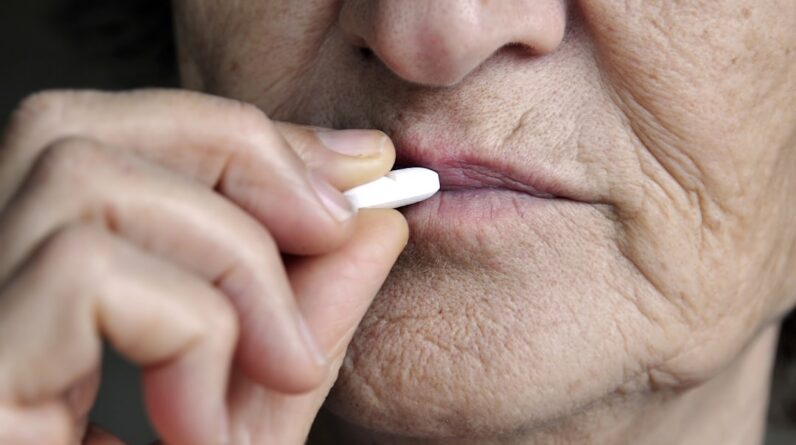
As you navigate the transitions of menopause, you might begin to notice changes in your skin, a common hallmark of this biological phase. This article will explore the role collagen supplements can play in addressing some of these age-related skin concerns.
Menopause is a natural biological process marking the end of a woman’s reproductive years, typically occurring between the ages of 45 and 55. While primarily associated with hormonal shifts, particularly the decline in estrogen and progesterone, its effects ripple throughout the body, including your skin. Your skin, like a well-worn map, begins to reveal the topography of time and experience.
The Hormonal Cascade of Menopause
Estrogen plays a crucial role in maintaining skin health. It influences collagen production, skin hydration, and elasticity. As estrogen levels decrease during perimenopause and menopause, these functions are impacted. Think of estrogen as the master architect of your skin’s structural integrity, and its departure leaves a significant void.
Decreased Collagen Production
Collagen is the most abundant protein in your body, acting as the scaffolding that provides structure, firmness, and elasticity to your skin. It’s the unsung hero that keeps your skin plump and smooth. However, its production naturally declines with age, and this decline is significantly accelerated by the hormonal shifts of menopause. By the time you reach your 60s, your body might be producing less than half the collagen it did in your 20s.
Reduced Skin Elasticity and Firmness
With less collagen, your skin loses its tautness. It’s like a deflated balloon; the once firm structure begins to sag and wrinkle. This loss of elasticity can lead to the appearance of fine lines, deeper wrinkles, and a general reduction in skin’s youthful bounce.
Increased Dryness and Reduced Hydration
Estrogen also helps your skin retain moisture. Its decline can disrupt the skin’s natural barrier function, making it less effective at holding onto hydration. Your skin may begin to feel drier, rougher, and more prone to irritation, akin to a parched desert landscape requiring constant watering.
Thinning of the Skin
Another consequence of reduced collagen and elastin is skin thinning. Your skin, once a robust shield, becomes more delicate and fragile. This can make it more susceptible to bruising and slower to heal.
The Science of Collagen Replenishment
Collagen supplements aim to counteract the natural decline in collagen production by providing your body with the building blocks it needs to synthesize new collagen. These supplements typically contain hydrolyzed collagen, also known as collagen peptides.
What are Collagen Peptides?
Collagen is a large molecule. For your body to effectively absorb and utilize it, it needs to be broken down into smaller, more digestible units. Hydrolyzed collagen undergoes a process called hydrolysis, which breaks down the collagen into these smaller peptides. These peptides are easier for your digestive system to process and for your body to transport to where they are needed, including your skin. Imagine these peptides as pre-fabricated building blocks, ready to be assembled.
Sources of Collagen Peptides
The most common sources of collagen peptides in supplements are:
- Bovine Collagen: Derived from cows, primarily from their hides and bones. Bovine collagen is rich in types I and III collagen, which are the most abundant types found in human skin, bones, and connective tissues.
- Marine Collagen: Sourced from fish, particularly their scales and skin. Marine collagen is predominantly type I collagen and is often praised for its smaller peptide size, potentially leading to faster absorption.
- Porcine Collagen: Derived from pigs, usually their skin. It contains types I and III collagen.
- Chicken Collagen: Typically sourced from chicken sternum and contains type II collagen, which is more prominent in cartilage. While type II is important for joint health, types I and III are generally considered more beneficial for skin.
The specific type of collagen in a supplement might influence its perceived benefits, although research is ongoing regarding the differential effects of various collagen types on skin aging.
How Collagen Peptides Work
When you consume collagen peptides, they are broken down into amino acids and smaller peptides in your digestive system. These are then absorbed into your bloodstream. Research suggests that these peptides can then signal your fibroblasts, the cells responsible for producing collagen in your skin, to increase their activity. It’s like sending a targeted message to your skin cells, urging them to get back to work.
Stimulating Fibroblast Activity
Studies have indicated that ingesting collagen peptides can stimulate fibroblasts to produce more collagen, as well as elastin and hyaluronic acid, all crucial components for maintaining youthful skin. This suggests a direct mechanistic pathway by which collagen supplementation could influence skin structure.
Providing Essential Amino Acids
Collagen is rich in specific amino acids, such as glycine, proline, and hydroxyproline. These are essential building blocks for synthesizing new collagen within your body. By providing these amino acids, collagen supplements offer your body the raw materials it needs to construct a stronger collagen network.
Potential Benefits of Collagen Supplements for Menopause Skin Aging
As you experience menopausal skin changes, collagen supplements are being investigated for their potential to mitigate some of these effects. While not a magic bullet, evidence suggests they can offer tangible improvements.
Improved Skin Hydration
One of the most frequently reported benefits of collagen supplementation is enhanced skin hydration. By supporting the skin’s natural moisturizing factors and potentially improving barrier function, these supplements can help combat the dryness associated with declining estrogen. Your skin can feel less like a dried-out creek bed and more like a well-watered garden.
Increased Hyaluronic Acid Production
Collagen peptides have been shown to stimulate the production of hyaluronic acid, a powerful humectant that attracts and retains moisture in the skin. This dual action of increasing collagen and hyaluronic acid can significantly improve overall skin hydration.
Enhanced Skin Barrier Function
A compromised skin barrier allows moisture to escape and irritants to enter. By strengthening the skin’s structure, collagen supplementation may contribute to a more robust barrier, leading to better water retention and reduced sensitivity.
Reduced Wrinkles and Fine Lines
The scaffolding effect of increased collagen production can lead to a visible reduction in the appearance of wrinkles and fine lines. Your skin may regain some of its former smoothness, like smoothing out creases in a piece of silk.
Increased Collagen Density
Studies have demonstrated an increase in collagen density in the skin of individuals taking collagen supplements. This can essentially “fill in” the spaces that contribute to the formation of wrinkles.
Improved Skin Elasticity
As collagen production is boosted, so too can skin elasticity, restoring some of its youthful bounce and resilience. The skin regains its ability to snap back, resisting the pull of gravity and expression lines.
Enhanced Skin Elasticity and Firmness
Beyond just hydration and wrinkles, collagen supplements may contribute to an overall improvement in skin’s firmness and elasticity. This can lead to a more lifted and toned appearance.
Plumper-Looking Skin
With increased collagen and hydration, the skin can appear plumper and fuller, masking some of the signs of volume loss that can occur with age.
Smoother Skin Texture
The combination of increased hydration, reduced wrinkles, and improved elasticity can result in a smoother, more refined skin texture.
Choosing the Right Collagen Supplement
Navigating the array of collagen supplements can be daunting. Making an informed choice will ensure you are investing in a product that aligns with your goals.
Types of Collagen in Supplements
As mentioned earlier, supplements are typically made with bovine, marine, or porcine collagen. For skin health, types I and III collagen are generally considered most beneficial due to their prevalence in the skin. Marine collagen, being type I, is a popular choice for those prioritizing skin benefits.
Bioavailability and Peptide Size
The bioavailability of collagen peptides is crucial for their effectiveness. Smaller peptide sizes are thought to be more easily absorbed by the body. Hydrolyzed collagen and collagen peptides are designed for this purpose. Some brands may offer information about the average molecular weight of their peptides, which can be an indicator of bioavailability.
Dosage and Frequency
The appropriate dosage can vary depending on the product and individual needs. Many studies investigating the efficacy of collagen for skin benefits have used daily doses ranging from 2.5 to 10 grams. It’s advisable to follow the manufacturer’s recommended dosage on the product label or consult with a healthcare professional. Consistency is key, as the effects are generally cumulative.
Additional Ingredients and Purity
Consider supplements that prioritize purity and minimal additives. Some collagen supplements may include additional ingredients like vitamin C, biotin, or hyaluronic acid, which can synergize with collagen for skin health. Vitamin C, in particular, is essential for collagen synthesis. Always check the ingredient list for any potential allergens or ingredients you wish to avoid.
Considerations and Cautions for Using Collagen Supplements
| Metric | Value | Unit | Notes |
|---|---|---|---|
| Average Collagen Increase | 65 | % | Increase in skin collagen after 12 weeks of supplementation |
| Skin Hydration Improvement | 28 | % | Measured by corneometry after 8 weeks |
| Wrinkle Depth Reduction | 20 | % | Reduction in wrinkle depth around eyes after 12 weeks |
| Elasticity Improvement | 15 | % | Measured by cutometer after 12 weeks |
| Dosage | 5 | grams/day | Typical daily collagen peptide intake |
| Duration of Studies | 8-12 | weeks | Common study length for menopause skin aging effects |
| Participant Age Range | 45-60 | years | Typical age range for menopause skin aging studies |
While collagen supplements are generally considered safe for most people, it’s important to approach their use with a considered perspective.
Potential Side Effects
The most common side effects associated with collagen supplements are mild and typically gastrointestinal in nature, such as bloating, feelings of fullness, or indigestion. Some individuals might also experience an unpleasant taste in their mouth. These are generally temporary and can often be mitigated by adjusting the dosage or taking the supplement with food.
Allergic Reactions
As collagen is derived from animal sources, individuals with fish or shellfish allergies should be particularly cautious when considering marine collagen. Similarly, those with sensitivities to bovine or porcine products should select supplements accordingly. Always check the product source carefully.
Interaction with Medications
Currently, there are no widely documented significant interactions between collagen supplements and common medications. However, if you are taking any prescription medications or have underlying health conditions, it is always prudent to consult with your healthcare provider before starting any new supplement regimen. They can offer personalized advice based on your unique health profile.
Managing Expectations: Collagen as Part of a Holistic Approach
It is crucial to understand that collagen supplements are not a standalone solution for aging skin. They are best viewed as a complementary tool within a broader approach to skin health and overall well-being.
Diet and Lifestyle Factors
A balanced diet rich in fruits, vegetables, and lean proteins provides essential nutrients that support skin health. Adequate hydration, regular exercise, and avoiding smoking are also fundamental in maintaining vibrant skin. Your skin is a reflection of your internal health, and external interventions like supplements gain their greatest power when supported by a healthy lifestyle.
Skincare Routine
A consistent and appropriate skincare routine remains paramount. This includes daily cleansing, moisturizing, and, most importantly, sun protection. Sunscreen acts as a powerful shield, protecting your skin from the damaging effects of UV radiation, which is a significant contributor to premature aging and collagen breakdown.
Patience and Consistency
The effects of collagen supplementation are not immediate. It typically takes several weeks, and often months, of consistent use to observe noticeable improvements in skin hydration, elasticity, and wrinkle reduction. Like tending a garden, the rewards come with consistent care and over time.
In conclusion, as you embrace the changes of menopause, collagen supplements can offer a valuable avenue for supporting your skin’s health and resilience. By understanding how menopause affects your skin and the science behind collagen replenishment, you can make informed choices to potentially mitigate the visible signs of aging and maintain a more youthful, radiant complexion. Remember to consult with healthcare professionals for personalized guidance and to integrate supplements into a holistic approach to well-being.
FAQs
What are collagen supplements and how do they work for menopause skin aging?
Collagen supplements typically contain hydrolyzed collagen peptides that are absorbed by the body to support skin structure. During menopause, decreased estrogen levels reduce natural collagen production, leading to skin aging signs like wrinkles and dryness. Supplementing with collagen may help improve skin elasticity, hydration, and reduce visible aging effects.
Are collagen supplements effective for improving skin health during menopause?
Research suggests that collagen supplements can improve skin elasticity, hydration, and reduce wrinkles in menopausal women. However, results vary depending on the supplement type, dosage, and individual factors. Collagen supplements are generally considered a supportive measure rather than a standalone solution.
What types of collagen are best for menopause-related skin aging?
Type I and Type III collagen are most abundant in the skin and are commonly included in supplements targeting skin aging. Hydrolyzed collagen peptides from bovine or marine sources are popular due to their high bioavailability and ability to stimulate the body’s own collagen production.
Are there any side effects or risks associated with collagen supplements?
Collagen supplements are generally safe for most people with minimal side effects. Some individuals may experience mild digestive discomfort or allergic reactions, especially if allergic to the source (e.g., fish or bovine). It is advisable to consult a healthcare provider before starting any new supplement.
Can collagen supplements replace other skincare or hormone therapies during menopause?
Collagen supplements should not replace prescribed hormone replacement therapy (HRT) or other medical treatments for menopause symptoms. They can be used as a complementary approach alongside a balanced skincare routine and medical advice to support skin health during menopause.