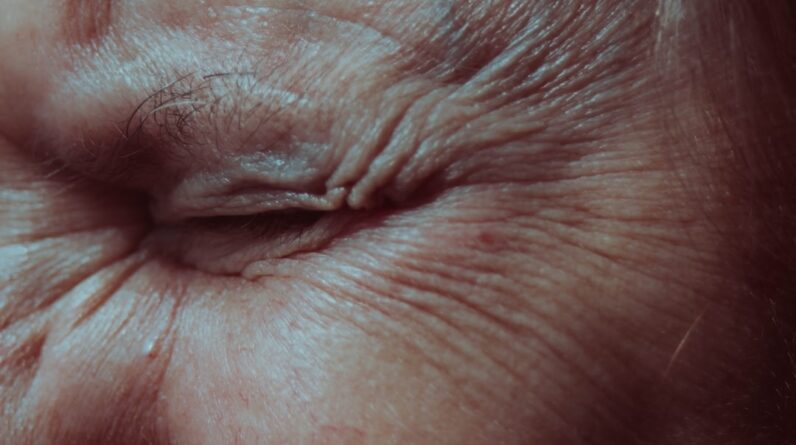
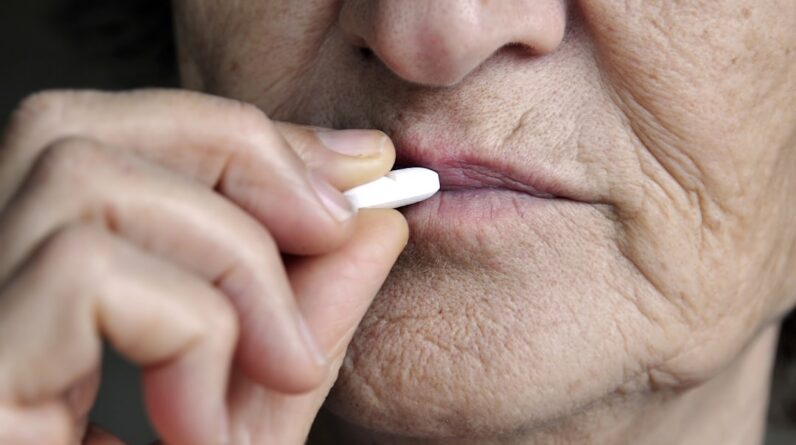
As you navigate the years, your face tells a story, a tapestry woven with experiences, triumphs, and the inevitable passage of time. You’ve earned every line, every subtle shift in the landscape of your skin. For men, the aging process often manifests in distinct ways, and understanding these changes is the first step in approaching them with knowledge and perhaps, a touch of strategic intervention. Collagen, a foundational protein within your body, plays a starring role in this narrative of aging.
Collagen is the structural scaffolding of your skin, the silent architect that provides firmness, elasticity, and a youthful plumpness. Think of it as the tensile strength in a well-made sail, allowing it to hold its shape against the winds of time. It’s the primary building block of connective tissues, present not only in skin but also in bones, tendons, and ligaments. In your younger years, your body is a prolific manufacturer of this vital protein, constantly replenishing and repairing. However, as the calendar pages turn, this production naturally begins to wane. From your mid-20s onwards, collagen synthesis starts a slow but steady decline, a process that accelerates with age. This reduced availability of collagen leads to a cascade of visible changes on your face.
The Biological Decline of Collagen
- Enzymatic Degradation: Over time, enzymes within your skin, known as matrix metalloproteinases (MMPs), become more active. These enzymes are a natural part of tissue remodeling, but their increased activity can break down existing collagen. Imagine these MMPs as tiny chisels, gradually eroding the structure.
- Reduced Synthesis: The fibroblasts, the cells responsible for producing collagen, become less efficient with age. Their output diminishes, and the quality of the collagen they produce can also change, becoming more brittle and less organized. This is akin to a construction crew slowing down their building efforts and using less robust materials.
- Glycation: A process where sugar molecules attach to collagen fibers, forming advanced glycation end-products (AGEs). These AGEs make collagen stiff and brittle, hindering its ability to repair and regenerate. Think of it as rust forming on your structural beams, compromising their integrity.
- Environmental Factors: External aggressors such as UV radiation from the sun, pollution, and even chronic stress act as accelerators for collagen degradation. These environmental stressors are like relentless storms battering your sail, causing tears and weakening the fabric.
Visible Manifestations on the Male Face
As collagen diminishes, the structural integrity of your skin weakens. This translates to several observable changes:
- Loss of Elasticity and Firmness: Your skin begins to lose its ability to snap back into place. Wrinkles and fine lines, once fleeting expressions, become more permanent fixtures. Jowls may start to sag, and the jawline, once sharp, may appear softer. This is the sail losing its tautness, becoming slack and prone to creasing.
- Thinner Skin: Theepidermis and dermis, the layers of your skin, can become thinner. This makes the underlying blood vessels more visible, potentially contributing to a more ruddy complexion or a less vibrant appearance. The canvas of your skin becomes thinner, revealing more of the underlying structure.
- Increased Wrinkling: The loss of collagen means less padding and support for your skin. Folds and creases, particularly around the eyes (crow’s feet), forehead, and mouth (nasolabial folds and marionette lines), become more pronounced.
- Dehydration: Collagen plays a role in retaining moisture. With less collagen, your skin may struggle to hold onto hydration, leading to a drier, duller appearance and accentuating existing lines.
The Rationale Behind Collagen Supplements
Given the natural decline of collagen production and its crucial role in maintaining youthful skin, the concept of collagen supplementation emerges. The premise is straightforward: if your body’s internal supply is dwindling, can externally introduced collagen help replenish it and bolster your skin’s structural defenses? This isn’t about magically erasing time, but rather about providing your body with the necessary building blocks to address the visible effects of aging. It’s akin to a gardener understanding that a certain plant needs more fertilizer in its later stages to maintain its bloom.
The Science of Supplementation
The efficacy of collagen supplements is rooted in the concept of providing “collagen peptides.” These are smaller, hydrolyzed fragments of collagen proteins, which are believed to be more easily absorbed and utilized by the body. When you consume collagen peptides, they are broken down into amino acids during digestion. These amino acids then circulate in your bloodstream and can be delivered to various tissues, including your skin.
- Bioavailability: The key question is how effectively these peptides can be absorbed and then signal to your cells. Research suggests that a significant portion of ingested collagen peptides can indeed be absorbed and detected in the skin.
- Signaling Pathways: The amino acids derived from collagen, such as glycine, proline, and hydroxyproline, can act as signals to fibroblasts. These signals may stimulate the fibroblasts to increase their own collagen production, synthesize more hyaluronic acid (which helps with moisture retention), and upregulate the production of other essential components like elastin. It’s like sending out a coded message to your construction crew, urging them to ramp up their efforts.
- Direct Contribution: In addition to signaling, some of the ingested peptides might also be directly incorporated into the body’s own collagen matrix, though this is considered a less significant mechanism compared to the signaling effect.
Types of Collagen Supplements
The market offers a variety of collagen supplement forms, each with its own characteristics:
- Hydrolyzed Collagen (Collagen Peptides): This is the most common form and generally considered the most bioavailable. It’s broken down into smaller molecules, making it easier for your body to absorb. You’ll find this in powders, capsules, and even gummies.
- Undenatured Type II Collagen (UC-II): This form is typically used for joint health and is derived from sources like chicken sternum. Its mechanism of action differs from hydrolyzed collagen, often involving an immune response in the gut that can reduce inflammation. While beneficial for joints, its primary application for facial aging is less
FAQs
What are collagen supplements and how do they work for aging skin?
Collagen supplements typically contain hydrolyzed collagen peptides that are easier for the body to absorb. When ingested, these peptides may stimulate the body’s natural collagen production, helping to improve skin elasticity, hydration, and reduce the appearance of wrinkles associated with aging.
Are collagen supplements effective specifically for men’s aging facial skin?
Yes, collagen supplements can be effective for men as well as women. Men’s skin also experiences collagen loss with age, leading to wrinkles and sagging. Supplementing with collagen may help improve skin firmness and reduce signs of aging, although individual results can vary.
What types of collagen are best for facial skin health?
Type I and Type III collagen are most abundant in the skin and are commonly found in collagen supplements aimed at improving skin health. These types support skin structure and elasticity, making them beneficial for addressing aging facial skin.
How long does it take to see results from collagen supplements?
Most studies suggest that consistent use of collagen supplements for at least 8 to 12 weeks is needed to observe noticeable improvements in skin texture, hydration, and elasticity. Results may vary depending on dosage, supplement quality, and individual factors.
Are there any side effects or risks associated with collagen supplements?
Collagen supplements are generally considered safe for most people. However, some individuals may experience mild side effects such as digestive discomfort or allergic reactions, especially if they have allergies to the source of collagen (e.g., fish or bovine). It is advisable to consult a healthcare provider before starting any new supplement.