Understanding Collagen and Its Role in Skin Aging
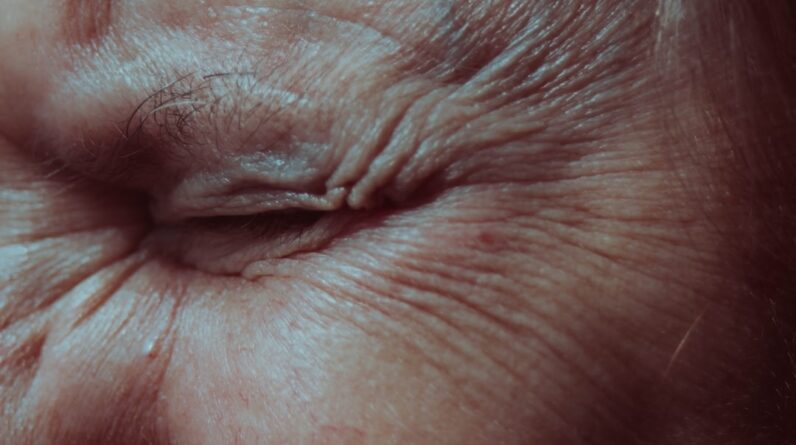
You’ve likely heard the buzz about collagen peptides and their potential to combat the signs of aging, especially as you navigate your fifth decade and beyond. As you reflect on your skin’s journey, you might notice changes that were less apparent in your younger years. This is where understanding collagen, the most abundant protein in your body, becomes crucial. Think of collagen as the scaffolding that supports your skin, providing its structure, firmness, and elasticity. It’s the very foundation that keeps your complexion looking smooth and youthful.
The Natural Decline of Collagen: An Inevitable Process
As you age, the natural production of collagen in your body begins to slow down. This isn’t a sudden event, but rather a gradual tapering off. Starting in your mid-20s, your body produces about 1% less collagen each year. By the time you reach your 50s, the cumulative effect of this decline is often visible on your skin. This reduction in collagen is akin to a well-maintained building slowly having its support beams weaken over time. The structural integrity begins to falter, leading to the characteristic changes associated with aging skin.
Factors Influencing Collagen Loss
While chronological aging is the primary driver, other lifestyle and environmental factors can accelerate this process.
Intrinsic Aging (Genetics and Chronology)
Your genetic blueprint dictates a certain rate of collagen synthesis and breakdown. This internal clock ticks steadily, leading to a natural decrease in collagen over time, regardless of external influences.
Extrinsic Aging (Environmental and Lifestyle Factors)
These are the external forces that interact with your skin and can expedite collagen degradation. Understanding these factors can empower you with strategies to mitigate their impact.
- Sun Exposure (Photoaging): Ultraviolet (UV) radiation from the sun is a formidable enemy of collagen. It triggers the production of enzymes called matrix metalloproteinases (MMPs), which break down collagen. This damage is cumulative, meaning the more sun exposure you’ve had over the years, the more significant the impact on your collagen. Think of UV rays as tiny hammers chipping away at your skin’s scaffolding.
- Smoking: The chemicals in cigarette smoke not only damage existing collagen but also interfere with its production. Nicotine constricts blood vessels, reducing the supply of oxygen and nutrients to the skin, further hindering collagen repair and synthesis. Smoking essentially poisons the building materials before they can even be used.
- Poor Nutrition: A diet lacking essential nutrients, particularly proteins, vitamins (like C and E), and minerals (like zinc and copper), can compromise your body’s ability to produce and repair collagen. These nutrients are the essential building blocks and tools required for efficient construction.
- Pollution: Environmental pollutants can generate free radicals, unstable molecules that damage cells, including collagen fibers. This constant barrage of oxidative stress weakens the skin’s structure.
- Stress: Chronic stress can lead to elevated levels of cortisol, a hormone that has been shown to break down collagen. Persistent stress essentially encourages the demolition crew to work overtime.
What Are Collagen Peptides and How Do They Work?
Collagen peptides, also known as hydrolyzed collagen, are essentially broken-down pieces of collagen protein. Natural collagen molecules are large and complex, making
FAQs
What are collagen peptides and how do they benefit aging skin?
Collagen peptides are small chains of amino acids derived from collagen, a protein that provides structure and elasticity to the skin. As we age, natural collagen production decreases, leading to wrinkles and sagging skin. Supplementing with collagen peptides can help improve skin hydration, elasticity, and reduce the appearance of fine lines.
Are collagen peptides effective for people over 50?
Yes, collagen peptides can be particularly beneficial for individuals over 50, as collagen synthesis significantly declines with age. Studies suggest that regular intake of collagen peptides may support skin firmness and reduce signs of aging in this age group.
How should collagen peptides be taken for best results?
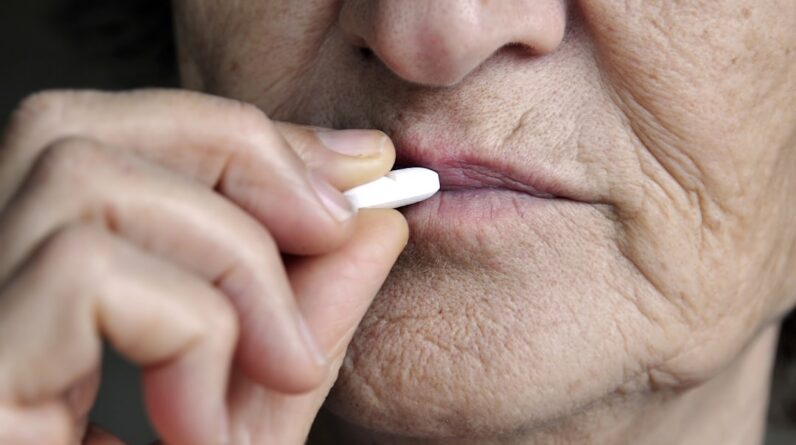
Collagen peptides are typically consumed as powders, capsules, or incorporated into foods and beverages. For optimal absorption, it is recommended to take them daily, often alongside vitamin C, which aids collagen synthesis. Consistency over several weeks or months is important to see noticeable improvements.
Are there any side effects or risks associated with collagen peptide supplements?
Collagen peptides are generally considered safe for most people when taken as directed. However, individuals with allergies to the source of collagen (such as fish, bovine, or porcine) should exercise caution. It is advisable to consult a healthcare professional before starting any new supplement.
Can collagen peptides replace other skincare treatments for aging skin?
While collagen peptides can support skin health from within, they are not a complete replacement for topical skincare treatments or medical procedures. A comprehensive approach including sun protection, moisturizers, and possibly dermatological treatments is recommended for optimal skin aging management.