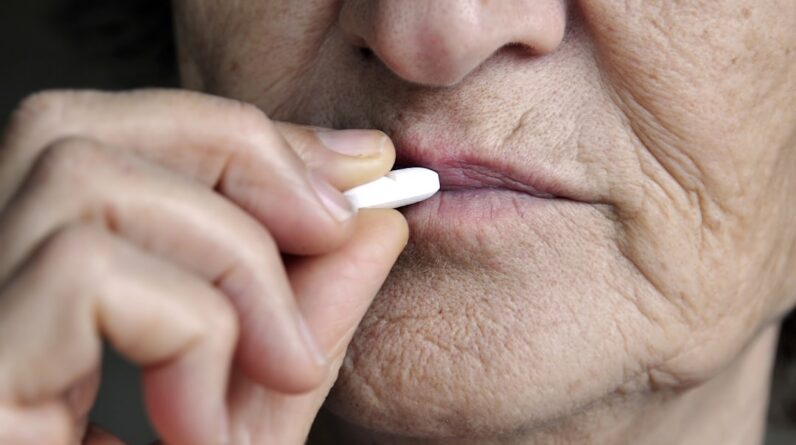
You’re entering a new chapter of life, a time of reflection and perhaps, a keen observation of how your skin has evolved. Over the age of fifty, it’s common to notice changes like diminished elasticity and the appearance of fine lines and wrinkles. You might be exploring options to address these visible signs of aging, and collagen supplements often emerge as a popular consideration.
Your skin is a complex organ, a protective shield that also plays a significant role in your appearance. At its core, this structure is supported by a framework of proteins. Among these, collagen stands out as the most abundant protein in your body, a true architect responsible for providing your skin with its firmness, elasticity, and youthful resilience. Think of collagen as the scaffolding beneath the plaster of your home; without it, the plaster would sag and crack.
The Role of Collagen in Youthful Skin
During your younger years, your body is a highly efficient collagen factory. It constantly produces new collagen to replace older, worn-out fibers. This continuous replenishment is what contributes to the smooth, plump, and supple texture of youthful skin. Collagen molecules are long, fibrous chains that intertwine, creating a strong and flexible network. This network acts like a spring, allowing your skin to stretch and recoil, resisting the forces of gravity and facial expressions without leaving permanent marks.
The Natural Decline of Collagen Production
As you age, particularly after your mid-twenties, this internal collagen production begins a gradual, yet undeniable, decline. This is not a sudden collapse, but rather a slow tapering off, much like a well-oiled machine gradually losing some of its initial power. By the time you reach your fifties, your body’s ability to produce new collagen is significantly reduced compared to its peak. Moreover, the collagen that is present may become more fragmented and less organized. This depletion and degradation are primary contributors to the visible signs of aging, such as sagging skin, the deepening of wrinkles, and a loss of overall firmness.
Factors Accelerating Collagen Loss
While chronological aging is a primary driver of collagen decline, several external factors can accelerate this process, making the effects more pronounced. Understanding these can help you make informed lifestyle choices.
Environmental Stressors
- Ultraviolet (UV) Radiation: Exposure to the sun’s ultraviolet rays is a major culprit in collagen degradation. UV radiation breaks down existing collagen fibers and impairs the skin’s ability to produce new collagen. This process, often referred to as photoaging, can lead to premature wrinkles, leathery skin texture, and age spots. Think of prolonged sun exposure as a relentless sunbeam constantly chipping away at your skin’s structural integrity.
- Pollution: Environmental pollutants, such as those found in smog and cigarette smoke, can also generate free radicals. These unstable molecules can damage skin cells and collagen.
Lifestyle Choices
- Smoking: The act of smoking introduces a cocktail of toxins into your body, many of which negatively impact collagen. Nicotine constricts blood vessels, reducing blood flow and the delivery of oxygen and nutrients to the skin. The chemicals in cigarette smoke also directly damage collagen and elastin fibers.
- Poor Diet: A diet lacking in essential nutrients, antioxidants, and protein can hinder your body’s collagen production and repair processes. While not directly a cause of collagen loss, an inadequate nutritional foundation can exacerbate the effects of aging.
- Chronic Stress: Prolonged periods of stress can lead to elevated levels of cortisol, a hormone that has been shown to break down collagen.
Collagen Supplements: What to Expect and How They Work
When you consider collagen supplements, you’re essentially looking at a way to potentially introduce exogenous collagen into your body. These supplements typically contain hydrolyzed collagen, also known as collagen peptides. Hydrolyzed collagen has been broken down into smaller, more easily absorbable units. The theory is that by providing your body with these building blocks, you can support its natural collagen synthesis processes.
The Mechanism of Hydrolyzed Collagen
Once you ingest hydrolyzed collagen, it is digested in your gastrointestinal tract and broken down into amino acids and small peptides. These peptides are then absorbed into your bloodstream. From there, they can be transported to various tissues, including your skin. The body then uses these amino acids and peptides as raw materials to stimulate its own collagen production. Think of it as supplying a construction site with ready-to-use bricks, rather than expecting the site to quarry and shape its own.
Types of Collagen in Supplements
Collagen supplements often contain collagen derived from various sources, each offering a different profile of amino acids and potentially interacting with your body in nuanced ways. The most common types include:
- Type I Collagen: This is the most abundant type of collagen in your skin, bones, tendons, and ligaments. It’s known for its tensile strength and is considered crucial for skin elasticity and firmness. Supplements derived from marine sources (fish) and bovine sources often contain significant amounts of Type I collagen.
- Type II Collagen: This type is predominantly found in cartilage, the connective tissue that cushions your joints. It’s often associated with joint health. Chicken sternum is a common source of Type II collagen for supplements.
- Type III Collagen: This type is found alongside Type I collagen in skin, muscles, blood vessels, and organs. It plays a role in the structure and elasticity of these tissues.
- Types V and X Collagen: These are present in smaller amounts and are involved in cell growth and differentiation.
Many supplements will focus on Type I and Type III collagen, as these are most relevant to skin health.
The Scientific Evidence: A Balanced Perspective
The conversation around collagen supplements is often enthusiastic, but it’s crucial to approach it with a factual and evidence-based mindset. Research into the efficacy of collagen supplements for skin health is ongoing, and while some studies show promising results, it’s important to understand their limitations.
- Positive Findings: Several randomized, placebo-controlled trials have investigated the effects of oral collagen peptide supplementation on skin properties, including hydration, elasticity, and wrinkle reduction. Some of these studies have reported statistically significant improvements in these parameters compared to placebo groups. Participants in these studies often report feeling an improvement in skin texture and a reduction in the appearance of fine lines. For example, a study might show that subjects taking collagen supplements experienced a measurable increase in skin elasticity and a decrease in wrinkle depth over a period of several weeks to months.
- Methodological Considerations: It’s important to note that study designs can vary. Factors such as the dosage of collagen, the duration of supplementation, the type of collagen used, and the age and health status of the participants can all influence the outcomes. Smaller studies may show positive effects that are not replicated in larger, more robust trials. Furthermore, it’s essential to distinguish between self-reported improvements and objective measurements.
- No Magic Bullet: While research is encouraging, it’s essential to temper expectations. Collagen supplements are not a substitute for a healthy lifestyle or medical treatments for significant skin concerns. They are more accurately viewed as a supportive measure that may contribute to your skin’s overall health and appearance. Think of them as adding a bit extra fertilizer to a garden that already has good soil; they can help, but they won’t miraculously transform a barren patch into a thriving oasis overnight.
Considerations When Choosing a Collagen Supplement
If you decide to explore collagen supplements, making an informed choice from the vast array of products available requires careful consideration. Not all supplements are created equal, and understanding what to look for can help you select a product that aligns with your goals and preferences.
Purity and Quality of Ingredients
The effectiveness of a collagen supplement is intrinsically linked to the quality of its source material. You want to ensure that the collagen is derived from reputable sources and processed under stringent conditions to maintain its integrity and minimize contamination.
- Source of Collagen: Common sources include bovine (cows), marine (fish), porcine (pigs), and chicken. Bovine and marine collagen are often favored for skin health due to their high concentrations of Type I and Type III collagen.
- Bovine Collagen: Sourced from the hides and bones of cattle, typically rich in Type I and III collagen, which are prevalent in skin.
- Marine Collagen: Derived from fish skin and scales. It is generally considered highly bioavailable and often rich in Type I collagen, which is abundant in skin. Some individuals may prefer marine collagen due to dietary restrictions or personal preference.
- Porcine Collagen: Sourced from pigs. While effective, it is less commonly found in commercially available skin-focused supplements compared to bovine or marine.
- Chicken Collagen: Primarily rich in Type II collagen, which is more associated with joint health. It may contain some Type I and III
FAQs
What are collagen supplements and how do they work for sagging skin?
Collagen supplements typically contain hydrolyzed collagen peptides that are easier for the body to absorb. When ingested, these peptides may stimulate the body’s natural collagen production, potentially improving skin elasticity and reducing sagging over time.
Are collagen supplements effective for people over 50?
Collagen production naturally declines with age, especially after 50, which can contribute to sagging skin. Some studies suggest that collagen supplements can help improve skin hydration, elasticity, and firmness in older adults, but results can vary depending on individual factors.
What types of collagen are best for improving sagging skin?
Type I and Type III collagen are most commonly associated with skin health. Many collagen supplements for skin contain these types, often derived from bovine or marine sources, as they are believed to support skin structure and reduce signs of aging.
Are there any side effects or risks associated with collagen supplements?
Collagen supplements are generally considered safe for most people. However, some individuals may experience mild digestive discomfort or allergic reactions, especially if they have allergies to the source of collagen (e.g., fish or bovine). It is advisable to consult a healthcare provider before starting supplementation.
Can collagen supplements replace other skin care practices for sagging skin?
While collagen supplements may support skin health, they should not replace other skin care practices such as using sunscreen, moisturizing, maintaining a healthy diet, and avoiding smoking. A comprehensive approach is recommended for managing sagging skin effectively.