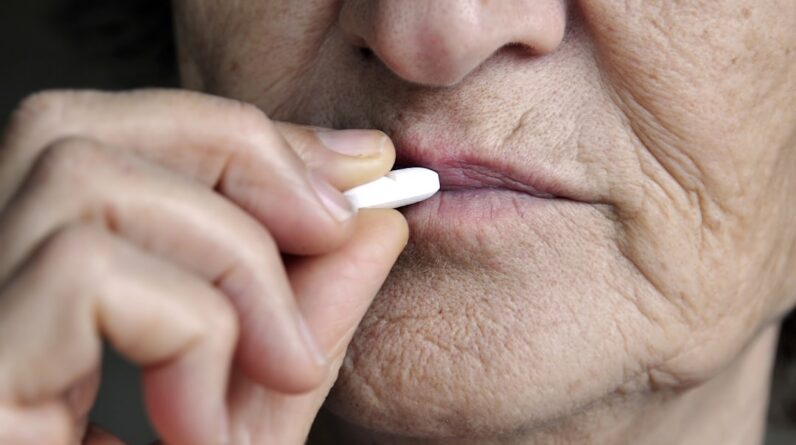
You’re likely here because you’ve encountered the pervasive hum of collagen’s supposed benefits. The beauty industry trumpets its power to turn back the clock, promising skin that’s plumper, smoother, and more radiant. But as a discerning individual, you crave substance beyond the marketing gloss. You want to know what actual medical professionals, those who navigate the complexities of the human body daily, consider reliable when recommending collagen supplements for skin health. This investigative journey aims to equip you with that knowledge, cutting through the noise to reveal what the scientific literature and trusted medical opinions suggest.
Before delving into supplements, it’s crucial to grasp precisely what collagen is and why it matters so profoundly to the canvas of your skin. Think of collagen not as a singular entity, but as the master architect of your body’s connective tissues. It’s a structural protein, the most abundant protein in mammals, and its presence forms the very scaffolding that holds everything together. In your skin, collagen is the underlying framework, like the steel rebar within a concrete structure, providing its strength, elasticity, and resilience.
The Ageing Cascade: How Collagen Declines
As the years accumulate, a natural and unavoidable process unfolds: collagen synthesis slows down, and existing collagen begins to degrade. This isn’t a sudden collapse but a gradual attenuation, a slow dimming of the lights. Your body’s ability to efficiently produce new collagen diminishes, and factors like sun exposure (UV radiation), smoking, excessive sugar intake, and even stress can accelerate this breakdown. This decline is the primary culprit behind visible signs of ageing, as the once-firm scaffolding begins to sag and weaken.
The Molecular Mechanics of Breakdown
At the cellular level, specific enzymes, known as matrix metalloproteinases (MMPs), are responsible for breaking down old or damaged collagen. While this is a normal physiological process for tissue remodelling, an overabundance of MMPs or a reduced capacity for collagen synthesis leads to a net loss. Imagine a construction crew where fewer workers are building new walls, while demolition crews are working at an accelerated pace – the structure inevitably weakens.
Environmental Aggravators: Skin’s External Threats
Your skin is the outermost barrier, constantly exposed to external aggressors. Ultraviolet (UV) radiation from the sun is a particularly potent enemy of collagen. It directly damages collagen fibers, causing them to become stiff and brittle, a process often referred to as photodamage. This is why those who have spent significant time in the sun without protection often exhibit premature wrinkles and leathery skin. Similarly, pollutants in the air can also contribute to oxidative stress, further damaging collagen.
Beyond the Wrinkle: Collagen’s Multifaceted Impact
While most people associate collagen loss with wrinkles, its decline impacts skin in numerous ways. The youthful plumpness you once enjoyed is largely due to healthy collagen and hyaluronic acid levels, which work in tandem to retain moisture. As collagen diminishes, the skin loses its ability to hold onto water, leading to dryness and a less hydrated appearance. Furthermore, the intricate network of collagen fibers contributes to skin’s firmness and elasticity. When this network weakens, skin can lose its tautness, leading to sagging and a less defined facial contour.
Elasticity and Resilience: The Spring in Your Step
Think of healthy skin as a well-maintained trampoline. It can be stretched and compressed, but it quickly snaps back to its original shape. This elasticity is a hallmark of young skin, and it’s largely attributed to the presence of elastin fibers, in conjunction with collagen. As collagen levels drop, the skin’s ability
FAQs
What are collagen supplements and how do they benefit the skin?
Collagen supplements are products containing collagen peptides or hydrolyzed collagen, which are intended to support the body’s natural collagen production. They help improve skin elasticity, hydration, and reduce the appearance of wrinkles by providing the amino acids necessary for skin repair and regeneration.
Are collagen supplements safe to use?
Yes, collagen supplements are generally considered safe for most people when taken as directed. They are made from natural sources such as bovine, marine, or porcine collagen. However, individuals with allergies to these sources or specific medical conditions should consult a healthcare professional before use.
How long does it take to see results from collagen supplements?
Results from collagen supplements typically take several weeks to a few months to become noticeable. Most studies suggest that consistent use for at least 8 to 12 weeks is necessary to observe improvements in skin texture, hydration, and elasticity.
Do doctors recommend collagen supplements for skin health?
Many dermatologists and healthcare providers recommend collagen supplements as part of a comprehensive skin care regimen, especially for aging skin. They often suggest combining supplements with a healthy diet, sun protection, and topical skincare products for optimal results.
Can collagen supplements replace topical skincare products?
Collagen supplements complement but do not replace topical skincare products. While supplements work from within to support skin structure, topical products like moisturizers and sunscreens protect and nourish the skin externally. Using both approaches together provides the best overall skin health benefits.