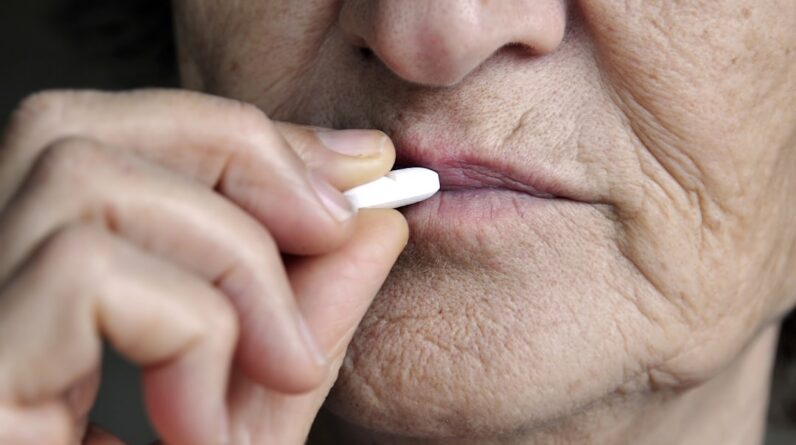
You’re likely past the milestone of fifty, a time of life that brings a wealth of experience and a certain wisdom. Your body, however, may be starting to show the passage of time in ways that are both visible and felt. One area of increasing interest for many individuals over fifty is the role of collagen supplements in their pursuit of anti-aging strategies. This article aims to demystify collagen, its decline with age, and how supplements might fit into your wellness routine, presenting factual information to help you make informed decisions.
Collagen is not just a buzzword; it’s a fundamental protein that acts as the primary structural component of your connective tissues. Think of it as the mortar that holds the bricks of your body together. It provides strength, elasticity, and resilience to a wide array of tissues, including your skin, bones, muscles, tendons, and ligaments.
The Three Pillars of Collagen Production: A Biological Overview
Your body is a remarkable factory, and collagen production is one of its key manufacturing processes. This process is supported by several crucial elements:
Amino Acid Building Blocks: The Raw Materials
Collagen is primarily composed of three amino acids: glycine, proline, and hydroxyproline. These are the foundational ingredients that your body uses to construct collagen fibers. Glycine, the simplest amino acid, is the most abundant in collagen. Proline, which is converted into hydroxyproline, is also critical for collagen’s triple-helix structure. Your diet plays a vital role in supplying these building blocks. Foods rich in protein, such as meat, poultry, fish, eggs, and dairy, are good sources. However, specific dietary patterns can influence the availability of these key amino acids.
Vitamin C: The Essential Catalyst
Vitamin C, also known as ascorbic acid, is an indispensable cofactor in the synthesis of collagen. Without sufficient vitamin C, your body struggles to properly assemble and stabilize collagen molecules. It acts like a crucial foreman on the construction site, ensuring that the building blocks are correctly linked and the structure is sound. This is why a deficiency in vitamin C can lead to impaired collagen formation, as observed in scurvy. You can obtain vitamin C from various fruits and vegetables, including citrus fruits, berries, bell peppers, and leafy greens.
Minerals: The Supporting Framework
Certain minerals also play supporting roles in collagen metabolism and function. Zinc, for instance, is involved in protein synthesis, which includes collagen. Copper is another important mineral, as it is a cofactor for lysyl oxidase, an enzyme essential for cross-linking collagen fibers, thereby increasing their strength and stability. Ensuring a balanced intake of these minerals through a diverse diet is beneficial.
The Different Types of Collagen: A Family of Proteins
You might be surprised to learn that there isn’t just one type of collagen. In fact, scientists have identified at least 28 different types, each with unique structures and functions. However, for the purposes of understanding its role in the body and potential supplementation, a few types are particularly significant.
Type I Collagen: The Dominant Player
This is the most abundant type of collagen in the human body, making up about 90% of your total collagen. It is found in your skin, bones, tendons, ligaments, teeth, and cicatrices. Imagine Type I collagen as the sturdy foundation and main load-bearing walls of your body’s structure. Its dense, fibrous nature provides tensile strength, allowing your skin to withstand stretching and your bones to support your weight.
Type II Collagen: The Cartilage Champion
Type II collagen is the primary collagen of cartilage, the flexible connective tissue that cushions your joints. Think of it as the shock absorbers within your skeletal system. This type of collagen is crucial for smooth joint movement and preventing bone from grinding against bone. Its unique structure allows cartilage to resist compression.
Type III Collagen: The Early Architect
Type III collagen is often found alongside Type I collagen in your skin, muscles, and blood vessels. It’s particularly important in the early stages of wound healing and is abundant in developing organs. You can visualize Type III collagen as the scaffolding that is put up during the initial construction phase, providing a framework for other materials to be added.
The Aging Process and Collagen Decline: Nature’s Slow Unraveling
As you navigate through life, your body’s ability to produce and maintain collagen undergoes a natural, gradual decline. This is an inevitable aspect of aging, but understanding it can empower you to address its effects.
The Gradual Reduction in Collagen Synthesis: A Slowing Production Line
From your mid-20s onwards, your body’s natural collagen production begins to slow down. This isn’t a sudden halt, but rather a reduction in the efficiency of your internal collagen factories. Think of it as your production line gradually reducing its output, producing fewer bricks and mortar for your body’s structure. This gradual decrease means that the rate at which you lose collagen begins to outpace the rate at which you create it.
Age-Related Factors Influencing Production
Several factors contribute to this age-related decline in collagen synthesis. Cellular senescence, where cells stop dividing and enter a state of arrested growth, can reduce the number of cells actively producing collagen. Telomere shortening, a process related to cellular aging, also plays a role. Furthermore, hormonal changes that occur with age, particularly the decrease in estrogen levels in women, can significantly impact collagen density and quality.
External Factors Accelerating Collagen Degradation: The Wear and Tear
Beyond the natural aging process, external environmental factors can significantly accelerate the breakdown of existing collagen. These are like environmental forces that batter and erode your body’s structural integrity.
Photoaging: The Sun’s Unwanted Contribution
Exposure to ultraviolet (UV) radiation from the sun is a major culprit in accelerating collagen degradation. UV rays penetrate the skin and damage collagen fibers directly, disrupting their structure and promoting the production of enzymes that break down collagen. This leads to premature wrinkles, loss of skin elasticity, and a leathery texture. It’s like the sun
FAQs
What are collagen supplements and how do they work for anti-aging?
Collagen supplements typically contain hydrolyzed collagen peptides that are easier for the body to absorb. When ingested, these peptides stimulate the body’s natural collagen production, which can help improve skin elasticity, hydration, and reduce wrinkles, contributing to anti-aging effects.
Are collagen supplements effective for people over 50?
Yes, collagen production naturally declines with age, especially after 50. Supplementing with collagen can help replenish the body’s collagen levels, potentially improving skin texture, joint health, and overall appearance. However, results may vary depending on individual factors and supplement quality.
What types of collagen are best for anti-aging benefits?
Type I and Type III collagen are most commonly associated with skin health and anti-aging benefits. Many collagen supplements for anti-aging contain these types, often derived from bovine or marine sources, to support skin elasticity and hydration.
How long does it take to see results from collagen supplements?
Most studies suggest that consistent collagen supplementation may show visible improvements in skin elasticity and hydration within 4 to 12 weeks. However, individual responses can vary based on dosage, supplement quality, and lifestyle factors.
Are there any side effects or risks associated with collagen supplements?
Collagen supplements are generally considered safe for most people. Some individuals may experience mild digestive discomfort or allergic reactions, especially if they have allergies to the source of collagen (e.g., fish or bovine). It is advisable to consult a healthcare professional before starting any new supplement regimen.