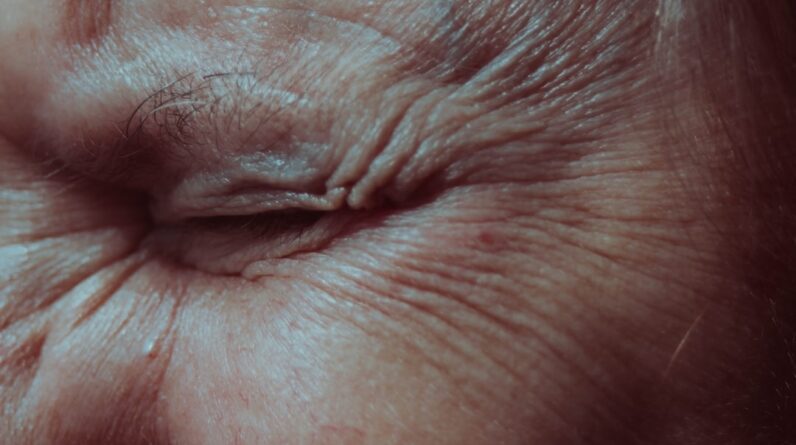
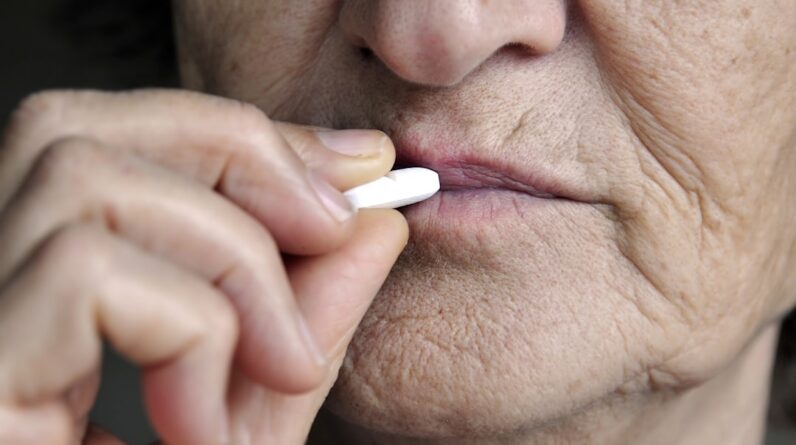
You’re likely starting to notice the subtle shifts in your skin. Perhaps that once-firm apple has developed a few gentle wrinkles, or the supple elasticity feels like it’s beginning to stretch beyond its prime. This is a natural part of the aging process, a testament to the years you’ve lived. As your body progresses into a new chapter, your skin, too, undergoes transformations, and Understanding how it changes can empower you to make informed choices about its care.
The Biological Blueprint of Aging Skin
Your skin is a complex, living organ, functioning as your body’s primary shield against the external world. At its core, a vital structural protein called collagen is the architect of your skin’s youthful appearance. Think of collagen as the scaffolding of a building, providing its strength, resilience, and plumpness. This protein is synthesized by specialized cells called fibroblasts, and its presence is abundant in younger skin, contributing to a smooth, firm, and hydrated complexion.
Demystifying Collagen: The Foundation of Youthful Skin
Collagen is not a monolithic entity; it’s a family of proteins, with Type I and Type III collagen being the most prevalent in your skin. Type I collagen is the workhorse, forming the dense fibrous network that lends your skin its tensile strength. Type III collagen, often found alongside Type I, contributes to the skin’s elasticity and its ability to stretch and recoil. Together, they create a robust and flexible matrix that supports your epidermal layers.
The Ticking Clock: Collagen Degradation and Reduced Production
As you age, a confluence of internal and external factors begins to chip away at your skin’s collagen reserves. This process isn’t a sudden collapse, but rather a gradual erosion. Over time, your fibroblasts become less efficient at producing new collagen, and the existing collagen fibers begin to break down at an accelerated rate. This decline in collagen is a primary driver behind the hallmarks of aging skin.
External Aggressors: The Silent Saboteurs of Collagen
While intrinsic aging, dictated by your genetic clock, is a significant factor, extrinsic environmental factors play a crucial role in accelerating collagen degradation. These external aggressors act like relentless waves crashing against the shore of your skin’s integrity, relentlessly wearing it down.
The Sun’s Harsh Kiss: Photoaging and Its Consequences
Perhaps the most potent external enemy of collagen is ultraviolet (UV) radiation from the sun. When UV rays penetrate your skin, they trigger a cascade of damaging reactions. Think of it like leaving a delicate piece of fabric out in direct sunlight for an extended period; the colors fade, and the fibers weaken. UV radiation initiates the production of enzymes called matrix metalloproteinases (MMPs), which are essentially collagen-degrading machines.
Understanding UV Radiation’s Impact on Collagen Fibers
The cumulative effect of sun exposure over years—collectively known as photoaging—manifests in various ways. You might observe an increase in fine lines and wrinkles, a loss of skin firmness, and the development of uneven pigmentation, such as sunspots. These visible signs are a direct consequence of the structural damage inflicted by UV radiation on your collagen matrix.
The Smoking Gun: How Smoking Undermines Collagen Synthesis
The act of smoking is another formidable adversary to healthy, youthful skin. Beyond the well-documented risks to your respiratory and cardiovascular systems, smoking wields a significant detrimental effect on collagen. The chemicals within cigarette smoke constrict blood vessels, reducing the flow of oxygen and vital nutrients to your skin cells. This diminished supply line hampers the fibroblasts’ ability to produce collagen and repair existing damage.
Nicotine’s Vicious Cycle: Impaired Circulation and Collagen Repair
Furthermore, smoking exposes your skin to free radicals, unstable molecules that can damage cellular structures, including collagen. This creates a vicious cycle where impaired circulation and oxidative stress combine to accelerate the breakdown and inhibit the formation of new collagen. The result is often a prematurely aged complexion with a loss of elasticity and a duller skin tone.
The Rise of Doctor-Recommended Collagen Supplements
In response to the growing understanding of collagen’s role in skin aging, a segment of the healthcare community has begun to recommend collagen supplements. These supplements are designed to provide your body with the building blocks it needs to support collagen synthesis and potentially mitigate some of the visible signs of aging. The “doctor-recommended” designation signifies that these products have been reviewed and endorsed by healthcare professionals who assess their potential benefits based on available scientific evidence.
Decoding Collagen Peptides: The Bioavailability Advantage
Not all collagen is created equal when it comes to supplementation. The most commonly recommended forms are hydrolyzed collagen, also known as collagen peptides. This process breaks down larger collagen molecules into smaller, more easily digestible peptides. Think of it like pre-digesting a complex meal; your body can absorb and utilize these smaller fragments more efficiently.
The Science Behind Hydrolyzed Collagen Absorption
When you consume collagen peptides, they are absorbed into your bloodstream and then transported to various tissues, including your skin. Here, they are believed to stimulate fibroblasts to produce more collagen and other vital connective tissue components, such as elastin and hyaluronic acid. This targeted approach aims to replenish your body’s declining collagen levels from within.
Types of Collagen Supplements: A Spectrum of Options
The market for collagen supplements is diverse, with various sources and formulations available. The most popular types are derived from bovine (cow), marine (fish), and avian (chicken) sources. Each source offers a slightly different peptide profile, though the primary types of collagen found in skin (Type I and III) are generally well-represented across these options.
Bovine Collagen: A Widely Available Choice
Bovine collagen is a common and accessible source, often rich in Type I and III collagen, which are crucial for skin structure and elasticity. It is typically derived from the hides and bones of cattle.
Marine Collagen: A Popular Option for Skin Health
Marine collagen, usually sourced from fish skin and scales, is also a popular choice, particularly for its perceived benefits for skin health. It is often rich in Type I collagen and is known for its high bioavailability.
Avian Collagen: Another Alternative
Avian collagen, typically harvested from chicken sternum, is another option. It can provide a good source of Type II collagen, which is more associated with joint health, but also contributes to the overall collagen matrix of the body.
Scientific Evidence and Clinical Studies: Navigating the Data
The recommendation of collagen supplements by doctors is often underpinned by a growing body of scientific research. While the field is continually evolving, numerous clinical studies have investigated the efficacy of oral collagen supplementation for improving skin health. It is crucial to approach this research with a
FAQs
What is collagen and why is it important for aging skin?
Collagen is a protein that provides structure, elasticity, and hydration to the skin. As we age, natural collagen production decreases, leading to wrinkles, sagging, and dryness. Maintaining collagen levels helps keep skin firm and youthful.
How do doctor-recommended collagen supplements work?
Doctor-recommended collagen supplements typically contain hydrolyzed collagen peptides that are easier for the body to absorb. These supplements support the skin’s natural collagen production, improving skin elasticity and reducing signs of aging over time.
Are there different types of collagen beneficial for aging skin?
Yes, types I and III collagen are most beneficial for skin health. Type I collagen makes up the majority of skin structure, while type III supports skin elasticity. Many supplements combine these types to target aging skin effectively.
Can collagen be obtained from dietary sources?
Collagen can be obtained from animal-based foods such as bone broth, chicken skin, and fish. However, dietary collagen is broken down during digestion, so supplements are often recommended for more targeted skin benefits.
Are there any side effects or risks associated with collagen supplements?
Collagen supplements are generally considered safe for most people. However, some individuals may experience mild digestive discomfort or allergic reactions, especially if they have allergies to the source of collagen (e.g., fish or shellfish). It is advisable to consult a healthcare provider before starting any new supplement.