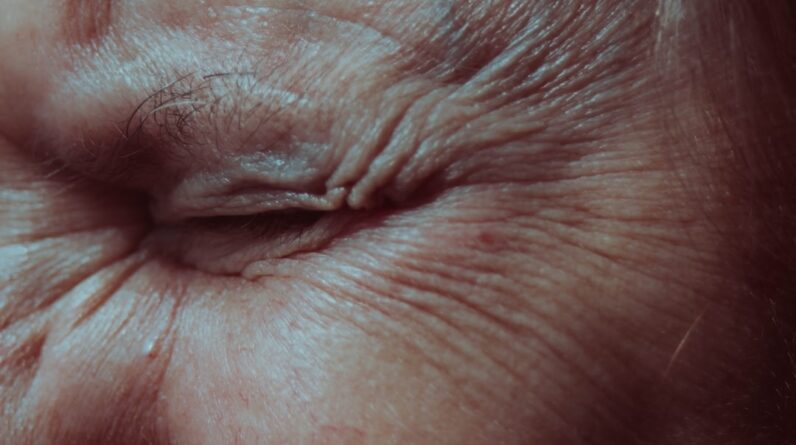
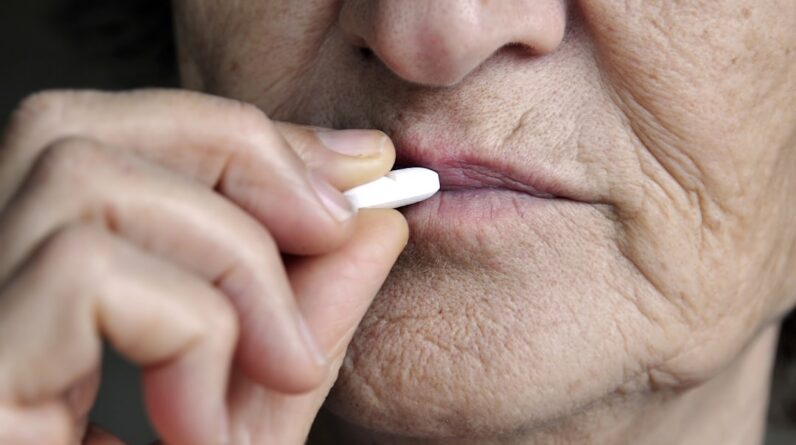
You are likely here because you’ve encountered the term “marine collagen” and are curious about its potential role in enhancing your skin’s hydration. Perhaps you’ve seen it advertised, or a friend has recommended it. Your skin, a complex organ that shields you from the outside world and acts as a canvas for your expressions, is constantly interacting with its environment. One of its most vital functions is maintaining a healthy moisture balance, and this is where the concept of skin hydration comes into play. Dryness can manifest as tightness, dullness, and an increased visibility of fine lines, impacting both your comfort and your appearance.
You might be wondering if the collagen derived from marine sources can truly make a difference. Is it simply another fleeting trend, or is there a scientific basis for its purported benefits? This article aims to provide you with a factual overview of marine collagen and its scientific underpinnings concerning skin hydration. We will explore what marine collagen is, how it is thought to work within your skin, the evidence that supports its use, and considerations you should keep in mind if you decide to incorporate it into your regimen. Think of this as a guide to demystify a popular ingredient, empowering you with knowledge to make informed decisions about your skincare.
Your skin’s surface, the epidermis, is your first line of defense. Its ability to retain water is paramount for maintaining its suppleness, resilience, and overall healthy appearance. Several factors contribute to your skin’s hydration levels.
The Role of the Skin Barrier
Imagine your skin as a meticulously constructed brick wall, where skin cells are the bricks and the lipids between them are the mortar. This lipid barrier, composed primarily of ceramides, cholesterol, and fatty acids, is crucial for preventing transepidermal water loss (TEWL). When this barrier is compromised, water easily escapes into the environment, leaving your skin parched.
Natural Moisturizing Factors (NMFs)
Within the stratum corneum, the outermost layer of your epidermis, are Natural Moisturizing Factors (NMFs). These are water-soluble compounds, including amino acids, lactic acid, and urea, that attract and bind water molecules, effectively keeping your skin hydrated from within. A depletion of NMFs can lead to a feeling of dryness and tightness.
The Impact of Aging on Skin Hydration
As you age, your body’s natural production of crucial components for skin health, including collagen and hyaluronic acid, begins to decline. This reduction can lead to a thinner epidermis, a less robust lipid barrier, and a diminished capacity of your skin to retain moisture. Consequently, you may notice increased dryness, a loss of elasticity, and the deepening of existing wrinkles. This is a natural process, but understanding it helps contextualize the search for external support.
Environmental Factors and Dehydration
Your skin is not isolated; it is in constant dialogue with its surroundings. Environmental factors play a significant role in influencing your skin’s hydration.
Climate
Exposure to dry climates, whether due to arid geography or artificial heating and air conditioning, can strip moisture from your skin. The relative humidity of the air directly impacts the rate at which water evaporates from your skin’s surface. Low humidity environments are a common culprit for increased dryness.
Sun Exposure
While sunlight is essential for Vitamin D synthesis, excessive and unprotected exposure to ultraviolet (UV) radiation can damage your skin’s structure, including collagen and elastin fibers. This damage can impair your skin’s ability to retain water, contributing to dryness and premature aging.
Lifestyle Choices
Your daily habits can also subtly, yet significantly, influence your skin’s hydration.
Diet and Water Intake
The water you consume is not just for bodily functions; it directly contributes to your skin’s internal hydration. Insufficient fluid intake can manifest as dull, dehydrated skin, regardless of your topical skincare efforts. Similarly, a diet lacking in essential fatty acids and antioxidants can hinder your skin’s ability to maintain a healthy barrier.
Skincare Routines
Harsh cleansers that strip natural oils, over-exfoliation, and the use of products with drying alcohols can disrupt your skin’s natural moisture balance. Conversely, a well-formulated skincare routine that replenishes moisture and supports the skin barrier can be highly beneficial.
What is Marine Collagen?
Collagen is the most abundant protein in your body, forming the structural scaffolding of your skin, bones, tendons, and ligaments. It’s like the fine threads that weave the fabric of your tissues together, providing strength and elasticity. When we talk about marine collagen, we are referring to collagen sourced from marine animals, primarily fish.
Types of Collagen
There are numerous types of collagen found in the human body, with Types I, II, and III being the most prevalent.
Type I Collagen
Type I collagen is the most common type and is predominantly found in your skin, tendons, ligaments, and bone. It is known for its tensile strength and plays a significant role in skin elasticity and firmness.
Type II Collagen
Type II collagen is the main component of cartilage, which cushions your joints. It is less directly associated with skin hydration compared to Type I.
Type III Collagen
Type III collagen is often found alongside Type I and is important for the structure of blood vessels and organs.
Extraction and Processing
Marine collagen is typically derived from the skin, bones, and scales of fish. The process involves obtaining the collagen-rich tissues, followed by extraction and purification.
Hydrolysis: Breaking Down the Chains
Collagen, in its native form, is a large molecule that is difficult for your body to absorb efficiently. Through a process called hydrolysis, collagen is broken down into smaller peptide chains. This makes it more bioavailable, meaning it can be more readily absorbed and utilized by your body.
Peptides: Smaller, More Absorbable Units
These smaller chains are known as collagen peptides. The size and specific amino acid sequence of these peptides can influence their absorption and potential biological activity within your body. You might see terms like “hydrolyzed marine collagen” or “marine collagen peptides” on product labels, indicating this processed form.
Differences from Bovine and Porcine Collagen
While collagen can be sourced from animals like cows and pigs
FAQs
What is marine collagen?
Marine collagen is a type of collagen derived from the skin, scales, and bones of fish and other marine life. It is known for its high bioavailability, meaning it is easily absorbed by the body, and is commonly used in supplements and skincare products to support skin health.
How does marine collagen help with skin hydration?
Marine collagen helps improve skin hydration by promoting the production of natural collagen in the skin, which enhances the skin’s ability to retain moisture. This leads to improved skin elasticity, smoother texture, and a more hydrated, youthful appearance.
Is marine collagen more effective than other types of collagen for skin hydration?
Marine collagen is often considered more effective for skin hydration compared to other collagen types because it has smaller peptide molecules, which are more easily absorbed by the body. This can result in faster and more noticeable improvements in skin moisture and elasticity.
Are there any side effects of using marine collagen for skin hydration?
Marine collagen is generally safe for most people when taken as directed. However, individuals with fish or seafood allergies should avoid marine collagen supplements to prevent allergic reactions. It is always recommended to consult with a healthcare professional before starting any new supplement.
How long does it take to see results from marine collagen for skin hydration?
Results from marine collagen supplementation can vary, but many people begin to notice improvements in skin hydration and texture within 4 to 8 weeks of consistent use. Optimal results typically require ongoing supplementation combined with a healthy skincare routine.