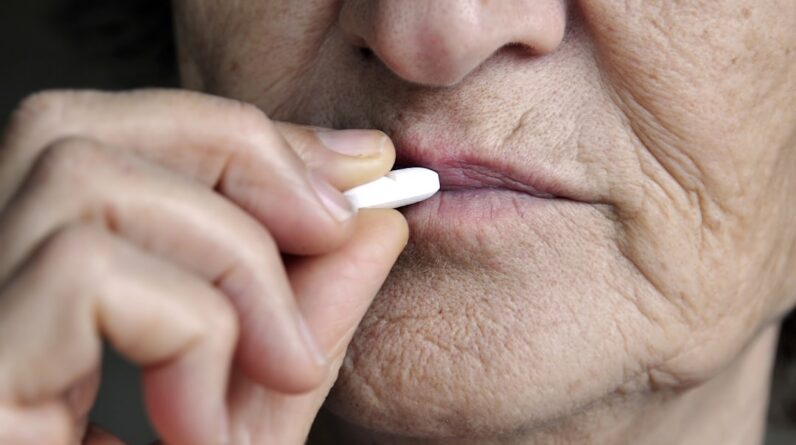
Collagen and Hyaluronic Acid Supplements for Wrinkles
You’ve noticed them, haven’t you? Those fine lines, the deeper creases that seem to etch their stories onto your skin. The quest for smoother, more youthful-looking skin often leads you to investigate various avenues, and topical creams are just the beginning. Today, we delve into the realm of ingestible supplements, specifically collagen and hyaluronic acid, and their purported benefits for combating wrinkles.
Your skin is a complex organ, a layered tapestry that protects you from the outside world while simultaneously reflecting your internal state and the passage of time. Wrinkles, the visible markers of aging, are the result of a confluence of factors, primarily the breakdown of structural proteins like collagen and the natural decrease in hyaluronic acid production. Supplements aim to address these internal changes, acting like a hidden plumbing system that feeds your skin from within.
Before you consider what you can ingest, it’s crucial to understand what your skin is made of and what happens as it ages. Think of your skin as a well-constructed building.
Collagen: The Structural Framework
What is Collagen?
Colloquially known as the scaffolding of your skin, collagen is the most abundant protein in your body. It provides structure, strength, and elasticity. In the context of your skin, collagen fibers are tightly woven, creating a firm, supple matrix that resists stretching and supports its shape. There are numerous types of collagen, but types I and III are most prevalent in the skin, contributing significantly to its dermal layer.
The Role of Collagen in Skin Elasticity
Imagine a well-maintained trampoline. Its taut surface allows for bouncy, energetic movement. Young, healthy skin functions similarly, with ample collagen providing that “bounce-back” quality. As you age, however, this collagen matrix begins to weaken. This isn’t a sudden collapse but a gradual thinning and fragmentation of collagen fibers. Environmental factors, such as prolonged sun exposure (UV radiation), pollution, and even certain lifestyle choices like smoking, can accelerate this degradation process, like rust forming on the metal supports of our trampoline.
The Natural Decline of Collagen Production
Your body’s ability to synthesize new collagen also diminishes with age. This is a natural biological process, akin to a factory slowing down its production lines over time. By your mid-20s, collagen production begins a subtle decline, which becomes more noticeable in your 40s and beyond. This decreasing supply, coupled with increased breakdown, leads to a net loss of collagen, resulting in the sagging and the appearance of wrinkles.
Hyaluronic Acid: The Moisture Retainer
What is Hyaluronic Acid?
While collagen provides the structure, hyaluronic acid (HA) acts as the reservoir of moisture within your skin. It’s a humectant, meaning it has a remarkable ability to attract and hold water molecules. Think of it as a series of tiny sponges embedded within your skin’s dermal layers, soaking up and retaining hydration. A single gram of hyaluronic acid can hold up to six liters of water, showcasing its incredible moisture-binding capacity.
Hyaluronic Acid’s Contribution to Skin Plumpness
The presence of hyaluronic acid is directly linked to skin plumpness and hydration. When your skin is well-hydrated, it appears fuller, smoother, and more radiant. You can visualize this as a water balloon. When fully inflated, its surface is taut and smooth. Similarly, skin rich in hyaluronic acid looks dewy and youthful because the water molecules plump up the extracellular matrix, smoothing out the appearance of fine lines and wrinkles by filling in the spaces where collagen may have diminished.
Age-Related Changes in Hyaluronic Acid Levels
Just as with collagen, your body’s natural production of hyaluronic acid decreases over time. This reduction, coupled with increased water loss through the skin (transepidermal water loss or TEWL), contributes to dryness, a loss of suppleness, and the exacerbation of existing wrinkles. The once-plump water balloons begin to deflate, making the underlying structural wrinkles more apparent.
Investigating the Efficacy of Collagen Supplements
The rationale behind collagen supplements is straightforward: if your body’s collagen is decreasing, why not provide it with more building blocks? The scientific community has investigated this premise with varying degrees of success and ongoing research.
Types of Collagen Supplements
You’ll encounter a variety of collagen supplements on the market. Understanding these distinctions can help you make a more informed choice.
Hydrolyzed Collagen (Collagen Peptides)
This is the most common form of collagen supplement. Hydrolyzed collagen has undergone a process called hydrolysis, which breaks down the large collagen molecules into smaller peptide chains. This breakdown is thought to enhance absorption and bioavailability, meaning your body can more easily utilize these smaller fragments. Think of it as pre-digested food; it requires less effort for your body to process and absorb.
Undenatured Type II Collagen (UC-II)
This form of collagen is derived from sources like chicken sternum and is not hydrolyzed. It is believed to work differently than hydrolyzed collagen, potentially by interacting with the immune system in the gut, which could then influence joint and skin health. Research in this area is still evolving but suggests a different mechanism of action than direct building block replenishment.
The Science Behind Collagen Absorption and Utilization
The journey of a collagen supplement from your digestive tract to your skin is a complex one. The smaller peptides, after absorption in the gut, enter your bloodstream. From there, they are thought to travel to various tissues, including the skin.
Potential Mechanisms of Action
While the idea of providing direct collagen building blocks is intuitive, research suggests more nuanced mechanisms.
Stimulating Endogenous Collagen Production
Some studies propose that collagen peptides, when absorbed, may act as signaling molecules. They could potentially stimulate your own fibroblasts, the cells responsible for producing collagen, to ramp up their production. This is like giving your factory workers a motivational poster and better tools; they might work more efficiently and produce more.
Providing Amino Acids for Collagen Synthesis
Collagen is rich in certain amino acids, such as glycine, proline, and hydroxyproline. Supplementation with hydrolyzed collagen effectively provides your body with a readily available supply of these amino acids, which are essential for the synthesis of new collagen. This is akin to ensuring you have all the necessary raw materials delivered to the factory site.
Evidence from Clinical Studies
The scientific literature on collagen supplements for wrinkles is, at best, a mixed bag of promising findings and areas requiring further investigation.
Studies Showing Positive Results
Several studies, often funded by the supplement industry, have reported statistically significant reductions in wrinkle depth and improvements in skin hydration and elasticity in participants taking collagen supplements. These studies typically involve randomized, placebo-controlled trials, the gold standard for evaluating treatment efficacy. You might see reports detailing increased collagen density in the skin and improved dermal elasticity following consistent supplementation.
Limitations and Criticisms of Existing Research
It is essential to approach these findings with a critical eye.
Industry funding: As mentioned, many studies are funded or conducted by companies that manufacture collagen products. This raises concerns about potential bias, even if unintentional. The results, while seemingly positive, may be influenced by the study design or interpretation of data.
Small sample sizes: Some studies have involved a relatively small number of participants, which can limit the generalizability of the findings to a larger population. It’s like trying to predict the weather for an entire city based on readings from just a few weather stations.
Variability in supplement formulations: The types of collagen, molecular weights of peptides, and accompanying ingredients can vary significantly between different brands and products. This makes it challenging to compare results across studies and to definitively attribute benefits to a specific component.
Short study durations: Many studies are relatively short-term, typically lasting only a few months. The long-term effects of collagen supplementation on wrinkle reduction are still largely unknown.
The Role of Hyaluronic Acid Supplements
Similar to collagen, hyaluronic acid supplements aim to replenish the body’s diminishing HA levels, thereby supporting skin hydration and plumpness.
Understanding Bioavailability of Oral HA
Oral hyaluronic acid supplements are a more recent development compared to collagen. The key challenge with oral HA is ensuring its bioavailability – that is, how much of the ingested HA is actually absorbed and utilized by the body.
Molecular Weight Matters
The molecular weight of hyaluronic acid in supplements is a crucial factor.
Low Molecular Weight Hyaluronic Acid
Much like hydrolyzed collagen, lower molecular weight HA molecules are generally believed to be more readily absorbed through the intestinal wall. Smaller particles can navigate the digestive system more effectively.
High Molecular Weight Hyaluronic Acid
Larger HA molecules may struggle with absorption in the gut and might be broken down into smaller components by digestive enzymes before they can exert their intended effects.
How Hyaluronic Acid Supplements May Work
The proposed mechanisms for oral HA supplements are similar to topical applications but operate from the inside out.
Promoting Skin Hydration from Within
When absorbed, hyaluronic acid is thought to circulate in the bloodstream and can be incorporated into the skin. It then acts as a humectant, drawing water from deeper tissues to the epidermis, leading to increased hydration and a plumping effect. This is like strategically placing a series of small, well-functioning water towers throughout your skin’s landscape.
Supporting the Extracellular Matrix
Beyond simple hydration, HA plays a vital role in the overall health and function of the extracellular matrix, the non-cellular component of all tissues and organs. It helps maintain the structural integrity and turgor of the skin.
Evidence for Oral Hyaluronic Acid in Wrinkle Reduction
Research into the efficacy of oral hyaluronic acid for skin wrinkles is still a developing field, with some promising, yet preliminary, results.
Studies Suggesting Benefits
Some clinical trials have indicated that oral HA supplementation can lead to improvements in skin hydration, elasticity, and a reduction in the appearance of wrinkles. These studies often report findings such as enhanced moisture content in the stratum corneum (the outermost layer of the skin) and subjective improvements in skin texture.
Areas for Further Investigation
As with collagen, there are limitations to the current body of evidence.
Limited number of large-scale trials: The majority of studies are relatively small in scope. More extensive, multi-center trials with diverse populations are needed to confirm these findings.
Variations in product formulations: Different oral HA supplements utilize varying molecular weights and dosages, making it difficult to draw universal conclusions.
Long-term efficacy: The long-term effects of sustained oral HA supplementation on wrinkle reduction are not yet well-documented.
Synergistic Effects: Combining Collagen and Hyaluronic Acid
The idea of combining collagen and hyaluronic acid supplements stems from their complementary roles in skin structure and hydration. If your skin is a building, collagen is the brick and mortar, while hyaluronic acid is the intricate plumbing that keeps everything moisturized and functional.
Complementary Mechanisms for Skin Health
The theory is that by providing both the structural components and the hydration support, you create a more comprehensive approach to combating the signs of aging.
Enhanced Structural Integrity and Moisture Retention
When taken together, collagen peptides can provide the amino acid building blocks and potentially stimulate fibroblasts, thereby supporting the skin’s internal scaffolding. Simultaneously, hyaluronic acid can work to draw and retain moisture within this developing matrix, leading to a plumper, smoother appearance. This is like reinforcing the walls of your building and simultaneously ensuring the water pipes are working efficiently to keep everything well-maintained.
Research on Combined Supplementation
| Metric | Typical Range | Notes |
|---|---|---|
| Collagen Dosage | 2.5 – 10 grams per day | Hydrolyzed collagen peptides are commonly used for skin benefits |
| Hyaluronic Acid Dosage | 50 – 200 mg per day | Supports skin hydration and elasticity |
| Wrinkle Reduction | 5% – 20% improvement | Measured after 8-12 weeks of supplementation |
| Skin Hydration Increase | 10% – 30% | Improvement in skin moisture content |
| Collagen Synthesis Stimulation | Up to 65% increase | Based on fibroblast activity in skin |
| Common Side Effects | None to mild (e.g., digestive discomfort) | Generally well tolerated |
| Duration for Noticeable Effects | 4 – 12 weeks | Varies by individual and product formulation |
The combined use of collagen and hyaluronic acid in supplements is also being explored, with early research suggesting potential synergistic benefits.
Promising Initial Findings
Some studies have investigated the effects of taking both collagen and hyaluronic acid concurrently. These studies have reported improvements in skin hydration, elasticity, and a reduction in wrinkle depth that may be more pronounced than when either supplement is taken alone. The combined approach aims to address multiple facets of skin aging simultaneously.
Need for More Robust Evidence
While the concept of synergy is appealing, it’s important to note that research in this area is still in its nascent stages. Larger, well-controlled studies specifically designed to evaluate the combined effects of collagen and HA are needed to definitively establish their synergistic benefits for wrinkle reduction. The current evidence is more suggestive than conclusive.
Practical Considerations for Supplement Use
If you are contemplating incorporating collagen and hyaluronic acid supplements into your routine, there are several practical factors to consider.
Choosing the Right Supplement
The market is saturated with options, making the selection process potentially overwhelming.
Ingredient Quality and Sourcing
Look for supplements that clearly state the source of their collagen (e.g., bovine, marine) and the type of collagen (e.g., hydrolyzed, peptides). For hyaluronic acid, investigate the molecular weight if it’s specified. Reputable brands often provide information about their sourcing practices and quality control.
Dosage and Formulation
Pay attention to the recommended dosage on the product label. Dosages can vary significantly between products. Consider whether you prefer powders, capsules, or liquids.
Potential Side Effects and Interactions
While generally considered safe for most people, it’s always prudent to be aware of potential side effects.
Common Side Effects
For collagen supplements, some individuals may experience mild digestive upset, such as bloating or a feeling of fullness. Those with allergies to fish or shellfish should be cautious with marine collagen. Hyaluronic acid is typically well-tolerated, but some individuals may experience mild gastrointestinal discomfort.
Precautions and Contraindications
If you have any underlying medical conditions or are taking medications, it is advisable to consult with your healthcare provider before starting any new supplement regimen. This is particularly
FAQs
What are collagen hyaluronic acid supplements?
Collagen hyaluronic acid supplements are dietary products that combine collagen peptides and hyaluronic acid to support skin health. Collagen is a protein that provides structure to the skin, while hyaluronic acid helps retain moisture, promoting skin hydration and elasticity.
How do collagen and hyaluronic acid help reduce wrinkles?
Collagen helps maintain skin firmness and elasticity, which can diminish with age, leading to wrinkles. Hyaluronic acid attracts and holds water in the skin, keeping it hydrated and plump. Together, they may improve skin texture and reduce the appearance of fine lines and wrinkles.
Are collagen hyaluronic acid supplements safe to use?
Generally, these supplements are considered safe for most people when taken as directed. However, individuals with allergies, medical conditions, or those who are pregnant or breastfeeding should consult a healthcare professional before use.
How long does it take to see results from these supplements?
Results can vary depending on the individual and the supplement’s formulation. Typically, noticeable improvements in skin hydration and texture may take 4 to 12 weeks of consistent use.
Can collagen hyaluronic acid supplements replace topical skincare products?
While supplements can support skin health from within, they are not a direct replacement for topical skincare products. Combining supplements with a proper skincare routine, including moisturizers and sunscreens, often yields the best results for wrinkle reduction.