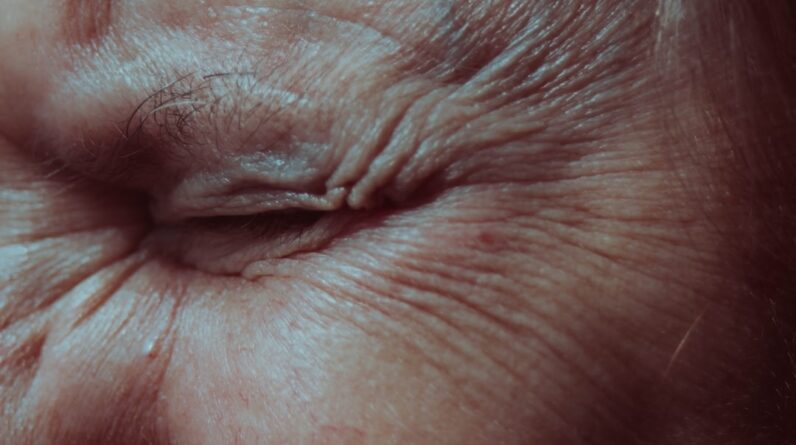
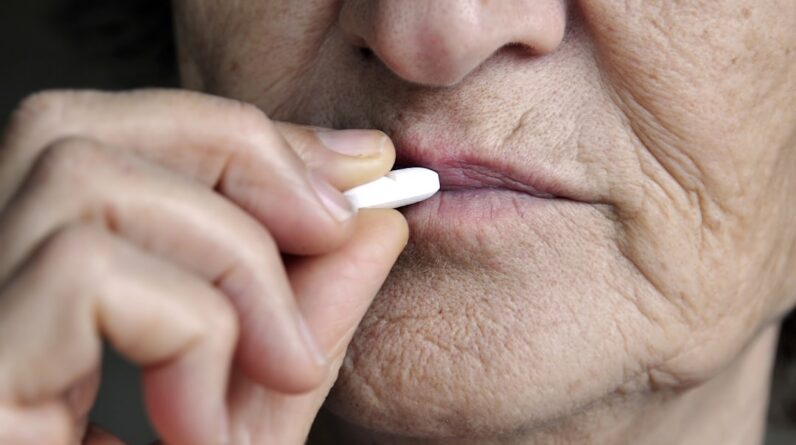
You’re noticing the subtle shifts. Perhaps your skin, once plump as a ripe peach, is beginning to lose its dewy fullness. Or maybe your joints, which used to move with the effortless grace of a seasoned dancer, are now creaking a little like an old ship at sea. These are tell-tale signs of collagen loss, a natural biological process that begins insidiously in your late twenties and accelerates as you navigate the decades. Collagen, the robust scaffolding of your body, is the very architect of your skin’s elasticity, the mortar that holds your bones together, and the lubricator that keeps your joints fluid. When its production wanes, you see the outward manifestations – fine lines becoming etched maps of your experiences, hair losing its lustrous sheen, and cartilage thinning like a well-worn tapestry. This article delves into hydrolyzed collagen, investigating its potential role in mitigating this inevitable decline and helping you maintain the structural integrity and youthful vitality of your body.
You might view your body as a magnificent edifice, built and maintained with robust materials. For many years, this construction crew, your cells, have been diligently producing collagen, ensuring the strength and resilience of your internal architecture. However, with time, much like any long-standing project, the pace of reconstruction slows. This isn’t a catastrophic structural failure, but a gradual, natural ebb in the manufacturing process.
The Biological Clock of Collagen Production
Think of your body’s collagen production as a highly efficient factory. In your youth, this factory operates at peak capacity, churning out vast quantities of collagen to support rapid growth and repair. As you enter your twenties, the output begins a gentle descent. This isn’t a sudden shutdown, but rather a gradual reduction in the speed of the assembly line. By your mid-thirties, the difference becomes more noticeable, and by your fifties, the factory’s output is significantly diminished.
Cellular Mechanisms at Play
Several cellular mechanisms contribute to this decline. Fibroblasts, the cells responsible for collagen synthesis, become less active over time. Their ability to signal for collagen production, a complex communication network within your tissues, becomes less robust. Furthermore, the enzymes responsible for breaking down old collagen, while necessary for turnover, can become more dominant as new collagen production slows, leading to a net loss.
External Factors Accelerating Collagen Loss
While aging is the primary driver, external forces can act as relentless saboteurs, accelerating the erosion of your collagen reserves. These factors can prematurely age your skin and compromise your internal structures, much like unchecked environmental damage can weaken a building’s foundation.
The Sun’s Damaging Rays
Ultraviolet (UV) radiation from the sun is a well-established culprit. Think of UV rays as tiny hammers chipping away at your collagen fibers. They break down existing collagen and disrupt the fibroblasts’ ability to produce new collagen, leading to premature wrinkling, sagging, and a leathery texture in your skin. This is why protecting your skin from the sun is a crucial defensive strategy.
Lifestyle Choices and Their Impact
Your daily habits also play a significant role. Smoking, for instance, introduces toxins that damage collagen and restrict blood flow, starving the skin and other tissues of essential nutrients. A diet high in processed foods and sugar can lead to glycation, a process where sugar molecules attach to collagen fibers, making them stiff and brittle, akin to over-salting and then firing a ceramic pot until it cracks. Chronic stress also elevates cortisol levels, which can further degrade collagen.
What is Hydrolyzed Collagen?
When you encounter the term “hydrolyzed collagen,” picture the original, larger, more complex collagen molecules as formidable, tightly woven ropes. The “hydrolyzed” process is akin to carefully cutting these ropes into much smaller, more manageable strands. This breakdown is achieved through a process involving water and enzymes, making the collagen more easily digestible and, potentially, more readily absorbed by your body.
The Breakdown Process: Hydrolysis Explained
Hydrolysis, in the context of collagen, is a biochemical reaction. It essentially involves adding water molecules to break the peptide bonds that hold amino acids together within the collagen protein. This process breaks down the large collagen proteins into smaller chains of amino acids and short peptides.
Enzymes and Their Role in Hydrolysis
Specific enzymes are often employed in the industrial production of hydrolyzed collagen. These enzymes act as biological tools, precisely snipping the collagen molecules at specific points. This controlled breakdown ensures the resulting peptides are of a suitable size for absorption.
The Chemical Composition: Amino Acid Profiles
The resulting hydrolyzed collagen is a rich source of specific amino acids, particularly glycine, proline, and hydroxyproline. These amino acids are the fundamental building blocks of collagen in your body. Think of them as the individual bricks and mortar that your own cells use to reconstruct and reinforce your collagen structures.
Glycine: The Ubiquitous Amino Acid
Glycine is the simplest amino acid and the most abundant in collagen. It plays a crucial role in the formation of collagen helices, the characteristic triple-helix structure that gives collagen its strength and stability.
Proline and Hydroxyproline: The Structural Backbone
Proline and its derivative, hydroxyproline, are essential for maintaining the structural integrity of collagen. Hydroxyproline, in particular, is formed by the hydroxylation of proline after it has been incorporated into the collagen chain, and it is vital for stabilizing the triple helix structure.
The Science Behind Collagen Supplementation
The allure of hydrolyzed collagen lies in its promise to replenish dwindling
FAQs
What is hydrolyzed collagen?
Hydrolyzed collagen, also known as collagen peptides, is collagen that has been broken down into smaller amino acid chains through a process called hydrolysis. This makes it easier for the body to absorb and utilize.
How does hydrolyzed collagen help prevent collagen loss?
Hydrolyzed collagen provides the body with the necessary amino acids to support the production of new collagen. Regular intake may help maintain skin elasticity, joint health, and overall collagen levels, potentially slowing down the natural decline associated with aging.
What are common sources of hydrolyzed collagen?
Hydrolyzed collagen is typically derived from animal sources such as bovine (cow), porcine (pig), chicken, and marine (fish) collagen. It is available in powder, capsule, and liquid supplement forms.
Are there any scientific studies supporting the effectiveness of hydrolyzed collagen?
Yes, several clinical studies have shown that hydrolyzed collagen supplementation can improve skin hydration, elasticity, and reduce wrinkles. It may also support joint health by reducing symptoms of osteoarthritis and improving mobility.
Is hydrolyzed collagen safe to consume?
Hydrolyzed collagen is generally considered safe for most people when taken in recommended doses. However, individuals with allergies to specific animal proteins or those who are pregnant or nursing should consult a healthcare professional before use.